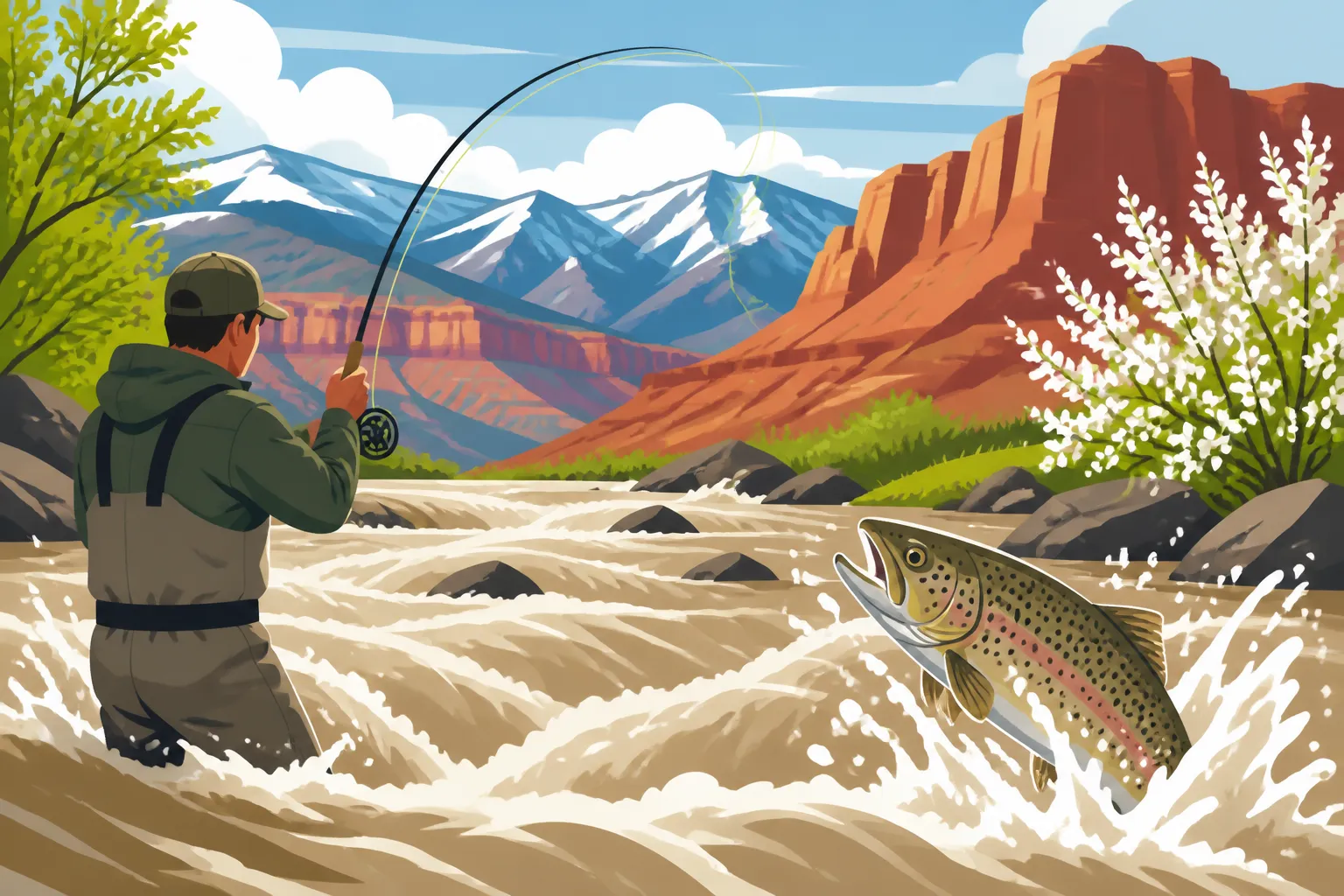
How to Fish a River During Spring Runoff in Utah
Spring runoff in Utah rivers can feel like the ultimate test of an angler's patience, if not their sanity. One moment, your favorite clear-water bends are teeming with trout, and the next, they've transformed into a raging, muddy torrent that looks completely unfishable. It's truly disheartening to see those pristine stretches become so intimidating. But don't hang up your waders just yet! This guide is designed to help you understand the challenges of spring runoff in Utah and equip you with the knowledge, gear, and techniques to turn those high, turbid flows into surprisingly productive fishing opportunities.
Understanding Utah's Spring Runoff Dynamics
Spring runoff is a natural and vital process, but for anglers, it presents a unique set of obstacles. The sheer volume of cold, fast-moving water, combined with reduced visibility due to suspended sediment, forces fish to adjust their behavior dramatically. Understanding these changes is the first step to successful fishing during this tricky period.
What Drives Runoff in Utah Rivers
Utah's snowpack is the engine of our rivers, and as temperatures rise in spring, that snow begins to melt. The amount of snow, how quickly it melts, and the presence of rain all contribute to the intensity and duration of runoff. For instance, a warm spell combined with heavy rain can quickly swell rivers like the Provo River or the Green River into roaring beasts. This rapid influx of water causes several key changes:
- Increased Water Levels and Velocity: Rivers become significantly higher and faster. What might have been a gentle riffle is now a powerful, potentially dangerous current. This makes wading treacherous and dislodges natural debris.
- Turbidity (Muddy Water): As the water rises and gains speed, it erodes banks and picks up sediment, turning the clear, inviting flows into murky, opaque conditions. This is often described as "chocolate milk" water, drastically reducing visibility for both fish and anglers.
- Reduced Water Temperature: While air temperatures are rising, the snowmelt is typically very cold. This can temporarily drop river temperatures, slowing down the metabolism of cold-blooded fish like trout, making them less active.
- Displaced Forage: The high flows can wash insects, worms, and other terrestrial food sources into the river, creating a temporary buffet for fish if they can find it in the current.
Knowing How Runoff Affects Utah River Fishing is critical for adjusting your approach. You'll often find that the peak of runoff, when rivers are at their highest and muddiest, can last for several weeks, making those shoulder periods before and after the worst of it even more valuable.
How Fish React to High and Muddy Water
Fish aren't just going to swim around aimlessly in a torrent. Their survival instincts kick in, leading them to seek out areas where they can conserve energy and find food without being swept away. This means they'll move to:
- Slower Water: This is paramount. Look for eddies, current seams behind large rocks or logjams, the insides of river bends, backchannels, and shallow shelves adjacent to the main current. Anywhere the water moves slower than the main channel is a potential holding spot.
- Cover: Overhanging banks, submerged root wads, deep pools, and anything that breaks the current provides shelter. This also offers a sense of security in water that might feel exposed due to lack of visibility.
- Structure: Rock piles, fallen trees, and dramatic changes in bottom contour create current breaks and ambush points where fish can hide and wait for food to come to them.
Even if the water looks like it's uniformly fast and muddy, there are always these subtle "soft spots" where fish congregate. The trick is identifying them and presenting your offering effectively. You'll also notice that fish tend to hold much closer to the bottom in high water, making a presentation that gets down quickly absolutely essential. Knowing What Water Clarity Is Too Muddy to Fish in Utah? can help you decide if it's even worth hitting the river, but often, even a little visibility can yield results if you adjust.
Essential Gear and Tackle for Runoff Conditions
Fishing runoff means you'll likely need to beef up your tackle compared to your typical clear-water setup. Everything from your rod to your leader needs to be ready to handle heavier weights, stronger currents, and potentially bigger, harder-fighting fish that are using the current to their advantage.
Rods, Reels, and Line for High Flows
Your standard ultralight trout setup might not cut it when you're battling heavy currents and needing to throw substantial weight.
- Rods: Opt for a medium-action spinning rod, perhaps 6'6" to 7'6" in length, with a bit more backbone than usual. This extra power will help you cast heavier weights, control your line in strong currents, and muscle fish out of powerful flows. If you're fly fishing, a 6 to 8-weight rod is a good choice, as it can handle heavier nymph rigs, larger strike indicators, and bigger streamers. Many anglers find excellent options for these heavier rods on Amazon.
- Reels: A spinning reel in the 2500-3000 series or a sturdy fly reel with a good drag system will provide the line capacity and stopping power you might need. Make sure it's spooled with fresh, strong line.
- Line: This is crucial. For spinning setups, consider using 8-10 lb test monofilament or fluorocarbon as your main line. Fluorocarbon is excellent because it sinks, which helps get your bait down in the water column, and it's less visible to fish. For fly anglers, a heavier tippet, perhaps 2X-4X, will be necessary to prevent break-offs when fishing heavy nymph rigs or larger streamers. Remember, these fish aren't going to be leader shy in muddy water. Learn more about Best Fishing Line for Utah Trout for specific recommendations.
Terminal Tackle for Turbid Water
Getting your bait or lure into the strike zone in fast, deep, muddy water is the biggest challenge. This means you'll be relying heavily on weight and visibility.
- Weights: You'll need more weight than you think to combat the current. For bait or nymph fishing, a mix of split shot, pencil lead, or even heavier slinky weights (made from parachute cord and lead shot) will be your best friend. Don't be afraid to use multiple large split shots or a 1/2 oz to 1 oz egg sinker. The goal is to get your offering down to the bottom and keep it there as it drifts.
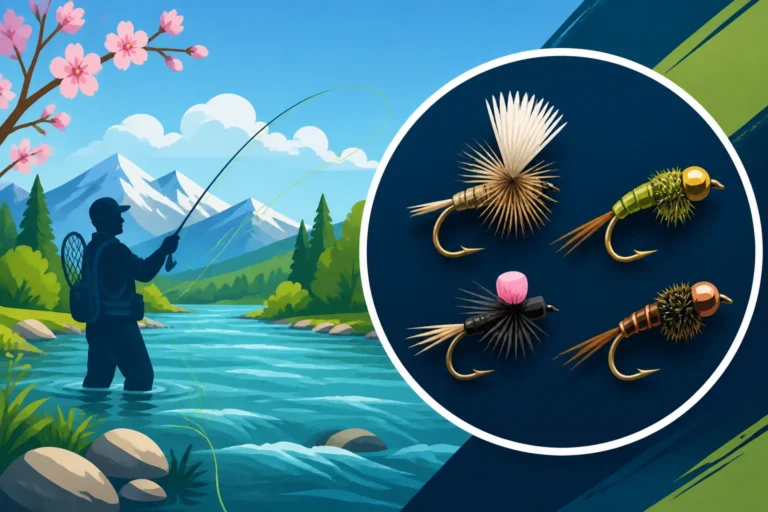
- Hooks: For bait fishing, larger, sturdier hooks are often preferred, such as a #6 or #4 octopus hook. For fly fishing, weighted nymphs with tungsten beads and larger streamer hooks (size 4-8) are ideal.
- Strike Indicators (for fly fishing): Large, buoyant strike indicators like a Thingamabobber or an Air-Lock strike indicator are necessary to support your heavy nymph rigs and provide clear visibility in choppy water. Forget the small, subtle indicators for now; you need something you can actually see!
- Lures: Spinners, spoons, and crankbaits that create a lot of vibration and flash are excellent choices. Colors with high contrast, like chartreuse, orange, or black, tend to stand out better in murky water. Think about something that emits a strong vibration, like a Panther Martin spinner or a lipless crankbait, to help fish locate it. You can find a good variety of these on Amazon.
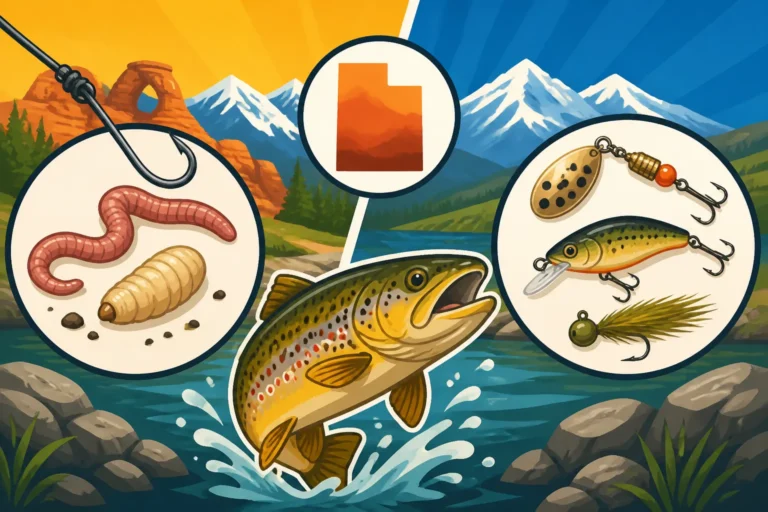
- Bait: In muddy water, scent is a powerful attractant. Worms (nightcrawlers, red wigglers), PowerBait (especially garlic or cheese scented varieties), corn, and salmon eggs can be very effective. Live minnows, where legal, can also be a game-changer as they provide both scent and movement.
Here's a quick comparison of essential tackle for different water conditions:
| Tackle Item | Clear Water (Low Flow) | Muddy Water (High Flow) |
|---|---|---|
| Line Test | 4-6 lb mono/fluoro; 5X-7X tippet | 8-10 lb mono/fluoro; 2X-4X tippet |
| Weights | Small split shot, light indicator leaders | Heavy split shot, pencil lead, egg sinkers |
| Lure Colors | Natural, subtle, silver, gold | Chartreuse, orange, black, bright patterns |
| Bait | Small worms, salmon eggs, PowerBait (natural) | Nightcrawlers, scented PowerBait, corn |
| Fly Indicators | Small, subtle foam or yarn | Large, buoyant foam (Thingamabobber) |
| Hook Size (Bait) | #8-#12 | #4-#6 |
Effective Techniques for Fishing Muddy, High-Water Rivers
Now that you're geared up, let's talk tactics. Fishing runoff is less about finesse and more about getting your offering to the fish in the limited windows they have to see and react.
Finding Fish in the Strong Current
As mentioned, fish will seek refuge from the main current. Your job is to systematically identify and target these "slack water" zones.
- Eddies and Current Seams: Look for areas where the main current sweeps past a slower pocket of water. This could be behind a large boulder, a downed tree, or an inside corner of a river bend. Fish will stack up on the current seam, waiting for food to drift by. Cast upstream of the seam and let your offering drift naturally into the slower water.
- Bank Side and Shallow Shelves: The water velocity is often significantly slower right along the bank, especially where there's overhanging vegetation or undercut banks. These areas provide cover and a break from the main flow. Also, don't overlook shallow shelves that might run parallel to a deeper channel; these can be prime feeding lanes where fish feel safer in the less turbulent water.
- Confluence Points: Where a smaller, clearer tributary enters a muddy main river can be a fantastic spot. The fish in the main river will often congregate in the slightly clearer, slower water of the tributary's influence, waiting for food. This is a classic "hot spot" during runoff.
- Deep Pools: While deep pools can be challenging due to the amount of water, fish will often drop into them to escape the current. You'll need plenty of weight to get your bait or lure down to their level, but it can be worth the effort.
Remember, fish in these conditions aren't likely to move far to strike. You need to put your offering right in front of them, almost hitting them on the nose.
Presenting Baits and Lures Effectively
The key to presentation during runoff is getting down deep and moving slowly enough for fish to find your offering, but fast enough to appear natural.
- Drift Fishing with Bait/Nymphs: This is a classic and highly effective method. Use enough weight to bounce your bait or nymph along the bottom, just slightly slower than the current. Cast upstream and slightly quartering across the current, allowing your rig to sink and drift naturally. For fly anglers, this means heavy nymph rigs with split shot above the fly, or a multi-nymph setup. You're trying to mimic a worm or insect that has been dislodged and is tumbling helplessly downstream.
- For spinning setups, a simple Carolina rig or a three-way swivel rig can work well to keep your bait near the bottom.
- Many anglers also find success with a simple worm on a bare hook, weighted heavily, allowing it to crawl along the bottom.
- Slow-Rolling Lures: Spinners, spoons, and crankbaits can be effective if you can keep them in the strike zone. Cast slightly upstream or across current and retrieve slowly, just fast enough to get the lure's action working. The goal is to make it look like a struggling baitfish or a large insect, easily digestible in the turbid conditions. Larger, heavier lures that dig into the current or have a strong wobbling action are best.
- Focus on Scent and Vibration: In muddy water, fish rely more on their lateral line (to detect vibration) and their sense of smell. Choose baits with strong scents or add scent attractants to your lures. Lures with rattles or strong thumping actions can also draw strikes from fish that can't see well. This is where options available on Amazon with built-in rattles or strong scent compounds come in handy.
- Short Leader, Heavy Weight: For both fly and spin fishing, keep your leader relatively short (18-36 inches) above your weight. This helps keep your bait or fly close to the bottom where the fish are hunkering down.
Consider where fish are positioned by learning about How to Fish a River During Spring Runoff in Utah in other areas, as principles often transfer.
Safety Considerations and Best Practices During Runoff
While the thrill of catching fish in challenging conditions is rewarding, safety must always be your top priority. Spring runoff can turn familiar stretches of river into dangerous environments.
Wading and Bank Access Hazards
The increased water velocity and volume make wading extremely hazardous. What looked like a safe crossing point in lower flows can become a death trap.
- Never Wade Alone: If you must wade, always go with a buddy and use a wading staff for stability. The current can knock you off your feet even in seemingly shallow water.
- Test Every Step: Use your wading staff to probe the bottom before putting your weight down. The bottom can shift dramatically during runoff, creating unexpected drop-offs or soft spots.
- Avoid Fast, Deep Water: Stick to the edges, back channels, and areas you know are genuinely shallow and have slower currents. If in doubt, don't wade.
- Watch for Debris: High water carries a lot of debris – logs, branches, and other hazards – which can sweep you off your feet or snag your line.
- Be Aware of Bank Erosion: Undercut banks can collapse without warning, especially after prolonged high water. Stay clear of areas that look unstable.
- Wear Appropriate Footwear: Studded wading boots can provide extra grip on slippery rocks.
- Layer Up: Even if the air is warm, the water is typically frigid snowmelt. Falling in could lead to hypothermia quickly. Dress in layers, including good quality waders. Learning How to Layer Clothing for a Utah Winter Fishing Trip can provide useful tips for staying warm, even if it's not winter.
It's often safer to stick to shore fishing from established access points, bridges, or designated fishing piers during peak runoff. Explore options for Best Shore Fishing Spots at Strawberry Reservoir or Best Boat Ramps at Deer Creek Reservoir if you're not comfortable with river wading during this time.
Checking River Conditions and Regulations
Before heading out, always check the current river conditions. The Utah Division of Wildlife Resources (UDWR) website and local fly shops are invaluable resources.
- Flow Rates (CFS): River flow is measured in cubic feet per second (CFS). Many rivers have online gauges that show real-time and historical flows. Familiarize yourself with what "fishable" flows look like for your chosen river during runoff. For instance, the Provo River might become extremely difficult above 1000 CFS, while the Green River's tailwater can handle much higher flows due to its regulated nature.
- Water Clarity Reports: Local fly shops often have the most up-to-date information on water clarity. Give them a call!
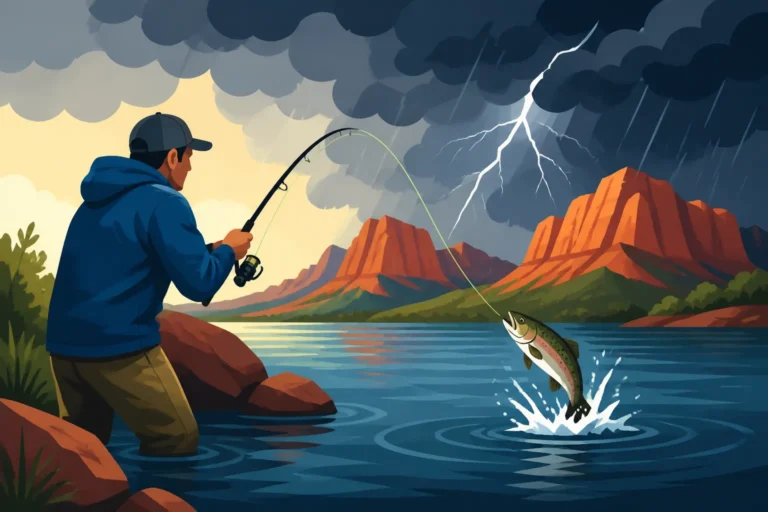
- Weather Forecast: Sudden rainstorms can cause river levels to spike rapidly, creating dangerous conditions. Always be aware of the forecast.
- Regulations: Even during runoff, all standard Utah fishing regulations apply regarding licenses, bag limits, and specific water rules. Some waters may have special seasonal closures or gear restrictions. For example, some sections of the Green River Below Flaming Gorge Dam might have specific rules. Always make sure you have your Utah Fishing License Guide handy and review the Utah Fishing Regulations Explained before you go.
By taking these precautions, you ensure that your fishing adventure during spring runoff is not only productive but also safe and enjoyable. You might be surprised at how many fish you can land when everyone else is waiting for the water to clear!
Disclaimer
The information provided in this guide is for general informational purposes only. Fishing conditions in Utah can change rapidly, and it is the angler's responsibility to check current regulations, weather forecasts, and river conditions before heading out. Always prioritize personal safety.