Weber River Fly Fishing Spots
The Weber River is truly a gem for Utah anglers, but let's be honest, finding those prime fly fishing spots and knowing how to approach them can feel like cracking a secret code. You hear whispers of incredible dry fly action or deep nymphing runs, but translating that into a successful day on the water with a fly rod can be incredibly frustrating if you don't know where to start. This comprehensive guide is here to demystify the Weber, breaking down its various sections, what to expect, and how to make the most of your time chasing trout on this iconic Utah waterway.
Understanding the Weber River's Unique Character
The Weber River, winding its way from the high Uinta Mountains all the way to the Great Salt Lake, isn't just one river; it's a series of distinct personalities, each offering a different fly-fishing experience. What works in one section might not even get a sniff in another, and understanding these nuances is crucial for any angler hoping for consistent success. It's a river shaped by elevation, human influence, and the sheer force of nature, especially during the spring runoff.
River Sections and Their Distinct Personalities
From its headwaters, the Weber flows through diverse landscapes, transitioning from high-alpine meadows to agricultural valleys and eventually suburban stretches. Each segment presents its own challenges and rewards.
- Upper Weber River (Headwaters to Rockport Reservoir): This is where the river is born, a wilder, more freestone environment. Up here, you're looking at a smaller, more intimate stream, often with plenty of cover from overhanging willows and boulders. The fish tend to be smaller but are incredibly feisty and opportunistic. Access can be a bit more challenging, often requiring some hiking, which keeps the crowds down. You'll find sections reminiscent of smaller mountain streams, demanding accurate casts and delicate presentations.
- Middle Weber River (Rockport Reservoir to Echo Reservoir, including tailwaters): This is arguably the most famous and heavily fished stretch, primarily due to the influence of Rockport Reservoir. The tailwater below Rockport Dam creates a fantastic, consistent cold-water fishery, rich in insect life and holding a good density of healthy trout. It's a wider river here, with more classic riffle-run-pool structures. Further downstream, the river opens up into broader agricultural valleys before hitting Echo Reservoir. The fishing can be phenomenal, but it also means more angler pressure, especially on weekends.
- Lower Weber River (Below Echo Reservoir to Ogden and Beyond): Once past Echo, the Weber takes on a different character. It flows through more developed areas, and while it still holds fish, the fishing can be more sporadic. This section is often wider, slower, and can be influenced by irrigation diversions and warmer summer temperatures. It might not offer the same "classic" fly fishing experience as the middle section, but dedicated anglers can still find rewarding opportunities, often targeting larger, more elusive fish that have adapted to these varied conditions.
Primary Fish Species You'll Encounter
The Weber is a trout river, through and through, but the specific species and their prevalence can vary by section. Understanding who you're targeting helps immensely in choosing your flies and techniques.
- Brown Trout: These are the kings of the Weber, especially in the middle and lower sections. Brown trout are known for their wariness, their aggressive takes, and their beautiful golden-brown flanks. They thrive in the diverse habitat the Weber provides, from deep undercut banks to swift riffles. You'll often find them lurking near structure, waiting to ambush prey. Catching a large brown on a streamer or a well-presented nymph is a true highlight of fishing the Weber.
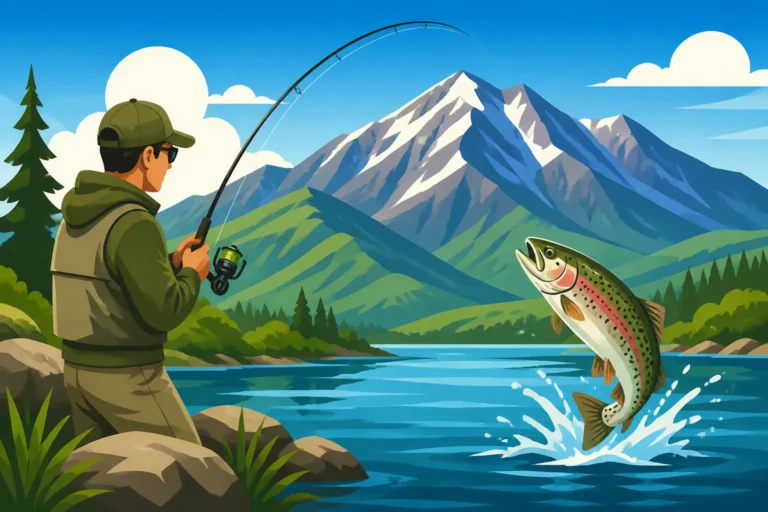
- Rainbow Trout: While not as dominant as browns in terms of sheer numbers in some wild sections, rainbow trout are a staple, especially in areas influenced by stocking, such as below Rockport Reservoir. They're typically more aggressive than browns, often rising readily to dry flies and putting up a spectacular fight. Stocked rainbows provide excellent action for anglers of all skill levels, and wild rainbows add to the challenge in various stretches.
- Bonneville Cutthroat Trout: As Utah's state fish, the Bonneville cutthroat can be found in the upper reaches of the Weber and its tributaries. These native trout are a real treat to catch, identifiable by their distinct red "cutthroat" markings under their jaw. They are often less selective than browns or rainbows, especially in high-alpine settings, and are a testament to the healthy ecosystem of the upper river. Catching a Bonneville cutthroat on a dry fly in its native habitat is a truly special experience. For more information on identifying these species, check out our Utah Trout Species Guide.
Prime Fly Fishing Spots on the Upper Weber River
The Upper Weber River is where the journey begins, high in the Uinta Mountains and surrounding foothills. It’s a place for anglers who appreciate solitude, wilder fish, and the challenge of navigating smaller, brushier waters. This section truly embodies the freestone river experience, characterized by smaller flows and demanding precise presentations.
Mirror Lake Highway to Oakley
As you travel along the Mirror Lake Highway (Highway 150), you'll cross the upper reaches of the Weber River multiple times. This area, leading down towards the small town of Oakley, offers fantastic opportunities for those willing to explore.
- Access and Conditions: Access here is often found by pulling off the highway at various points or by exploring side roads that parallel the river. Many stretches run through private land, so always be mindful of signage and respect private property. However, ample public access exists, particularly within the Uinta-Wasatch-Cache National Forest. The river here is smaller, typically a wade-fisher's paradise, with flows highly dependent on snowmelt and recent rainfall. During late spring, the water can be high and turbid due to runoff, making fishing challenging, but by mid-summer, flows usually stabilize, revealing clearer water and active fish. For tips on dealing with high water, consult our guide on How Runoff Affects Utah River Fishing.
- Fishing Experience: Expect to encounter a mix of smaller brown trout and, higher up, the occasional Bonneville cutthroat. These fish are generally less pressured than those downstream and can be incredibly eager to take a well-presented dry fly during hatches. Elk Hair Caddis, Parachute Adams, and various attractor patterns like Royal Wulffs are often effective. Nymphing with smaller pheasant tails or hare's ears can also produce fish in the deeper pockets and runs. Stealth is key in these smaller waters; approach carefully to avoid spooking fish. This area is perfect for anglers who enjoy a more intimate fishing experience, focusing on presentation and observation rather than covering vast amounts of water.
Oakley to Rockport Reservoir
Below the town of Oakley, the Weber River starts to gain a bit more size as it collects tributaries, but it still retains much of its upper river character before reaching the impoundment of Rockport.
- Access and Typical Conditions: This stretch offers a blend of public and private access. Popular spots often include designated access points near bridges or along public easements. The river here becomes a bit wider and deeper in places, though still very much a wade-friendly stream. The terrain can still be a bit rugged, with dense riparian vegetation in some areas, so come prepared to do a little bushwhacking. Similar to the higher reaches, flows are seasonal, with higher water in spring and more stable conditions through summer and fall.
- Fishing Experience: You'll primarily be targeting brown trout in this section, often in the 10-16 inch range, with the occasional larger specimen. Rainbows may also be present, especially closer to the reservoir. Dry fly fishing can be excellent during active hatches of caddis and mayflies. Look for shaded banks and deeper pools where fish will hold. Streamer fishing with smaller patterns like woolly buggers can be very effective, especially for enticing those more aggressive brown trout from their hiding spots under banks or logs. While this area sees more pressure than the true headwaters, it's still far less crowded than the popular tailwater below Rockport, offering a peaceful and productive day for those seeking quality over quantity.
Exploring the Middle Weber River's Productive Waters
The Middle Weber River is, for many, the heart of the river's fly-fishing appeal. Dominated by the influence of Rockport Reservoir, this section transitions from a celebrated tailwater to a broader, more accessible valley river. It’s a dynamic environment where water management, insect cycles, and angler pressure all play significant roles in the fishing experience.
Rockport Reservoir Downstream to Wanship
This stretch of the Weber River, immediately below Rockport Reservoir, is perhaps its most famous and certainly one of Utah's premier fly fishing destinations. It's a true tailwater fishery, benefiting from the consistent cold water released from the dam.
- Tailwater Considerations: The consistent flow and cold water from Rockport Reservoir create an ideal habitat for trout and a rich aquatic insect population. This means reliable fishing almost year-round, even when other rivers might be too low or too warm. The downside? It's popular. Very popular. Expect to see other anglers, especially on weekends and holidays. Parking is often well-marked, and there are several designated public access points, including the Rockport State Park area and public easements. Because of the consistent flows, wading can be easier and more predictable here than in true freestone sections, but always be cautious of slippery rocks and sudden drops.
- Fishing Experience: This section is renowned for its healthy population of rainbow and brown trout, many of which reach impressive sizes. The abundance of aquatic insects, including midges, blue-winged olives (BWO), caddis, and stoneflies, means diverse fishing opportunities. Nymphing is often the most productive method here, using patterns that imitate the prevalent insects. Try a "two-nymph" rig with an indicator, experimenting with depth and weight. Dry fly fishing can be incredible during strong hatches, particularly during BWO hatches in spring and fall, or caddis hatches in summer evenings. Streamers also account for some of the largest brown trout, especially when fished aggressively along undercut banks or through deeper pools. For specifics on effective fly patterns, our Best Flies for Utah Trout Streams guide offers some excellent starting points that are highly applicable here. Finding a local guide through platforms like FishingBooker is a great way to learn the nuances of this specific stretch, especially if you're new to tailwaters.
Wanship to Echo Reservoir
As the Weber River flows downstream from Wanship towards Echo Reservoir, it starts to change character again. The influence of the tailwater begins to lessen, and the river takes on more characteristics of a classic valley river, flowing through agricultural and pasture lands.
- Different Character, Access: This section is generally wider and often slower-moving than the immediate tailwater stretch. Access can be a mix of public easements, particularly near bridges, and private land. Always pay close attention to signs and respect private property. The river flows through several small towns like Henefer, and public access can be found at some county parks or designated fishing access points. Water temperatures can be warmer in summer compared to the Rockport tailwater, which can affect fish activity during the hottest parts of the day.
- Fishing Experience: While the fish density might not be as high as directly below Rockport, this stretch can hold some surprisingly large and often less pressured brown trout. Rainbows are also present, often as a result of migration or stocking efforts further upstream. This section often offers excellent opportunities for sight-fishing in clearer, slower pools, or swinging larger streamers through deeper runs. Terrestrial patterns like hoppers, ants, and beetles can be incredibly effective during summer and early fall, particularly along grassy banks. Nymphing remains a consistent producer, and don't overlook fishing a dry-dropper rig when the fish aren't fully committing to surface takes. This area is perfect for anglers looking for a slightly more challenging but potentially very rewarding experience, where persistence often pays off with quality fish.
Navigating the Lower Weber River's Hidden Gems
The Lower Weber River presents a distinctly different challenge and reward for fly anglers. As it leaves the more pristine mountain and tailwater environments, it winds through increasingly developed areas, becoming a less-traveled path for many fly fishers. However, for those willing to explore and adapt, this section can reveal surprising opportunities, particularly for larger, wily brown trout that have grown accustomed to their more urban surroundings.
Below Echo Reservoir to Ogden
Once the Weber River passes through Echo Reservoir, its character shifts dramatically. It becomes a larger, more meandering river, often running through agricultural fields and closer to urban centers like Morgan and Ogden.
- Urban-ish Fishing, Challenges: This stretch can feel more accessible, with numerous road crossings and bridge access points. However, public access isn't always clearly marked, and large portions of the river here flow through private land, so exercising caution and respecting property lines is paramount. Always look for "Walk-In Access" or public easement signs. The river can also be influenced by agricultural runoff, which might temporarily affect water clarity. Additionally, water temperatures can climb higher in the summer, making early mornings and late evenings the most productive times. Dealing with increased litter and occasional urban noise are also part of the experience here, but the trade-off can be significant.
- Fishing Experience: Don't let the urban backdrop fool you; this section holds some truly massive brown trout. These fish are survivors, highly educated, and often require a stealthier approach and more patient presentation. While rainbows are also present, the lower river is really a brown trout haven. Larger nymphs like stoneflies, caddis pupae, and even worm patterns can be highly effective when fished deep. Streamers are also a go-to for targeting these predatory browns, especially in low light conditions or after a rain. Think larger patterns that mimic sculpins or baitfish. Dry fly opportunities are less consistent than upstream, but if you find a hatch, these big fish will often commit with a surprisingly delicate sip. Consider focusing on the deeper pools, undercut banks, and current seams where larger fish can hide.
Near Ogden and Beyond
As the Weber River flows directly through and beyond Ogden, it takes on its most urbanized form before finally emptying into the Great Salt Lake. This is often the least-fished section by fly anglers, but it’s not without its merits for the adventurous.
- Less Popular but Can Hold Fish: Finding prime fly-fishing spots directly within Ogden can be challenging due to development and limited access. However, greenbelts, parks, and easements offer sporadic opportunities. Further downstream, as the river approaches the delta, the water can become warmer and slower, with a higher presence of carp and other warm-water species, though trout can still be found in cooler pockets or during cooler months. This section often gets overlooked, which means less pressure on the fish that do reside here.
- Fishing Experience: Success in this section often comes down to perseverance and adapting your tactics. The trout here, if present, are likely robust brown trout that have adapted to a wide range of food sources. Larger, heavier nymphs, crayfish patterns, and streamers are often your best bet. You might also encounter carp, which can provide an exhilarating fight on a fly rod if you're up for the challenge. While not a destination for classic dry fly fishing, the lower Weber can be an exciting place for anglers who enjoy prospecting and don't mind the urban setting. It's a testament to the resilience of fish and the river itself, reminding us that good fishing can be found in unexpected places. For a different type of challenge, exploring some of the local community ponds that are regularly stocked can be a fun alternative, and you can find more about them in Best Community Ponds for Kids to Fish in Salt Lake City.
Essential Gear and Techniques for Weber River Fly Fishing
Successfully fly fishing the Weber River requires more than just knowing where the fish are; it demands the right tools and a solid understanding of how to use them. The varied conditions, from tight brushy streams to wide tailwaters, mean you need versatile gear and adaptable techniques.
Rods, Reels, and Line for River Conditions
Choosing the right setup can make a huge difference in your success and enjoyment on the Weber. Think about versatility, as you'll encounter a range of situations.
- Rod Choice: A 9-foot, 5-weight fly rod is widely considered the all-around workhorse for most of the Weber River. It offers enough backbone to cast indicators and multiple nymphs, handle decent-sized trout, and still provides the sensitivity for delicate dry fly presentations. If you're focusing exclusively on the smaller upper reaches, a lighter 3 or 4-weight might be more enjoyable for smaller fish and delicate presentations. Conversely, if your primary goal is to swing large streamers for trophy browns in the middle and lower sections, a faster-action 6-weight can provide the power you need to cast bigger flies and control larger fish.
- Reel Selection: A good quality, lightweight disc-drag reel that balances well with your chosen rod is essential. While the drag system isn't always heavily tested on smaller trout, it's crucial for those unexpected larger fish that decide to make a run. Spool it with a weight-forward floating line that matches your rod weight. For nymphing and streamer fishing, an aggressive taper or an over-weighted line can help turn over heavier rigs.
- Leader and Tippet: For versatility, carry a range of fluorocarbon and monofilament tippet in sizes from 3X to 6X. Fluorocarbon is excellent for nymphing due to its invisibility underwater and its fast sink rate, while monofilament can be better for dry flies due to its buoyancy. A 9-foot tapered leader is a good starting point for most situations, but you might extend it with tippet for wary fish or shorten it for heavier nymph rigs.
- Waders and Boots: The Weber is primarily a wade-fishing river. Good quality breathable chest waders are a must, offering comfort and protection from the cold Utah water. Pair them with felt-soled wading boots for superior grip on the often-slick river bottom. Studded boots can offer even more traction but can be cumbersome on some terrains. You can explore more options in our guide on Best Waders for Utah River Fishing and Best Wading Boots for Utah River Rocks.
Must-Have Fly Patterns and Seasonal Considerations
The Weber River supports a diverse aquatic insect population, meaning your fly box needs to be well-stocked for various conditions and hatches.
- Nymphs: These are often the most consistent producers on the Weber, especially in the tailwater sections. Essential patterns include:
- Pheasant Tail Nymph: Sizes #16-20, imitating mayfly nymphs.
- Hare's Ear Nymph: Sizes #14-18, a versatile mayfly and general insect imitation.
- Copper John: Sizes #14-18, a great all-around attractor and fast-sinking pattern.
- Zebra Midge: Sizes #18-22, crucial for year-round midge activity, especially in winter.
- Stonefly Nymphs (Pat's Rubber Leg, Twenty Incher): Sizes #8-14, particularly effective during spring and early summer when stoneflies are active.
- Dry Flies: While nymphing often out-produces, don't miss the thrill of a dry fly take! Key patterns include:
- Elk Hair Caddis: Sizes #14-18, a staple caddis imitation, especially good in the evenings.
- Parachute Adams: Sizes #14-20, a versatile mayfly imitation for various hatches.
- Blue-Winged Olive (BWO) Dry: Sizes #18-22, critical for spring and fall hatches.
- Terrestrial Patterns (Hopper, Ant, Beetle): Sizes #10-16, deadly in summer and early fall, especially along grassy banks.
- Royal Wulff / Stimulator: Sizes #12-16, excellent attractor patterns, especially in the upper river.
- Streamers: For targeting larger, aggressive brown trout, streamers are a must.
- Woolly Bugger (Olive, Black, Brown): Sizes #6-10, the ultimate all-around streamer.
- Sculpzilla / Sex Dungeon: Sizes #4-8, larger patterns for mimicking baitfish and enticing predatory fish. Our guide on How to Fly Fish a Streamer for Brown Trout in Utah delves deeper into this exciting technique.
- Seasonal Considerations:
- Spring: Focus on stonefly and caddis nymphs, BWO hatches, and streamer fishing as the water clears after runoff.
- Summer: Caddis hatches in the evenings, terrestrial patterns, deeper nymphing during midday, and early/late streamer action.
- Fall: Excellent BWO hatches, terrestrials, egg patterns (especially if fish are spawning), and aggressive streamer fishing for pre-spawn browns.
- Winter: Primarily midge and BWO nymphing, especially in the warmer tailwater sections.
Seasonal Strategies and River Etiquette for Success
Understanding the Weber River's seasonal rhythms and practicing good river etiquette are just as crucial as knowing your flies. The river changes dramatically throughout the year, demanding different approaches, and sharing the water respectfully ensures a positive experience for everyone.
Fishing Through Spring Runoff and Summer Flows
Spring runoff can be a challenging time on any freestone river, and the Weber is no exception. However, once the high water subsides and summer takes hold, the river comes alive with insect activity.
- Spring Runoff Tactics: When the snowmelt really kicks in, typically from April into June, the Weber can become high, cold, and off-color. Many anglers choose to avoid it during this period, but persistent and patient fishers can still find success. During runoff, fish often move closer to the banks to escape the main current, taking advantage of slower water and any eddies. Focus on fishing heavier nymph rigs with larger, darker patterns like stoneflies or worm imitations, weighted heavily to get down fast. High-contrast streamers can also be effective in turbid water. Look for clear tributary mouths where fish might congregate. For an in-depth look at managing these conditions, see our guide How to Fish a River During Spring Runoff in Utah.
- Summer Fishing: Once runoff subsides, usually by late June or early July, the Weber River settles into its summer flows. This is a prime time for dry fly fishing, especially during the prolific caddis hatches in the evenings. Early mornings and late evenings are often the most productive, as midday sun can push fish into deeper, cooler holding lies. During the heat of the day, focus on nymphing the deeper runs and pools, or targeting shaded banks with terrestrial patterns. Hoppers, ants, and beetles are particularly effective along grassy sections. Summer also means more anglers, so be prepared to share the water and perhaps explore less obvious access points to find solitude.
Fall Spawning and Winter Tailwater Tactics
As autumn colors paint the canyons and valleys, the Weber undergoes another transformation, leading into the quiet, often productive winter months.
- Fall Spawning Action: Fall is a favorite season for many Weber River anglers, particularly those chasing brown trout. As water temperatures drop, brown trout become more active and aggressive, feeding heavily in preparation for their spawn, which typically occurs from late October through November. Streamer fishing can be phenomenal during this time, as large browns chase baitfish and other trout. Nymphing with egg patterns can also be effective, but always exercise extreme caution and respect around spawning fish. Avoid disturbing redds (spawning beds) which appear as clean, gravelly patches. Targeting rainbows and whitefish in areas adjacent to spawning grounds can still be very productive. For similar river conditions, you might find our insights on What Flies Work Best on the Provo River in Fall? useful, as many principles apply.
- Winter Tailwater Tactics: When winter descends, the freestone sections of the Weber can become locked up with ice or too cold for consistent fishing. However, the tailwater below Rockport Reservoir remains a vibrant fishery due to the consistent, moderate temperatures of the water released from the dam. Winter fly fishing on the Weber is primarily a nymphing game, focusing on tiny midge and BWO patterns. Slow, deliberate presentations are key, often requiring extra split shot and long leaders to get your flies deep into the slowest runs and pools where fish conserve energy. Indicator nymphing is standard, but European nymphing techniques can also be highly effective. Bundle up in layers, bring a warm drink, and be prepared for subtle takes. The rewards can be healthy, hard-fighting trout in a serene, snow-covered landscape.
Here's a quick overview of some key areas and what to expect:
| River Section | Primary Species | Best Time of Year | Key Fly Patterns (Examples) | Notes |
|---|---|---|---|---|
| Upper Weber (Mirror Lake Hwy) | Brown Trout, Bonneville Cutthroat | Summer, Early Fall | Elk Hair Caddis, Parachute Adams, Pheasant Tail | Smaller water, more solitude, precise casts needed, wade-friendly. |
| Upper Weber (Oakley) | Brown Trout, Rainbow Trout | Summer, Fall | Royal Wulff, Hare's Ear, Woolly Bugger | Gaining size, mixed public/private, good for terrestrial fishing. |
| Middle Weber (Rockport Tailwater) | Rainbow Trout, Brown Trout | Year-round | Zebra Midge, BWO Nymph/Dry, Pat's Rubber Leg | Consistent flows, rich insect life, highly popular, ideal for nymphing. |
| Middle Weber (Wanship) | Brown Trout, Rainbow Trout | Summer, Fall | Hopper patterns, Copper John, Streamers | Wider, slower sections, can hold larger browns, less crowded than tailwater. |
| Lower Weber (Echo to Ogden) | Brown Trout | Fall, Spring (post-runoff) | Large Nymphs, Streamers, Crayfish | Challenging, urban influence, potential for trophy browns, find good access. |
Remember, a successful day on the Weber River, whether you're using a guide found through FishingBooker or exploring on your own, is built on knowledge, adaptation, and respect for the resource. Tight lines out there!
Disclaimer
Fishing conditions and regulations in Utah can change rapidly. Always consult the most current Utah Fishing Guidebook published by the Utah Division of Wildlife Resources (DWR) before heading out. This guide is for informational purposes only and does not supersede official regulations. Practice catch-and-release, especially for native species, and always respect private property and fellow anglers.