Logan River Fishing Access
Trying to figure out where to cast a line on the Logan River can feel like a bit of a maze, especially if you're new to the area or just visiting. With its winding path through canyons and agricultural lands, knowing exactly where public access lies, what regulations apply, and what kind of fish you might find can be a real head-scratcher. This comprehensive guide is here to untangle that confusion, walking you through the best Logan River fishing access points so you can spend less time guessing and more time enjoying those beautiful Utah waters.
Understanding the Logan River's Unique Character
The Logan River is a true gem in Northern Utah, offering a diverse fishing experience that changes dramatically as it flows from the high Uinta-Wasatch-Cache National Forest wilderness down through Logan Canyon and into the agricultural valley. This dynamic nature means that the "best" spot depends entirely on what you're looking for, your skill level, and even the time of year. From cold, pristine headwaters teeming with native cutthroat to wider, calmer sections downstream where brown trout thrive, the Logan has something for every angler, provided you know where to look.
Upper Logan River Above Logan Canyon
As you venture further upstream, before the main Logan Canyon road truly begins to hug the river, you'll find the most remote and often most rewarding fishing experiences. This is where the river is wilder, narrower, and often surrounded by dense riparian vegetation or steep canyon walls. Access here usually requires more effort, but the payoff can be incredible.
The water in the upper reaches is typically colder and clearer, making it prime habitat for trout that prefer these conditions. You'll often encounter a mix of wild brown trout and rainbow trout, and even some Bonneville cutthroat trout in the highest elevations. These sections are a fly angler's paradise, but spin fishers using ultralight gear and small lures or bait can also find success. Just be prepared for a bit of a hike and potentially tricky wading conditions, as the riverbed can be rocky and slippery. Knowing your Utah Trout Species Guide will come in handy here.
Logan Canyon's Main Accessible Sections
This is arguably the most popular stretch of the Logan River, and for good reason. Logan Canyon is easily accessible via U.S. Highway 89, which parallels the river for miles. This means ample pull-offs, designated parking areas, and a mix of well-worn trails and less-traveled bushwhacking opportunities. However, with popularity comes crowds, especially on weekends and during prime seasons. Don't let that deter you, though; the canyon is long, and there are always pockets of solitude to be found if you're willing to walk a bit.
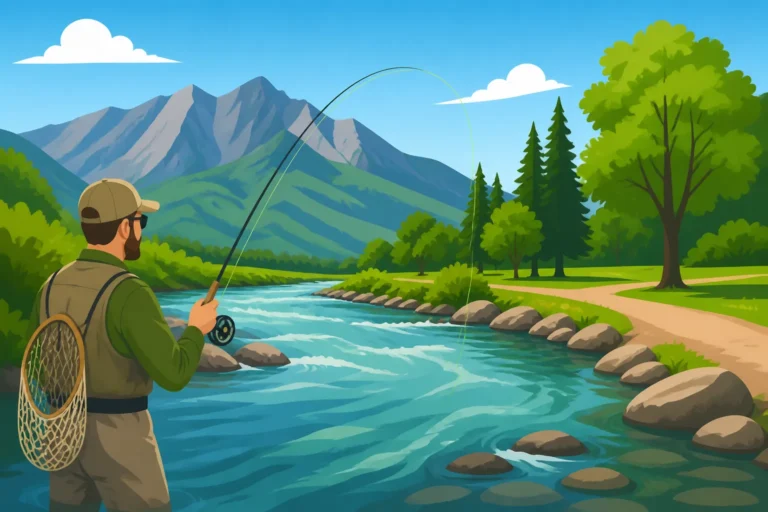
The river here is a classic Western trout stream, characterized by a mix of riffles, runs, and deeper pools. The banks can vary from open gravel bars to steep, wooded inclines. This section is heavily stocked with rainbow trout by the Utah Division of Wildlife Resources (UDWR) to complement the healthy populations of wild brown trout. It's an excellent place for both fly fishing and spin fishing. Many anglers enjoy the challenge of fishing the technical water with dry flies or nymphs, while others prefer the simplicity and effectiveness of PowerBait or worms in the deeper holes. Remember to check the Utah Fishing Regulations Explained for specific limits and rules in this area, as they can sometimes vary.
Key Public Access Points Along the Logan River
One of the biggest frustrations for anglers new to an area is figuring out exactly where they can legally and easily get to the water. The Logan River offers a fantastic mix of highly visible access points and some more discreet spots that reward those willing to explore. Understanding the lay of the land, including public versus private property, is paramount to a successful and stress-free trip.
Roadside Pull-Offs and Developed Access Sites
Throughout Logan Canyon, especially from just east of Logan city limits all the way up to Tony Grove Road, you'll find numerous opportunities to pull over and fish. Many of these are simple dirt pull-offs where anglers have been accessing the river for decades. However, there are also more developed sites managed by the U.S. Forest Service that offer vault toilets and more defined parking. These are often marked with signs.
For instance, sites like the Guinavah-Malibu Campground area, while primarily for camping, offer excellent river access. You can often find trails leading directly to the water. Further up the canyon, spots near Card Canyon Road or even just beyond the First Dam (though fishing near dams can have different regulations) provide good starting points. These spots are fantastic for a quick evening fish or for those who prefer not to hike too far. Just be mindful of parking regulations and respect any signage.
Trails and Hiking Opportunities for Secluded Fishing
If you're looking to escape the crowds and experience more solitude, the Logan River has plenty of stretches that require a bit more effort to reach but offer a much more serene experience. Several trails parallel the river or provide access points into less-frequented areas.
The Logan River Trail, for example, is a multi-use trail that follows portions of the river and can be a great way to find quieter spots. It's often shared with hikers and mountain bikers, so always be aware of your surroundings. Further upstream, as you approach the Tony Grove Lake turn-off, the river becomes more intimate, flowing through dense forest. Here, small game trails often lead to the water's edge, offering pockets of classic Brown Trout in Utah Rivers habitat where you can cast to wary fish that see fewer lures. Remember to pack light, wear sturdy boots, and consider bringing a map or GPS, as cell service can be spotty. If you're planning a more extensive hike, check out How to Pack Fishing Gear for a Backpacking Trip to Uinta Lakes for useful tips.
Navigating Regulations and Ethical Practices
Fishing on any river, especially one as cherished as the Logan, comes with a responsibility to understand and abide by the local regulations. These rules are in place to protect the fishery and ensure its health for future generations of anglers. Ignoring them can lead to hefty fines and damage the very resource we all enjoy. Beyond regulations, embracing ethical angling practices ensures you're doing your part to keep the river vibrant.
Understanding Special Regulations on Sections of the Logan River
The Logan River isn't a "one-size-fits-all" when it comes to regulations. While much of it falls under general statewide trout regulations, there are specific sections that have special rules, often pertaining to tackle (fly fishing only), catch limits, or even mandatory catch-and-release. These special regulations are typically implemented to protect wild trout populations, particularly native Bonneville cutthroat or larger brown trout.
For example, certain stretches might be designated "artificial flies and lures only" or even "fly fishing only" with strict catch-and-release policies. It is absolutely crucial to consult the most current Utah Fishing Guidebook published by the UDWR before you head out. These guidebooks are updated annually and are the definitive source for all regulations, including specific rules for waters like the Logan. You can usually find them online, at license vendors, or at local tackle shops. Understanding these nuances is key to a legal and ethical day on the water.
Respecting Private Property and Angler Etiquette
While there's plenty of public access along the Logan River, especially within the National Forest land of Logan Canyon, stretches of the lower river near Logan city and beyond flow through private property. It can be incredibly frustrating to see a promising stretch of water only to realize it's off-limits. Always be on the lookout for "No Trespassing" signs, fences, or other indicators of private land. If there's any doubt, it's best to err on the side of caution and find another spot.
When you are on public land, practicing good angler etiquette is essential. This means packing out all your trash, including discarded fishing line (which can be deadly to wildlife), respecting other anglers by giving them plenty of space, and wading thoughtfully to avoid disturbing fish or stirring up sediment unnecessarily. It also means handling fish gently, especially if you're practicing catch and release. Wet your hands before touching fish, keep them in the water as much as possible, and use barbless hooks to minimize harm. If you're unsure how to handle a fish safely, refer to How to Release a Fish Without Hurting It in Utah.
Fishing Techniques and What to Expect
The Logan River offers a fantastic classroom for various fishing techniques, and knowing which one to employ can significantly impact your success. Its diverse characteristics, from fast-moving canyon water to slower valley stretches, mean adaptability is key. Whether you're a seasoned fly angler or prefer the simplicity of spin fishing, there are ways to connect with the Logan's resident trout.
Fly Fishing the Logan River
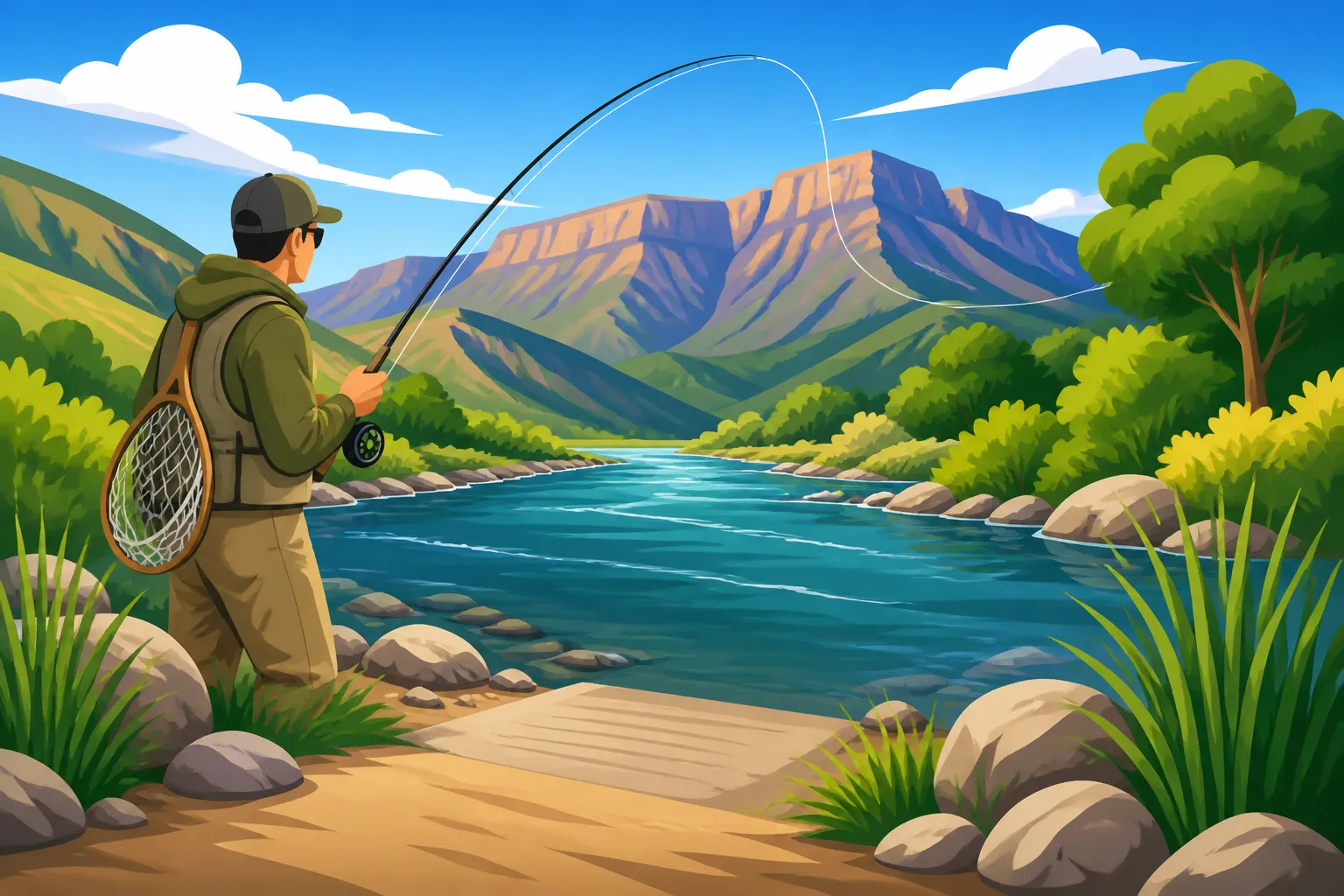
For many, the Logan River is synonymous with fly fishing. Its clear, cold waters and abundant insect life make it an ideal environment for presenting flies. The river offers opportunities for dry fly fishing during hatches, nymphing in deeper runs, and even streamer fishing for larger, more aggressive trout.
- Dry Fly Fishing: During active insect hatches (caddisflies, mayflies, stoneflies), presenting a well-matched dry fly on the surface can be incredibly effective and visually thrilling. Pay attention to what insects are flying around or floating on the water to "match the hatch." If you're new to this, local fly shops in Logan can provide invaluable advice on current hatches and recommended patterns.
- Nymphing: When fish aren't rising to surface flies, nymphing is often the most productive method. This involves drifting weighted fly patterns (nymphs) near the bottom, imitating aquatic insect larvae. Techniques like indicator nymphing or Euro nymphing are highly effective on the Logan's varied currents. Consider checking out Best Flies for Utah Trout Streams for some Logan-specific suggestions.
- Streamer Fishing: For targeting bigger brown trout, especially during lower light conditions or when the water is slightly off-color, stripping streamers can entice aggressive strikes. This technique mimics baitfish or larger insects.
Local outfitters like Angler's Den in Logan are excellent resources for local fly patterns, river conditions, and even guided trips if you want to learn the ropes. Services like FishingBooker can also connect you with experienced local guides who can put you on the best spots and teach you river-specific techniques.
Spin Fishing and Bait Fishing Strategies
While fly fishing gets a lot of attention, spin fishing and bait fishing are equally viable and often highly productive methods on the Logan River, particularly for those targeting stocked rainbow trout or even some of the more aggressive brown trout. It's a fantastic way to introduce beginners to the joy of fishing.
- Small Spinners and Spoons: Lures like Panther Martins, Mepps, or small Kastmasters are highly effective for trout in the Logan. Cast upstream and retrieve with a steady pace, allowing the current to impart natural action to the lure. Vary your retrieve speed and depth until you find what the fish are keying in on.
- Jigs: Small marabou jigs or plastic grub-tipped jigs fished under a bobber or bounced along the bottom can be incredibly effective, especially in deeper pools or slower runs.
- Bait Fishing: For stocked rainbow trout, traditional baits like PowerBait (in various colors and forms), nightcrawlers, or salmon eggs are often irresistible. Fish these on a simple slip-sinker rig or under a bobber in calmer water. Just be aware of any "artificial lures only" regulations in specific sections, as mentioned earlier. For beginners, a basic How to Fish With Bobber and Bait for Beginners guide can get you started.
- Ultralight Gear: Regardless of your lure choice, using ultralight rods and reels spooled with light line (4-6 lb test) will enhance your casting accuracy, feel for subtle bites, and overall enjoyment on the Logan.
Seasonal Considerations and Water Conditions
The Logan River, like all mountain streams, is heavily influenced by seasonal changes and water conditions. Understanding these can help you plan your trip for optimal success.
- Spring Runoff: Early spring often sees increased flows due to snowmelt, making the river high and often turbid. Fishing can be challenging during peak runoff (typically late May through early June), but it's not impossible. Fish tend to hold closer to the banks and in slower eddies. This is a good time for larger, flashier lures or worms in the canyon. Learn more about How Runoff Affects Utah River Fishing.
- Summer: As runoff subsides, the river usually settles into beautiful, clear flows. Summer offers excellent dry fly fishing opportunities, especially in the mornings and evenings. Mid-day can be slower, particularly in the lower, warmer sections.
- Fall: Many experienced anglers consider fall to be the prime season on the Logan. Crowds thin out, and brown trout become more active and aggressive as they prepare for their spawn. Streamer fishing can be exceptional during this time, and consistent nymphing will also produce.
- Winter: While challenging due to cold temperatures, winter fishing can be rewarding, especially on milder days. Fish activity slows down, but they can still be caught with nymphs, small jigs, or even bait in the deeper, slower pools. Ice fishing isn't really a thing on the river itself, but nearby lakes offer opportunities.
Table: Logan River Section Overview
| River Section | Primary Access Method | Dominant Fish Species | Recommended Techniques | Key Considerations |
|---|---|---|---|---|
| Upper Logan River | Hiking trails, forest roads | Wild Brown, Rainbow, Bonneville Cut | Fly fishing (nymphs, dries) | Remote, challenging wading, lower pressure, requires effort |
| Logan Canyon (Upper) | Roadside pull-offs, trails | Wild Brown, Rainbow | Fly fishing (all methods) | Classic trout water, moderate pressure, varied structure |
| Logan Canyon (Lower) | Roadside pull-offs, designated lots | Stocked Rainbow, Wild Brown | Fly fishing, Spin fishing, Bait | Easier access, higher pressure, some developed sites |
| Lower Logan River | Limited public access, private land | Brown Trout, some warmer water species | Spin fishing, Bait fishing | Warmer water, more challenging public access, check regulations |
Getting There and Local Resources
Planning your trip to the Logan River is more than just knowing where to fish; it’s also about how to get there, where to stay, and what local insights you can gain. Being prepared ensures a smooth and enjoyable experience on the water.
Directions and Travel Tips
The Logan River is located in Northern Utah, flowing through Cache Valley and Logan Canyon. The most common access point is via U.S. Highway 89 (also known as the Logan Canyon Scenic Byway) which runs directly alongside the river for much of its journey through the canyon.
- From Logan City: Simply head east on 400 North, which turns into US-89, and you'll quickly enter Logan Canyon. The river will be immediately visible and accessible from numerous pull-offs.
- From Bear Lake (Garden City): Travel west on US-89, descending into Logan Canyon. You'll encounter the river as you head towards Logan.
- Road Conditions: US-89 through Logan Canyon is generally well-maintained, but during winter months, it can be subject to snow and ice, or even temporary closures after heavy storms. Always check road conditions before heading out, especially if you're planning a winter trip.
Parking is generally available at designated pull-offs and campground areas. Always park safely off the main roadway and be mindful of traffic, particularly in busy canyon sections.
Local Fly Shops and Outfitters
One of the absolute best resources for fishing the Logan River, especially if you're coming from out of town, is a local fly shop or outfitter. These establishments are staffed by passionate anglers who spend countless hours on the water and know the river intimately.
In Logan, Angler's Den is a prime example. They can provide up-to-the-minute information on:
- Current river conditions (flow rates, clarity, water temperature)
- Active insect hatches and recommended fly patterns
- Effective spin fishing lures or baits
- Specific access points that are fishing well
- Regulatory updates or closures you might not be aware of
Don't hesitate to stop in, buy a few flies or lures, and strike up a conversation. Their local knowledge is priceless. They can also advise on necessary gear like Best Waders for Utah River Fishing or specific leader setups.
Guided Trips for an Enhanced Experience
If you're looking to maximize your time on the water, learn new techniques, or explore less-known stretches of the Logan River, consider booking a guided fishing trip. A local guide brings an unparalleled level of expertise, knowing exactly where the fish are holding, what they're biting on, and how to navigate the river safely and effectively.
Guides can provide all the necessary gear, teach you proper casting techniques, and offer insights into reading the water. This can be especially valuable for beginners or for experienced anglers who want to quickly dial into the Logan's nuances. Services like FishingBooker can help you find reputable local guides who specialize in the Logan River, ensuring you get a personalized and productive outing. They often know the hidden gems and can take you to spots you might never find on your own. Remember, a Utah Fishing License Guide will show you how to ensure you have the necessary license before heading out, even with a guide.
Disclaimer
Please be aware that fishing regulations, conditions, and access points can change. Always consult the latest Utah Division of Wildlife Resources (UDWR) official fishing guidebook before your trip. This content is for informational purposes only and should not be considered legal advice regarding fishing regulations or property access. Always prioritize safety and respect private property.