Best Fishing Spots at East Canyon Reservoir
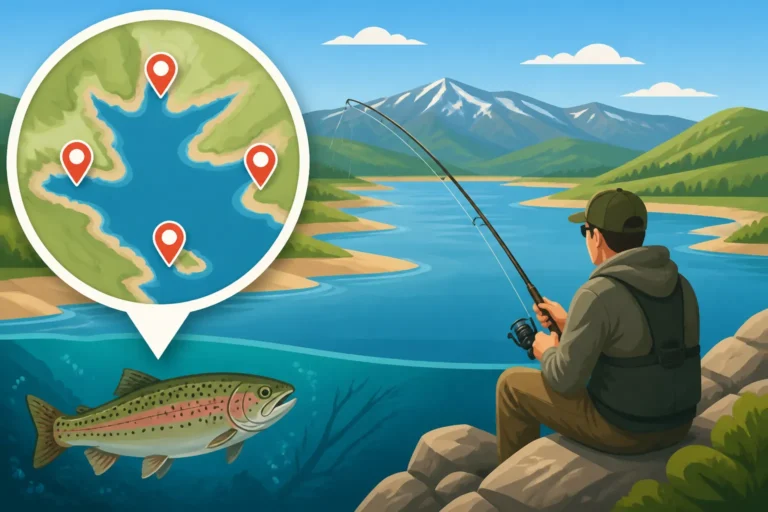
It can be incredibly frustrating to arrive at a new fishing spot, or even a familiar one you haven't visited in a while, only to feel lost about where the fish are hiding. East Canyon Reservoir, with its stunning scenery and reputation for quality trout, often leaves anglers wondering where to cast their lines for the best chance at a bite. This comprehensive guide will peel back the layers of this beautiful Utah fishery, revealing the prime locations and tactics to help you find success on its waters, whether you're fishing from shore, a boat, or through the ice.
East Canyon Reservoir at a Glance: Why Anglers Love It
Nestled amidst the Wasatch Mountains in northern Utah, East Canyon Reservoir is much more than just a pretty face. It's a true angler's paradise, boasting clear, cool waters and a thriving population of game fish that keep both seasoned veterans and eager beginners coming back year after year. The reservoir, part of the East Canyon State Park, offers not just excellent fishing but also a picturesque backdrop for all your outdoor adventures, making every trip a memorable escape from the hustle and bustle. Its relatively easy access from the Wasatch Front makes it a popular destination for a quick day trip or a longer camping excursion.
A Scenic Gem with Diverse Fish Species
East Canyon Reservoir truly shines when it comes to the variety of fish it offers. The Utah Division of Wildlife Resources (UDWR) works diligently to maintain a healthy ecosystem here, regularly stocking various trout species to ensure consistent fishing opportunities. While rainbows are often the most abundant, you'll also find some respectable brown trout, along with the aggressive tiger trout, and even some kokanee salmon that provide a unique challenge for those equipped to target them. This diversity means you can switch up your tactics and targets, keeping your fishing experience fresh and exciting every time you visit. The clear waters often allow for sight fishing on calm days, adding another layer of excitement, especially if you're targeting cruising trout near the shorelines.
The reservoir's layout, with its mix of shallow coves, rocky points, and deeper main channels, creates ideal habitats for these different species. Rainbow trout tend to cruise the upper water column and shallower areas, especially near recent stocking points. Brown trout, known for their elusive nature, prefer the cover of submerged structures and deeper, cooler waters. Tiger trout, a sterile hybrid of brown and brook trout, are aggressive predators found throughout the reservoir, often willing to chase down a well-presented lure. And for those who enjoy the thrill of targeting schooling fish, kokanee salmon offer a unique challenge, though they can be finicky. Understanding these preferences is the first step to unlocking East Canyon's full potential.
The Draw of a Year-Round Fishery
One of East Canyon's most appealing attributes is its ability to provide fantastic fishing opportunities throughout the entire year. Unlike some high-mountain lakes that become inaccessible in winter, East Canyon is a viable option for anglers looking to extend their season. From the vibrant greens of spring and summer to the golden hues of autumn and the serene whites of winter, each season offers a distinct fishing experience and often calls for different techniques. This continuous availability ensures that no matter when the fishing bug bites, East Canyon is ready to deliver.
In spring and early summer, as the water warms, fish become more active, feeding heavily near the surface and along the shorelines. This is often an excellent time for both bait and lure fishing from shore or a boat. As summer progresses and surface temperatures rise, the fish tend to move into deeper, cooler waters, making trolling and vertical jigging more effective. Fall brings cooler temperatures again, often spurring a renewed feeding frenzy, particularly among the larger trout. And when winter arrives, East Canyon transforms into a popular destination for ice fishing, drawing crowds eager to pull trout through the frozen surface. For those interested in this winter pursuit, our guide on the Utah Ice Fishing Guide() offers even more specialized tips.
Unlocking East Canyon's Best Fishing Spots
Finding the "sweet spots" at any reservoir is part science and part art. At East Canyon, knowing the general layout and where different species tend to congregate can give you a significant advantage. Whether you prefer the simplicity of shore fishing, the versatility of a boat, or the unique camaraderie of ice fishing, there are specific areas that consistently produce better results. Let's dive into these locations and discuss how to approach them effectively.
Prime Shore Fishing Access Points
For many anglers, especially those just starting out or looking for a relaxing day without the hassle of launching a boat, shore fishing is the preferred method. At East Canyon, several areas offer excellent access and consistent action, proving you don't always need a vessel to find success. If you're looking for more general strategies, our article on How to Fish From Shore in Utah() can provide a great foundation.
Imagine you've just pulled into East Canyon State Park, ready for a day of fishing, but you don't have a boat. Your best bet for shore access starts right around the dam face. This area often has deeper water close to the bank, making it a natural holding spot for trout. Anglers frequently have luck here using bait like PowerBait or worms fished on a slip-sinker rig. The structure of the dam can also create current breaks, attracting fish looking for an easy meal. Always be mindful of any signage regarding restricted areas near the dam, but generally, the public access points here are fantastic.
Moving further along the eastern and western shores, particularly within the designated day-use areas and near the various campgrounds, you'll find numerous coves and points that offer fantastic casting opportunities. These shallower coves warm up faster in the spring, attracting trout closer to the bank, and provide excellent ambush points in the fall. During the warmer months, these areas might be better fished in the early morning or late evening. Using small spoons like Kastmasters or spinners can be highly effective when fish are actively cruising these margins. The East Canyon State Park campground areas, in particular, provide easy walk-in access to some productive waters, and they are also among the Best Camping Spots Near Utah Fishing Lakes() if you're planning an overnight stay.
Boat-Access Hotspots for Deeper Water Success
If you've got a boat, a whole new world of opportunities opens up at East Canyon. Boats allow you to reach deeper waters, cover more ground, and explore submerged structures that are inaccessible from shore. This added mobility significantly increases your chances of finding larger, more elusive fish like brown trout and kokanee salmon. When launching your boat, remember to follow all Utah Boating and Fishing Rules() and be aware of any required Utah Aquatic Invasive Species Inspection Stations() you might need to visit.
The main channel that runs the length of the reservoir is a prime target for boat anglers. This deeper trench acts as a highway for fish, especially in warmer months when they seek cooler temperatures. Trolling is a highly effective method here, using flashy dodgers or flashers paired with wedding rings or small hoochies for kokanee, or larger crankbaits for brown trout. Vary your depth until you find where the fish are holding. Using a fish finder is invaluable in this area to identify schools of baitfish or larger individual fish suspended in the water column. The area near the marina and boat launch often has immediate drop-offs that are productive early in the morning.
Another key area for boat anglers involves targeting the submerged points and old creek channels throughout the reservoir. These underwater structures provide ideal ambush points and cover for larger trout. Look for areas where the depth changes rapidly, creating ledges or humps. Vertical jigging with spoons or plastic swimbaits can be incredibly effective when you locate fish holding on these structures. For instance, the northern end of the reservoir, particularly near the inlet, often holds productive structure as the old river bed snakes its way into the lake. Pay close attention to your fish finder for any irregularities on the bottom, as these often indicate prime fish habitat. Many anglers find the larger brown trout lurking in these deeper, more secluded spots, making the investment in a boat well worth it.
Ice Fishing Opportunities When the Lake Freezes
Don't hang up your fishing gear when winter hits; East Canyon Reservoir offers some of the most consistent and enjoyable ice fishing experiences in northern Utah. Once the ice is safe, typically from late December through February, anglers flock to its frozen surface. The clear ice often allows you to see fish approaching your lure, adding an extra layer of excitement to an already thrilling sport. However, always prioritize safety and check ice conditions before venturing out. For more in-depth knowledge, refer to our comprehensive Utah Ice Fishing Guide().
The most popular and often most productive ice fishing spots at East Canyon are generally concentrated near the main boat ramp and marina area, as well as the wider, shallower coves on the reservoir's western side. These areas offer relatively easy access from parking lots and tend to have consistent ice formation. Fish will often cruise these areas, especially early and late in the day. Many anglers find success by drilling a series of holes and actively moving between them until they locate a school of fish. Small jigs tipped with mealworms, wax worms, or a piece of PowerBait are perennial favorites for catching rainbow and tiger trout through the ice.
Another hotspot during the ice fishing season is the deeper water near the dam face, similar to its appeal for open water shore fishing. This area can hold larger trout that prefer the stable, deeper water during winter. Here, employing a dead stick with a larger bait (like a whole nightcrawler or a small sucker minnow, if legal) can entice the bigger browns or even a lake trout if they are present. Meanwhile, actively jigging a heavier spoon or a vertical jigging rapala in adjacent holes can attract curious fish. Keep an eye on your portable fish finder to detect fish suspended at various depths, as their patterns can change throughout the day. The clear ice often requires a stealthier approach; sometimes, simply kneeling by your hole can reduce spooking fish below.
Targeting East Canyon's Prized Catches: Species-Specific Strategies
Knowing where to fish is only half the battle; understanding what you're fishing for and how to entice it is the other crucial piece of the puzzle. East Canyon is home to several popular game fish, each with its own preferences and behaviors. Tailoring your approach to the specific species you're targeting will dramatically increase your success rate.
Rainbow Trout: The Go-To for Consistent Action
Rainbow trout are the bread and butter of East Canyon fishing, making up the bulk of the catch for most anglers. They are regularly stocked by the UDWR, ensuring a healthy and accessible population, especially for those looking for consistent action. These beautiful, hard-fighting fish are relatively aggressive and can be caught using a wide variety of methods, making them an excellent target for anglers of all skill levels. If you're generally seeking advice, our article on Utah Trout Fishing Tips() provides many foundational strategies that apply here.
When targeting rainbow trout at East Canyon, think shallow to mid-depth waters, especially early in the season or during cooler parts of the day. They love to cruise along shorelines, around points, and near weed beds (when present). From shore, classic bait setups using PowerBait (chartreuse, rainbow, or garlic scents are often deadly) or worms fished off the bottom with a short leader are incredibly effective. A small marshmallow can be added to float the bait just off the bottom. These simple presentations are often all it takes to hook into a hungry rainbow, particularly after recent stocking events.
Boat anglers can find rainbows throughout the reservoir. Trolling with small spoons like Needlefish or Triple Teazers, or even small Rapala-style crankbaits, can cover a lot of water and entice actively feeding fish. Vary your trolling speed and depth until you hit the strike zone. When the fish are more concentrated, vertical jigging with small lead-head jigs tipped with bait or a soft plastic grub can also produce excellent results. Remember that these trout are often stocked, and can be quite eager to bite, making them a fantastic target for a family outing. For specific insights into the prevalence of these fish, check out our guide on Rainbow Trout in Utah Reservoirs().
Brown Trout: Elusive Giants Lurking in Structure
Brown trout are the true trophies of East Canyon, known for their cunning nature, impressive size, and powerful fights. Unlike their rainbow counterparts, brown trout are more solitary and prefer to hide in darker, more structured environments. They are ambush predators, often holding tight to submerged timber, rocky drop-offs, or deeper ledges, waiting for an unsuspecting meal to swim by. Catching a big brown trout at East Canyon requires patience, stealth, and a keen understanding of their habits. You can learn more about these fascinating fish by reading our detailed article on Brown Trout in Utah Rivers() and applying the principles to a reservoir setting.
To target these elusive giants, focus your efforts on the deeper, rockier sections of the reservoir, particularly during low light conditions like dawn, dusk, or even at night. Brown trout are less active during the bright midday sun and will retreat to their protective cover. Boat anglers have a distinct advantage here, as they can accurately position themselves over submerged structure and use electronics to pinpoint areas where browns might be hiding. Trolling larger crankbaits that imitate baitfish, such as Rapalas or similar jerkbaits, along contour lines or over underwater points can be highly effective. The key is to get your lure down to their depth and present it in a way that triggers their predatory instincts.
For shore anglers targeting brown trout, look for areas with deep water access and abundant rock cover, especially near the dam or steeper banks. Casting larger spoons, like a Daredevil, or a heavier soft plastic grub rigged on a jig head can sometimes entice a strike. Live bait, such as a nightcrawler or a chub (if legal and sourced properly), fished on the bottom can also be deadly for browns. Remember, brown trout are often less numerous than rainbows, so don't get discouraged if you don't hook one immediately. The reward of landing one of East Canyon's big browns is well worth the persistent effort.
Tiger Trout and Kokanee Salmon: Unique Challenges and Rewards
While rainbow and brown trout dominate the catch reports, East Canyon also offers exciting opportunities for anglers willing to pursue its more unique inhabitants: tiger trout and kokanee salmon. Each of these species presents its own set of challenges and demands a slightly different approach, adding another layer of depth to your East Canyon fishing experience.
Tiger trout, a strikingly beautiful and aggressive hybrid, are present throughout East Canyon and can be a fantastic bonus catch. They tend to be more predatory than rainbows and will readily strike at lures, especially spinners, spoons, and small jerkbaits. They often roam the same areas as rainbows but might be found slightly deeper or closer to structure, similar to brown trout. If you're consistently catching rainbows, keep trying different retrieves and lure sizes, as a tiger trout might be the next fish to strike. Their aggressive nature makes them a thrilling fish to hook, providing a strong fight and often leaping clear of the water.
Kokanee salmon, on the other hand, are a whole different ballgame. These landlocked sockeye salmon are plankton feeders, making them incredibly finicky and challenging to catch. They are almost exclusively targeted by boat anglers using specialized trolling techniques, particularly with downriggers or lead core line to get small dodgers, flashers, and tiny hoochies or wedding rings down to their preferred depths. Kokanee typically school in open water, often suspending in the water column far from any structure. A good fish finder is essential for locating these schools. While they might be harder to find, the vibrant red flesh and delicious taste of kokanee make them a highly prized catch for those who master the technique. Our dedicated Utah Kokanee Salmon Guide() dives deep into the specific strategies needed for these elusive fish.
Essential Tips for a Successful East Canyon Fishing Trip
Beyond knowing the best spots and specific tactics for each species, a truly successful fishing trip to East Canyon Reservoir involves understanding the regulations, adapting to seasonal changes, and having the right gear. A little preparation goes a long way in ensuring a memorable and hassle-free experience on the water.
Navigating Regulations and Access
Before you even tie a knot, it's absolutely crucial to be familiar with the local fishing regulations. Utah's fishing rules are designed to protect fish populations and ensure sustainable angling for everyone. This means always carrying a valid Utah fishing license. You can find all the necessary details and purchase your license through our guide on the Utah Fishing Regulations Explained(). These regulations cover everything from daily bag and possession limits for each species to specific gear restrictions and bait usage. For instance, knowing the current limits on trout or kokanee is paramount to avoid fines.
Beyond fishing licenses, if you plan to use a boat, you’ll also need to ensure it's properly registered and equipped with all required safety gear. Our resource on Utah Boating and Fishing Rules() outlines everything from life jacket requirements to fire extinguishers and proper lighting. Furthermore, Utah has strict regulations regarding aquatic invasive species, particularly Quagga and Zebra mussels. All boats, kayaks, and paddleboards that have been in another water body must undergo an inspection, and sometimes decontamination, before launching into East Canyon. Be prepared to stop at any Utah Aquatic Invasive Species Inspection Stations() you encounter on your way to the reservoir to ensure compliance and help protect Utah's precious waters.
Seasonal Considerations for Peak Performance
The time of year you visit East Canyon will dramatically influence not only where the fish are but also what techniques will be most effective. Fish behavior is heavily dictated by water temperature, available food, and spawning cycles. Understanding these seasonal shifts is key to consistent success. Our comprehensive guide on the Best Time of Year to Fish in Utah() offers a broader perspective, but here’s how it applies specifically to East Canyon.
- Spring (April-May): As the ice melts and water temperatures rise, fish become incredibly active. Rainbow trout will be cruising the shallower coves and shorelines, eager to feed after a long winter. This is prime time for shore anglers using PowerBait, worms, or small spinners. Boat anglers can find success trolling shallow to mid-depths. Watch out for spring runoff from incoming streams, which can muddy waters and make fishing challenging in certain areas.
- Summer (June-August): As surface temperatures climb, fish, especially trout, will seek deeper, cooler water. This is when boat fishing with downriggers or lead core line becomes essential for targeting suspended fish in the main channel. Early morning and late evening bites near shore can still be productive, but midday action will be slower. This is also a good time for targeting brown trout on deeper structure.
- Fall (September-November): Cooler water temperatures reignite a feeding frenzy as fish prepare for winter. Trout move back into shallower areas, and both shore and boat fishing can be exceptional. Trolling for kokanee can be particularly good as they begin to stage for their spawn, although they become harder to catch as their biological clock takes over. This can be one of the most beautiful and productive times to fish East Canyon.
- Winter (December-March): Once safe ice forms, East Canyon becomes an ice fishing haven. Rainbow and tiger trout are the primary targets, often caught jigging with small spoons or bait. The consistent temperatures under the ice make for predictable fishing if you can locate the schools. Always prioritize safety and check ice thickness before venturing out.
Gear Up for East Canyon
Having the right gear makes all the difference in turning a frustrating day into a fantastic one. While you don't need the most expensive equipment, having reliable rods, reels, line, and terminal tackle suited for the types of fish and conditions at East Canyon will greatly improve your experience. Our general guide on Best Fishing Rods for Utah Anglers() offers a good starting point for selecting your primary setup.
For general trout fishing, a medium-light action spinning rod between 6 to 7 feet paired with a matching spinning reel spooled with 4-6 lb monofilament or fluorocarbon line is a versatile choice. This setup is perfect for casting light baits from shore or handling smaller lures from a boat. If you're specifically targeting larger brown trout or trolling for kokanee, you might consider a slightly heavier rod or a setup designed for trolling, which can handle deeper lines and bigger lures. Don't forget a selection of essential terminal tackle, including hooks (sizes 8-12 for trout), sinkers (split shot and sliding sinkers), swivels, and a variety of baits and lures. PowerBait, nightcrawlers, small spinners (like Mepps or Rooster Tails), and spoons (Kastmasters, Daredevils) should definitely be in your tackle box.
Beyond rods and reels, consider accessories that enhance comfort and safety. A good pair of polarized sunglasses will help you spot fish and protect your eyes. Sunscreen, a hat, and appropriate layers of clothing are essential for Utah's variable weather. If boating, a reliable fish finder can be a game-changer for locating schools of fish and understanding underwater structure. And for those planning a guided trip or looking for local insights into current conditions and best tactics, services like FishingBooker can connect you with experienced local guides who often provide all the necessary gear and invaluable knowledge about East Canyon's hot spots. They offer a great way to learn the ropes and ensure you're using the most effective methods for the day.
| Fishing Location | Primary Species Targeted | Best Season | Recommended Technique | Key Gear/Bait |
|---|---|---|---|---|
| Dam Face/Steep Banks | Rainbow Trout, Brown Trout | Spring, Fall, Winter Ice | Shore: Bait (PowerBait, worms), Spoons; Boat: Jigging, Trolling | Medium-light spinning rod, PowerBait, Kastmaster, Jigs |
| Shallow Coves/Points | Rainbow Trout, Tiger Trout | Spring, Fall | Shore: Bait, Spinners; Boat: Trolling shallow | Light spinning rod, Worms, Rooster Tails, Small spoons |
| Main Channel/Deep Water | Rainbow Trout, Brown Trout, Kokanee | Summer, Winter Ice | Boat: Trolling (downriggers), Vertical Jigging; Ice: Jigging, Tip-ups | Medium action rod, Crankbaits, Dodgers/Hoochies, Spoons, Fish Finder |
| Inlet Area | Rainbow Trout, Brown Trout | Spring, Fall | Shore: Bait, Lures; Boat: Drifting, Jigging | Light to medium rod, Worms, Spinners, Small crankbaits |
Disclaimer
The information provided in this guide is for general informational purposes only and is based on common fishing practices and available public knowledge. Fishing conditions, regulations, and fish populations can change frequently. Always consult the most current Utah Division of Wildlife Resources (UDWR) regulations before fishing. Exercise caution and common sense when on or near the water, and prioritize safety above all else. Neither the author nor the publisher assumes any liability for accidents, injuries, or other negative consequences that may arise from following the advice contained herein.