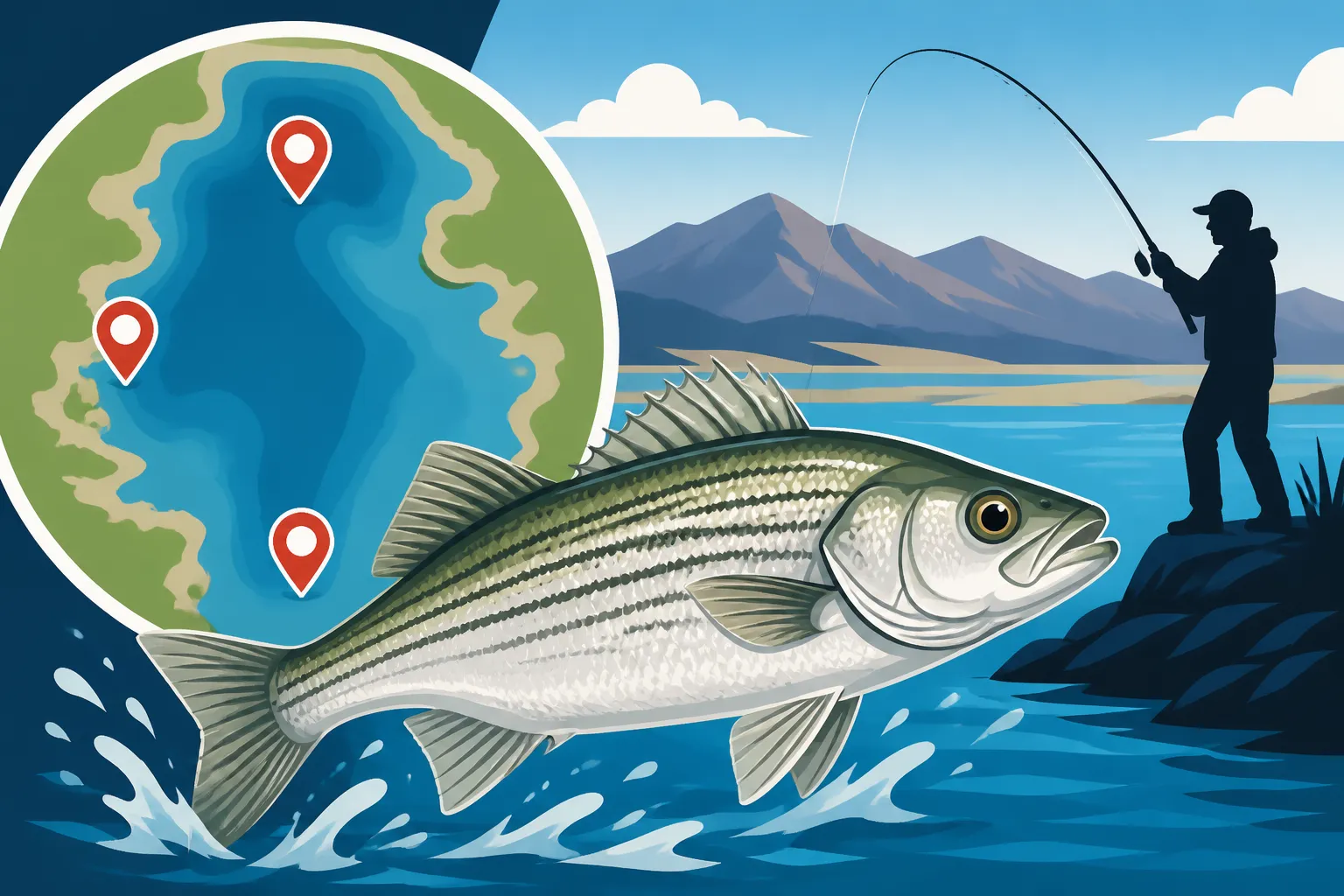
Where to Catch Wiper at Willard Bay
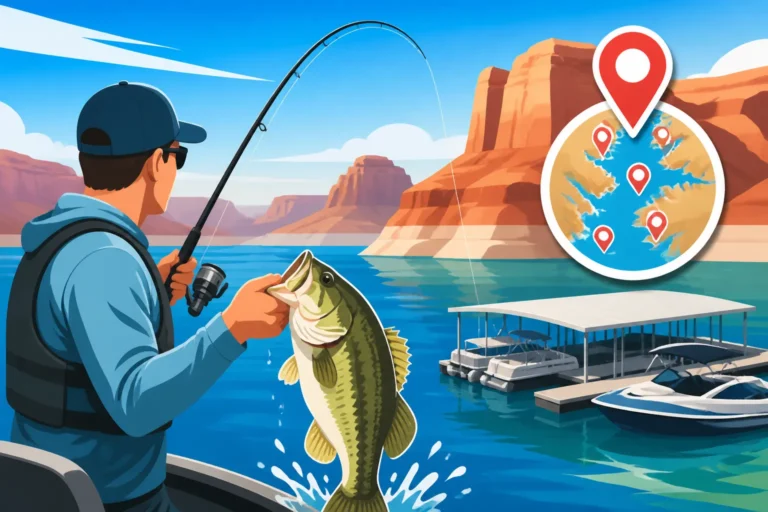
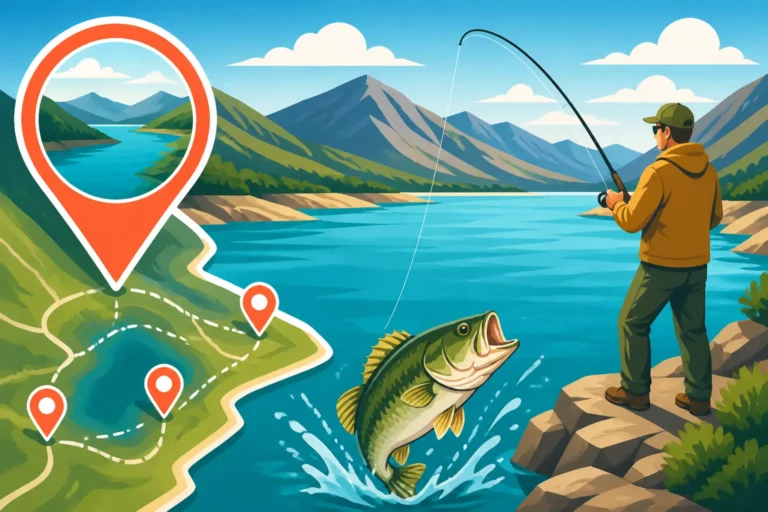
Trying to pinpoint the best spots for wiper at Willard Bay can feel like a real treasure hunt, especially when you’re staring out at that vast expanse of water and wondering where to even begin. You know they're in there, those hard-fighting hybrids, but finding their hideouts can be a challenge. This guide is dedicated to breaking down exactly where and how to target wiper at Willard Bay, so you can spend less time guessing and more time reeling in those trophy fish.
Understanding Wiper Dynamics at Willard Bay
Wiper, or hybrid striped bass, are a fantastic sport fish known for their aggressive strikes and powerful fights. They're a cross between white bass and striped bass, and they thrive in the open waters of Willard Bay. Understanding their behavior and why they've become such a popular target here is key to consistently finding them.
Why Wiper Love Willard Bay
Willard Bay is a perfect habitat for wiper for several reasons. First, it’s a large, relatively shallow freshwater reservoir that warms up nicely in the summer, which these fish appreciate. More importantly, it has an abundant forage base. Wiper are opportunistic predators, and Willard Bay is teeming with shad and other baitfish, which constitute the primary diet for these hungry hybrids. This rich food source allows them to grow large and healthy, often reaching impressive sizes that make for exciting angling. The open water environment also gives them plenty of room to roam, chasing down schools of bait.
Moreover, the lack of extensive submerged structure, compared to some other reservoirs, means that wiper often relate more to baitfish schools and temperature breaks than to specific underwater trees or rock piles. This can make them a bit more predictable if you know what to look for, especially with the aid of modern electronics. Understanding Wiper Hybrid Striped Bass in Utah is crucial for anticipating their movements and feeding patterns across the reservoir.
Wiper Behavior and Feeding Patterns
Wiper are pelagic fish, meaning they typically inhabit the open water column rather than hugging the bottom or dense cover. They are highly migratory, constantly moving to follow schools of baitfish. This means that a spot that was hot one day might be completely barren the next, which can be frustrating if you're not prepared to move with them.
Their feeding patterns are often tied to light levels and water temperature. Early mornings and late evenings, as well as overcast days, are often prime times when wiper are actively hunting near the surface. During bright, sunny midday hours, they tend to drop deeper, seeking cooler water and ambushing baitfish from below. You'll often find them schooling, sometimes in massive numbers, and when they decide to feed, it can be an explosive event. Look for "boils" or disturbed water on the surface, which indicate a school of wiper driving baitfish upwards. This surface activity is a dead giveaway that you've found a honey hole.
Top Fishing Zones for Wiper at Willard Bay
Willard Bay has several key areas that consistently produce wiper. While these fish are always on the move, certain characteristics of these zones tend to attract them more reliably. Knowing these general areas will significantly increase your chances, whether you’re fishing from a boat or shore.
Northern and Western Shores
The northern and western shores of Willard Bay, particularly around the marinas and causeways, are often excellent starting points. These areas tend to have slightly deeper water close to shore and can concentrate baitfish, which in turn attracts wiper. The Willard Bay State Park marina area, for instance, offers good access and has a reputation for holding fish, especially during lower light conditions. While boat access is excellent here, shore anglers can also find success casting from the banks and jetties.
During warmer months, the longer, straighter stretches of the western shore, which are exposed to prevailing winds, can create current and chop that baitfish love, making them prime hunting grounds for wiper. I've had many days where a slight chop on the water was all it took to get the wiper fired up. When fishing from a boat, you might consider using a reputable service like FishingBooker to connect with a local guide who knows the specific honey holes along these stretches and can put you right on the fish, saving you valuable time.
The Causeway and Dike Areas
The causeway that divides portions of Willard Bay, as well as the main dikes, are fantastic spots for wiper. These structures act as natural funnels and current breaks, concentrating baitfish and providing ambush points for predators. The deeper water along the dike walls can be particularly productive, especially for boat anglers who can effectively work these contours. Shore anglers also have excellent access along many sections of the dikes.
One of the real advantages of fishing these areas is the predictability of the structure. Even when wiper are not actively boiling on the surface, they'll often cruise these edges, waiting for an easy meal. Trolling parallel to the dikes or casting crankbaits and swimbaits along their length can be incredibly effective. Pay attention to any points or irregularities in the dike structure, as these subtle features can hold even more fish. Just remember to be mindful of Utah Boating and Fishing Rules when navigating around these structures.
Mid-Lake Flats and Open Water
While the shorelines and dikes are great, some of the best wiper fishing at Willard Bay happens out in the open water. Wiper will often school up over the vast mid-lake flats, especially when targeting dispersed baitfish. Finding these schools can be challenging without good electronics, but when you do, the action can be phenomenal.
Look for areas with slight depth changes, submerged humps, or even just large concentrations of bait on your fish finder. These are the places where wiper will often corral baitfish before launching their attacks. Trolling wide search patterns with crankbaits or large spoons is a common tactic here, allowing you to cover a lot of water until you connect with a school. Once you hit a fish, be ready for more, as schools often hold dozens, if not hundreds, of active wipers. This is where a good understanding of How Wind Affects Fishing on Utah Reservoirs comes into play, as wind can push bait and fish into predictable patterns across these open flats.
Here’s a quick overview of these prime Willard Bay wiper zones:
| Fishing Zone | Primary Access Type | Key Features | Best Conditions / Time |
|---|---|---|---|
| Northern & Western Shores | Boat, Shore | Marinas, jetties, deeper water near shore | Early morning, late evening, overcast days |
| The Causeway & Dikes | Boat, Shore | Structure, current breaks, baitfish funnels | All day, especially when fish are cruising edges |
| Mid-Lake Flats & Open Water | Boat | Large bait schools, subtle depth changes, humps | When fish are dispersed, often requires electronics to locate |
Best Times and Conditions for Wiper
Timing is everything when it comes to wiper fishing at Willard Bay. While they can be caught year-round, certain seasons, times of day, and weather patterns significantly increase your chances of success. Understanding these factors will help you plan your trips effectively.
Seasonal Hotspots and Patterns
Spring (April-May): As water temperatures begin to rise, wiper become increasingly active. They'll often move into shallower areas, especially along the northern and western shores, to feed aggressively after the colder winter months. This is a fantastic time for shore anglers as well as boaters. The fish are hungry and often less wary.
Summer (June-August): Summer is arguably the most popular time for wiper fishing at Willard Bay. The fish are highly active, and you'll frequently see spectacular surface boils, especially during the early morning and late evening hours. Midday can still be productive, but the fish will often be deeper. This is when trolling and searching the open water flats really shines. Remember that the summer sun can be intense, so fishing during Best Time of Day to Fish in Summer Heat in Utah will require specific strategies.
Fall (September-October): Fall fishing for wiper can be exceptional. As water temperatures start to drop, the fish go on a major feeding binge to bulk up for winter. They remain active and often closer to the surface, making for some intense action. This can be one of the best times for trophy-sized wiper.
Winter (November-March): Ice fishing for wiper at Willard Bay is also popular, though it requires specific techniques. Wiper will typically hold in deeper basins during winter, but they can still be caught through the ice with vertical jigging presentations. Always exercise extreme caution on the ice.
Daily Rhythms and Weather Impacts
Early Morning and Late Evening: These are prime times for wiper. The lower light conditions allow them to hunt more effectively, and they'll often move shallower or closer to the surface to chase bait. If you're targeting surface boils, these are the windows you absolutely cannot miss.
Overcast Days: Cloudy or stormy days often extend the prime feeding window for wiper throughout the day. The reduced light penetration keeps them active and less inclined to retreat to deeper water.
Windy Conditions: Don't let a bit of wind scare you away! Moderate winds can actually improve wiper fishing. The chop on the water breaks up light penetration, makes it harder for baitfish to see predators, and can push baitfish into concentrated areas. Just be sure your boat is properly anchored or you're equipped to handle the waves. Knowing How to Anchor a Boat in Wind on a Utah Reservoir is vital here. Heavy winds, however, can make boat control difficult and create unsafe conditions.
Water Temperature: Wiper are sensitive to water temperature. They generally prefer temperatures in the 60s and low 70s Fahrenheit, but they will actively feed in a wider range. Monitoring water temperature can help you predict their depth and activity levels. For instance, if the surface is too warm, they'll be deeper.
Essential Gear and Techniques for Wiper
Catching wiper at Willard Bay requires the right equipment and a few refined techniques. These fish are strong fighters, so you'll want gear that can handle the abuse and baits that effectively mimic their natural forage.
Recommended Rods, Reels, and Line
For wiper, you'll want a medium-heavy to heavy action spinning or baitcasting rod, typically 6'6" to 7'6" in length. This setup provides the backbone needed to cast heavier lures and, more importantly, to wrestle a hard-fighting wiper. A fast-action tip is also beneficial for detecting subtle bites and setting the hook quickly.
Pair your rod with a durable reel. A spinning reel in the 3000-4000 size range or a baitcasting reel with a good drag system is ideal. Wiper make powerful runs, so a smooth, reliable drag is non-negotiable.
When it comes to line, 15-20 lb braided line is a popular choice for its strength, sensitivity, and casting distance. You can then add a fluorocarbon leader (15-20 lb) of about 2-4 feet for abrasion resistance and reduced visibility in the water. For more details, consider checking out articles like Best Fishing Line for Utah Bass, as wiper share many characteristics with bass in terms of fighting and preferred line types.
Top Lures and Baits for Wiper
Wiper are aggressive fish, and they respond well to lures that imitate shad and other baitfish. Here are some proven options:
- Spoons: Casting spoons like Kastmasters, Pixees, or Krocodiles in silver, chrome, or blue/silver patterns are highly effective. They cast a mile and have a fantastic flutter on the retrieve, mimicking injured baitfish. Jigs with a spoon profile also work well when vertically jigging in deeper water.
- Crankbaits: Deep-diving crankbaits in shad or chrome patterns are excellent for trolling or casting to fish holding deeper. Lipless crankbaits, like a Rat-L-Trap, are also deadly when burned back through schooling fish. For general advice, consider exploring Best Lures for a Utah Tackle Box to ensure you have a versatile selection.
- Swimbaits: Soft plastic swimbaits, either rigged on a jig head or fished on an Alabama rig, are incredibly realistic and can be irresistible to wiper. Look for paddle-tail swimbaits in white, silver, or pearl colors.
- Topwater Lures: When wiper are actively boiling on the surface, topwater lures like poppers, walking baits (e.g., Zara Spook), or prop baits can create explosive strikes. This is arguably the most exciting way to catch them!
- Live Bait: While artificial lures are often preferred, live shad or large minnows can be extremely effective, especially when fished under a bobber or free-lined near schooling fish. However, always be aware of Utah Bait Fish Rules for Live Bait to ensure you're compliant.
Effective Fishing Techniques
Casting and Retrieving: This is the most common method. Cast your lure towards any visible surface activity or likely holding areas. Experiment with retrieve speeds. Wiper often prefer a fast, erratic retrieve, but sometimes a slower, more deliberate presentation is needed. Vary your retrieve until you figure out what they want on a given day.
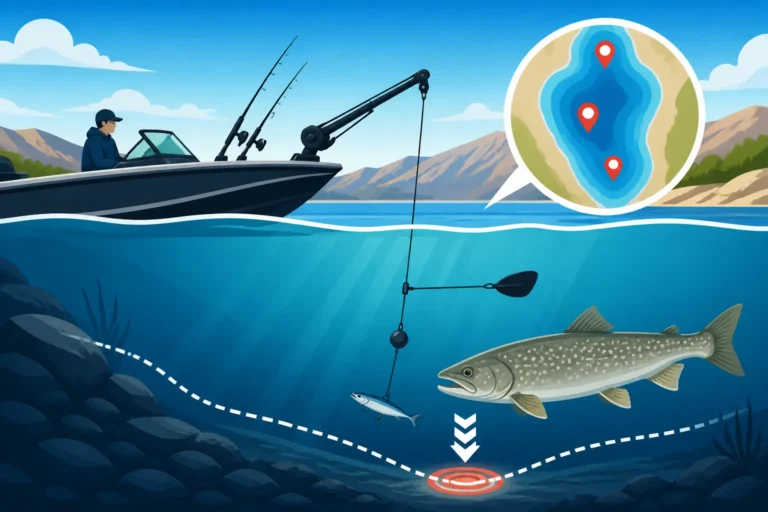
Trolling: Trolling crankbaits or large spoons is a great way to cover large expanses of open water, especially over the mid-lake flats. Use a GPS to maintain a consistent speed, typically 2-4 mph, and try to run your lures at depths where you're seeing baitfish or wiper on your fish finder. A good fishing guide booked through a platform like FishingBooker will often have multiple lines out at different depths and with various lures to quickly determine the most productive presentation.
Vertical Jigging: When wiper are holding deep, often during the colder months or bright midday sun, vertical jigging metal spoons or heavy jigs can be very effective. Use your fish finder to locate schools, then drop your lure directly into them, working it with sharp lifts and drops.
Sight Fishing Boils: This is the Holy Grail of wiper fishing. Keep a keen eye on the water for any signs of surface activity – splashing, jumping baitfish, or diving birds. When you see a boil, motor or troll quickly but quietly into casting range and throw topwater lures or fast-retrieving spoons directly into the chaos. The bites will be instantaneous and violent!
Navigating Willard Bay and Access Points
Willard Bay is a large body of water, and knowing your way around, including where to launch and relevant regulations, is crucial for a successful and safe trip.
Boat Launch and Marina Facilities
Willard Bay State Park offers several well-maintained boat ramps and marina facilities. The two main access points are at the north and south ends of the bay.
- North Marina: Located on the north side of the reservoir, this marina offers multiple launch lanes, ample parking, and often a convenience store or bait shop. It provides excellent access to the northern and western shores, as well as the mid-lake flats.
- South Marina: Situated on the south end, this launch also provides good access and facilities. It's often a bit calmer on windy days, depending on the wind direction.
Both marinas are generally well-equipped, but it's always a good idea to check current conditions and hours of operation before you head out. Remember that Utah Aquatic Invasive Species Inspection Stations are mandatory at many launch points to prevent the spread of harmful species like quagga mussels. Getting an inspection helps protect Utah's valuable fisheries.
Shore Fishing Opportunities
If you don't have a boat, don't worry! Willard Bay offers excellent shore fishing opportunities, especially along the causeways and dikes. The Willard Bay State Park area itself has several accessible points where you can cast from the bank. The dike on the western side, running for miles, provides vast stretches of fishable water.
When shore fishing, focus on areas where deeper water is accessible from shore, or where there are any points or irregularities that might concentrate fish. Early mornings and evenings are often best, as wiper may come closer to the bank to feed. Pack light, be prepared to walk, and bring a good pair of polarized sunglasses to spot any cruising fish or bait schools.
Safety and Regulations for Willard Bay Anglers
No matter how experienced you are, safety should always be your top priority, especially on a large body of water like Willard Bay. Familiarizing yourself with state regulations is also essential for a responsible and enjoyable fishing trip.
Essential Safety Tips
Willard Bay can get rough quickly with strong winds, so always check the weather forecast before heading out. Here are a few critical safety tips:
- Wear a Life Jacket: This isn't just a recommendation; it's a requirement in many situations, especially for children. It's always a good idea to wear one while on the water, no matter your age or swimming ability.
- Tell Someone Your Plan: Let a friend or family member know where you're going, when you expect to return, and who is with you.
- Carry Communication Devices: A fully charged cell phone (in a waterproof bag) or a marine radio can be a lifesaver in an emergency.
- Watch the Weather: Sudden storms can pop up, bringing high winds and dangerous waves. If you see dark clouds or feel the wind picking up, head for shore immediately.
- Stay Hydrated and Protected from the Sun: Especially during summer, dehydration and sunburn can quickly ruin a trip. Bring plenty of water, wear sunscreen, a hat, and appropriate clothing.
- Know Your Boat: Ensure your boat is in good working order and you have all required safety equipment, as outlined in Utah Boating and Fishing Rules.
Fishing Licenses and Regulations
Before you even make your first cast, you need a valid Utah fishing license. You can purchase these online, at most sporting goods stores, or through authorized vendors. For details on how to get one, check out How to Buy a Utah Fishing License.
Specific regulations for wiper at Willard Bay, including daily bag and possession limits, can change, so always consult the current Utah Fishing Guidebook published by the Utah Division of Wildlife Resources (DWR). This guidebook is your ultimate resource for all Utah Fishing Regulations Explained. Pay close attention to any special regulations for Willard Bay itself, as some waters have unique rules that differ from general statewide limits. Being informed ensures you're fishing legally and contributing to the conservation efforts that keep Willard Bay such a fantastic fishery.
Disclaimer
Please remember that fishing conditions, regulations, and fish behavior can change rapidly. Always consult the most current Utah Fishing Guidebook from the Utah Division of Wildlife Resources (DWR) before heading out. Local conditions can vary, and it's always a good idea to check recent fishing reports or consult with local tackle shops for the most up-to-date information. Fishing involves inherent risks; always prioritize safety on the water.