Where to Fish the Logan River
It can feel overwhelming trying to figure out where to cast a line on a river like the Logan, especially when you're facing miles of winding water, thick riparian zones, and varying access points. You want to make the most of your time, but knowing which stretches hold the best fish or offer the easiest access can be a real head-scratcher. This guide is here to untangle those complexities, walking you through the Logan River's prime fishing zones, what makes each unique, and the best ways to approach them for a successful day out.
Getting to Know the Logan River's Diverse Character
The Logan River is a true gem in Northern Utah, a dynamic waterway that transitions from high-mountain freestone stream to a more managed, and eventually urban, environment. This means that depending on where you drop in, you're going to encounter vastly different fishing experiences. Understanding these distinct personalities is key to unlocking its secrets and finding the perfect spot for your angling adventure.
The Upper River and Logan Canyon Stretches
As the Logan River tumbles down from the Bear River Range and through the picturesque Logan Canyon, it presents a classic mountain trout stream experience. Here, the river is often smaller, faster, and more intimate, characterized by riffles, runs, and small pocket water nestled amongst the pines and aspens. Access in the very upper reaches can be a bit more challenging, often requiring some hiking away from the main road, but the reward is often a chance at wild, feisty trout that haven't seen as much pressure.
This section of the river is primarily fed by snowmelt and mountain springs, meaning its water levels can fluctuate significantly with the seasons. During spring runoff, the water can be high and turbid, making fishing tough, but by late spring and into summer, it often clears and settles into prime conditions. You'll find a healthy mix of fish species here, predominantly various trout. Many anglers find the peace and quiet of these upper canyon stretches to be a huge draw, offering a more secluded and wilder fishing experience compared to areas closer to town. If you're looking for an escape and don't mind a little legwork, this is where you'll find it.
The Middle River and Managed Sections
As the Logan River exits the tight confines of Logan Canyon and approaches the valley floor, its character begins to change. This "middle" section includes areas around the canyon mouth and extends into the fringes of Logan City. Here, the river widens, slows in places, and interacts more directly with human infrastructure, including small dams (like First Dam, Second Dam, and Third Dam, which are more accurately small reservoirs or ponds fed by the river). While these "dams" themselves are popular, highly accessible spots, the river channel connecting and surrounding them still offers fantastic opportunities.
These stretches are often more heavily stocked by the Utah Division of Wildlife Resources (UDWR) with rainbow trout, complementing the wild populations of brown trout and native Bonneville cutthroat trout that also inhabit these waters. This makes them excellent choices for anglers of all skill levels, from beginners hoping to catch their first fish to seasoned pros seeking consistent action. The accessibility from Highway 89 is fantastic, with numerous pull-offs and designated access points, making it easy to jump in and out. Be prepared for more company here, especially on weekends, as these spots are popular for a reason! For those seeking specific advice on obtaining licenses, our guide on Utah Fishing License Guide can walk you through the process.
The Lower River and Urban Outskirts
Once the Logan River flows past the core of Logan City, it continues its journey through agricultural lands and more suburban environments before eventually joining the Bear River. This lower section is often overlooked by anglers who prefer the canyon's wilder feel, but it can still offer productive fishing, particularly for those willing to explore. The river here becomes wider and slower, with more sediment and less obvious structure compared to upstream.
While trout populations may not be as dense or as wild as in the canyon, you can still find good numbers of brown and rainbow trout, often larger specimens that have grown accustomed to the slower flows and different forage opportunities. Additionally, warmer water species like carp and suckers become more prevalent. Access might be less formalized, often requiring walking along public easements or seeking permission on private lands. However, the reward can be solitude and the chance to hook into a surprisingly large fish that few others target.
Prime Fishing Zones and Access Points
Now that we understand the Logan River's various personalities, let's dive into some specific zones and access points that have proven to be productive for anglers. Each spot offers a slightly different experience, catering to various fishing styles and preferences.
Logan Canyon Upper Reaches: Wild Trout Territory
Deep within Logan Canyon, particularly above the areas most frequented by recreational users, you'll find the river in its most pristine state. Look for turn-offs leading to campgrounds, trailheads, or simply wider shoulders along US-89 where you can safely pull off and explore. One excellent general area is around the turnoff for Tony Grove Road (FS-007), though you'll want to fish the main river, not Tony Grove Lake itself. Here, the river snakes through dense forests, offering plenty of shade and cover for fish.
These stretches are characterized by classic pocket water, small riffles, and deeper pools formed by fallen logs and rock formations. You'll be targeting wild rainbow trout and brown trout, with the occasional Bonneville cutthroat. Because the fish here are wild and can be a bit more wary, stealth and a good presentation are crucial. Many anglers prefer fly fishing in these upper reaches, utilizing dry-dropper rigs or nymphing techniques to probe the pockets. Remember to check Utah Fishing Regulations Explained for specific rules, as some sections might have special designations. If you're looking for a peaceful day surrounded by nature, this is your zone.
The "Three Dams" Area: Accessible and Productive
Moving down the canyon, closer to the city of Logan, you encounter the highly popular "Three Dams" area. These aren't really dams in the traditional sense on the main river, but rather small reservoirs or ponds (First Dam, Second Dam, and Third Dam) that are part of the Logan River system, along with the sections of the river that connect them. These spots are incredibly easy to access, often having parking lots, restrooms, and even paved pathways.
First Dam, located right at the mouth of Logan Canyon, is particularly popular. The actual river channel flows nearby, offering excellent opportunities for both fly and spin fishing. The UDWR frequently stocks these areas, especially with rainbow trout, ensuring a good chance of success. This makes it an ideal location for families or beginners. You'll often see anglers using PowerBait, worms, or small spinners here. The connecting river sections provide a chance to target larger, wilder trout that move between these impoundments and the river itself. Booking a local guide through a service like FishingBooker can provide invaluable insights into current hot spots and effective techniques in these bustling areas.
Urban and Lower River Sections: Hidden Opportunities
Don't dismiss the Logan River as it flows directly through Logan City and into the agricultural lands beyond. While it might lack the wild aesthetics of the canyon, these sections can hold surprisingly good fish, especially brown trout that appreciate the increased cover and structure found near bridges, culverts, and urban debris. Access can be found in public parks along the river, like Rendezvous Park or Island Park, which often have walking trails that parallel the water.
Fishing in these urban stretches requires a different approach. The water often has less clarity, and fish might be more opportunistic. Spin fishing with small lures, jigs, or even bait (like nightcrawlers) can be highly effective. Fly anglers might find success with larger, flashier streamers that imitate baitfish, or by nymphing deep in slower pools. These sections are less crowded, offering a more solitary experience for those who don't mind the urban backdrop. You might even find yourself landing a larger, wily brown trout that has evaded the pressure upstream. It's also a great place to introduce a new angler, as our guide What Gear Does a First-Time Utah Angler Need? offers excellent advice on getting started.
Effective Tactics and Techniques for Logan River Success
The Logan River offers a diverse fishery, meaning a variety of techniques can be effective depending on the section you're fishing and the time of year. Being adaptable and having a few tricks up your sleeve will significantly increase your chances of a successful outing.
Fly Fishing Strategies for Trout
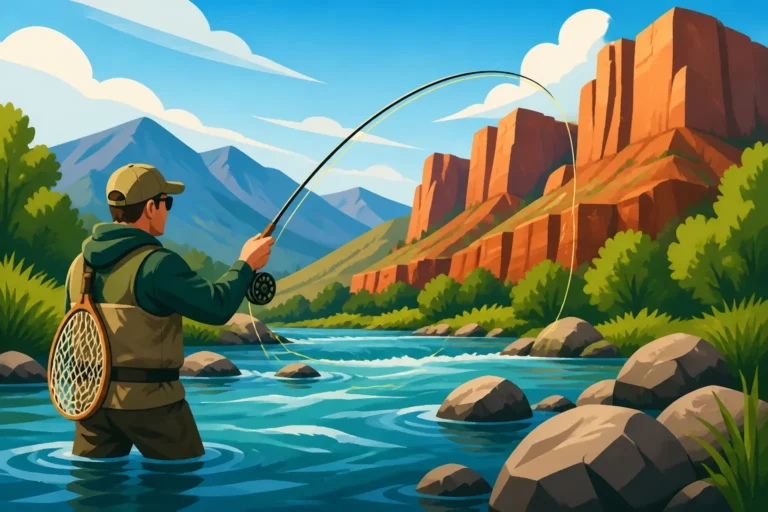
Fly fishing is incredibly popular on the Logan River, especially in the canyon and middle sections, due to its abundant insect life and clear waters. Matching the hatch is always a good strategy, but having a few versatile patterns on hand will serve you well.
- Nymphing: This is often the most productive method, especially when fish aren't rising to the surface. Popular nymphs include Prince Nymphs, Pheasant Tail Nymphs, Hare's Ear Nymphs, and various stonefly patterns. Focus on drifting your nymphs through riffles, runs, and the deeper sections of pools. A strike indicator and a bit of split shot to get your flies down to the fish's feeding zone are crucial. Check out Best Flies for Utah Trout Streams for more specific patterns.
- Dry Fly Fishing: When insects are hatching, dry flies can provide some of the most exciting fishing. Caddisflies, mayflies (like PMDs and Blue-Winged Olives), and even attractor patterns like a Parachute Adams are excellent choices. Look for rising fish in slower pools, eddies, and seams. The key is a delicate presentation and a drag-free drift.
- Streamer Fishing: For targeting larger brown trout, especially in the lower canyon and urban sections, streamers can be incredibly effective. Patterns like Woolly Buggers (in olive, black, or brown), Sculpzillas, or small baitfish imitations stripped through deeper runs and undercut banks can provoke aggressive strikes. Consider trying this tactic during low light conditions or after a rain.
Spin Fishing for Consistent Bites
For those who prefer traditional spin fishing, the Logan River offers plenty of opportunities, especially in the more accessible and stocked areas. Simplicity often reigns supreme, but a few specific techniques will yield better results.
- Bait Fishing: Live worms (nightcrawlers or red wigglers) or prepared baits like PowerBait (in various colors like garlic scent, rainbow, or chartreuse) are incredibly effective, particularly for recently stocked rainbow trout. A simple slip sinker rig with a small hook (size 8-12) will work wonders. Let your bait drift naturally into deeper holes or cast it into slower moving water and allow it to sit on the bottom. Remember to give the fish time to take the bait before setting the hook gently.
- Lure Fishing: Small spinners are a go-to for many Logan River anglers. Brands like Panther Martin, Rooster Tail, and Mepps in sizes #0 to #2 are excellent. Gold, silver, and copper blades, often with a brightly colored body (chartreuse, orange, black), can be irresistible to trout. Cast upstream or across current and retrieve just fast enough to get the blade spinning, allowing the lure to swing through holding water. Small spoons, such as Kastmasters or Little Cleos, can also be effective in deeper pools. For those looking to upgrade their gear, our guide on Best Spinning Reels for Utah Trout Fishing might be helpful.
- Jigging: Small jigs, often tipped with a piece of worm, PowerBait, or a micro-soft plastic, can be deadly in slower pools and eddies. Use lightweight jigs (1/32 to 1/8 oz) and a sensitive rod to detect subtle bites. A quick lift and fall motion can entice strikes from wary trout.
Seasonal Considerations and Tips
The Logan River fishes well throughout much of the year, but understanding seasonal changes can dramatically improve your success.
| Season | Typical Water Conditions | Primary Target Species | Recommended Techniques |
|---|---|---|---|
| Spring (Mar-May) | High runoff, then clearing | Rainbow, Brown, Cutthroat | Nymphing (heavy rigs), Streamers, Bait |
| Summer (Jun-Aug) | Clear, lower flows, warmer | Rainbow, Brown, Cutthroat | Dry flies (early/late), Nymphing, Spinners |
| Fall (Sep-Nov) | Clear, stable, cooling | Brown (spawning), Rainbow, Cutthroat | Nymphing, Streamers, Egg patterns |
| Winter (Dec-Feb) | Cold, low, clear | Brown, Rainbow | Nymphing (slow drifts), Bait (subtle) |
Spring often brings high, swift water due to snowmelt, making fly fishing challenging unless you can get heavy nymphs down deep. As runoff subsides and summer warms up, insect hatches become more prolific, and dry fly fishing can be exceptional, especially during mornings and evenings. Fall is a prime time for brown trout, as they become more active and aggressive leading up to their spawn. Winter fishing can be surprisingly good, especially on mild days, with fish often congregating in deeper, slower pools. No matter the season, a quick check on local conditions or consulting with a local outfitter (which you can often find information about through platforms like FishingBooker) can provide real-time insights.
Finally, always remember the importance of careful fish handling. If you plan to release fish, minimize their time out of water and use wet hands. Our article on How to Release a Fish Without Hurting It in Utah provides excellent guidance on best practices. Tight lines out there!
Disclaimer
The information provided in this guide is for general informational purposes only and is not intended as legal advice. Fishing regulations, license requirements, and local conditions can change frequently. Always consult the most current regulations published by the Utah Division of Wildlife Resources (UDWR) before planning any fishing trip. Adherence to all local, state, and federal laws is the responsibility of the angler.