Best Fly-Fishing-Only Spots in Utah
It can be incredibly frustrating to sift through all the fishing regulations, trying to figure out which waters are truly dedicated to fly fishing. Many of us just want to enjoy the serene art of fly casting without worrying about bait anglers crowding our spots or rules that aren't quite clear. This comprehensive guide is here to cut through that confusion, helping you discover the very best fly-fishing-only spots Utah has to offer, along with the essential tips to make your trip a success.
Understanding Utah's Fly-Fishing-Only Regulations
Before we dive into the gorgeous waters, it's crucial to understand what "fly-fishing-only" truly entails in Utah. These regulations are designed to protect fragile trout populations, ensure a quality angling experience, and often apply to some of our most treasured fisheries.
What "Fly-Fishing-Only" Really Means
When a body of water or a specific section of a river is designated "fly-fishing-only" by the Utah Division of Wildlife Resources (DWR), it means you're restricted to using artificial flies, single barbless hooks, and absolutely no bait or scented lures. This isn't just a suggestion; it's a hard and fast rule that is regularly enforced. The purpose behind these regulations is primarily conservation. By limiting gear to artificial flies and requiring barbless hooks, the impact on fish, especially those caught and released, is significantly minimized. Fish are less likely to be deeply hooked, and the barbless hook allows for quick, stress-free removal. It also fosters a specific type of angling experience that prioritizes skill and connection with nature over simply catching fish by any means necessary. For a deeper dive into the specifics, check out our guide on Utah Fly-Fishing-Only Water Rules.
Imagine you've driven hours to a pristine section of river, expecting a peaceful fly-fishing experience, only to find someone drowning a worm under a bobber. It's not just annoying; it's a violation of the spirit and letter of the law. These rules are there for a reason, preserving the delicate balance of these special ecosystems and the quality of fishing for everyone who respects them.
Identifying Designated Waters
The DWR's fishing proclamations are your best friend here. These documents, updated annually, clearly outline every water body and its specific regulations, including those designated fly-fishing-only. You can usually find these online on the DWR website, or pick up a physical copy wherever fishing licenses are sold. It can be a bit overwhelming to navigate all the different rules, especially with so many varying regulations for different species and different waters. Always double-check the most current proclamation before heading out, as regulations can change from year to year, or even mid-season if conditions warrant. Some apps and online mapping tools also provide up-to-date information, which can be a lifesaver when planning a trip.
It's common to hear stories of anglers unknowingly violating a rule because they relied on outdated information or a general understanding rather than checking the current guide. Don't let that be you! A quick check can save you a potential fine and ensure you're fishing ethically and legally.
Premier Fly-Fishing-Only Destinations in Utah
Utah boasts some truly world-class fly-fishing opportunities, with several waters specifically managed to offer that pure, artificial-fly-only experience. These are the places where you can truly immerse yourself in the art of fly fishing.
Green River Below Flaming Gorge Dam
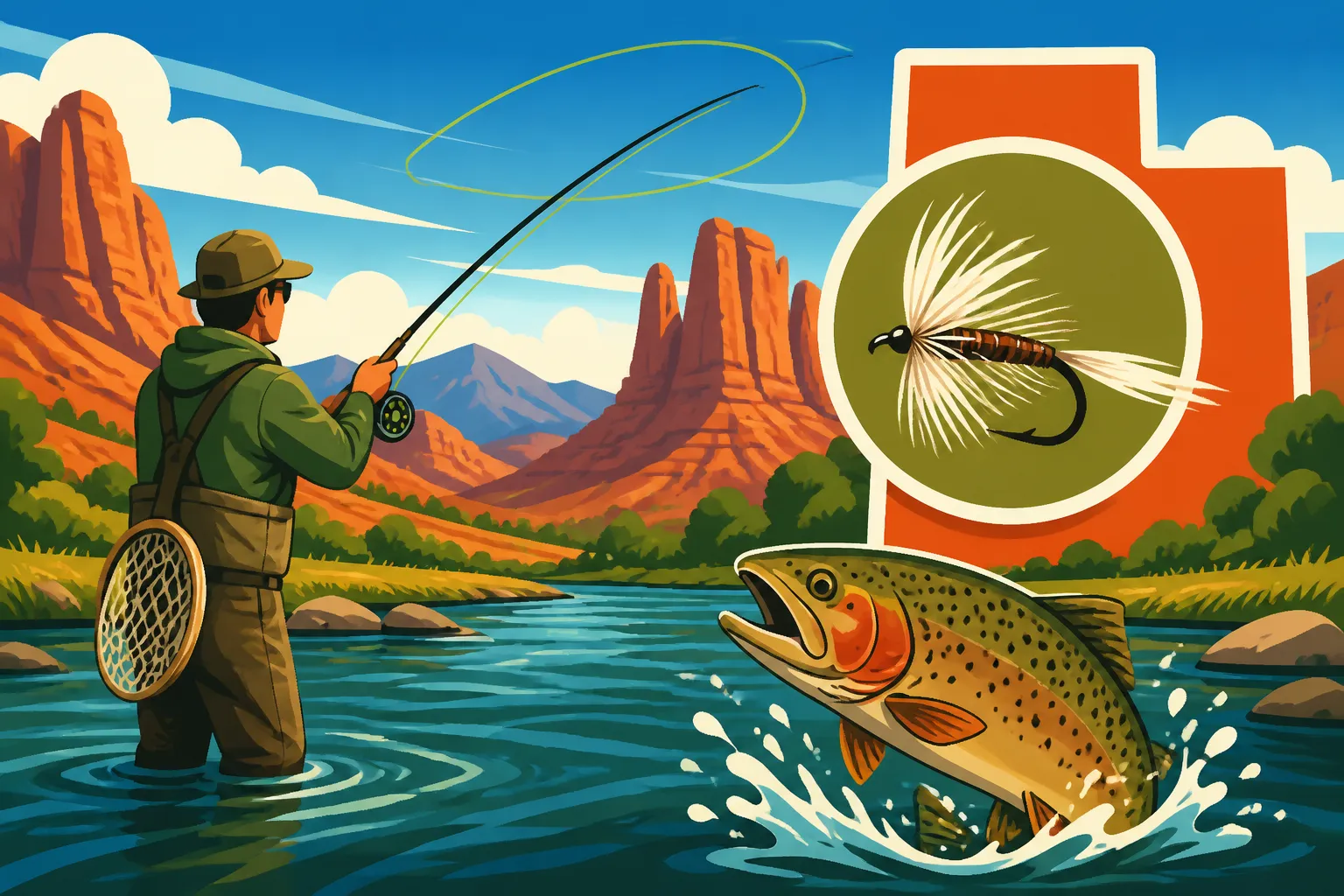
When you talk about fly fishing in Utah, the Green River below Flaming Gorge Dam inevitably comes up first. This is arguably the crown jewel of Utah's fly-fishing scene, a true blue-ribbon trout fishery renowned internationally. The river is divided into several sections, but it's the A, B, and C sections, immediately below the dam, that are predominantly fly-fishing-only and offer spectacular opportunities for brown, rainbow, and cutthroat trout. The constant cold water discharge from the deep Flaming Gorge Reservoir creates an ideal environment for prolific insect hatches and robust trout populations.
Anglers often hire guides for this river, and services booked through platforms like FishingBooker can connect you with experienced Green River guides who know every riffle and run. The best times to fish vary by section and hatch, but spring and fall are particularly productive. Common flies include midges, BWO (Blue-Winged Olives), caddis, and various nymph patterns. Access points are plentiful, with designated areas for both wade fishing and drift boat launches. For those looking for a truly immersive experience, exploring options for How to Fly Fish From a Drift Boat on the Green River can unlock new sections and opportunities. This river promises not just fish, but an unforgettable wilderness experience amidst towering red rock canyons.
Provo River Middle and Lower Sections
Closer to the population centers of the Wasatch Front, the Provo River offers incredibly accessible and productive fly-fishing-only sections. The Middle Provo, running through Provo Canyon, and certain stretches of the Lower Provo are famous for their healthy populations of brown, rainbow, and Bonneville cutthroat trout. What makes the Provo so appealing is its consistent fishing year-round, even through parts of winter, thanks to the controlled flows from Jordanelle Reservoir.
The Middle Provo, particularly near destinations like Vivian Park, is a favorite for many. It's easily wadeable in many spots and has excellent public access. Further downstream, parts of the Lower Provo offer a different character, often with larger, more challenging fish. Both sections are heavily pressured, so stealth and careful presentation are key. Matching the hatch is often critical here, with prolific hatches of midges, mayflies, and caddis throughout the year. Experienced anglers will tell you that having a selection of Best Flies for Utah Trout Streams specifically for the Provo is essential. Many anglers find success by booking a guided trip through FishingBooker, which can dramatically shorten the learning curve on this complex river.
Weber River's Trophy Section
Often overshadowed by its more famous counterparts, the Weber River holds its own, particularly in designated "trophy" sections that are managed for fly-fishing-only. These stretches, often found in the upper reaches and specific canyon areas, are home to some truly magnificent brown and rainbow trout. The Weber offers a more intimate, sometimes challenging, experience compared to the wider Green or Provo.
The water can be fast, rocky, and demands precise casting and wading. However, the reward can be substantial, with opportunities for large, wild fish that rarely see artificial flies that aren't expertly presented. Fall can be particularly good here as brown trout become more aggressive. Understanding the specific regulations for different stretches is vital, as not all of the Weber is fly-fishing-only. Consult our detailed guide on Weber River Fly Fishing Spots to pinpoint these special areas.
Logan River's Designated Areas
Up in Northern Utah, the Logan River is another gem, particularly its scenic canyon stretches and certain designated areas, which offer a delightful fly-fishing-only experience. This river is known for its beautiful Bonneville cutthroat trout, along with rainbows and browns. The Logan River’s character changes significantly as it descends from the high Uintas, offering varied fishing environments.
The upper sections are often smaller, brushier, and require more technical casting, while lower canyon sections open up a bit more. Like many mountain rivers, conditions can be highly dependent on snowmelt and runoff, so checking flows is crucial. The hatches here follow a typical mountain stream progression, with caddis and mayflies being prominent in spring and summer, and terrestrial patterns working well in late summer and fall. For comprehensive details on access and specific regulations, refer to Where to Fish the Logan River. It's a fantastic option for anglers looking for a slightly more secluded experience than some of the more popular southern rivers.
Gear and Techniques for Fly-Fishing-Only Waters
Getting out on Utah's fly-fishing-only waters requires not just the right spot, but the right gear and techniques. It’s all about finesse, presentation, and being prepared for whatever the river throws at you.
Essential Fly Rod and Reel Setup
For most of Utah's trout streams and rivers, a 4-weight to 6-weight fly rod is your workhorse. A 4-weight offers delicate presentation for smaller dries and nymphs, ideal for technical waters like the Provo. A 5-weight is a fantastic all-around choice, capable of handling most trout situations from small dries to moderate streamers. A 6-weight gives you a bit more backbone for larger fish, windier conditions, or throwing bigger flies on the Green River. Paired with a matching weight-forward floating fly line, you'll be well-equipped. Your reel doesn't need to be overly fancy, but a smooth drag system and adequate backing capacity are always a plus, especially if you hook into a big brown trout that decides to make a run.
Many anglers worry about having the "perfect" setup, but really, a reliable rod and reel that you're comfortable casting will serve you well. If you're wondering about specific recommendations, our article on Best Fly Rod Weight for the Provo River offers some excellent insights tailored to a popular Utah waterway.
Mastering Fly Selection and Presentation
This is where the art and science of fly fishing truly converge. "Matching the hatch" — selecting a fly that imitates the insects currently emerging or active in the water — is often the most effective strategy. However, don't shy away from "attractor" patterns, which are designed to simply look tasty to a fish. Nymphing, which involves drifting subsurface fly patterns, is incredibly effective year-round, especially in tailwater fisheries like the Green and Provo. Dry fly fishing, with its visual thrill of watching a fish rise to your fly, is a favorite when hatches are strong. Streamers, which imitate baitfish, can entice larger, more aggressive trout, especially brown trout.
Remember, barbless hooks are not just a regulation but a best practice for conservation. They allow for much quicker, less damaging releases, ensuring the fish can swim away healthy. Learning different casting techniques, from roll casts in tight quarters to double hauls for distance, will greatly improve your success. For detailed strategies on imitating natural food sources, explore How to Match the Hatch on the Provo River and discover the Best Nymph Patterns for Utah Tailwaters.
Wading and Safety Considerations
Utah's rivers can be challenging to wade. Swift currents, slippery rocks, and sudden drop-offs are common, especially in canyon sections. Proper waders and wading boots are non-negotiable. Breathable waders are excellent for warmer months, while neoprene offers superior insulation for colder water or winter fishing. Look for boots with good ankle support and robust soles. Some anglers prefer felt soles for grip on slick rocks, though these are often regulated in certain states due to aquatic invasive species concerns. Rubber soles with studs are another popular choice.
A wading staff is an invaluable safety tool, providing an extra point of contact and helping you gauge water depth and footing. Polarized sunglasses are essential not only for eye protection but also for cutting glare off the water, allowing you to spot fish or submerged obstacles. Always be aware of your surroundings, especially if fishing alone. Tell someone where you're going and when you expect to return. Our guide on Best Waders for Cold Provo River Water offers great advice on keeping comfortable and safe while wading.
Conservation and Etiquette on Fly-Fishing-Only Waters
These special waters are a shared resource, and it's up to every angler to ensure they remain pristine and productive for future generations. That means not just following the rules, but adhering to a strong code of ethics.
Practicing Catch and Release Effectively
Many fly-fishing-only waters in Utah are managed with a strong emphasis on catch and release. This isn't just about throwing the fish back; it's about doing so in a way that maximizes the fish's survival chances. Minimize the time the fish is out of the water. Use wet hands when handling fish to protect their delicate slime coat. If possible, remove the hook while the fish is still in the water, supporting it gently until it swims away under its own power. Avoid squeezing the fish or touching its gills. A good pair of hemostats or forceps can be incredibly helpful for quick hook removal.
Understanding the specific catch limits and release requirements for each water body is paramount. Some waters are strictly catch-and-release only, meaning all fish must be returned unharmed. Others might have specific slot limits or harvest restrictions for certain species. Taking a moment to educate yourself on proper fish handling techniques can make a huge difference in the long-term health of our fisheries. For a detailed breakdown of how to handle fish with care, be sure to read How to Release a Fish Without Hurting It in Utah.
Respecting Other Anglers and the Environment
Part of the beauty of fly fishing is the peace and solitude it can offer, but it's also a community. When you're on the water, always be mindful of other anglers. Maintain a respectful distance, especially if someone is already fishing a particular run or hole. Avoid "hogging" a spot, even if the fish are biting. A friendly nod or wave goes a long way. If you need to pass another angler, do so discreetly and politely, asking if you can "walk through."
Beyond other people, respect the environment itself. Practice "Leave No Trace" principles: pack out everything you pack in, and perhaps even a little more. Don't leave behind tangled line, empty fly packets, or food wrappers. Avoid trampling stream banks, which can lead to erosion and damage to critical fish habitat. The unique serenity and challenge of fly-fishing-only waters depend on all of us doing our part to protect them.
Here's a quick overview of some of Utah's top fly-fishing-only spots:
| River Section | Primary Species | Best Season(s) | Typical Flies | Key Feature |
|---|---|---|---|---|
| Green River (Sections A, B, C) | Brown, Rainbow, Cutthroat | Spring, Fall | Midges, BWO, Caddis, Sculpins, Tricos | World-class blue-ribbon fishery; consistent flows |
| Provo River (Middle/Lower) | Brown, Rainbow, Cutthroat | Year-round | Midges, Mayflies, Caddis, Stoneflies, PMDs | Highly accessible; strong hatches; wild fish |
| Weber River (Trophy Sections) | Brown, Rainbow | Spring, Fall | Caddis, Stoneflies, Terrestrials, Streamers | Opportunities for larger, wilder trout |
| Logan River (Designated Areas) | Bonneville Cutthroat, Brown, Rainbow | Spring, Summer, Fall | Caddis, Green Drakes, Mayflies, Stoneflies, Ants | Scenic canyon setting; native cutthroat focus |
Utah truly offers a diverse and rewarding experience for the dedicated fly angler, with these special fly-fishing-only waters leading the charge. From the legendary Green River to the accessible Provo, the wild Weber, and the beautiful Logan, there's a perfect cast waiting for every skill level. Remember, these fisheries thrive because of careful management and the conscientious efforts of anglers like you. Embrace the challenge, enjoy the beauty, and always leave the water better than you found it. If you're looking to explore these waters with a local expert, checking for available guides on FishingBooker can be a great way to deepen your experience and knowledge.
Disclaimer
Please remember that fishing regulations, including those for fly-fishing-only waters, can change. Always consult the most current Utah Division of Wildlife Resources (DWR) fishing proclamation before heading out. This guide is for informational purposes only and does not supersede official regulations. We recommend practicing safe wading techniques and being aware of weather and river conditions at all times.