How Runoff Affects Utah River Fishing
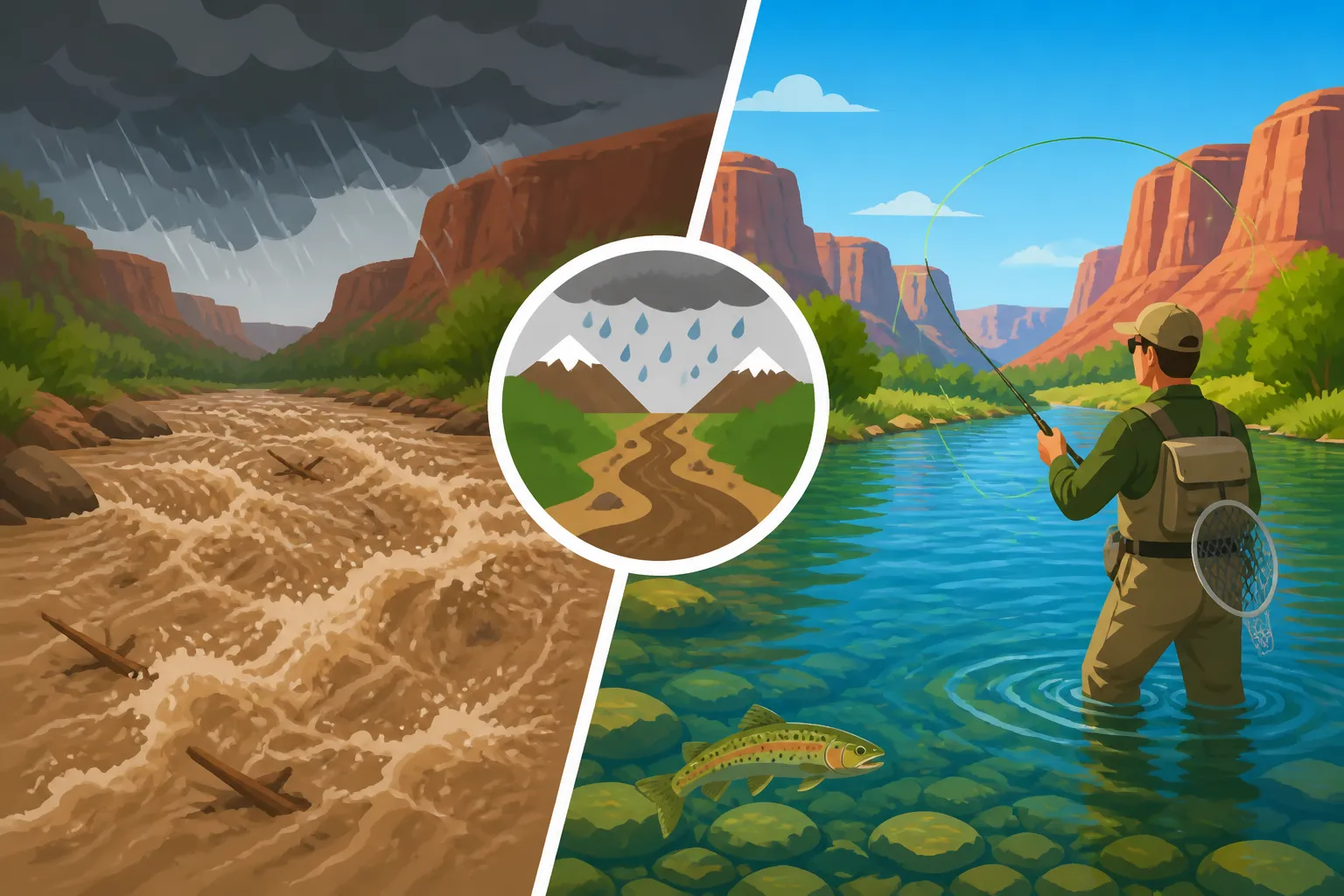
There's nothing quite as frustrating as planning a fantastic river fishing trip in Utah, only to arrive and find the water a raging, muddy torrent. That sudden surge, the debris flying by, and the impossible clarity—it's enough to make any angler pack up and head home. But don't despair! Understanding how runoff affects Utah's rivers and fish behavior is key to turning a potentially disappointing day into a successful, even exhilarating, adventure. This guide will walk you through the dynamics of spring runoff and equip you with the knowledge to adapt your approach and find fish even when the rivers are roaring.
Understanding Utah's Spring Runoff Phenomenon
Spring in Utah is a beautiful time, signaling the end of winter and the promise of warmer days. For anglers, however, it brings a mixed bag. While it's a critical natural process, the annual snowmelt, known as runoff, can drastically change river conditions, turning clear, gentle flows into powerful, turbid systems. Knowing what causes it and when to expect it is the first step in preparing for a successful fishing season.
The Science Behind Utah's Snowmelt and River Swell
Utah's hydrology is dominated by its impressive mountains. Over the winter, these peaks collect vast amounts of snow, essentially storing water in a frozen reservoir. As temperatures rise in spring, this snow begins to melt. The amount of snowpack, the speed of warming temperatures, and even spring rain events all play a crucial role in determining the intensity and duration of runoff. A rapid warming trend or a sudden warm rainstorm on top of a deep snowpack can lead to incredibly high and fast water conditions. Conversely, a slow, gradual warming allows the rivers to swell more moderately.
The meltwater, often laden with sediment and organic matter, makes its way down from the high country, feeding into smaller creeks, which then merge into larger rivers like the Provo River, Weber River, and Green River. This influx dramatically increases water volume and velocity, transforming the river environment. The sheer force of the water scours the riverbed, relocating rocks and debris, and altering the very structure of the fishing habitat.
When to Expect Peak Runoff Across Utah's River Systems
Predicting the exact timing and severity of peak runoff can be a bit of an art and a science, as it varies year to year based on winter snowpack and spring weather patterns. Generally, lower elevation rivers and streams, those fed by smaller, quicker-to-melt snowpacks, will experience their peak runoff earlier, often in late April to early May. Rivers fed by higher elevation snow, such as sections of the Green River below Flaming Gorge Dam or the upper reaches of the Provo River, typically see their peak flows later, usually from mid-May through early June.
It's not uncommon for different sections of the same river to experience peak runoff at different times. For instance, the lower Provo River might be raging while the Middle Provo River is just starting to swell. Keeping a close eye on local forecasts and especially the Utah Division of Wildlife Resources (UDWR) river flow reports is essential. These resources often provide real-time streamflow data and snow water equivalent (SWE) percentages, which are critical indicators. You can usually find links to these on the UDWR website, often under sections related to Utah Fishing Regulations Explained or Utah Fishing Season Dates and Limits.
How Runoff Impacts Fish and Their Environment
When the river transforms into a rushing torrent, it's not just a challenge for anglers; it's a fundamental shift for the fish that call it home. Their entire world changes—from where they can hold to what they eat. Understanding these changes is crucial for predicting their behavior and, ultimately, finding them.
Alterations to Fish Habitat and Holding Lies
High, fast, and often murky water during runoff fundamentally alters fish habitat. The increased velocity makes it incredibly difficult for fish, especially trout, to hold their position in the main current. They expend far too much energy trying to fight the flow. As a result, fish seek refuge in areas where the current is significantly slower. Think about it: if you were trying to swim upstream against a strong current, you'd look for eddies, calmer pockets behind large rocks, fallen trees, or undercut banks. Fish do the same.
These "holding lies" become prime real estate. Look for seams where fast water meets slow water, the inside bends of a river, and deeper pools that offer respite from the current. Tributary mouths, where smaller streams enter the main river, can also create localized calm zones. These areas often have slightly clearer water and more stable temperatures, providing a crucial break for stressed fish. Deep channels and depressions also offer shelter, as the force of the current diminishes with depth.
Changes in Fish Feeding Patterns and Opportunities
While runoff might seem like an angler's nightmare, it also presents unique feeding opportunities for fish. The surging water washes a tremendous amount of food into the river system. This includes aquatic insects dislodged from the riverbed, worms and grubs washed in from the banks, and even small terrestrial critters that fall into the water. However, the increased turbidity (muddiness) makes sight feeding difficult for many species, especially trout.
Fish switch from selective feeding on specific insect hatches to a more opportunistic, "smash-and-grab" approach. They're less likely to chase a small, delicate fly and more inclined to hit a larger, more prominent offering that they can detect through the murk and grab quickly before it's swept away. This means their diet shifts from relying on delicate dry flies and nymphs to larger, more substantial items like worms, baitfish, and big stonefly patterns. The high water often provides a constant buffet, and fish, while conserving energy, will position themselves to intercept these easy meals.
Navigating the Challenges of High Water Fishing
Fishing during runoff presents a unique set of challenges beyond just finding the fish. Safety, visibility, and even simply accessing the water can become major hurdles. Overcoming these requires a blend of caution, preparedness, and adaptable tactics.
Prioritizing Safety in Swift and Dangerous Currents
Safety is paramount when fishing during runoff. The water's power is deceptive and can be incredibly dangerous. What looks like a manageable current can sweep you off your feet in an instant. Always scout the river banks carefully before entering the water. Look for stable footing, avoid slippery rocks, and be aware of undercut banks that could collapse.
- Wading: Unless you are absolutely confident in your wading skills and familiar with the specific stretch of river, it's often best to limit wading or avoid it entirely during peak runoff. If you do wade, use a wading staff for stability and always face upstream, shuffling your feet rather than lifting them to maintain contact with the bottom. Never wade alone, and always let someone know where you're going and when you expect to return.
- Boating: For those with drift boats or rafts, runoff can offer thrilling fishing, but it demands expert navigation. Debris, swift currents, and submerged obstacles can make boating extremely hazardous. Always wear a life jacket, ensure your boat is properly registered, and carry all required safety equipment as outlined in Utah Boating and Fishing Rules. If you're unsure about the conditions, err on the side of caution and stay off the water.
- Weather: Keep an eye on the weather forecast. Heavy rain can exacerbate runoff conditions, making an already dangerous situation even worse. Flash floods, though less common in major rivers, can occur in smaller drainages.
Overcoming Visibility Issues and Debris
The turbid, muddy water that often accompanies runoff is arguably the biggest challenge for anglers. Fish rely heavily on their vision to locate food, and when the water is clouded with sediment, their sight feeding is severely hampered. This means your presentation needs to be more about scent, vibration, and silhouette than visual appeal.
- Lure/Bait Selection: Forget subtle presentations. Think big, bright, and smelly. Large, flashy spoons or spinners can create enough vibration and flash to attract attention in murky water. For bait anglers, worms (especially a big gob of nightcrawlers) are incredibly effective, as their natural scent trail is a powerful attractant. PowerBait, particularly in vibrant colors, can also work wonders for stocked trout in these conditions.
- Line and Leader: While you might typically opt for lighter leaders in clear water, runoff conditions allow for heavier lines. The fish's ability to see your line is greatly reduced, and the heavier line will give you more pulling power if you hook a larger fish in a strong current.
- Debris Management: Rushing water often carries leaves, twigs, grass, and other detritus. This debris can foul your line, clog your guides, and make it difficult to get a clean drift or retrieve. Be prepared to frequently check and clean your line and lure. Sometimes, a larger, heavier lure or bait that sinks quickly past the surface debris can be more effective.
Adapting Your Fishing Strategy for Runoff Conditions
Don't let runoff deter you! With the right adjustments to your gear, techniques, and timing, you can still have incredible success. It's about thinking like a fish and understanding where they'll find shelter and food in the chaos.
Gear Modifications for High Water and Strong Currents
Successful runoff fishing often starts with your equipment. You'll need to make some tweaks from your usual clear-water setup.
- Heavier Rods and Reels: A slightly heavier action rod will give you more backbone to cast larger, heavier lures and to handle fish in strong currents. Pair this with a reel capable of holding heavier line. For example, a medium-heavy spinning rod or even a light steelhead rod can be ideal. You can find a good selection of durable gear on Amazon, from brands like Ugly Stik or Penn.
- Stronger Line and Leader: As mentioned, line shyness is less of an issue. Bump up your main line to 8-12 lb test monofilament or fluorocarbon, and use leaders in the 6-10 lb range. This extra strength is crucial when battling fish that use the current to their advantage.
- More Weight: Getting your bait or lure down to where the fish are holding, out of the main current, is critical. This means using more weight than usual. Split shot, pencil lead, or heavier jig heads are your friends. For fly anglers, heavily weighted nymphs and adding extra split shot to your leader will be necessary.
- Lure/Fly Selection: Pack a variety of larger, brighter, and noisier lures. For spin fishing, consider larger inline spinners (like Panther Martins or Mepps), brightly colored spoons (such as Kastmasters or Daredevils), and lipless crankbaits that create a lot of vibration. For fly fishing, think big stonefly nymphs, worm patterns (like San Juan Worms), large streamers (e.g., Woolly Buggers in black or olive), and egg patterns. Consider checking out some options for Best Lures for a Utah Tackle Box to get started.
| Gear Category | Normal Conditions | Runoff Conditions | Why the Change? |
|---|---|---|---|
| Rod/Reel | Medium-light spinning, 4-6 lb line | Medium-heavy spinning/casting, 8-12 lb line | Better control for heavy lures, strong currents, big fish. |
| Line/Leader | Light mono/fluoro (4-6 lb) | Heavier mono/fluoro (8-12 lb) | Reduced visibility, more strength needed for fighting fish and heavy tackle. |
| Weight | Small split shot, light jig heads | Heavy split shot, pencil lead, heavy jig heads | Get offerings down quickly through strong currents to fish. |
| Lures/Flies | Small spinners, subtle nymphs, dry flies | Large, bright spinners/spoons, worms, large streamers, egg patterns | Increased visibility/vibration needed in murky water; fish are opportunistic. |
| Waders/Boots | Standard breathable waders, felt-soled boots | Studded wading boots, possibly higher chest waders | Improved grip on slippery rocks, staying dry in deeper water. |
Effective Techniques for Fishing Turbid and High Rivers
Once you have the right gear, it's about employing the right techniques.
- Focus on Scent and Vibration: In murky water, fish use their lateral line to detect vibrations and their sense of smell to locate food. For bait anglers, this means using natural baits like worms or scented artificial baits. For lure anglers, choose lures with good vibration.
- Slow Down Your Presentation: While the water is moving fast, fish are often holding in slower pockets and won't chase a bait that zips by too quickly. Drift your bait or lure slowly through potential holding lies, allowing it to spend as much time as possible in the strike zone. You might need to make repeated casts to the same spot.
- High-Sticking and Bottom Bouncing: For bait and nymph fishing, "high-sticking" (keeping your rod tip high to minimize line in the water) helps control your drift and reduce drag. "Bottom bouncing" with enough weight to occasionally tick the bottom can be incredibly effective, as fish are often hugging the riverbed to avoid the current.
- Casting Angles: Cast upstream and across the current, letting your offering sink and drift naturally into holding areas. Experiment with different angles to find the sweet spot where your presentation can get down and stay in the slower water.
- Targeting Structure: Remember those prime holding lies we discussed? Focus your efforts on these spots. Cast right into the seams, behind large boulders, or along undercut banks. Fish aren't going to be in the main current, so don't waste your time casting there. If you're using flies, consult a guide like Best Flies for Utah Trout Streams for runoff-specific recommendations.
Timing Your Fishing Efforts for Optimal Conditions
Timing can make a huge difference during runoff.
- Early Morning/Late Evening: These times often offer slightly lower flows and cooler water temperatures, which can make fish more active. The light conditions can also sometimes improve visibility slightly.
- Post-Peak Runoff: The period immediately after the peak runoff has subsided and the water begins to drop and clear is often magical. Fish are still concentrated in holding lies, and as the water clears, they become more aggressive feeders, eager to make up for lost time. This transition period is when many anglers experience some of the best fishing of the year.
- Temperature Windows: Pay attention to water temperature. Runoff often brings colder snowmelt into the system. As the water warms slightly during the day, fish might become more active. Using a thermometer to check the water temperature can give you a crucial edge, as discussed in How Water Temperature Affects Utah Trout Fishing.
Finding Fishable Water During Runoff
Even when the main river is a muddy mess, there are often pockets of clear, fishable water to be found. It just requires a keen eye, some local knowledge, and an understanding of how water flows.
Reading River Levels and Flow Data
Before you even leave the house, check the river flow data. The U.S. Geological Survey (USGS) and Utah Division of Water Resources (DWR) provide real-time streamflow gauges for most major Utah rivers. These gauges show cubic feet per second (CFS) readings, which tell you the volume of water flowing. You'll quickly learn what CFS levels are fishable for your favorite rivers. A quick search on Amazon for "fishing apps Utah" might even reveal some handy tools that integrate this data.
- Rising vs. Falling: A rising river typically means worsening conditions, with increasing turbidity and velocity. A falling river, even if still high, indicates improving conditions. Fish tend to settle in as flows stabilize or drop.
- Ideal CFS Range: Each river has an "ideal" CFS range for fishing. For example, a river might fish well for trout between 100-300 CFS but become unfishable above 500 CFS. Get to know these ranges for the rivers you plan to fish. This often ties into understanding How Runoff Affects Utah River Fishing specifically.
Seeking Out Runoff Refuges and Slower Water Pockets
When the main stem is raging, look for areas where fish can escape the intense current.
- Side Channels and Braids: Some rivers have side channels or braids that carry less flow. These can offer excellent fishing opportunities, often with clearer water and more accessible holding lies.
- Tributary Confluences: Where a smaller, clearer tributary enters a larger, muddy river, you often find a plume of clearer water. Fish will stack up in and around this confluence, taking advantage of the reduced turbidity and potentially warmer water. They also feast on the food washing down from the tributary.
- Reservoirs and Lakes: While rivers are in full runoff, many of Utah's reservoirs and lakes, like Strawberry Reservoir or Deer Creek Reservoir, are still very fishable. They aren't directly impacted by the rapid flow changes of a river, though their inlets might see some turbidity. This can be a great alternative during peak river runoff. Consider exploring Best Places to Fish in Utah for year-round options.
- Behind Obstacles: Large boulders, fallen trees, bridge pilings, and even subtle changes in the riverbed can create eddies and current breaks. These are prime locations for fish to hold and ambush food. Focus your efforts on these natural structures.
Consulting DWR Reports and Local Intelligence
The Utah Division of Wildlife Resources (DWR) is an invaluable resource during runoff. Their weekly fishing reports often provide detailed updates on river conditions, including flow levels and clarity. They might also suggest alternative waters or specific techniques that are currently working.
- DWR Fishing Reports: Check the DWR website regularly. These reports are updated frequently and offer hyper-local insights into specific stretches of river, which can be far more useful than general information.
- Local Fly Shops: Don't underestimate the wisdom of your local fly or tackle shop. These folks are on the water, or hear from those who are, daily. They can provide real-time conditions, tell you what flies or lures are working, and point you to specific access points that are still fishable. Places like the Fish Tech Outfitters in Salt Lake City or the Western Rivers Flyfisher are great resources. They often know which stretches of the Provo River Fishing Guide are holding fish, even in high water. They can also advise on How to Fish Muddy Runoff Conditions in Utah.
- Online Forums and Social Media: Utah has an active angling community online. Forums and social media groups can be excellent places to get recent reports and tips from fellow anglers. Just remember to take everything with a grain of salt and verify information when possible.
By understanding the dynamics of runoff and adapting your approach, you can turn a challenging time of year into a rewarding one. Don't be afraid to experiment, stay safe, and enjoy the unique opportunities that high water brings!
Disclaimer
The information provided in this guide is for general informational purposes only and is not intended as legal advice regarding Utah fishing regulations. Fishing regulations, season dates, and limits are subject to change by the Utah Division of Wildlife Resources (DWR). Always consult the most current official Utah Fishing Guidebook and DWR website for the latest rules and regulations before planning any fishing trip. Safety precautions, especially concerning swift water, should always be a top priority.