When Do Striped Bass Boil on the Surface at Lake Powell?
There’s nothing quite like the electrifying sight of striped bass erupting on the surface of Lake Powell, turning the water into a frothy, chaotic melee of thrashing tails and open mouths. It’s a spectacle that every angler dreams of witnessing, but figuring out when these elusive "boils" will happen can feel like trying to solve a complex riddle. This guide is here to unravel that mystery, giving you the insider knowledge to predict and capitalize on Lake Powell's incredible striped bass boils.
Understanding Striped Bass Boils at Lake Powell
For many anglers, chasing striped bass at Lake Powell is all about those incredible surface feeding frenzies known as "boils." It’s an unforgettable experience, but what exactly causes these explosive events, and why are they such a big deal for fishing?
What Exactly is a Striped Bass Boil?
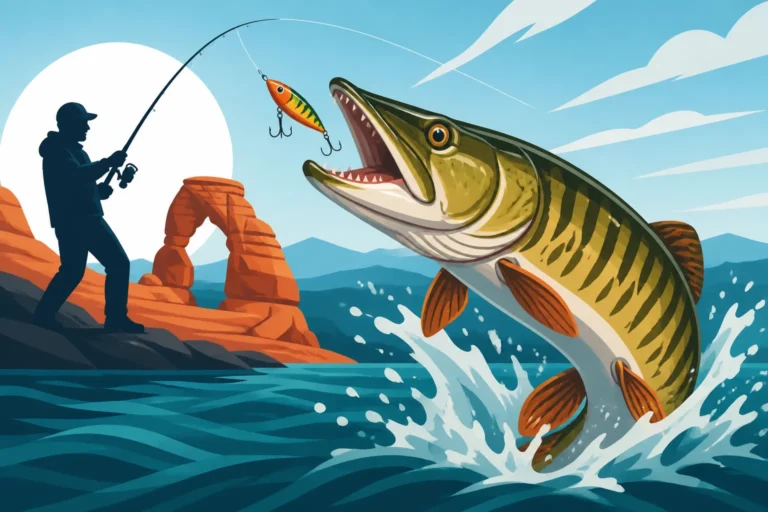
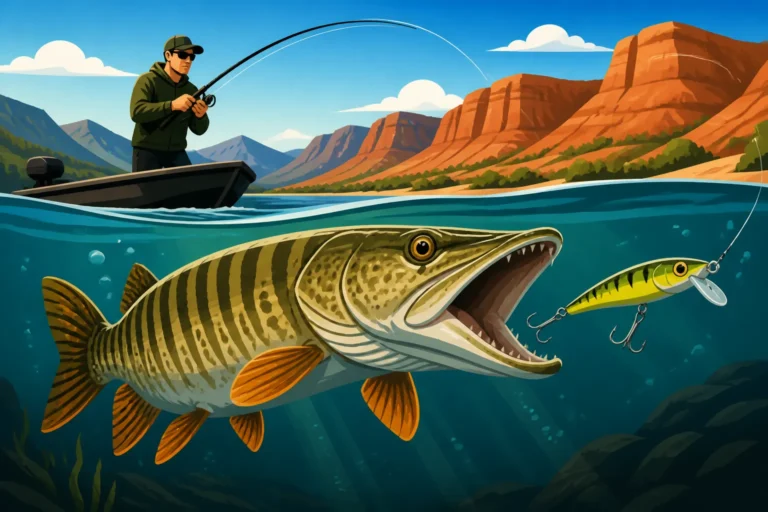
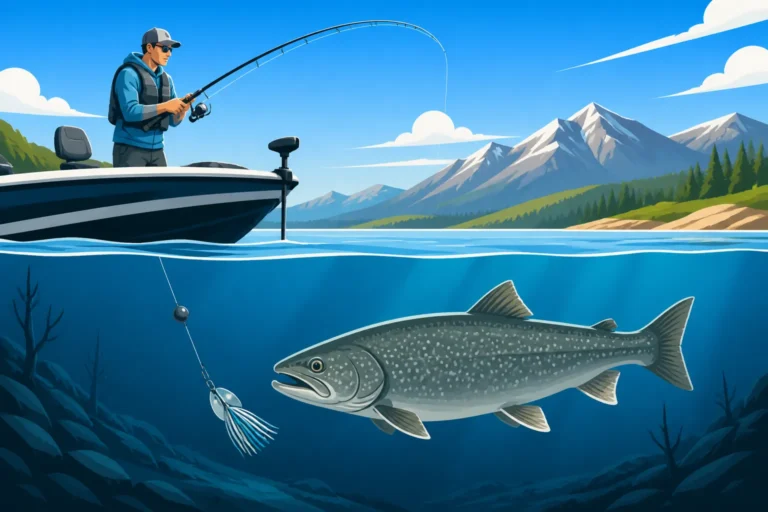
Imagine hundreds, sometimes thousands, of striped bass converging on a school of baitfish, often threadfin shad, pushing them to the surface where they have nowhere left to go. The stripers then launch into a feeding frenzy, churning the water into a white, foamy froth. This violent surface commotion is what anglers call a "boil." It's not just a few fish splashing; it's an entire school of aggressive predators working together, creating a visible, audible spectacle that can be seen and heard from a surprising distance across the vast expanses of Lake Powell. The water literally appears to "boil" as the fish thrash and crash through the bait.
These boils typically last anywhere from a few minutes to half an hour, though some exceptional ones can go on longer. They can pop up unexpectedly, move quickly, and then vanish as suddenly as they appeared. This makes finding and getting to an active boil a thrilling race against time, and a huge part of the allure of Lake Powell fishing. When you're there, right in the thick of it, it's an almost primal experience, connecting you directly to the raw power of nature.
Why Boils are So Important for Anglers
From an angler's perspective, a boil is like hitting the jackpot. Instead of searching for individual fish scattered throughout the water column, you have a concentrated school of actively feeding, aggressive fish right on the surface. This means a much higher chance of multiple hook-ups and fast, furious action. It's often during these boils that anglers land their limits quickly, and it's certainly the most exciting way to catch stripers. The sheer volume of fish makes them less particular about your presentation, often hitting almost anything thrown into the chaos.
Beyond the immediate action, boils also offer a unique insight into the predatory behavior of striped bass. Observing how they corral the bait, how they attack, and how they react to different lures can teach you volumes about their habits, which can then be applied to other fishing situations, even when the fish aren't boiling. It's a masterclass in effective fishing, played out right before your eyes, and an experience that truly defines the thrill of How to Fish for Striped Bass at Lake Powell.
The Role of Shad in Lake Powell's Ecosystem
The entire phenomenon of striped bass boils at Lake Powell hinges on one crucial factor: the abundance of threadfin shad. These small, silvery baitfish are the primary food source for striped bass, as well as many other predatory fish in the lake. Striped bass are pelagic predators, meaning they roam the open water, constantly hunting these schools of shad. When conditions are right, and a dense school of shad is located, the stripers will work together to push them against the surface or into a cove, where they can be easily ambushed.
Without a healthy shad population, the massive, explosive boils that Lake Powell is famous for simply wouldn't occur. The shad thrive in the warmer waters of Lake Powell, reproducing rapidly and providing a seemingly endless buffet for the stripers. Understanding this delicate balance between predator and prey is fundamental to predicting when and where you might encounter these incredible feeding frenzies. It's a dynamic relationship, and the health of the shad population directly impacts the quality of the striper fishing, especially when you're looking for those epic surface feeding events. This is why learning How to Find Shad Boils at Lake Powell is such a critical skill.
Prime Conditions for Striped Bass Boils
Successfully chasing Lake Powell's striped bass boils isn't just about luck; it's about understanding the subtle cues and seasonal patterns that bring these fish to the surface. Certain conditions make boils far more likely, and knowing what to look for can significantly increase your chances of being in the right place at the right time.
Seasonal Patterns for Lake Powell Boils
While striped bass can be caught year-round at Lake Powell, the frequency and intensity of boils vary dramatically with the seasons.
- Spring (April – May): As the water begins to warm in spring, shad become more active, moving into shallower coves and sun-warmed areas. Stripers follow, and you can start to see sporadic boils, especially in the later morning or early afternoon. These early boils might be smaller and less predictable than their summer counterparts, but they offer exciting opportunities after the colder winter months. This is a time when the fish are often coming out of their deeper winter patterns and beginning to feed more aggressively.
- Summer (June – August): This is prime time for Lake Powell boils. As the water temperature rises, threadfin shad reproduce prolifically, creating vast schools that attract hungry stripers. Boils are most common and often largest during the summer months. You can expect consistent action, particularly during the cooler parts of the day. The sheer abundance of baitfish makes this period incredibly active, and the fish are generally more aggressive. Many anglers specifically plan their trips during this window for the best chance at witnessing a boil.
- Fall (September – October): Fall often sees a resurgence of intense boil activity, sometimes even rivaling the summer peak. As the weather cools and the days shorten, stripers go into a feeding frenzy to fatten up for the leaner winter months. The baitfish are still plentiful, and the cooler water temperatures can often make the fish even more active and aggressive. These fall boils can be particularly explosive and can last longer than those in summer, offering some of the best fishing of the year. Beyond October, as water temperatures drop significantly, surface boils become much less frequent, with stripers retreating to deeper water.
Time of Day: When to Be on the Water
The timing of your fishing trip plays a monumental role in encountering a boil. Striped bass, like many predatory fish, are often most active during specific windows.
- Early Morning (Dawn to Mid-Morning): Without a doubt, the period from first light until a few hours after sunrise is one of the absolute best times to find boils. The water is often calmer, and the cooler air temperatures provide a comfortable feeding environment for both the stripers and their prey. Shad are often closer to the surface during these low-light conditions, making them easy targets. Many of the most memorable and longest-lasting boils occur during this crucial window. Getting on the water before dawn is key to catching the start of these events.
- Late Afternoon to Evening (Before Sunset): The hours leading up to sunset can also be incredibly productive. As the sun dips lower, shadows lengthen, and the water cools slightly, triggering another feeding period for stripers. Boils can often pop up in the late afternoon and continue until dusk. This is a fantastic time to be out, especially after the midday heat has subsided.
- Overcast or Stormy Days: Don't discount those cloudy or even drizzly days! Overcast conditions provide consistent low light, which can extend the prime feeding windows throughout the day. Stripers often feel more secure hunting in these conditions, and you might find boils occurring even in the middle of the day when the sun is hidden. Just make sure your Best Boat Size for Fishing Lake Powell is capable of handling any sudden weather changes if you venture out on a stormy day.
Weather and Water Conditions that Trigger Boils
Beyond the season and time of day, subtle environmental factors can often be the final trigger for a major boil event.
- Calm Water: The most ideal condition for a visible boil is calm, slick water. Without chop or waves, it's easier for the stripers to trap shad against the surface, and the resulting disturbance is far more apparent to both predators and anglers. A perfectly calm morning, especially after a slightly cooler night, often sets the stage for explosive surface activity.
- Water Temperature: Striped bass are sensitive to water temperature. While they thrive in warmer water, extreme heat can push them deeper. However, consistent warm water (usually 65-80°F) that allows shad to flourish is perfect. When surface temperatures are in this range, especially if there's a slight drop overnight creating a comfortable morning feeding zone, the chances of boils increase dramatically. This is part of why understanding Best Time of Day to Catch Striped Bass at Lake Powell and seasonal patterns are so interconnected.
- Light Wind: While calm water is ideal, a very light, consistent breeze can sometimes help concentrate baitfish against shorelines or points, making them easier targets for schooling stripers. However, anything more than a gentle ripple can disperse bait and make it harder to spot boils from a distance. Too much wind will create chop, hindering the ability to see or hear the surface activity.
How to Find and Approach a Boil
Spotting a boil is only half the battle. Knowing how to efficiently locate these fleeting feeding frenzies and then approach them without spooking the fish is crucial for success. It takes a keen eye, good equipment, and a strategic mind.
Techniques for Spotting Distant Boils
Lake Powell is immense, so relying solely on your naked eye is often not enough. You need to expand your visual and auditory range.
- Binoculars are Your Best Friend: This cannot be stressed enough. A good pair of marine binoculars (like those available on Amazon) is indispensable for scanning the vast lake surface. Focus your scanning efforts on main lake points, large coves, and areas where you’ve seen fish before or where bait is abundant. Look for tell-tale signs: birds (especially gulls) diving, large splashes, or even just a subtle disturbance on an otherwise calm surface that looks "different." Often, you'll spot a boil far in the distance as just a little whitecap before your eyes can clearly make out the thrashing fish.
- Listen for the Sound: Boils are often loud! The collective thrashing of hundreds of stripers can create a distinct sound that carries across the water. On calm mornings, you might hear the commotion before you see it. Pay attention to any unusual splashing or guttural sounds. This is particularly helpful when boating through coves or around bends where your line of sight might be limited.
- Watch for Birds: Seabirds, particularly gulls and terns, are excellent indicators of surface feeding activity. They often flock to boils to snatch up the stunned or injured baitfish driven to the surface. If you see birds diving erratically or circling a specific spot, it's a strong signal that stripers might be pushing bait below them. Always keep an eye on the sky as you scan the horizon.
Approaching a Boil Without Spooking Fish
Once you've spotted a boil, the way you approach it will dictate whether you get in on the action or send the fish diving deep. This is where patience and strategy come into play.
- Observe Before You Act: Before gunning the engine, take a moment to observe the boil's direction and speed. Are the fish moving towards a point? Is it a stationary boil? This information will help you plan your approach. A boil might be here one minute and gone the next, so a quick assessment is vital.
- Stealth is Key: Striped bass are incredibly wary, especially when feeding near the surface. Approach slowly, cutting your main engine well away from the action. Use an electric trolling motor if you have one, or simply drift into casting range if the wind and current allow. Noise and sudden movements will send the school deep in an instant.
- Position Upwind or Upcurrent: Try to approach the boil from upwind or upcurrent, if possible. This allows you to drift silently into position, and your boat will move with the school, keeping your lures in the strike zone longer. This also helps carry any scent or disturbance away from the active fish.
- Stay Outside the Main Activity: Don't drive your boat directly into the boil. Position yourself on the edges, casting into the thick of the action. Driving through the fish will undoubtedly shut them down. Maintain a respectful distance and cast as far as you can.
Essential Gear for Fishing Boils
Having the right gear ready is crucial for capitalizing on these fast-paced events. Every second counts when a boil erupts.
- Rods and Reels: You'll want medium-heavy spinning or baitcasting rods, typically 6'6" to 7'6" in length, paired with reels spooled with 15-20 lb braided line. The braided line offers superior casting distance and sensitivity, plus the strength needed to handle multiple hook-ups. Having several rods rigged with different lures ready to go is a smart move, as boils can be unpredictable and what works one moment might not the next.
- Lures, Lures, Lures: This is where you'll want a diverse selection. Topwater lures like poppers or walk-the-dog baits are incredibly effective when fish are actively hitting the surface. Spoons, particularly casting spoons like a Kastmaster or Krocodile (read more about Best Lures for a Utah Tackle Box), are deadly when retrieved quickly through the boil. Soft plastic swimbaits, either weighted or unweighted, also excel at imitating distressed shad. Keep a good variety readily accessible.
- Other Essentials: A quality fish finder can help you locate bait schools even when they aren't boiling. A wide-mouth net (ideally rubber-coated to protect the fish) is essential for quickly landing stripers, especially if you plan to release some. And don't forget a good cooler (like those from brands available on Amazon) filled with ice to keep your catch fresh on the way home – you'll need it when you're hitting those limits! Remember to check How to Store Fish on a Hot Day in Utah to ensure your catch stays prime.
Maximizing Your Catch During a Boil
Once you've successfully located and approached a boil without scaring the fish, the real fun begins. However, the chaotic nature of a boil means you need to be strategic and quick to maximize your success.
Effective Lures and Presentations
The key to success during a boil is often matching the hatch – or at least, imitating the general profile and frantic movement of shad.
- Topwater is King: When stripers are visibly crashing the surface, a topwater lure is often the most exciting and effective choice. Poppers, walk-the-dog baits, and chuggers, especially in white, chrome, or shad patterns, can elicit explosive strikes. Cast past the boil and retrieve the lure quickly and erratically through the active feeding zone, mimicking a panicked baitfish. The commotion these lures create often triggers an aggressive reaction.
- Casting Spoons: If the fish are boiling but not quite hitting topwater, or if they seem to be just below the surface, a heavy casting spoon like a 1/2 oz to 1 oz Kastmaster or Krocodile is an absolute go-to. These lures cast a mile, sink quickly, and can be retrieved at high speeds to imitate fleeing bait. Cast into the heart of the boil, let it sink for a few seconds if you suspect deeper fish, and then reel in at a fast, steady pace. Sometimes a quick jerk-pause retrieve can trigger reluctant biters.
- Soft Plastic Swimbaits: These are incredibly versatile. A small (3-5 inch) paddletail swimbait on a lightweight jig head or even rigged weightless can be devastating. They accurately mimic shad and can be retrieved at various depths and speeds. If the boil is sporadic or the fish are only briefly coming to the surface, a swimbait can effectively pick off those stripers just a few feet below the froth. Many anglers keep a few already rigged on a separate rod for quick deployment. For tips on specific rigging, you might find valuable information in How to Rig Cut Bait for Striped Bass at Lake Powell, even though it's about bait, the principles of presentation can sometimes cross over.
- Vary Your Retrieve: Don't just reel in steadily. Experiment with quick jerks, pauses, and changes in retrieve speed. The fish are in a feeding frenzy, but they're also competing. An erratic action can make your lure stand out as an easier target amidst the real baitfish. Sometimes, just burning the lure back as fast as you can is all it takes.
Handling Multiple Hook-ups and Fast Action
When a boil is truly on fire, it's not uncommon to get multiple hook-ups almost simultaneously. This is where preparedness pays off.
- Have Multiple Rods Ready: As mentioned, having several rods pre-rigged with different lure types means you don't waste precious time re-tying. If one lure isn't getting hit, you can quickly grab another rod and cast a different option. This can make the difference between catching a few fish and catching a limit.
- Land Fish Quickly: The lifespan of a boil can be short. Don't play around with fish once they're hooked. Land them efficiently, unhook them quickly (using de-hookers or pliers if needed), and get your line back in the water. Every second counts! A rubber-coated net will protect the fish if you plan to release it, and speed up the landing process considerably.
- Know Your Limits: Lake Powell has generous limits for striped bass, but it's important to be aware of Utah Daily Bag and Possession Limits. If you're planning to keep fish, decide beforehand how many you intend to take home and stick to that number. Focus on quick catch and release for additional fish to minimize stress on them.
- Teamwork (if with others): If you're fishing with friends, work together. One person can focus on casting, another on netting, and another on preparing the next lure. This synergy can lead to incredible success during a hot bite.
What to Do When the Boil Subsides
Boils are ephemeral. They appear suddenly, rage with intensity, and then, often just as quickly, the water calms, and the fish disappear. But the action isn't necessarily over.
- Follow the Bait: Even if the surface activity stops, the stripers haven't vanished into thin air. They've often just pushed the bait deeper. Use your fish finder (for more on this, see How to Read a Fish Finder for Utah Reservoirs) to locate schools of shad and the stripers below them. If you mark fish deeper, switch to vertical jigging with spoons or heavy soft plastics.
- Target Nearby Structure: Stripers that were part of a boil might disperse to nearby submerged structure, points, or channel edges. Try casting crankbaits, swimbaits, or even dragging jigs along these areas. The fish are still in feeding mode, just not as overtly.
- Be Patient and Observe: Sometimes, a boil will subside in one area only to pop up again a few minutes later, a quarter-mile away. Keep scanning the horizon with your binoculars, listen for sounds, and watch for birds. The stripers might just be taking a breather before their next attack. This constant vigilance is key to success on Lake Powell.
- Change Lures and Techniques: If the boil went down and you're still in the general area, don't be afraid to switch up your lure and technique. Sometimes a completely different presentation, like a slow-rolled swimbait or a suspending jerkbait, will tempt a lingering striper that's no longer chasing aggressively.
| Season | Boils Likelihood | Best Time of Day | Common Water Temp Range | Notes |
|---|---|---|---|---|
| Spring | Moderate | Late Morning, Early PM | 55-65°F | Sporadic, often smaller boils; fish coming out of deeper patterns. |
| Summer | High | Early Morning, Late PM | 70-80°F | Peak season; frequent, large boils; consistent action. |
| Fall | High (often best) | Early Morning, Mid-Day, PM | 60-70°F | Intense, sometimes longer boils; fish fattening up for winter. |
| Winter | Very Low | Mid-Day (rare) | Below 55°F | Boils are rare; stripers are typically deep; slow fishing. |
Disclaimer
The information provided in this guide is for general informational purposes only and is subject to change. Always consult the official Utah Division of Wildlife Resources (UDWR) regulations and advisories before planning any fishing trip, as rules and conditions can vary and be updated frequently. Fishing conditions at Lake Powell can change rapidly due to weather, water levels, and fish behavior.