The Utah State Record Channel Catfish
Few things get an angler's heart pumping quite like the thought of hooking into a truly massive fish, the kind that bends your rod double and tests your every ounce of skill and patience. In Utah, while trout often steal the spotlight, there's a powerful, whiskered contender that offers incredible fights and delicious fillets: the channel catfish. If you've ever dreamt of landing a state record, or simply want to know the story behind Utah's biggest whiskerfish, this guide is going to walk you through the details, from the current record holder to where and how you might catch your own monster.
The Story Behind the Utah State Record Channel Catfish
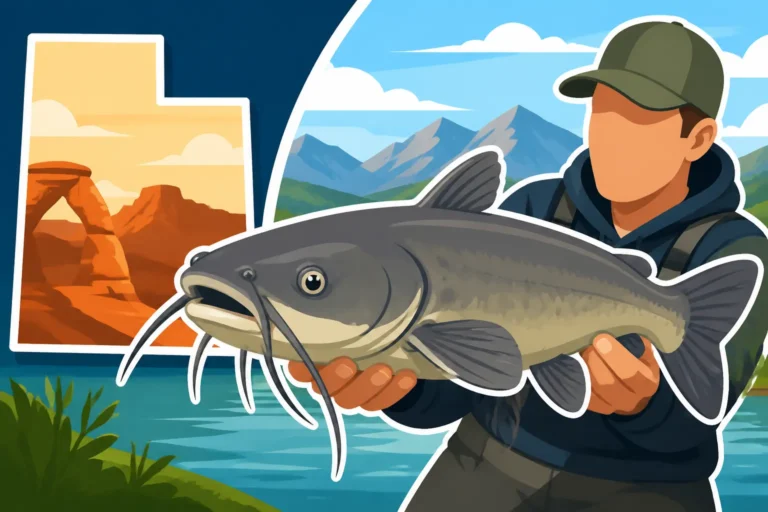
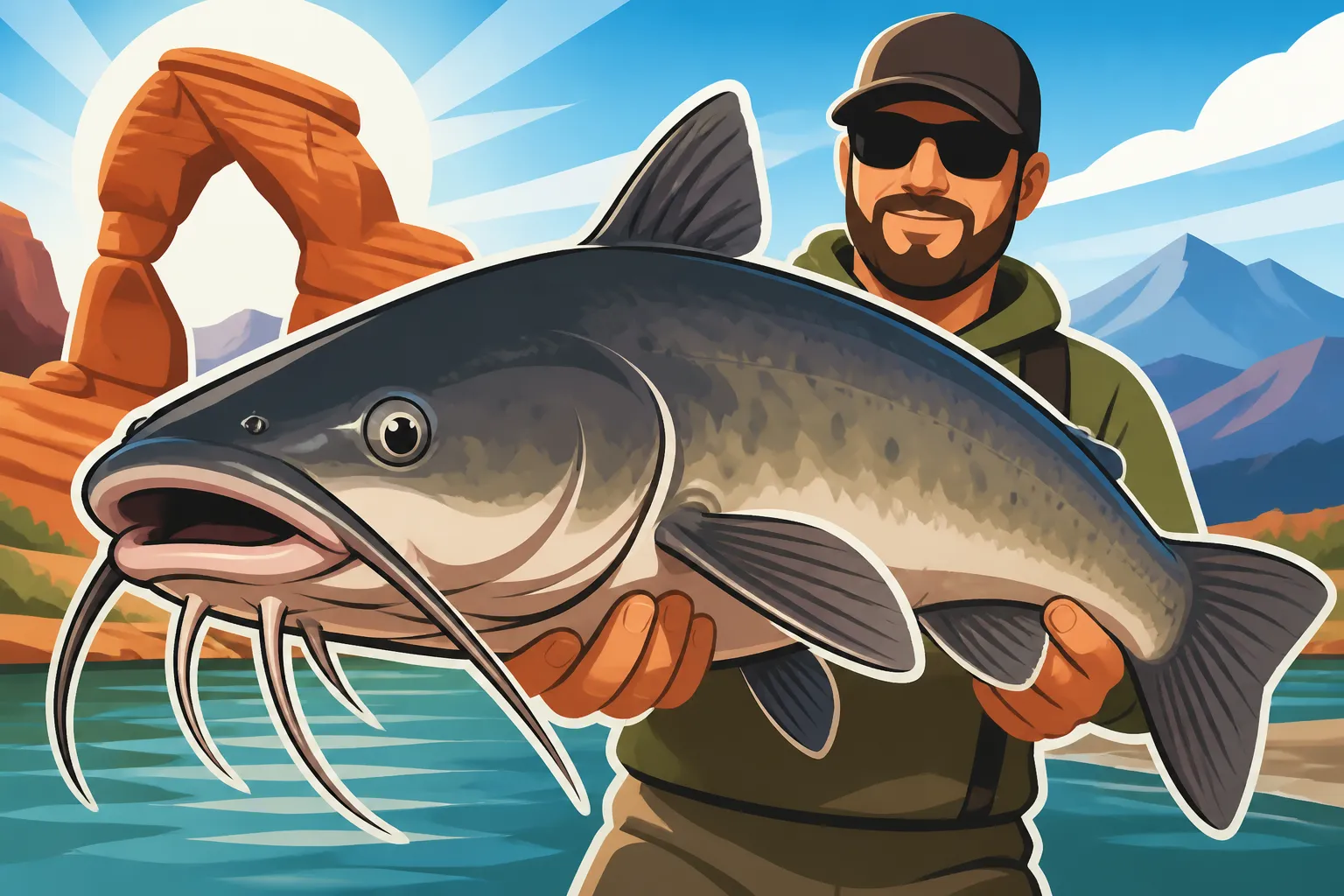
Every state has its legends, and in Utah, the tale of the state record channel catfish is one for the books. Imagine pulling a fish from the water that weighs as much as a small child – that's the kind of brute we're talking about. The current official Utah state record channel catfish stands at a whopping 32 pounds, 8 ounces. This incredible fish was caught by Mike Gardner way back in 2004, and it came out of the expansive, often underestimated waters of Utah Lake.
When Mike Gardner landed that colossal catfish, it wasn't just a big fish; it was a testament to the potential hidden within Utah's warmwater fisheries, particularly Utah Lake. Anglers had long known that Utah Lake held some impressive channel catfish, but a fish of that magnitude truly solidified its reputation as a premier destination for trophy cats. The capture of such a monster fish sparks excitement and ambition in the angling community, showing everyone what's truly possible if you put in the time and effort. It's a reminder that sometimes the biggest fish are right under our noses, in waters we might take for granted. This record isn't just a number; it's a beacon for every angler hoping to make their own mark in Utah's fishing history.
What Makes a Channel Catfish a Trophy Catch in Utah?
When we talk about "trophy" fish, it's all relative, right? For a panfish, a pound is a monster. For a lake trout, you're looking at double-digits. For channel catfish in Utah, anything over 10 pounds is generally considered a fantastic catch, a true "trophy." But to truly challenge that state record of 32 pounds, 8 ounces, you're entering a whole different league of angling.
Most channel catfish caught in Utah's community ponds and smaller reservoirs will range from 1 to 5 pounds. These are still fun to catch and make for excellent eating. However, in larger, more fertile waters like Utah Lake, Willard Bay, and even sections of the Green River, conditions allow these fish to grow substantially larger. We're talking about fish that have lived for many years, avoiding predators and anglers alike, and consuming a steady diet of whatever they can find. These are the elusive giants that become the stuff of local legend. The appeal of a trophy channel catfish isn't just its size; it's the sheer power it displays when hooked. These fish don't give up easily, often leading to prolonged, drag-screaming battles that can wear out both angler and gear. For a deeper dive into their characteristics, check out our Utah Catfish Guide.
Average vs. Trophy Size Expectations
It's important to set realistic expectations when chasing catfish. If you're fishing a regularly stocked community pond, you're likely to catch several 1-3 pounders, which are perfect for a family fish fry. These are still great fish, especially for younger anglers or those looking for consistent action. But when you switch your focus to trophy waters, you're often sacrificing quantity for quality. You might go hours, even days, without a bite, but when that rod finally doubles over, you know it's something substantial.
A channel catfish becomes a trophy in Utah when it surpasses the typical size. As mentioned, 10 pounds is a great benchmark for a personal best. A 15-20 pound channel cat is truly exceptional and will garner admiring glances at the boat ramp. The fish that hit 25 pounds or more are the rare beasts that draw crowds and often require specialized equipment and tactics. The environment plays a huge role in this. Waters with abundant food sources, stable temperatures, and plenty of deep structure or cover allow catfish to thrive and grow to immense sizes. Understanding the Channel Catfish Size in Utah can help you calibrate your expectations and tactics depending on where you're fishing.
Why Monster Cats Are So Prized
Beyond the sheer thrill of the fight, monster channel catfish are prized for several reasons. First, there's the challenge. Catching a record-sized fish requires dedication, knowledge of their habits, and often a bit of luck. It's a true test of an angler's ability. Second, there's the bragging rights. Holding up a catfish that outweighs many dogs is an unforgettable moment and a story you'll tell for years. And let's not forget their table fare! While some anglers prefer the taste of smaller cats, a properly cleaned and cooked fillet from a large channel catfish can be absolutely delicious, firm, and flaky.
The pursuit of these larger fish also pushes anglers to explore new techniques and locations, broadening their understanding of Utah's diverse fisheries. It's an adventure that combines the detective work of finding them with the physical challenge of landing them. The Utah record just serves as proof that these behemoths are out there, waiting for the right angler at the right time.
Top Utah Waters for Channel Catfish (and Potential Record Breakers)
If you're serious about targeting large channel catfish in Utah, you need to know where to go. While many waters hold catfish, a few stand out for their consistent production of big, healthy fish. These are the places where records are made and broken, and where anglers often focus their efforts for a shot at a true monster.
Utah Lake: The Undisputed King
It's no coincidence that the current state record channel catfish came from Utah Lake. This massive, shallow, and highly fertile lake in the heart of Utah County is absolutely teeming with channel catfish, and they grow to incredible sizes here. The lake's warm, nutrient-rich waters and abundant forage (including carp and various invertebrates) provide an ideal environment for catfish to thrive and pack on the pounds.
Utah Lake is a legendary spot for catfishing, offering vast expanses for them to roam and plenty of areas with soft, muddy bottoms where they love to root around for food. While the lake is popular for walleye and bass, the catfish population is incredibly robust. Anglers often target them from shore around the Provo River delta, Lincoln Beach, or from boats drifting across the flats or near deeper channels. The sheer size of Utah Lake means there's always a new spot to explore, and the potential for a personal best, or even a new state record, is always present. For specific hot spots, our guide to Utah Lake Catfish Fishing Spots is a must-read.
Willard Bay Reservoir
Located near Ogden in Northern Utah, Willard Bay Reservoir is another phenomenal warmwater fishery known for its trophy channel catfish. This large, shallow freshwater reservoir is separated from the Great Salt Lake by a dike, and its waters warm up nicely in the summer, creating prime conditions for catfish growth. Much like Utah Lake, Willard Bay has an abundant food supply, allowing its catfish to reach impressive sizes.
Anglers at Willard Bay often find success targeting catfish in the northern and southern areas of the reservoir, particularly near the dikes and riprap where structure is available. The shallow nature of the bay means fish can be found in a variety of depths, often moving into shallower waters to feed during the evening and night. The fishing here can be fantastic, and it's not uncommon for anglers to pull out several catfish over 10 pounds in a single outing, making it a viable option for those hoping to someday challenge the state record.
Green River (Lower Sections)
While most anglers associate the Green River with its world-class trout fishing below Flaming Gorge Dam, the lower, warmer sections of the river, particularly as it flows through eastern Utah, hold an often-overlooked population of channel catfish. These river cats are known for their incredible fighting power, often more streamlined and muscular than their lake-dwelling counterparts due to the constant current.
The best stretches for channel catfish on the Green River are typically downstream of the Duchesne River confluence and further south. Here, the river slows, warms, and takes on a more muddy character, providing excellent habitat for catfish. They can be found in deeper holes, around fallen trees, and in slower eddies. While it might require a bit more exploration to find the prime catfishing spots compared to the lakes, the reward of a hard-fighting river monster is well worth the effort.
| Water Body | Primary Catfish Species | Typical Size Range (lbs) | Trophy Potential | Record Potential | Notes |
|---|---|---|---|---|---|
| Utah Lake | Channel Catfish | 1-15 | High | Very High | Current state record holder, vast and fertile |
| Willard Bay | Channel Catfish | 1-10 | High | High | Excellent warmwater fishery, abundant food |
| Green River | Channel Catfish | 1-8 | Medium | Medium | River-dwelling fighters, harder to locate |
| Mantua Reservoir | Channel Catfish | 1-5 | Medium | Low | Smaller, but can produce decent fish |
| Community Ponds | Channel Catfish | 0.5-3 | Low | Very Low | Great for kids and easy access |
Strategies for Targeting Utah's Monster Channel Catfish
So, you've identified the prime locations. Now, how do you actually go about catching these elusive giants? Targeting monster channel catfish requires a different approach than chasing smaller panfish or trout. It's about patience, the right bait, and tackle that can stand up to a serious fight.
The Right Bait is Key
Channel catfish are opportunistic eaters, but when you're after the big ones, certain baits consistently outperform others. Their incredible sense of smell is their primary tool for locating food, especially in murky water.
- Cut Bait: This is arguably the most effective bait for trophy channel catfish. Shad, sucker, carp, or even panfish cut into chunks release a strong scent that catfish can detect from a distance. The oilier the fish, the better. Make sure your cut bait is fresh for maximum effectiveness. Understanding What Catfish Eat at Utah Lake will give you an idea of local forage you can imitate.
- Prepared "Stink" Baits: There are numerous commercial catfish baits on the market designed to attract catfish with powerful odors. Brands like Whisker Seeker Tackle, Catfish Charlie, or even homemade concoctions often rely on ingredients with strong, pungent smells to draw fish in. These can be dipped, molded, or punched baits.
- Nightcrawlers/Worms: While effective for smaller catfish, large bundles of nightcrawlers can still entice bigger fish, especially if they are actively feeding on the bottom. They offer natural movement and scent.
- Liver (Chicken/Beef): Chicken livers are a classic catfish bait. They are incredibly bloody and soft, releasing a potent scent. The downside is they can be difficult to keep on a hook, but their effectiveness is undeniable.
Timing Your Attack: When and Where to Fish
Timing is everything when it comes to trophy catfishing. Channel catfish are most active when water temperatures are warmer, typically from late spring through early fall.
- Night Fishing: This is prime time for big catfish. As the sun sets and temperatures cool, catfish often move into shallower water to feed. Their excellent low-light vision and sense of smell give them an advantage over their prey, making them much more aggressive after dark. If you're serious about the biggest cats, Is Night Fishing Legal in Utah? should be on your reading list.
- Warm Months: June, July, August, and early September are generally the most productive months for catfishing in Utah. This is when the water is warmest, and catfish are most active.
- Structure and Depth: Look for areas with deeper holes, channel edges, submerged timber, or rock piles. Catfish often relate to structure during the day, seeking cover and cooler water, and then move out to feed at night. In large, shallow lakes like Utah Lake, focusing on subtle depth changes, creek channels, or even just long drifts across productive flats can pay off. Our guide on How to Catch Catfish at Utah Lake in Summer offers more specific techniques for the lake.
Gear Up for the Battle
You can't bring a knife to a gunfight, and you can't bring ultralight trout gear to a battle with a 20-pound catfish. These fish are powerful, and they will test your equipment.
- Rods and Reels: A medium-heavy to heavy action spinning or baitcasting rod, 7 to 9 feet in length, is ideal. Pair it with a robust reel spooled with strong line. Look for rods with plenty of backbone to handle the weight and power of a large fish, but with enough sensitivity to detect subtle bites. Many reputable brands offer excellent catfish-specific rods that you can find easily on Amazon. For general gear advice, check out Best Fishing Rods for Utah Anglers.
- Fishing Line: Monofilament line in the 15-30 pound test range is a good choice for most catfishing. If you're targeting truly enormous fish in snag-filled areas, consider heavier braided line (30-65 pound test) for its superior strength and abrasion resistance. Remember to check out Best Pound Test Line for Utah Lake Catfish for more specific recommendations.
- Hooks: Use sturdy, sharp hooks. Circle hooks (sizes 3/0 to 8/0) are highly recommended, as they tend to hook fish in the corner of the mouth, reducing gut-hooking and making release easier if you decide to let a trophy go. J-hooks of similar sizes are also common.
- Sinkers: You'll need enough weight to keep your bait on the bottom, especially in current or windy conditions. Pyramid or no-roll sinkers from 1/2 ounce to 3 ounces are standard.
- Rigs: A simple Carolina Rig (sliding sinker above a swivel, with a leader and hook) is highly effective. A slip-sinker rig allows the fish to take the bait without feeling the weight of the sinker, giving you a better chance for a solid hookset.
- Rod Holders: When fishing from shore or a boat, sturdy rod holders are essential. A big catfish bite can easily pull an unattended rod into the water.
- Landing Net: A large, sturdy landing net with a rubberized mesh is crucial for safely landing and handling big catfish. You don't want to lose that record-breaker at the last moment because your net was too small! You can often find great, durable options for fishing tackle on Amazon.
Patience and Persistence
Ultimately, catching a state record channel catfish, or any trophy fish for that matter, comes down to patience and persistence. You might spend hours or even days without a bite, but that's part of the challenge. The reward of feeling that powerful tug on your line, knowing it could be the fish of a lifetime, makes all the waiting worthwhile. Set up your gear, cast out your best bait, and enjoy the peace and quiet of Utah's waters. Who knows, the next time your rod bends over, you might just be making history. It often helps to have good quality gear, and it's easy to stock up on essentials like hooks and weights from Amazon before your trip. For beginners wondering what tackle to start with, even if focused on trout, the advice in Best Tackle for Utah Trout can offer some foundational knowledge applicable to general fishing.
Disclaimer
This article is for general informational purposes only and does not constitute professional advice. Laws, prices and regulations vary by location and change over time. Consult a qualified professional for guidance on your specific situation.