Fish Species in the Provo River
Anglers often dream of fishing the Provo River, imagining pristine waters teeming with trout. While that dream is certainly a reality, many don't realize just how diverse the aquatic life within this legendary waterway truly is, or how its different stretches can dictate what species you're likely to encounter. This comprehensive guide will illuminate the various fish species calling the Provo River home, helping you prepare for a more informed and successful fishing adventure, no matter which section you choose to explore.
The Trout Dynasty: Brown, Rainbow, and Cutthroat
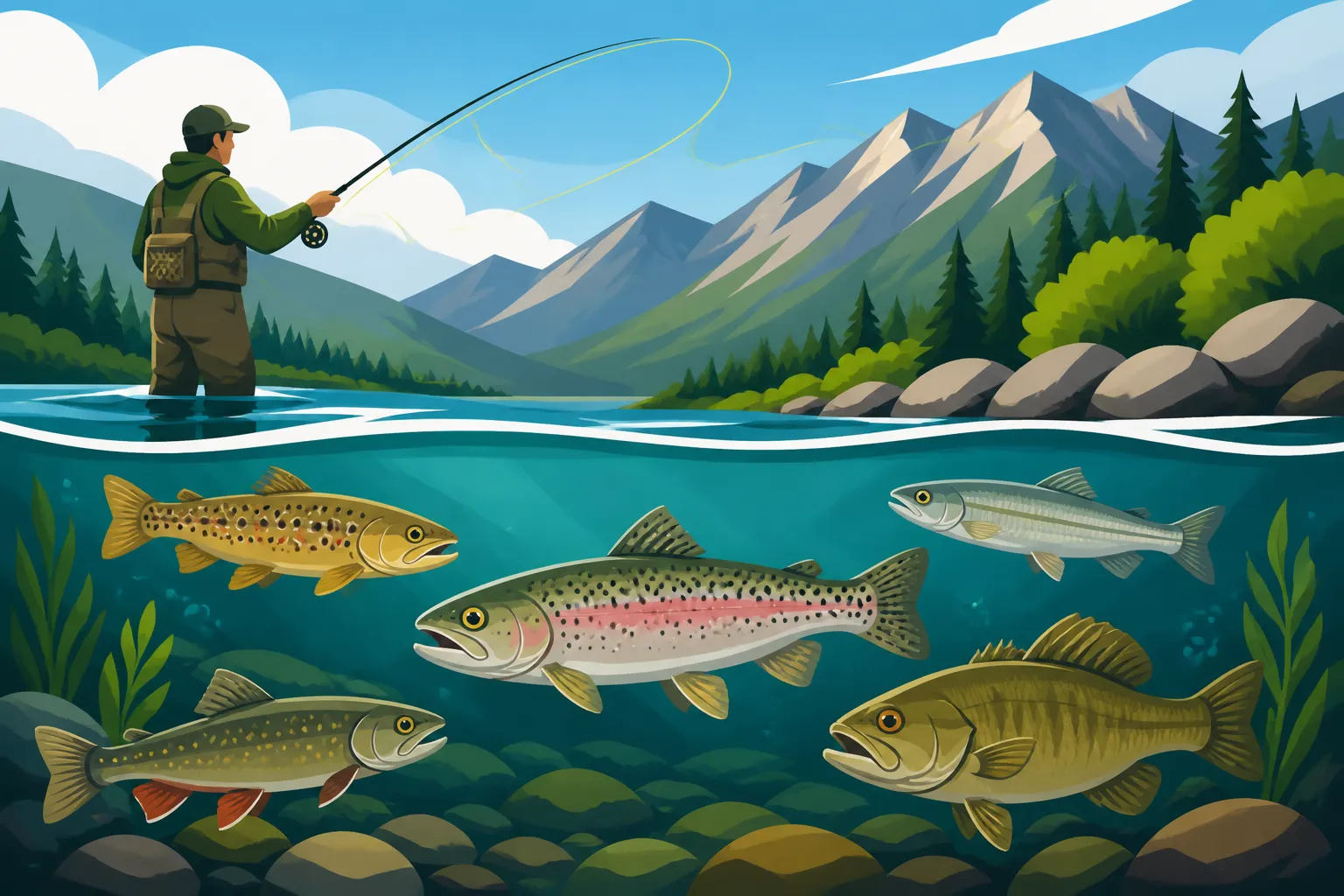
The Provo River’s fame largely rests on its incredible trout fishery. These cold-water species thrive in the river's conditions, attracting countless anglers each year. However, it's not a one-size-fits-all situation; a dynamic mix of different trout species inhabits the Provo, each with its own characteristics and preferred niches. Recognizing these distinctions is fundamental to understanding the river's ecosystem and improving your angling strategy.
Brown Trout: The Wily Residents
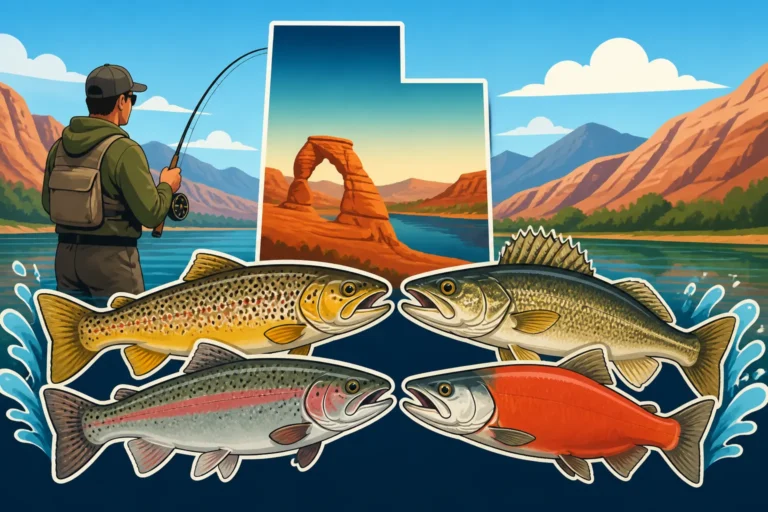
Brown trout are, without a doubt, a flagship species of the Provo River, particularly in its middle and upper sections. Unlike many other fisheries, a significant portion of the Provo's brown trout population is wild, meaning they were born and raised in the river, not stocked. This gives them an inherent wariness and resilience that makes them highly prized by experienced anglers. Their appearance is captivating: often golden-brown to olive on the back, with distinctive red and black spots that are frequently encircled by lighter halos along their flanks. They blend seamlessly with their surroundings.
These fish are formidable predators, constantly on the lookout for their next meal from beneath a submerged log, a deep cutbank, or a turbulent riffle. Hooking a large Provo River brown is an experience you won't soon forget, as they are known for their strong fights and impressive size. Targeting them requires a blend of stealth, accurate casting, and a keen understanding of insect hatches and stream structure. Early morning and late evening often prove to be the most productive times, as these fish tend to be more active under low light conditions. Their diet is incredibly varied, encompassing everything from aquatic insects and smaller baitfish to terrestrial creatures like grasshoppers and even mice. This necessitates a versatile fly box or a diverse selection of lures. For an even deeper dive into these cunning fish, consider reading Utah Brown Trout in Utah Rivers.
Rainbow Trout: Stocked and Wild Beauties
While brown trout are the wild, native-born heroes of the Provo, rainbow trout also play a vital role in the river's fishery. You'll find both wild, naturally reproducing rainbows and those that have been stocked by the Utah Division of Wildlife Resources (DWR) to enhance fishing opportunities. Rainbows are easily identified by their iridescent pink or red stripe running horizontally along their sides, a feature that gives them their namesake. Stocked rainbows typically offer more consistent action for anglers of all skill levels, especially in areas with easy public access. They are often less selective about their food sources and more eager to bite.
However, don't be fooled into thinking all rainbows are easy targets. The wild rainbow trout that have established strong populations in various parts of the Provo are every bit as challenging and rewarding to catch as their brown trout counterparts. These wild fish prefer well-oxygenated riffles and runs, constantly scanning for drifting insects. You'll often catch both browns and rainbows in the same stretch of water, adding a delightful element of surprise to each fish brought to the net. Stocked rainbows will readily take traditional baits like PowerBait, worms, and small spinners, while wild rainbows demand more refined presentations with flies or precise lure placements. If you want to learn more about the broader presence of this species across the state, Rainbow Trout in Utah Reservoirs offers additional context.
Cutthroat Trout: A Native Comeback
The Provo River is also part of the broader effort to restore and protect native cutthroat trout populations throughout Utah. Specifically, the Bonneville cutthroat trout, Utah's state fish, can be found in certain sections of the Provo, particularly in its higher-elevation tributaries and parts of the upper river where water quality and habitat are pristine. Cutthroat trout are most easily identified by the distinct red or orange "slash" marks found under their lower jaw, which truly looks like a cut. They tend to be less selective than brown trout and are often more willing to rise to a well-presented dry fly, making them a particular favorite among fly anglers.
Landing a native Bonneville cutthroat on the Provo River is a truly special experience, connecting you directly to the ecological heritage of the region. These trout thrive in the coldest, clearest waters, often inhabiting upstream sections that require a bit more effort to reach. Anglers targeting cutthroats typically use smaller, more delicate presentations, focusing on imitations of the aquatic and terrestrial insects that comprise their diet. While they may not always reach the trophy sizes of some brown trout, their aggressive strikes, beautiful markings, and native status make them a highly prized catch. For detailed information on distinguishing these unique fish, Bonneville Cutthroat Trout Identification is an invaluable resource.
Beyond Trout: Other Notable Aquatic Residents
While trout are undoubtedly the superstars of the Provo River, they share these waters with a host of other fascinating aquatic species. Though these species might not always be the primary target for most anglers, they are integral to the river's intricate food web and offer unique insights into the overall health and biodiversity of the ecosystem.
Mountain Whitefish: The Elusive Bottom Dwellers
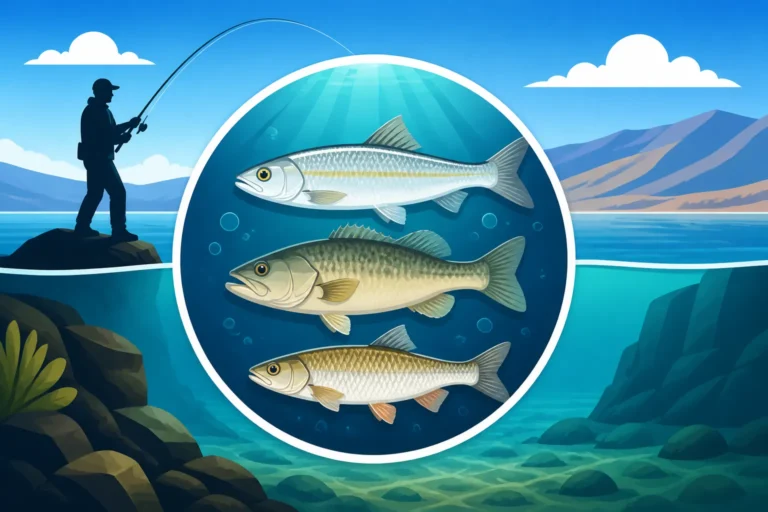
Mountain whitefish are a common, yet often overlooked, resident throughout the middle and upper reaches of the Provo River. As a native species to Utah, they thrive in cold, clear, and well-oxygenated streams and rivers. They possess a distinctive, elongated body with a small mouth and relatively large scales. While they may not provide the acrobatic fight of a trout, whitefish are known for their consistent bite, especially during the colder months when trout activity might slow down. Their presence is also a good indicator of excellent water quality, making them a valuable part of the river's ecological balance.
Whitefish are primarily bottom feeders, meticulously foraging on aquatic insects, nymphs, and larval forms. Anglers often catch them incidentally while nymphing for trout with small fly patterns, midge imitations, or tiny pieces of bait fished near the riverbed. While some anglers might consider them a "bycatch," mountain whitefish are a beautiful native fish that deserves respect. Many people also appreciate them for their culinary qualities, offering a delicate, flaky white meat. A simple Euro nymphing setup, often featuring sensitive rods and light lines, which you can easily find on Amazon, is an excellent way to target these bottom-oriented feeders.
Sculpin: The Riverbed Camouflage Artists
Sculpin are small, bottom-dwelling fish that are critically important to the Provo River’s ecosystem, even if you rarely spot them. These fish are masters of camouflage, blending almost perfectly with the gravel, rocks, and substrate of the riverbed. They are characterized by their large heads, broad pectoral fins, and mottled brown and grey patterns that allow them to disappear into their surroundings. Though not considered a sport fish, sculpin are an incredibly important forage species for larger, predatory trout. A healthy sculpin population is a strong indicator of a healthy, robust river environment.
Anglers seldom catch sculpin on purpose, but their presence is frequently confirmed when examining the stomach contents of larger brown and rainbow trout. This provides crucial information about what the trophy-sized fish are actively hunting. Consequently, streamer patterns designed to imitate sculpin are often incredibly effective for enticing those larger, more aggressive trout. If you're wading the river and carefully lift a flat rock in a calm eddy, you might just get a glimpse of one of these fascinating creatures, revealing a hidden layer of the Provo's biodiversity. To further your understanding of these and other intricate river inhabitants, countless books on local entomology and fish species are available on platforms like Amazon.
Other Potential Species: The Lower River Influence
As the Provo River makes its way downstream and approaches its confluence with Utah Lake, its environmental characteristics shift considerably. The water often becomes warmer, the current slows, and turbidity can increase, particularly after significant rain or during periods of high agricultural runoff. This transformation in habitat leads to a change in the fish community. While some resilient rainbow and brown trout might still be found in these lower stretches, especially during cooler seasons or immediately below urban outfalls, other species that thrive in warmer water become more prevalent.
In these lower sections, you might encounter species such as common carp, various native suckers (including, in very specific and protected areas, the endangered June Sucker), and even some panfish like bluegill or perch. The fishing experience in this transitional zone, where the river meets Utah Lake, can be markedly different from the upstream trout sections, often involving distinct techniques like bait fishing or targeting larger rough fish. It is absolutely crucial for anglers fishing these lower stretches to be aware of and adhere to all local regulations, particularly concerning protected and endangered species like the June Sucker, which must be immediately released unharmed if caught. For specific details on these unique fishing areas, Lower Provo River Fishing Spots Near Utah Lake offers valuable insights.
Fish Distribution Across Provo River Sections
The Provo River is far from uniform; it's a dynamic system composed of distinct sections, each presenting unique environmental conditions that favor particular fish species. For any angler planning a trip, grasping these ecological zones is paramount to understanding where to find specific fish and how to approach them. From its high-mountain origins to its final meander into Utah Lake, the river's fish communities adapt to their immediate surroundings.
The Upper Provo: Cold, Clear, and Cutthroat Friendly
The Upper Provo River typically refers to the stretches found above Jordanelle Reservoir and then again above Deer Creek Reservoir. These sections are defined by their consistently colder, often pristine waters and higher elevations. Fed by melting snow and numerous springs, these areas maintain ideal water temperatures for cold-water species year-round. Here, you'll discover a higher concentration of native Bonneville cutthroat trout, especially within the smaller, tributary streams that feed the main river. While rainbow and brown trout are also present, the cooler, wilder conditions often tip the scales in favor of the more resilient native cutthroat.
Access to many of these upper river stretches can be more challenging, frequently requiring hiking or navigating less-maintained roads. This relative inaccessibility helps preserve their wild character and often results in lighter angling pressure, offering a more tranquil and solitary fishing experience. The insect life in these elevated areas tends to be typical of high-mountain streams, meaning smaller, more delicate presentations with dry flies or subtle nymph patterns are usually most effective. Conservation efforts are particularly focused here, and many anglers enthusiastically practice catch-and-release to protect these sensitive populations. For those keen to explore these beautiful upstream havens, Provo River Fly Fishing Sections provides excellent guidance.
The Middle Provo: Blue Ribbon Trout Heaven
The Middle Provo River, encompassing the stretch from Deer Creek Dam down towards the urban areas of Provo, is arguably the most famous and intensely managed section of the entire river. This particular stretch proudly holds a "Blue Ribbon Fishery" designation, signifying its exceptional quality and active management for trophy trout. The consistent release of cold, oxygenated water from the bottom of Deer Creek Reservoir creates an almost perfect environment for large, robust brown and rainbow trout to flourish. While wild brown trout are abundant and highly sought after, this section also benefits from strategic stocking of rainbow trout, which helps to supplement the fishery and ensure consistent action for anglers.
This section is renowned for its prolific insect hatches throughout the year, supporting a rich food base that allows trout to grow to impressive sizes and remain exceptionally healthy. Public access is generally excellent, with numerous designated access points, extensive wading opportunities, and areas well-suited for drift boats. Anglers on the Middle Provo often employ advanced fly-fishing techniques, such as meticulous "matching the hatch" strategies or precise nymphing in deeper runs. The fish here are famously larger and more discerning, having seen countless fly patterns, making it a challenging but profoundly rewarding fishery. You can find many instructional books and videos on fly fishing this section, with expert advice readily available through retailers like Amazon. For practical details on popular access points, refer to Middle Provo River Access Near Vivian Park.
The Lower Provo: Transitioning Towards Warmer Waters
As the Provo River continues its journey past the urban centers of Provo and Orem and approaches Utah Lake, the Lower Provo River undergoes a significant environmental transformation. The river's gradient flattens, its flow slows, the water temperature increases, and clarity can decrease, especially following rain events or during high runoff periods. This dramatic change in habitat inevitably leads to a shift in the fish species composition. While some hardy rainbow and brown trout might still be present, particularly during the cooler months or in localized cold-water pockets, other species become far more common and dominant.
In this lower, warmer section, you are much more likely to encounter species like common carp, various native sucker species, and a range of panfish, including bluegill and yellow perch. The fishing experience here diverges significantly from the trout-centric angling upstream, often involving different baits, tackle, and techniques focused on these warmer-water species. This area is also critically important for the endangered June Sucker, which uses the lower river for spawning and as nursery habitat before adults return to Utah Lake. Anglers fishing this section bear a significant responsibility to correctly identify their catch and rigorously adhere to all specific regulations, particularly regarding the immediate release of protected species.
| Fish Species | Common Provo River Section | Typical Size Range (Inches) | Primary Diet | Distinctive Features |
|---|---|---|---|---|
| Brown Trout | Middle, Upper | 12-20+ | Insects, minnows, mice, crustaceans | Golden-brown to olive back, red/black spots often with light halos, creamy belly. |
| Rainbow Trout | Middle, Upper | 10-18 | Insects, pellets (stocked), small baitfish | Iridescent pink/red stripe, numerous small black spots on back and tail. |
| Cutthroat Trout | Upper, tributaries | 8-16 | Aquatic/terrestrial insects | Red/orange slash marks under lower jaw, fine black spots, especially towards tail. |
| Mountain Whitefish | Middle, Upper | 8-14 | Bottom-dwelling insects, nymphs, larvae | Elongated body, small downturned mouth, large scales, adipose fin, often silvery-gray. |
| Sculpin | All (bottom structure) | 2-6 | Aquatic invertebrates, insect larvae | Large flattened head, broad pectoral fins, mottled camouflage, no scales. |
| Carp | Lower | 15-30+ | Omnivorous, bottom-feeder | Large, thick scales, prominent barbels around mouth, deeply keeled body, brownish color. |
Conservation and Responsible Angling on the Provo River
The rich diversity and robust health of the Provo River's fish populations are not merely natural occurrences; they are the direct result of continuous, dedicated conservation initiatives and the conscientious practices of its angling community. Sustaining such a vibrant and thriving aquatic ecosystem demands ongoing vigilance, unwavering adherence to regulations, and a collective commitment to protecting vulnerable populations and managing the fishery for generations to come.
Protecting Native and Endangered Species
A cornerstone of conservation efforts on the Provo River centers on the protection and rehabilitation of native fish species, most notably the Bonneville cutthroat trout and the critically endangered June Sucker. These efforts encompass a broad spectrum of activities, including comprehensive habitat restoration projects, strategic limitations on harvest, and the proactive control of non-native invasive species that compete for vital resources. Anglers are undeniably critical partners in these endeavors. By developing a strong understanding of fish identification, diligently practicing careful catch-and-release techniques, and scrupulously following all posted regulations, we contribute directly to the survival and recovery of these precious fish.
For instance, if you're fishing the lower river and believe you've hooked a June Sucker, immediate and accurate identification is crucial. These fish are part of an extensive, long-term conservation program, and the well-being of every individual specimen is paramount. Such a catch must be released gently and unharmed as quickly as possible. Similarly, in areas where Bonneville cutthroat populations are particularly vulnerable, you may encounter special regulations, such as mandatory barbless hooks or designated catch-and-release-only zones. Taking the time to educate yourself on specific rules for Utah Catch-and-Release Waters and sharpening your fish identification skills is your most effective way to help safeguard these vital components of the Provo River's ecosystem.
Understanding and Adhering to Regulations
Utah maintains a comprehensive and dynamic set of fishing regulations, meticulously crafted to ensure the sustainable management of its diverse fisheries. These regulations cover a wide array of topics, from daily bag and possession limits to highly specific tackle restrictions, particularly in the designated fly-fishing-only or catch-and-release quality waters that are characteristic of the Provo River. It's imperative to recognize that sections of the Provo, especially its blue-ribbon stretches, often have nuanced rules that diverge from the general statewide regulations.
Before embarking on any fishing trip, it is absolutely essential to consult the most current Utah Fishing Guidebook. This guide is your ultimate authority on legal fishing practices. Ignorance of the rules is never an acceptable defense for violations, and non-compliance can result in substantial penalties, including hefty fines and even license suspension. The regulations detail everything from permissible bait types to required hook styles (such as the ubiquitous barbless hook requirement on much of the Middle Provo) and precise rules for keeping or releasing certain species. The DWR works tirelessly to strike a delicate balance between providing abundant fishing opportunities and ensuring long-term conservation, and our active cooperation as anglers is the linchpin of their success. You can readily access the official guidebook online, purchase a physical copy at most sporting goods stores, or even download a compact, waterproof version perfect for your vest or tackle box from platforms like Amazon. For a broader understanding of the state's comprehensive fishing rules, Utah Fishing Regulations Explained offers an excellent starting point.
The Role of Anglers in Ecosystem Health
Beyond the fundamental act of following established rules, responsible angling embodies a deeper ethic of environmental stewardship. This extends to practicing proper waste management—ensuring that everything you bring to the river, from discarded fishing line and bait containers to food wrappers, is packed out with you. It also involves minimizing your physical impact on delicate riparian habitats by staying on designated paths, avoiding the trampling of sensitive bankside vegetation, and being mindful of fish spawning areas.
For those who embrace fly fishing, investing time in learning about the local entomology of the Provo River can dramatically enhance both your angling success and your profound appreciation for the river's complex ecosystem. Understanding which insects are hatching, when they emerge, and what their life cycles entail will lead to more effective fly pattern selections, as further detailed in guides like Best Flies for Utah Trout Streams or What Flies Work Best on the Provo River in Spring?. Carrying a small, dedicated trash bag in your vest or backpack and proactively collecting any litter you encounter, even if it's not yours, makes an immeasurable contribution to preserving the pristine beauty and overall ecological health of the Provo River for all future generations to enjoy. Our collective actions, both large and small, directly shape the diversity and abundance of the very fish species we so deeply cherish.
Disclaimer
This article is for general informational purposes only and does not constitute professional advice. Laws, prices and regulations vary by location and change over time. Consult a qualified professional for guidance on your specific situation.