Is a Utah Fishing License Valid in Idaho or Wyoming?
It’s a common daydream for many anglers: standing on the banks of a beautiful river, casting a line, and watching it meander effortlessly across state lines, assuming your single fishing license covers it all. But the reality of fishing across state borders, especially between neighboring states like Utah, Idaho, and Wyoming, can quickly turn that dream into a head-scratching tangle of regulations. This guide will untangle the specifics, explaining exactly whether your Utah fishing license extends to its neighbors and what you truly need to know before casting a line in another state.
Fishing Licenses Are Strictly State-Specific
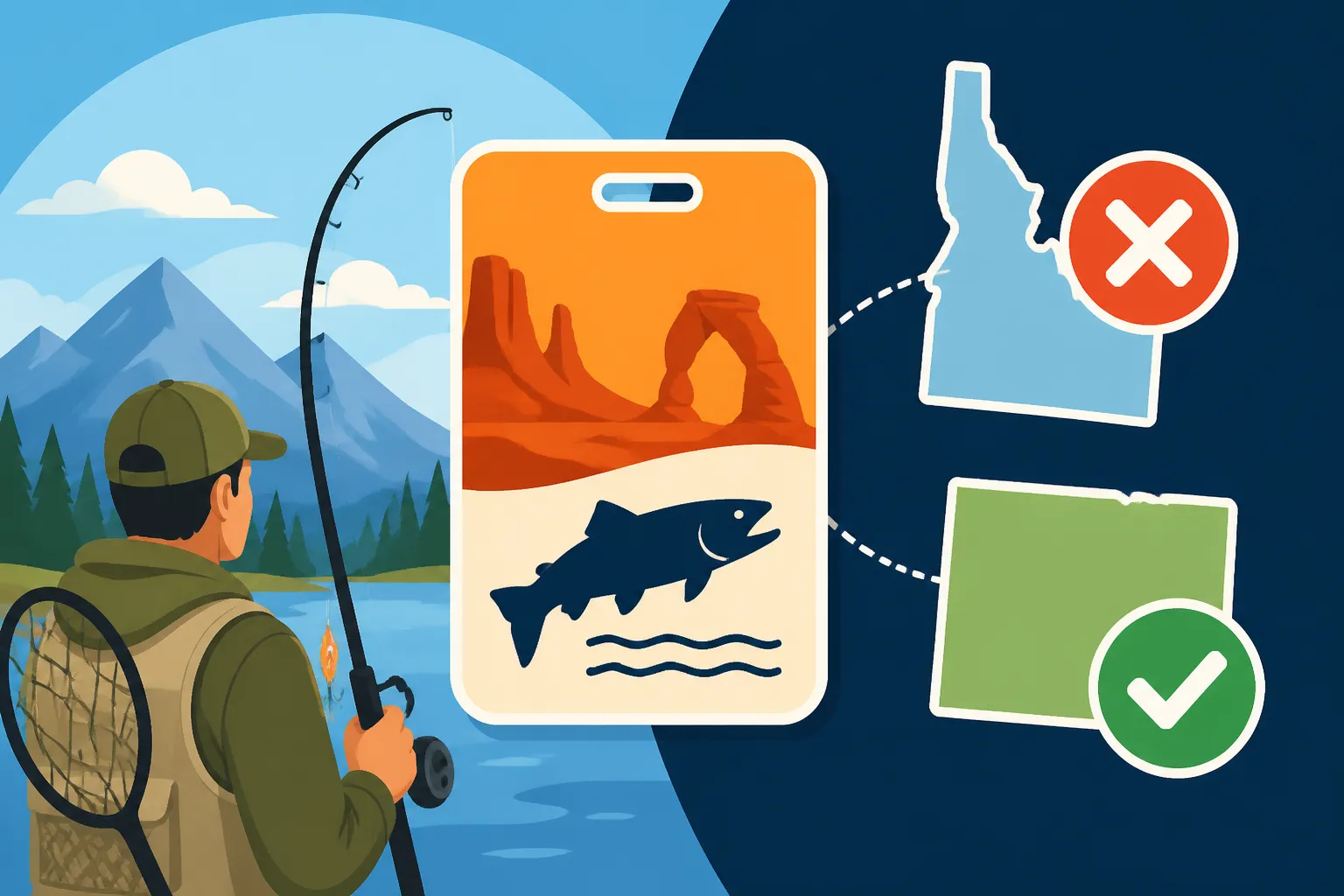
Let’s get right to the heart of the matter because this is where many folks get tripped up, often leading to unnecessary frustration or even a costly citation. The straightforward answer to whether your Utah fishing license is valid in Idaho or Wyoming is a resounding no. Fishing licenses are issued by individual state wildlife agencies, and they are generally only valid within the borders of that specific state.
Think of it this way: each state manages its own wildlife resources, sets its own conservation goals, and uses the revenue from fishing license sales to fund those efforts. This includes fish stocking programs, habitat restoration, enforcement, and education. If your Utah license were suddenly valid everywhere, Idaho and Wyoming wouldn't be collecting the necessary funds to maintain their fisheries, and their local management efforts would suffer. It’s a crucial system for maintaining healthy fish populations and access for anglers everywhere.
The Fundamental Principle of State Sovereignty
Every state in the U.S. has the sovereign right to manage its natural resources, including its fish and wildlife. This management includes setting rules for who can harvest these resources, when they can do it, and how much they can take. The Utah Division of Wildlife Resources (DWR), the Idaho Department of Fish and Game (IDFG), and the Wyoming Game and Fish Department (WGFD) all operate independently, each with their own budgets, policies, and regulations. They don't typically have reciprocal agreements that allow a single license to be used across state lines for general fishing.
This means that if you're planning a fishing trip that takes you from, say, the Provo River in Utah all the way up to the Henry's Fork in Idaho or across to the Green River in Wyoming, you'll need to stop and purchase a separate nonresident license for each state you intend to fish in. Failing to do so can result in hefty fines and the confiscation of your gear, which is the last thing any angler wants. It might seem like an inconvenience, but it's a fundamental aspect of wildlife conservation. If you're looking to understand all the local rules, our comprehensive guide to Utah Fishing Regulations Explained can offer more insights into Utah's specific laws.
Why No Universal License?
You might wonder why, in an age of interstate travel and shared digital systems, a national or regional fishing license isn't a thing. While some states have specific, limited agreements for shared border waters (which we'll dive into next), a widespread universal license is impractical for several reasons:
- Varying Conservation Needs: Fish populations and ecological challenges differ greatly from state to state. What works for trout management in Utah might be completely irrelevant or even detrimental to salmon runs in Idaho.
- Funding Allocation: License fees are directly tied to state-specific conservation budgets. A universal license would require a complex system for distributing funds fairly among states, which would be a bureaucratic nightmare.
- Enforcement Complexity: Game wardens and conservation officers are state-level law enforcement. Enforcing a multi-state license would introduce jurisdictional issues that are simply too complex to manage efficiently on a broad scale.
So, while the idea of a single license for all your adventures is appealing, the current system is designed to ensure effective, localized management of precious aquatic resources.
Border Waters Where Things Get Complicated and Sometimes Simpler
While the general rule is "one state, one license," there are indeed exceptions, particularly when it comes to waters that literally straddle state lines. These "border waters" are often governed by special reciprocal agreements between the states involved. These agreements are designed to make it a little easier for anglers who might be fishing a lake or river that flows through or is shared by both states, allowing for more seamless access under certain conditions.
In the case of Utah, the most prominent example of such a border water involves Bear Lake, which is famously split between Utah and Idaho. Similarly, Flaming Gorge Reservoir is a massive body of water shared by Utah and Wyoming. These aren't just any waters; they're iconic fishing destinations, attracting anglers from all over.
Bear Lake: A Utah-Idaho Special Agreement
Bear Lake is a stunning, deep blue lake known for its unique fish species, including the famous Bonneville cisco run. This lake is divided right down the middle, with its northern half in Idaho and its southern half in Utah. Recognizing the impracticality of requiring anglers to switch licenses as they drift across an invisible line, Utah and Idaho have a specific reciprocal agreement for Bear Lake.
Under this agreement, either a valid Utah fishing license or a valid Idaho fishing license will allow you to fish the entire lake, regardless of which side you're on. This is a fantastic convenience for anglers, but it’s crucial to understand that while your license is valid for the whole lake, the regulations might differ depending on which state's side you are physically fishing. For example, bag limits or specific gear restrictions might align with either Utah or Idaho law depending on your location. Always make sure to check the current regulations for both states before you go, even if your license covers the whole lake. The Idaho Department of Fish and Game and the Utah Division of Wildlife Resources both publish annual fishing handbooks that detail these specific border water rules. Getting a Utah Fishing License Online Purchase Process is straightforward, and similar options exist for Idaho.
Flaming Gorge Reservoir: A Utah-Wyoming Shared Treasure
Flaming Gorge is another colossal interstate fishery, revered for its trophy lake trout, kokanee salmon, and smallmouth bass. This reservoir stretches across southeastern Wyoming and northeastern Utah. Similar to Bear Lake, a reciprocal agreement is in place for Flaming Gorge, simplifying things for anglers.
Anglers holding either a valid Utah fishing license or a valid Wyoming fishing license can legally fish the entire Flaming Gorge Reservoir. This eliminates the headache of constantly checking your GPS to ensure you're on the "right" side of the border. However, just like with Bear Lake, while your license grants access to the whole reservoir, it's paramount to be aware that the fishing regulations might vary between the Utah and Wyoming sections. For example, bag and possession limits for certain species, or even seasons, could differ. It’s always best practice to consult the current regulations published by both the Wyoming Game and Fish Department and the Utah Division of Wildlife Resources to avoid any legal trouble. This is especially important for species like lake trout, where limits can sometimes be quite generous, or even mandatory harvest in some areas to manage populations. Understanding your Utah Fishing License Costs by Age and Residency is a good first step, but remember to factor in Wyoming's nonresident costs too.
Other Potential Border Waters
While Bear Lake and Flaming Gorge are the most well-known reciprocal agreements, it's always wise to check with the state wildlife agencies for any smaller, lesser-known shared waters. For instance, sections of rivers that form natural state boundaries might have specific agreements, though these are far less common than for large reservoirs. Always assume separate licenses are required unless you can verify a specific, written reciprocal agreement.
Why Separate Licenses Are Necessary Beyond Border Waters
Beyond those unique border agreements, understanding why separate licenses are required for general fishing in each state can help manage expectations and avoid frustration. It’s not just about bureaucracy; it’s about a deeply integrated system of wildlife management and conservation funding.
Funding Conservation Efforts
Each fishing license purchased is a direct investment in that state’s natural resources. When you buy a Utah Resident Fishing License Cost, a significant portion of that money goes directly to the Utah Division of Wildlife Resources. These funds are critical for:
- Fish Stocking: Utah DWR actively stocks millions of fish each year into community ponds, rivers, and reservoirs to enhance fishing opportunities.
- Habitat Restoration: Projects to improve water quality, stream banks, and spawning grounds are vital for wild fish populations.
- Research and Monitoring: Biologists study fish populations, water conditions, and environmental factors to make informed management decisions.
- Enforcement: Game wardens patrol waters, ensuring compliance with regulations, protecting against poaching, and educating anglers.
- Access and Infrastructure: Maintaining boat ramps, fishing piers, and public access points.
If you fish in Idaho or Wyoming without their respective licenses, you're essentially using their resources without contributing to their conservation efforts. This imbalance would be unsustainable and unfair to the resident anglers who do pay into the system.
Understanding State-Specific Regulations
Beyond the license itself, each state has its own unique set of fishing regulations tailored to its specific ecosystems and fish populations. These regulations can vary wildly from state to state, and even within different regions or specific waters of a single state.
For example, Utah might have specific slot limits for cutthroat trout in Strawberry Reservoir, while Idaho might have different rules for rainbow trout in the Snake River. Wyoming could have unique catch-and-release requirements for specific stretches of the Green River. These differences are not arbitrary; they are carefully crafted by fisheries biologists to ensure the long-term health and sustainability of local fish populations. Attempting to navigate these waters with only a basic understanding of one state's rules would be a recipe for unintentional violations. Many of these details are covered in our more specific guides, such as Utah Fishing Season Dates and Limits and Utah Daily Bag and Possession Limits.
Aquatic Invasive Species (AIS) Prevention
Another critical reason for state-specific oversight, and something you'll encounter when crossing state lines, is the fight against Aquatic Invasive Species (AIS). States like Utah, Idaho, and Wyoming are extremely vigilant about preventing the spread of invaders like quagga and zebra mussels. These species can devastate ecosystems, clog infrastructure, and severely impact fishing.
When you move a boat, kayak, or even waders from one state to another, especially from waters known to have AIS (like Lake Powell, which is infested with quagga mussels), you'll often be required to undergo inspections and decontamination procedures. Both Idaho and Wyoming have stringent AIS programs, similar to Utah's, requiring boats to be inspected. Your fishing license often helps fund these critical programs. Ignoring these rules can lead to significant fines and penalties. For detailed information, check out Utah Aquatic Invasive Species Rules for Anglers. Some anglers might even purchase portable decontamination kits on platforms like Amazon to ensure their gear is always clean, even though professional inspection is usually still required for boats.
Planning Your Cross-State Fishing Trip
So, you've accepted that you'll likely need multiple licenses for your multi-state angling adventures. Now, let's talk about how to plan effectively to make your trip as smooth and enjoyable as possible, minimizing surprises and maximizing your time on the water.
Research Each State’s Licensing Requirements
Before you even pack your bags, make it a priority to research the licensing requirements for every state you plan to fish in. This isn't just about the cost; it's about understanding the types of licenses available.
- Residency: Are you a resident of Utah, Idaho, or Wyoming? Your residency status will significantly impact the price of your license. Non-resident licenses are almost always more expensive.
- License Duration: Do you need an annual license, or will a short-term option (like a 3-day or 7-day license) suffice for your trip? Utah offers Utah 3-Day and 7-Day Fishing License Options, and Idaho and Wyoming have similar choices for non-residents.
- Age Requirements: What are the age requirements for needing a license in each state? Children under a certain age are often exempt. For Utah, you can find more information on Utah Youth Fishing License Rules.
- Special Permits/Stamps: Some states require additional stamps or permits for certain activities, like fishing for salmon or steelhead, or using specific gear.
You can usually find all this information on the official wildlife agency websites for each state (Utah DWR, Idaho IDFG, Wyoming WGFD).
Understand and Abide by Local Regulations
Once you have your licenses sorted, dive deep into the specific fishing regulations for the waters you intend to visit in each state. Remember, even on reciprocal border waters like Bear Lake or Flaming Gorge, the rules can differ by state.
- Bag and Possession Limits: These specify how many fish of a certain species you can keep per day and how many you can have in your possession.
- Size Limits: Minimum or maximum length restrictions for certain fish.
- Gear Restrictions: Are bait, lures, or flies restricted? Are there specific hook types required? (e.g., barbless hooks for some fly-fishing-only waters).
- Seasons and Closures: Some waters or sections of rivers might be closed during certain times of the year, especially during spawning seasons.
- Invasive Species Rules: Beyond general boat inspections, some states have very specific rules about baitfish transport or what you can do with certain invasive species (e.g., mandatory kill orders for northern pike in Utah Lake).
It’s a good idea to download or print the official fishing handbooks for each state and keep them with you. Many states also offer mobile apps that have the regulations handy, which can be a lifesaver when you're out on the water.
Essential Gear and Aquatic Invasive Species Protocol
Traveling between states, especially with a boat or gear that has been in the water, requires diligence regarding AIS.
- Clean, Drain, Dry: This is the mantra. Before leaving any water body, especially one in a different state, make sure your boat, trailer, waders, and all fishing gear are thoroughly cleaned, completely drained of all water, and allowed to dry. Many anglers invest in a good shop vac or even a portable power washer for their trailers, easily found on Amazon.
- Inspections: Be prepared for mandatory inspections. Utah, Idaho, and Wyoming all have inspection stations, particularly on major highways entering the state or near infested waters. Do not bypass these stations. They are there to protect the waters you love to fish. For specifics on Utah, check out Utah Aquatic Invasive Species Inspection Stations.
- Emergency Decontamination: If your boat has been in a high-risk water body, or if an inspector finds mussels, be prepared for mandatory decontamination, which involves hot, high-pressure washing. This can be costly and time-consuming but is absolutely necessary.
By being proactive, you can ensure you're not inadvertently contributing to the spread of invasive species, protecting the fisheries for everyone.
Summary of Interstate License Validity
To make it super clear, here’s a quick breakdown of what you need to remember when thinking about a Utah fishing license and its validity in neighboring states:
| State of Fishing Activity | Utah License Valid? | Idaho License Valid? | Wyoming License Valid? | Important Considerations |
|---|---|---|---|---|
| General Waters in Utah | Yes | No | No | Must have a valid Utah license (resident or nonresident). |
| General Waters in Idaho | No | Yes | No | Must have a valid Idaho license (resident or nonresident). |
| General Waters in Wyoming | No | No | Yes | Must have a valid Wyoming license (resident or nonresident). |
| Bear Lake (UT/ID Border) | Yes | Yes | No | Reciprocal Agreement: Either a Utah OR Idaho license is valid for the entire lake. Always check current UT and ID regulations for specific rules. |
| Flaming Gorge (UT/WY Border) | Yes | No | Yes | Reciprocal Agreement: Either a Utah OR Wyoming license is valid for the entire reservoir. Always check current UT and WY regulations for specific rules. |
This table should help clarify the general rules and the specific exceptions for those beloved border waters. Planning ahead, purchasing the correct licenses, and understanding all the regulations will make your multi-state fishing trip much more enjoyable and keep you on the right side of the law.
Final Thoughts on Responsible Cross-State Angling
Navigating the waters (pun intended!) of interstate fishing regulations can feel like a maze at times. However, the core principle is always about responsible stewardship. Each state works hard to manage its unique fisheries, and our contribution as anglers, through license purchases and adherence to regulations, is vital.
So, while your Utah fishing license won't get you access to the beautiful waters of Idaho's Salmon River or Wyoming's Yellowstone Lake, it will give you access to incredible fishing within the Beehive State. And for those unique border waters, the reciprocal agreements offer a fantastic opportunity to explore broader horizons without too much hassle. Just remember to always do your homework, purchase the necessary licenses, and fish responsibly wherever your adventures take you. Happy angling!
Disclaimer
Please note that fishing regulations and licensing requirements can change. While this guide provides current information based on general understanding and publicly available data, it is crucial for anglers to always verify the most up-to-date rules and regulations directly with the Utah Division of Wildlife Resources, the Idaho Department of Fish and Game, and the Wyoming Game and Fish Department before engaging in any fishing activities. This content is for informational purposes only and does not constitute legal advice.