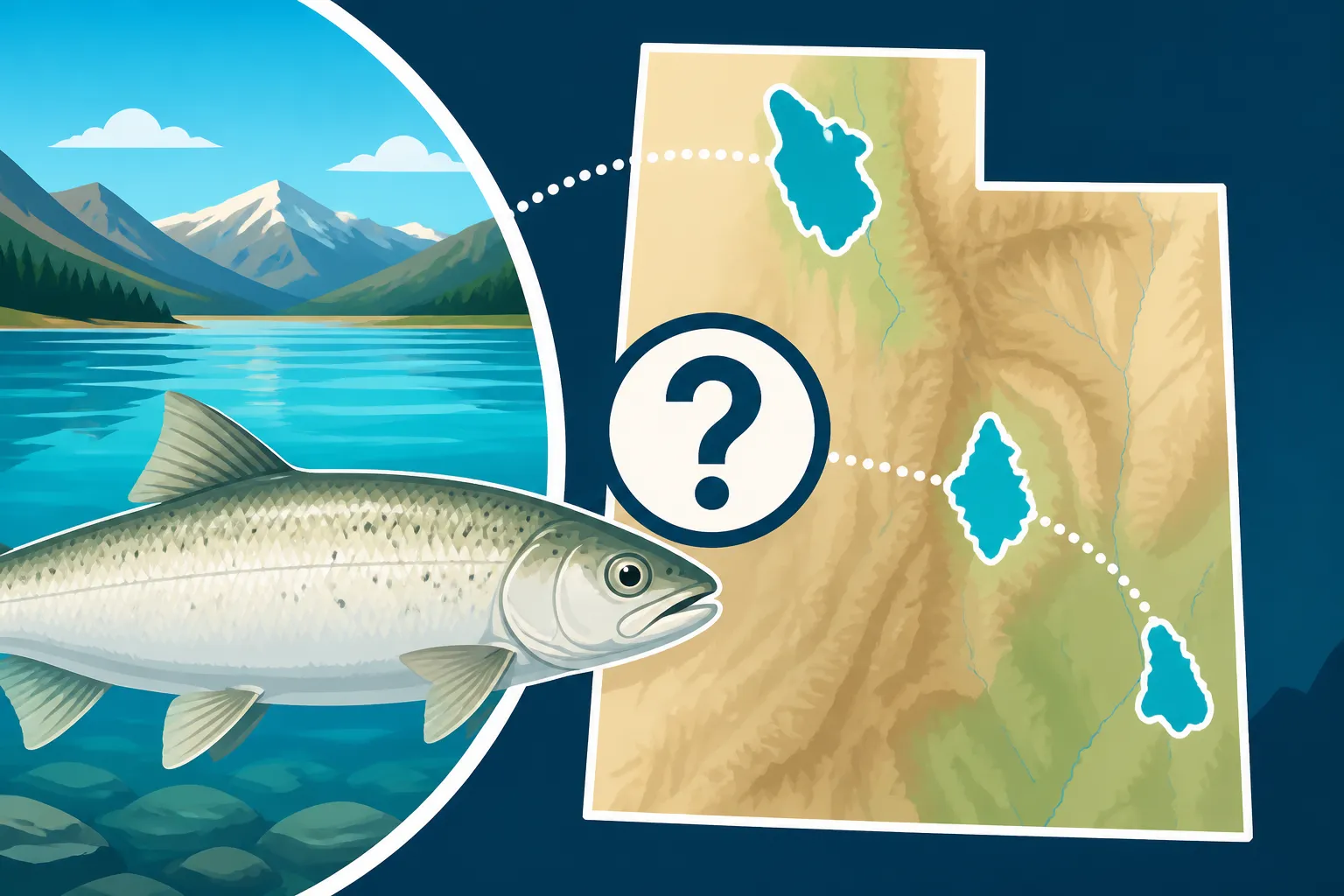
Is the Bonneville Cisco Found Anywhere Besides Bear Lake?
It’s a common question for anglers passionate about Utah’s unique fisheries: you hear all about the Bonneville Cisco and its famous winter run, but is this incredibly specific fish truly found only in Bear Lake, or could there be hidden populations elsewhere in the state? The truth is, the Bonneville Cisco is a fascinating, rare species, and understanding its exclusive habitat helps us appreciate the delicate ecosystems that support such unique fish. This guide will dive deep into why this particular cisco calls only Bear Lake home and explore the distinct characteristics that make it so special.
The Bonneville Cisco: A True Bear Lake Native
The Bonneville Cisco (Prosopium gemmifer) is one of those incredible species that truly defines a body of water. When you talk about this particular fish, you are talking about Bear Lake, a stunning natural treasure that straddles the Utah-Idaho border. It’s not just a fish in Bear Lake; it’s the fish that helps give the lake its unique identity, particularly during its legendary winter spawning run. Many people are familiar with the exciting winter ritual of dipping for cisco, but the question of whether it lives elsewhere often comes up, perhaps stemming from hopes of finding another secret hotspot.
The reality is that the Bonneville Cisco is an endemic species, which means it naturally occurs only in one specific geographical area. For this fish, that area is Bear Lake and nowhere else in the world. It’s a remarkable example of evolution and adaptation, thriving in conditions found exclusively within this single, deep, ancient lake. The ecosystem of Bear Lake has provided the perfect conditions for the Bonneville Cisco to evolve and flourish, making it a biological gem.
The Geological History of Bear Lake and its Unique Inhabitants
Bear Lake isn't just any lake; it's an ancient lake with a geological history that stretches back millions of years. This long isolation is crucial to understanding why species like the Bonneville Cisco are found nowhere else. Over vast stretches of time, as the geological landscape of the region shifted and changed, Bear Lake remained a stable, deep-water environment. Rivers and streams fed into it, but it became a closed basin, meaning no outlets connected it to other major river systems. This isolation prevented fish from migrating in or out, allowing populations within the lake to evolve independently.
Imagine a small, isolated island where unique bird species develop over millennia, distinct from their mainland relatives. Bear Lake is much the same for its fish. The Bonneville Cisco, along with several other species, evolved in this "aquatic island," adapting to the specific depths, temperatures, and food sources available there. This deep evolutionary history is why scientists and anglers alike hold such reverence for Bear Lake's native species. It's a living laboratory of natural selection.
What Makes the Bonneville Cisco So Distinct?
Beyond its geographical exclusivity, the Bonneville Cisco itself has some pretty distinct characteristics. They are a relatively small, silvery fish, typically only growing to about 6-10 inches in length. What truly sets them apart is their life cycle, particularly their spawning habits. Unlike many fish that spawn in spring or fall, the Bonneville Cisco undertakes its spawning run in the dead of winter, usually in January, under the ice. This is the period when anglers gather with dip nets, often through holes in the ice, to participate in the unique tradition of the Bear Lake Cisco Run Fishing Spots.
Their diet consists mainly of zooplankton, small aquatic organisms that thrive in the cold, clear waters of Bear Lake. This specialized diet means they are perfectly adapted to their environment. Their physical attributes, such as their slender body shape and position of their mouth, are also tailored for feeding on tiny creatures in the open water column. Understanding What the Bonneville Cisco Is helps appreciate the delicate balance of their existence.
Why Bear Lake Provides the Perfect Habitat
So, what is it about Bear Lake that makes it the sole bastion for the Bonneville Cisco? It boils down to a combination of its unique physical characteristics, the water quality, and the specific food web it supports. It's not just a large puddle; it's a finely tuned ecological system.
Deep, Cold, and Oxygen-Rich Waters
The Bonneville Cisco thrives in deep, cold, and highly oxygenated water, and Bear Lake delivers on all counts. With depths reaching over 200 feet, the lake maintains a consistent cold temperature in its lower reaches, even during the warmer summer months. This stratification, where layers of water at different temperatures form, creates ideal conditions for cold-water species. The deep water also acts as a reservoir for oxygen, crucial for these fish, especially during periods when surface ice might otherwise limit oxygen exchange.
Other lakes in Utah might be deep, but they often lack the right combination of cold temperatures throughout the year and pristine water quality that the cisco requires. Bear Lake's unique hydrography, coupled with its consistent water chemistry, creates a stable environment that has remained relatively unchanged for millennia, giving the cisco a consistent home it can rely on. If you're looking to understand the ecosystem better, even a simple Amazon search for books on limnology (the study of lakes) can shed light on these fascinating dynamics.
A Specialized Food Web
The diet of the Bonneville Cisco, primarily zooplankton, relies on a specific food web that flourishes in Bear Lake. The lake’s oligotrophic (low nutrient) nature, combined with its high mineral content, results in a unique plankton community. These tiny organisms are the base of the cisco's food chain, and without them in the right abundance and type, the cisco simply wouldn't have enough to eat. It's a classic example of an intricate predator-prey relationship that has evolved over eons.
This specialized food web also supports other unique species. The Bear Lake Cutthroat Trout Facts highlight how some of Bear Lake's predatory fish, including the Bonneville Cutthroat Trout, rely on the cisco as a crucial food source, especially during their spawning runs. This interdependency underscores the fragility of the entire ecosystem; if one component were to suffer, the others would undoubtedly feel the ripple effects.
Lack of Connectivity to Other Water Systems
As mentioned earlier, Bear Lake’s status as a closed basin is perhaps the most significant factor in the Bonneville Cisco's exclusivity. Historically, it didn't connect to major river drainages like the Snake River or the Colorado River systems. This meant that fish couldn't simply swim in from other areas, and the cisco couldn't swim out. This isolation allowed it to evolve without competition or hybridization from similar species found elsewhere.
In today's world, the threat of Utah Aquatic Invasive Species Rules for Anglers is very real, and preventing the spread of species from one water body to another is paramount. This modern concern highlights just how important natural historical isolation has been for species like the Bonneville Cisco. The lack of connectivity isn't just a historical anecdote; it's a critical ecological feature that continues to protect this unique fish.
Conservation Efforts and the Future of the Bonneville Cisco
Given its singular existence in Bear Lake, the Bonneville Cisco is a fish of significant conservation interest. Protecting its habitat and ensuring sustainable angling practices are vital to its survival. Anglers, researchers, and wildlife managers all play a role in safeguarding this unique species for future generations.
Sustainable Angling and Management
The famous winter cisco run brings thousands of anglers to Bear Lake each January. The Utah Division of Wildlife Resources (UDWR) and the Idaho Department of Fish and Game meticulously manage this fishery to ensure its sustainability. Regulations, including daily bag limits and methods of take (like dip netting), are carefully set to allow for an enjoyable recreational experience while protecting the cisco population. These agencies closely monitor population numbers and health, adjusting regulations as needed to maintain balance. You can always find the latest information in the Utah Fishing Regulations Explained.
It's a delicate balance: allowing people to enjoy this unique fishery while ensuring the fish itself continues to thrive. Education plays a huge role here, helping anglers understand the importance of respecting limits and practicing responsible angling. For those looking to get into dip netting, a quick search on Amazon for specialized dip nets or insulated clothing will show you just how much preparation goes into this unique winter tradition.
The Threat of Invasive Species
While the Bonneville Cisco is uniquely adapted to Bear Lake, it is not immune to threats. Invasive species pose a significant risk to native ecosystems worldwide, and Bear Lake is no exception. Non-native fish, plants, and even microscopic organisms can outcompete native species for food, introduce diseases, or alter the habitat in detrimental ways. The vigilance required to prevent new invasive species from entering Bear Lake is constant.
This is why understanding and following rules about cleaning, draining, and drying boats and gear before moving them between water bodies is so crucial. Even a tiny piece of plant or a few drops of water from another lake could carry an unwelcome intruder that could disrupt the delicate balance the cisco relies on. Protecting this precious resource is a shared responsibility among all who enjoy Utah's waters.
Other Unique Fish Species in Utah
While the Bonneville Cisco is unique to Bear Lake, Utah is home to a surprising array of other interesting and sometimes endemic fish species. The state’s diverse aquatic environments, from high mountain lakes to desert rivers, foster a variety of fish life, some of which are found in very limited areas.
Fish Species Unique to Other Utah Waters
Bear Lake isn't the only body of water with its own special residents. For example, Other Fish Species Unique to Bear Lake include the Bear Lake Sculpin and the Bear Lake Whitefish, both further testaments to the lake's long history of isolation. These species, while not as widely known as the cisco, are equally important to the lake's biodiversity and ecological health. Each plays a role in the intricate web of life found there.
Moving beyond Bear Lake, Utah Lake, despite facing its own set of environmental challenges, is home to the endangered June Sucker. This fish is another example of a species that evolved in a highly specific, isolated environment. Efforts to recover the June Sucker population are ongoing, highlighting the importance of conservation for these localized species. Even the various sub-species of Cutthroat Trout, like the Bonneville Cutthroat, have unique genetic distinctions tied to specific drainages and waters within Utah. A diverse set of species like these is truly a testament to the state's natural heritage.
| Species Name | Primary Habitat | Endemic to Utah? | Unique Characteristic |
|---|---|---|---|
| Bonneville Cisco | Bear Lake | Yes | Winter spawning run, found only here. |
| Bear Lake Sculpin | Bear Lake | Yes | Small, bottom-dwelling fish, part of Bear Lake's unique fauna. |
| June Sucker | Utah Lake | Yes | Critically endangered, native to Utah Lake. |
| Bonneville Cutthroat | Bear River Drainage | Yes (subspecies) | Native trout, state fish, distinct genetic markers. |
| Bear Lake Whitefish | Bear Lake | Yes | Similar to cisco but with different feeding habits. |
How to Learn More About Utah's Fish Species
If you're fascinated by the incredible diversity of fish in Utah, there are many resources available. The Utah Division of Wildlife Resources website is an excellent starting point, offering detailed information on different species, their habitats, and conservation efforts. Local libraries and even online bookstores like Amazon often carry field guides specific to Utah's fish and wildlife, which can be invaluable for identifying species and learning more about their biology.
Engaging with local angling clubs or conservation groups can also provide a wealth of knowledge and opportunities to participate in citizen science or habitat improvement projects. Understanding the nuances of species like the Bonneville Cisco not only makes you a more informed angler but also a better steward of Utah's precious natural resources.
Conclusion: A Lone Star in Bear Lake
So, to definitively answer the question: Is the Bonneville Cisco found anywhere besides Bear Lake? The resounding answer is no. This small, silvery fish is a true endemic marvel, exclusively calling the deep, cold, and ancient waters of Bear Lake its only natural home. Its existence is a testament to the unique geological history and ecological conditions of this magnificent lake.
From its winter spawning run that draws enthusiastic anglers for How to Fish the Bear Lake Cisco Run to its crucial role in the Bear Lake food web, the Bonneville Cisco is a singular species. Protecting its unique habitat and ensuring sustainable practices are essential for preserving this living relic of Utah's natural heritage. It's a reminder that some of the most extraordinary treasures are found in the most specific places, urging us to cherish and protect them.
Disclaimer
This article is for general informational purposes only and does not constitute professional advice. Laws, prices and regulations vary by location and change over time. Consult a qualified professional for guidance on your specific situation.