Fish Lake Trophy Trout Fishing
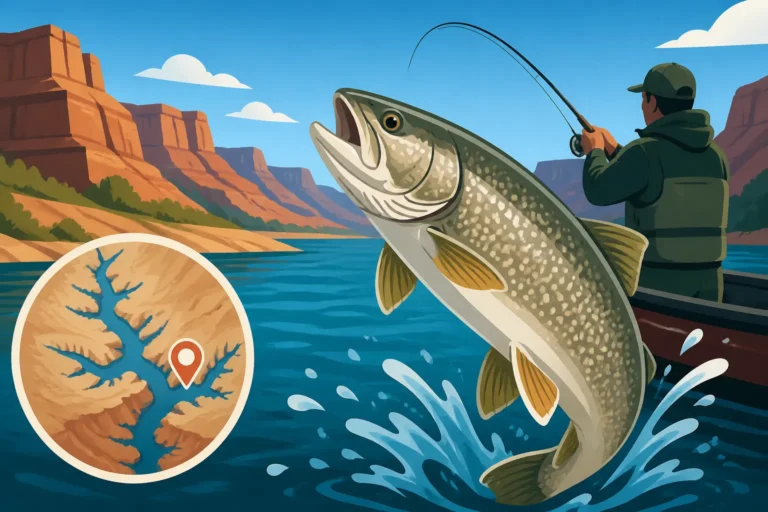
That feeling when you hook into something truly monstrous, a fish that pulls like a freight train and makes your reel scream – it's what every angler dreams of. But finding consistent opportunities for these truly enormous fish can feel like searching for a needle in a haystack, especially if you're new to Utah's vast and varied waters. This guide is all about one place where those dreams become reality: Fish Lake, Utah's undisputed champion for trophy trout fishing.
Why Fish Lake is Utah's Premier Trophy Trout Destination
There are a lot of fantastic fishing spots across Utah, from high mountain streams to sprawling desert reservoirs, but when it comes to consistently producing truly massive trout, Fish Lake stands in a league of its own. It’s not just angler folklore; it’s a fact proven by the sheer size and number of lunkers pulled from its depths year after year. This lake isn't just big; it's special.
Unique Ecosystem and Habitat
Fish Lake is a natural gem, nestled high in the Fishlake National Forest at over 8,800 feet elevation. This elevation and its unique geological features contribute to its incredible productivity. The lake is deep, reaching over 180 feet in some spots, and remains incredibly cold even through the height of summer. This cold, oxygen-rich water is absolutely critical for growing large trout species, particularly lake trout (mackinaw) and splake, which thrive in such conditions.
Beyond the perfect temperature, Fish Lake boasts an abundant forage base. It's home to species like minnows, chubs, and especially the Bonneville cisco, a small, oily fish that provides a high-calorie diet for growing predators. Imagine a grocery store always fully stocked with the best food – that’s what Fish Lake is for its trout. The lake also has diverse underwater structure, with submerged islands, steep drop-offs, rock piles, and vast flats. These features create perfect ambush points and holding areas for fish at different depths and seasons, offering a smorgasbord of habitats for species like mackinaw, splake, rainbow trout, and even brook trout. It’s this combination of pristine water, plentiful food, and complex structure that allows these fish to grow to truly gargantuan sizes, turning a simple fishing trip into a potential trophy hunt.
Record-Breaking Catches and Reputation
Fish Lake has earned its reputation as a trophy trout haven not just through whispers, but through the consistent reality of giant fish. It's a lake synonymous with state records and personal bests. While the state record lake trout was famously caught at Flaming Gorge, Fish Lake has produced numerous trophy-sized mackinaw over 20 pounds, and many anglers report hooking into fish much larger than that, even if they don't always land them. For instance, the Utah record splake was caught here, weighing in at an astonishing 17 pounds, 8 ounces. That’s not a fish; it’s a small dog!
This kind of consistent production makes Fish Lake a magnet for serious anglers. You don't just come here hoping for a big fish; you come here expecting the opportunity for one. The sheer number of large lake trout and splake in the system means that even on a tough day, the possibility of that once-in-a-lifetime bite is always there. It’s this blend of high potential and proven results that cements Fish Lake's status as Utah’s premier destination for those seeking trophy trout. Its fame is well-deserved, attracting anglers from across the country who want a shot at a true behemoth.
Understanding Fish Lake's Trophy Trout Species
To truly master trophy fishing at Fish Lake, you need to understand the different species that call it home, their habits, and what makes them tick. While all trout, they each present a unique challenge and require tailored approaches. It’s like having several different puzzles to solve, all within the same incredible fishery.
Majestic Lake Trout Mackinaw
Ah, the lake trout, affectionately known as "mackinaw" by many Utah anglers. These are the undisputed kings of Fish Lake's deep waters, and they are what truly put the "trophy" in trophy trout fishing here. Lake trout are built for power and survival in cold, deep environments. They can grow to incredible sizes, with fish over 20 pounds being relatively common, and the potential for specimens weighing 30, 40, or even 50 pounds existing within the lake. Imagine the fight a fish that size puts up!
Mackinaw are apex predators. Their diet consists primarily of the abundant cisco, chubs, and other smaller fish in Fish Lake, allowing them to pack on serious weight. They prefer deep, cold water, typically holding in depths of 50 to 150 feet, especially as summer progresses. They relate heavily to structure, often found patrolling along drop-offs, over submerged points, or around underwater islands. Targeting these fish requires patience, robust gear, and a solid understanding of how to present lures at significant depths. You'll often find yourself trying to entice a fish that's been alive for decades and has seen every trick in the book. If you're looking for an in-depth dive into these incredible fish, check out our Utah Lake Trout Mackinaw Guide.
Aggressive Splake and Robust Rainbows
While lake trout might be the heavyweights, splake offer an exciting, often more aggressive fight. Splake are a hybrid species, a cross between a brook trout and a lake trout. They inherit the aggressive feeding nature of the brook trout and the potential for larger size from the lake trout, making them fantastic sport fish. At Fish Lake, splake grow large, with many fish in the 5 to 10-pound range, and as mentioned earlier, the state record came from these waters. They often patrol similar areas to smaller lake trout but can be found a bit shallower, especially during cooler periods. They're opportunistic feeders and will strike a variety of lures and baits with vigor. For more detailed info on this fascinating hybrid, take a look at our Splake in Utah Reservoirs article.
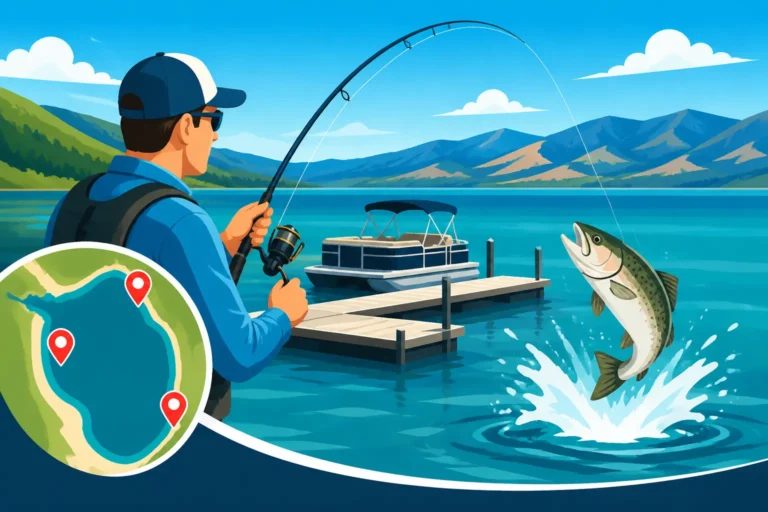
Then we have the robust rainbow trout. Fish Lake receives regular stockings of rainbow trout, ensuring a healthy population. While not typically reaching the same monstrous sizes as the lake trout or splake, rainbows here benefit greatly from the rich forage base, and many grow into impressive 3-5 pound "football" shaped fish, with larger specimens not uncommon. They are typically found in the upper water column or closer to shore, especially during spring and fall. Rainbows are a fantastic target for anglers of all skill levels, providing consistent action and a strong fight on lighter tackle. They are often more willing to chase a lure or hit a bait presented closer to the surface, making them a great option when the deep bite for mackinaw is slow. You can learn more about these colorful fish in our Rainbow Trout in Utah Reservoirs guide.
Elusive Brook Trout
Rounding out Fish Lake's impressive trout lineup are the elusive brook trout. While not typically considered "trophy" in the same size class as a 20-pound mackinaw, a large brook trout from Fish Lake is still a beautiful and respectable catch. Brook trout generally prefer shallower, cooler waters, often congregating around weed beds, submerged timber, or near the mouths of tributary streams. They are vibrant fish, known for their stunning patterns and rich coloration.
Fish Lake brookies typically run smaller than the other trout species, often in the 10-14 inch range, but 2-3 pound fish are caught regularly, and occasionally larger ones surprise anglers. They can be a bit more challenging to target consistently in a large lake environment, often requiring a more focused approach on specific types of cover or shallower areas. They are a delightful bonus species for anglers targeting other trout, and catching a truly colorful brook trout from Fish Lake is a rewarding experience in itself.
Essential Gear and Techniques for Trophy Trout at Fish Lake
Successfully landing a trophy trout from Fish Lake isn't just about luck; it's about preparation, persistence, and having the right tools for the job. These fish are big, powerful, and often reside in deep water, demanding gear and techniques that can handle the challenge.
Heavy-Duty Rods, Reels, and Line
When you're talking about battling a potential 20, 30, or even 40-pound lake trout from Fish Lake, your ultralight spinning combo isn't going to cut it. You need serious tackle. For lake trout and large splake, a medium-heavy to heavy action casting or spinning rod, typically 7 to 8 feet long, is ideal. This length provides the leverage needed for deep-water hooksets and controlling powerful runs. Pair this with a high-quality, large-capacity reel that has a smooth, strong drag system. Think reels designed for saltwater species or heavy muskie fishing.
Your line choice is equally critical. Many experienced anglers opt for 30-50 pound braided main line, which offers incredible strength, sensitivity, and minimal stretch, crucial for feeling subtle bites at great depths. This braid is then typically connected to a 15-25 pound fluorocarbon leader using a strong knot like an Albright or an FG knot. The fluorocarbon leader is nearly invisible underwater and provides abrasion resistance against rocks and the fish's mouth. For general rainbow trout fishing, a medium action rod with 8-12 pound monofilament or fluorocarbon will be more than sufficient. Our Utah Fishing Gear Guide has more comprehensive information on choosing the right tackle.
Trolling and Downrigging Strategies
Trolling is arguably the most effective method for consistently catching trophy lake trout and large splake at Fish Lake, especially in the vast main basin. Given the depths these fish inhabit, downriggers are almost essential. These devices allow you to precisely control the depth of your lure, getting it right into the strike zone, often 50-150 feet down. Effective trolling involves understanding the lake's contours using a good fish finder and GPS, targeting areas like deep points, submerged islands, and steep breaks. Our article on How to Downrig for Lake Trout goes into great detail on this technique.
When it comes to lures, large spoons like the Torker or Northern King, oversized crankbaits designed for deep diving, and various squid or tube jig imitations are highly effective for mackinaw. For splake and larger rainbows, smaller spoons, gang trolls followed by a dodger and a small lure or bait, or even a classic Rapala Shad Rap can be deadly. Pay close attention to your trolling speed, usually between 1.5 and 2.5 mph, and experiment with different colors and sizes until you find what the fish are keying in on that day. Don't be afraid to change lures frequently if you're not getting bites; sometimes a slight variation is all it takes.
Jigging and Still Fishing Tactics
While trolling covers vast amounts of water, jigging offers a more precise, often more active way to target trophy fish, especially when you've located a concentration of fish on your electronics. Vertical jigging directly over marked fish or structure is incredibly effective for lake trout. Large jigging spoons, heavy tube jigs, or Bucktail jigs tipped with a piece of cut bait (like cisco or chub if allowed by regulations, or a commercially available scent bait) are prime choices. The key is to present the lure with an aggressive lift-and-fall action, mimicking a struggling baitfish, then pausing to let the fish strike on the fall or while stationary.
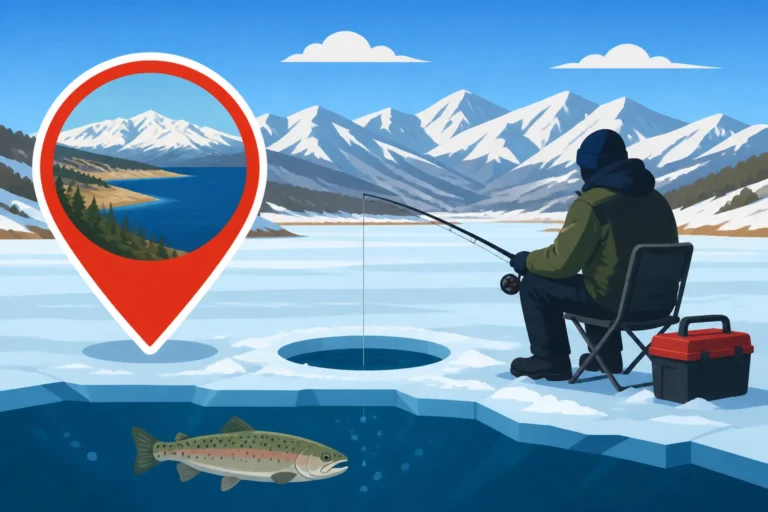
Still fishing, particularly with dead bait on the bottom, can also be a surprisingly effective method for lethargic or wary mackinaw. Using a heavy sinker to get your bait down and a stout circle hook can result in solid hookups. This technique requires patience but can produce some of the largest fish. For ice fishing at Fish Lake, these jigging and dead stick methods become paramount. Anglers use heavier ice rods, often with a similar line setup as open water, jigging spoons, large tube jigs, or even tip-ups with dead bait to entice bites through the ice. Our comprehensive Utah Ice Fishing Guide offers plenty of tips specific to winter angling.
Navigating Fish Lake: Best Fishing Spots and Seasonal Approaches
Fish Lake is a sprawling body of water, and knowing where to go and when can drastically increase your chances of hooking into a trophy. Like any large lake, fish patterns change with the seasons and even throughout the day, so adapting your strategy is key.
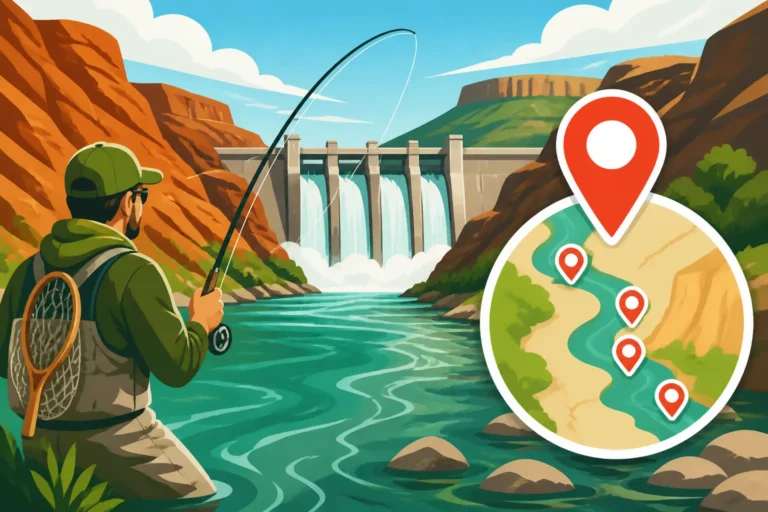
Key Fishing Locations and Structures
Fish Lake is renowned for its diverse underwater topography. To consistently find trophy trout, you need to understand where they hold.
- Pelican Point: This prominent point on the west side of the lake is a classic trophy spot. It features steep drop-offs and shelves that extend into deep water, making it a prime location for trolling for lake trout and splake. The structure provides excellent ambush points, and the deep water offers refuge.
- Twin Creeks: On the east side, the area around Twin Creeks is another hotspot, especially in the cooler months or for targeting shallower species. The incoming creeks can provide food and oxygen, attracting rainbows and smaller brook trout, while the nearby deeper water holds larger predators.
- Sockeye Bay: Named for its historical (though no longer present) sockeye salmon runs, this bay still offers excellent fishing. It has varied depths and good structure, attracting a mix of species. It can be particularly good for rainbows and splake when they're feeding shallower.
- The Main Basin: The vast, deep central part of the lake is where you'll spend most of your time trolling for the biggest lake trout. Look for humps, deep ridges, and sudden depth changes using your fish finder. These are the highways and feeding grounds for the largest mackinaw. Always keep an eye on your Best Fish Finders for Utah Reservoirs to dial into the right depth.
- Whiskey Bay: Another productive area, Whiskey Bay often holds good numbers of smaller rainbows and brook trout closer to shore, especially in areas with weed beds. It's a great spot for a more relaxed approach or for introducing kids to fishing.
Remember, fish are often where the baitfish are. Keep an eye on your electronics for schools of cisco or chubs, and you'll likely find the predators nearby.
Seasonal Tactics: Spring, Summer, Fall, and Winter
Fish behavior at Fish Lake is heavily influenced by water temperature and the availability of their primary forage.
- Spring (Ice-Off to Early June): As the ice melts and the water warms slightly, fish become more active. Lake trout and splake will often be found shallower than their summer haunts, perhaps in 20-50 feet of water, chasing baitfish that are also moving up. Trolling spoons and crankbaits can be very effective. Rainbows will be very active near shore. This is an exciting time for aggressive bites.
- Summer (June to August): This is when the lake trout and splake go deep. With surface temperatures rising, they retreat to the cold, oxygen-rich depths, often 60-150 feet. This is prime downrigging season. Trolling deep with large spoons, plugs, or even tube jigs is key. Concentrate on the main basin and deep structure. Early mornings and late evenings can sometimes bring fish shallower.
- Fall (September to November): As water temperatures cool, fish become more active again and start to move shallower, especially as they prepare for spawning. Lake trout and splake will begin to frequent depths of 30-80 feet. Trolling remains effective, but vertical jigging over structure can also be very productive as fish school up. Rainbows will be active near shore. This is one of the most popular times to fish, offering a great mix of species and techniques. It's truly a Best Time of Year to Fish in Utah for many.
- Winter (December to March): Fish Lake transforms into an ice fishing paradise. The entire lake typically freezes solid enough for safe access, offering incredible opportunities for jumbo perch, splake, and lake trout. Anglers use heavy ice rods, jigging spoons, tubes, and dead sticks with bait. Lake trout can be found anywhere from 40 to 100 feet deep, while splake and rainbows are often shallower. Accessing Fish Lake's Strawberry Reservoir Ice Fishing Spots can give you a good comparison for techniques, although Fish Lake is known for larger fish.
Guided Trips and Local Expertise
Fish Lake is a large and complex fishery, and honestly, it can be intimidating for newcomers, or even experienced anglers who haven't spent much time on these specific waters. While DIY trips are always rewarding, investing in a guided trip can accelerate your learning curve exponentially. Local guides spend hundreds of days a year on the water; they know the subtle nuances, the current bite patterns, and exactly where the fish are holding at any given time. They'll have the right gear, the right lures, and the expertise to put you on trophy fish.
For anyone serious about increasing their chances of a trophy catch, especially a huge mackinaw, a guided trip is invaluable. Services like FishingBooker can help you find reputable local guides who specialize in Fish Lake. They can provide insights into current conditions, species patterns, and even teach you advanced techniques like how to read your electronics effectively or perfectly set your downriggers. A guide can save you days of trial and error and significantly boost your confidence on such a vast lake. Whether you're targeting the elusive brook trout, the aggressive splake, or the majestic lake trout, a local expert found through platforms like FishingBooker can make all the difference, making your time on the water more productive and enjoyable.
Conservation and Regulations for Fish Lake's Trophy Fishery
Part of being a responsible angler, especially when chasing trophy fish, is understanding and adhering to local regulations and practicing sound conservation. Fish Lake is a precious resource, and protecting its trophy potential for future generations is paramount. Knowing the rules isn't just about avoiding penalties, it's about being a good steward of this incredible fishery.
Understanding Catch Limits and Slot Sizes
Utah's Division of Wildlife Resources (DWR) sets specific regulations for Fish Lake to manage its diverse fish populations and ensure healthy trophy potential. These rules can change, so it's absolutely critical to consult the most current Utah Fishing Regulations Explained before you hit the water. Here's a general overview, but always double-check:
| Species | General Daily Limit (Check current guide) | Specifics/Size Restrictions (Check current guide) |
|---|---|---|
| Lake Trout | Typically 2 | Often a slot limit (e.g., only one over 28 inches) to protect larger spawning fish. |
| Splake | Typically 4 | May have minimum size limits to allow smaller fish to grow. |
| Rainbow Trout | Typically 4 | Generally no size restrictions, but verify. |
| Brook Trout | Typically 4 | May have specific size limits or no limits depending on management goals. |
These numbers are illustrative. For instance, sometimes there are bonus limits for smaller lake trout to manage their population, while strict limits protect the very largest fish. The DWR carefully crafts these regulations to balance angler opportunity with maintaining a robust fishery, especially for those trophy-sized individuals. Being aware of these rules, particularly the slot limits, means you're contributing to the sustainability of the lake's trophy potential. Violating these rules can lead to significant Utah Fishing License Penalties for Violations.
Best Practices for Catch and Release
Catching a truly massive lake trout or splake is an incredible experience, but it also comes with the responsibility of ensuring its survival if you choose to release it. Many trophy anglers practice catch and release, especially for the largest breeding fish, to help sustain the population. Large fish are more susceptible to stress and injury during a fight, so proper handling is crucial.
- Minimize Fight Time: Use appropriate gear that allows you to land the fish as quickly as possible without over-stressing it.
- Keep the Fish in the Water: Try to keep large fish in the water as much as possible. If you must bring it aboard for a quick photo, support its entire body weight horizontally, never vertically by the jaw or tail. Use a cradle or a large, knotless rubber net.
- De-hooking Tools: Have long-nosed pliers, forceps, or a hook remover readily available to quickly and cleanly remove hooks.
- Avoid Excessive Handling: Reduce physical contact with the fish, especially avoiding the gills and eyes.
- Revive the Fish: If a fish is lethargic, hold it gently in the water, facing into the current (if any), and move it back and forth slightly until it can swim away under its own power. You want to see it kick strongly. Our guide on How to Handle a Fish You Must Release Immediately provides excellent step-by-step advice.
These practices ensure that the next angler (or even you!) has a chance to hook into that same magnificent fish again.
Protecting the Ecosystem
Finally, being a good angler means being a good environmentalist. Fish Lake, like all of Utah's waterways, is vulnerable to aquatic invasive species (AIS), most notably the quagga mussel. These invasive species can devastate native ecosystems and fisheries. Therefore, adhering to strict AIS protocols is non-negotiable.
Always Clean, Drain, and Dry your boat and gear after every visit to Fish Lake. This means removing all mud, weeds, and debris from your boat, trailer, and fishing equipment, draining all water from your boat (livewells, bilge, motor), and allowing everything to thoroughly dry before launching in another body of water. Some boats, especially those coming from infested waters like Lake Powell, may require mandatory inspections and decontamination. Understanding Utah Aquatic Invasive Species Rules for Anglers and even Utah Quagga Mussel Decontamination Rules is not just a suggestion, it's a legal requirement and a critical step in preserving Fish Lake’s health.
Beyond AIS, pack out everything you pack in. Leave no trash, fishing line, or discarded bait behind. Respect the natural beauty of Fish Lake and the surrounding Fishlake National Forest. This collective effort ensures that this incredible fishery remains a premier trophy trout destination for generations to come.
Disclaimer
Please remember that fishing regulations, conditions, and fish behavior can change. Always consult the latest Utah Division of Wildlife Resources (DWR) fishing guide before heading out to Fish Lake, and prioritize safety on the water, especially when dealing with deep, cold waters or ice.