How to Find Shade Fishing Spots in Southern Utah Summer
Southern Utah summers are absolutely gorgeous, but that intense desert sun can turn a planned fishing trip into a heat-stroke risk, making the fish disappear into the depths. It's a common frustration for anglers who love the region's unique waters but struggle with the midday blaze. This guide is all about helping you beat the heat, not just for your comfort but for better fishing success, by showing you exactly how to scout and find those elusive, fish-holding shade spots.
The Challenge of Summer Fishing in Southern Utah
Southern Utah in summer is a land of stark beauty, vibrant red rock, and clear blue skies. It's also a land of intense, unrelenting heat. When the sun beats down, water temperatures climb, and what was once a promising fishing spot can turn into a barren, lifeless expanse. Many anglers pack up by 10 AM, feeling defeated, simply because they haven't learned to adapt their strategy to the sun. It's not just about finding a cooler part of the day; it's about understanding where the cooler water and more active fish will be even when the sun is high and bright. The fish will always seek comfort and cover, and in the scorching summer, that comfort comes in the form of shade.
Why Shade is Your Best Friend (and the Fish's)
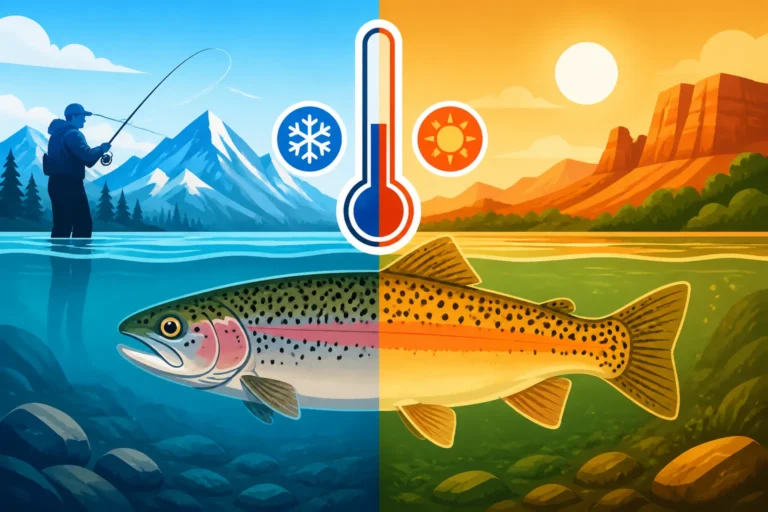
Think about it from a fish's perspective. Would you want to hang out in boiling hot water with nowhere to hide from a hungry hawk or eagle? Probably not. Fish are cold-blooded creatures, and their metabolism is directly tied to water temperature. When surface temperatures soar, they seek refuge. Shade offers a double benefit: it provides a physical barrier from direct sunlight, which naturally keeps the water underneath a few degrees cooler, and it also creates a sense of security from overhead predators. This slight temperature drop and increased sense of safety are often all it takes to concentrate fish, making these shaded pockets prime real estate for a successful catch. It’s where they feel comfortable enough to rest, ambush prey, and just generally exist when conditions elsewhere are punishing.
Moreover, shade can create distinct current breaks or thermal differences that bring food sources into a concentrated area. Insects might drop from overhanging trees, or smaller baitfish might congregate in the slightly cooler water, creating a perfect feeding ground for larger game fish. It’s not just a nice-to-have; it's often a critical factor that separates a slow, frustrating day from a productive one, especially when you're targeting species like trout, bass, or panfish that are sensitive to extreme heat. Ignoring shade in southern Utah in summer is like ignoring the compass in the desert – you're just making things harder for yourself and dramatically decreasing your chances of finding actively feeding fish.
The Impact of High Temperatures on Fish Behavior
When water temperatures rise significantly, fish experience stress. Their oxygen levels can drop, and they become lethargic. You'll notice they aren't actively chasing lures or flies, and they might not even bother to strike at bait presented directly in front of them. This isn't because they're not there; it's because they're in survival mode, trying to conserve energy. They'll often move to deeper water, seeking cooler temperatures, or, more relevant to this guide, they'll tuck themselves into any available shade, no matter how small. Imagine trying to run a marathon in a sauna; fish feel something similar in overly warm water.
Different fish species react differently, of course. Trout, for example, are highly sensitive to warm water. If the water gets too hot, they become incredibly stressed and can even die from being caught and released. Bass and panfish are a bit more tolerant but will still become sluggish and seek thermal refuge, often suspending themselves just on the edge of a shadow line. Knowing this behavior tells you that casting out into the wide-open, sun-drenched water during the middle of a summer day in southern Utah is likely a waste of time. Instead, focus your efforts on those cooler, darker pockets. It's a strategic shift that pays dividends, transforming a frustrating wait into an exciting encounter with active fish that are willing to bite because they feel safer and more comfortable.
Key Strategies for Spotting Shady Havens
Finding shade isn't always as simple as looking up. In the vast, open landscapes of southern Utah, shade can be subtle, temporary, or hidden. It requires a bit of detective work, combining observation, knowledge of the sun's path, and sometimes a little technological help. Don't just drive up to a spot and assume it's "shady" — think critically about how the sun will hit it throughout your fishing window. A little pre-planning goes a long way here, preventing wasted time under the beating sun.
Leveraging Topography and Natural Features
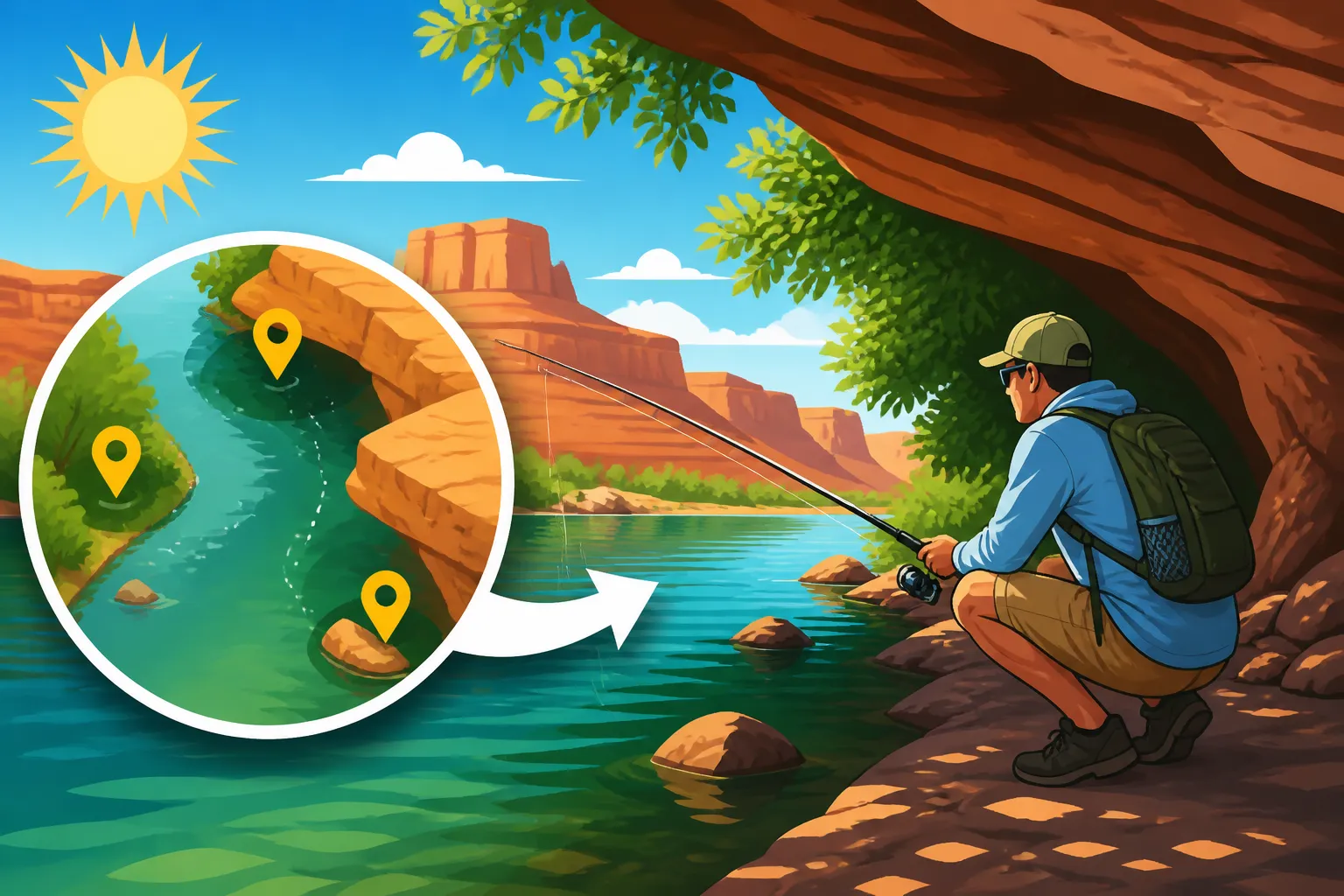
Southern Utah is famous for its dramatic topography, and this is your biggest clue for finding shade. Look for towering canyon walls, steep bluffs, and large rock formations that rise sharply from the water's edge. These natural features cast long, deep shadows, especially in the mornings and evenings. When you're scouting a new lake or river on a map, pay attention to the contours. Is there a section where the land abruptly rises on the east or west side? That's a strong indicator of potential shade.
For example, a cliff face on the western bank of a river will provide excellent morning shade. Conversely, an eastern bank with a tall bluff will offer shade later in the afternoon. Rivers like sections of the Virgin River or canyons carved by other waterways naturally provide continuous shade in places due to their deep, narrow channels. Even subtle undulations in the shoreline or underwater rock piles can create small, localized areas of shade that fish will utilize. Remember that even a few feet of shade can make all the difference, creating an oasis in an otherwise sun-baked environment. Look for those dark patches on the water's surface; they're your invitations to cooler water and actively feeding fish.
Understanding Sun Angles and Time of Day
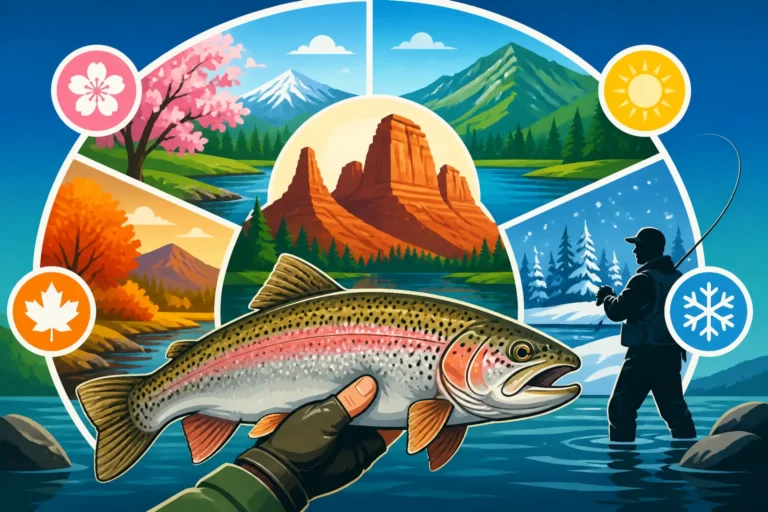
The sun's position is everything when it comes to shade. In southern Utah's summer, the sun rises early and climbs high, directly overhead, by midday. This means that the best natural shade from towering cliffs will occur primarily in the early morning and late afternoon. From roughly 11 AM to 3 PM, when the sun is at its zenith, even the tallest cliffs cast shorter, less effective shadows directly below them. This understanding is key to successful Utah Fishing Season Dates and Limits.
This understanding dictates your fishing schedule. If you want to fish in consistent shade, plan to be on the water at dawn, fishing those east-facing structures, or wait until the late afternoon/evening to target west-facing areas. During the intense midday hours, your best bet might be very deep water, or very specific, localized shade from dense overhangs or man-made structures that are less affected by the overhead sun. Using a compass or a sun-tracking app on your phone can actually help you predict exactly where shadows will fall at different times of the day, allowing you to plan your movements more efficiently. Don't fight the sun; work with it to maximize your time in cooler, more productive zones.
Using Technology to Map Out Potential Shade
In today's age, you don't have to just rely on guesswork. Satellite imagery and topographical maps are incredibly powerful tools for pre-scouting shade spots. Websites and apps that offer detailed satellite views (like Google Earth or fishing-specific mapping apps) allow you to zoom in on lakes, reservoirs, and rivers. Look for steep shorelines, prominent rock formations, and dense tree cover along the banks. You can often see the darker water where shadows typically fall. This level of detail can help you scout a spot like Lake Powell Fishing Guide before you even leave your house.
Beyond just satellite imagery, some advanced fishing apps even integrate sun position data, allowing you to visualize shadows at different times of the day on your target water body. This is a game-changer for planning. You can mark potential "shade spots" on your GPS or Best Fish Finders for Utah Reservoirs and navigate directly to them once you're on the water. Even a simple compass and a good paper map can help you orient yourself to the sun's path relative to prominent geographical features. Don't forget that a high-quality pair of polarized sunglasses, easily purchased from retailers like Amazon, will help you spot these subtle shadow lines and underwater structures more effectively once you're actually out there.
Common Southern Utah Shade Structures and Where to Find Them
Southern Utah's diverse landscape offers several types of natural and man-made structures that provide excellent shade. Knowing what to look for, and where these features are typically found, will significantly boost your success. It's about thinking like a fish and predicting where they'd go to escape the heat. Different waters will offer different types of shade, so understanding these common structures helps you adapt your approach from one reservoir to another.
Vertical Cliffs and Canyon Walls
This is probably the most obvious and often the most reliable source of shade in Southern Utah. Lakes and reservoirs like Lake Powell, with its vast network of canyons and towering red rock walls, are prime examples. The sheer scale of these features means they cast enormous shadows that can last for hours, depending on the sun's angle. These shaded areas often coincide with deeper water, providing a double whammy of comfort for fish. Targeting Lake Powell Striped Bass Spots often means finding these vertical structures.
When fishing these areas, pay attention to the base of the cliffs. The rocks here are often undercut, creating small caves or overhangs that offer even more seclusion and cooler water. Fish, especially bass and stripers in Lake Powell, love to lurk in these protected zones, ambushing prey that ventures too close. For trout in smaller canyon-bound streams, the shadows cast by the steep canyon walls provide critical thermal relief. Consider areas along the Virgin River or other streams that cut through red rock country. You might even find Zion National Park Fishing Spots nestled within these shaded canyons, offering serene fishing experiences where fish are less pressured. Always approach these cliff-bound areas quietly, as sound can echo and spook fish.
Overhanging Vegetation and Large Trees
While less common in the most arid parts of Southern Utah, you'll absolutely find areas with significant vegetation, especially along riverbanks, reservoir inlets, and community ponds. Large cottonwood trees, willows, and thick brush can provide fantastic localized shade. This is particularly true for smaller streams and urban fisheries, where natural cliffs aren't a feature, making them a good option for Best Community Ponds for Kids to Fish in Salt Lake City even if you're venturing south.
These spots are not just about shade; the vegetation often provides structure, dropping insects and organic matter into the water, creating an instant food source. Fish will position themselves directly under these leafy canopies, enjoying the cool, dark water and waiting for a meal. Look for bends in rivers where trees hang over the water, or quiet coves on reservoirs that have mature growth along the banks. Places like the ponds in St. George or other community fishing spots often have strategically planted trees that can be a lifesaver in the summer heat. A good pair of polarized sunglasses, easily found on platforms like Amazon, can help you peer through the glare and spot those subtle shifts in water color under the shade. Just be mindful of your casting; snags are common in these dense areas!
Man-Made Structures and Deep Water
Sometimes, natural shade isn't available, or it's simply not enough. This is where man-made structures come into play. Docks, bridges, large culverts, and even boat ramps can cast shadows that attract fish. While not as aesthetically pleasing as a towering red rock cliff, these structures provide the same essential elements: cooler water and cover. They are often overlooked by anglers, making them potentially productive havens.
For example, bridge abutments on larger rivers or reservoir arms often create deep, shaded pockets where fish will congregate. Docks, especially those with solid foundations, offer overhead cover that smallmouth bass love. Additionally, if all else fails, simply seeking out deep water can be a form of "shade." The deeper the water, generally the cooler it is, as the sun's rays can't penetrate as effectively. This is a common strategy on larger, deeper reservoirs like Lake Powell or Flaming Gorge, where fish will descend to 50, 100, or even more feet to find their preferred temperature zone. In these scenarios, you'll need specialized gear, perhaps a Utah Trolling Techniques for Lake Trout setup or specific jigging techniques to reach them. Consider a portable fish finder, also available on Amazon, to identify those deep-water thermal breaks and fish concentrations.
Here's a quick overview of common shade types and where you might find them:
| Shade Type | Description | Typical Southern Utah Locations | Best Time of Day for Max Shade |
|---|---|---|---|
| Vertical Cliffs/Canyon Walls | Sheer rock faces casting long shadows | Lake Powell, Virgin River, deep canyon sections of other rivers | Early morning, late afternoon |
| Overhanging Vegetation | Trees, bushes, and dense foliage along banks | River bends, reservoir inlets, community ponds, springs, riparian zones | Mid-morning, mid-afternoon |
| Man-Made Structures | Bridges, docks, culverts, boat houses | Reservoirs with developed areas, urban fishing ponds, larger rivers | Throughout the day (localized) |
| Deep Water | Cooler water found at significant depths | Large reservoirs (Lake Powell, Deer Creek, etc.) | Midday |
| Undercuts/Overhangs | Submerged ledges, rock shelves, tree roots, small caves | Base of cliffs, riverbanks with erosion, rocky shorelines | Throughout the day (localized) |
Essential Gear for Southern Utah Summer Fishing (Beyond the Rod)
Fishing in southern Utah in the summer isn't just about finding fish; it's about staying safe and comfortable yourself. The sun is a serious factor, and being unprepared can quickly turn a fun outing into a miserable one. Investing in the right personal gear is just as important as having the right lures. You wouldn't go hiking in the desert without water, and you shouldn't go fishing without proper sun protection.
Sun Protection for Anglers
I can't stress this enough: protect yourself from the sun! Southern Utah's UV index can be brutally high. Long hours on the water, even in partial shade, will expose you to reflected light and direct rays. Start with a wide-brimmed hat, not just a baseball cap, to shade your ears and neck. Neck gaiters or buffs are also fantastic for protecting your face and neck, and many are made with cooling, breathable fabrics. These aren't just for looking cool; they genuinely help prevent painful sunburns and reduce the risk of heat-related illness.
Long-sleeved fishing shirts made from UPF-rated material are a must. They wick away sweat, keep you cool, and provide physical sun protection without the need for constant reapplication of sunscreen. Don't forget polarized sunglasses – these not only protect your eyes but also cut through the glare on the water, allowing you to spot subtle structures and even fish that might be hiding in the shadows. And of course, a high-SPF, water-resistant sunscreen for any exposed skin is non-negotiable. Reapply often, especially after sweating or getting wet. Think of it as your second skin when you're out there. Brands like Columbia PFG or Simms offer excellent lines of sun-protective clothing, easily accessible through retailers like Amazon.
Keeping Your Catch Cool
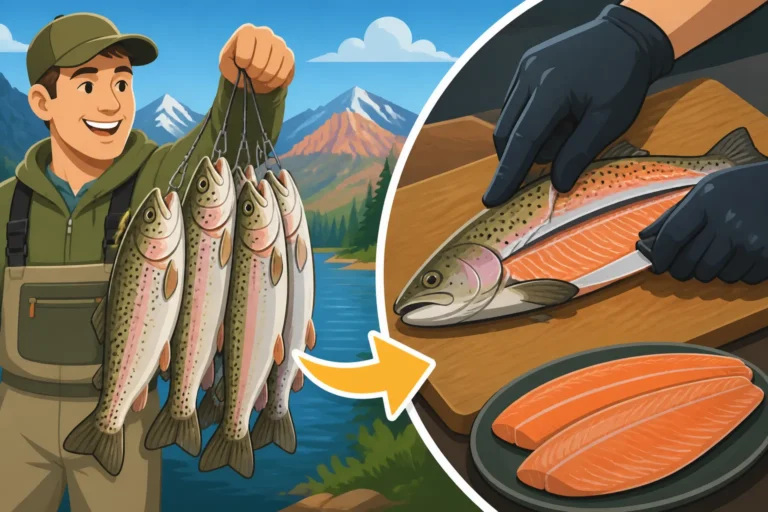
Once you've successfully found those shady spots and landed some fish, you need a plan to keep them fresh, especially if you intend to harvest them for dinner. Letting fish bake in the sun on the bank or in a warm boat is a quick way to spoil your catch and diminish its flavor. This is particularly crucial if you're fishing in warmer waters for species like bass or catfish, where the flesh can degrade rapidly in heat.
A good cooler packed with plenty of ice is indispensable. As soon as you decide to keep a fish, get it on ice immediately. Bleeding your fish quickly after catching them and then placing them in an ice slurry (ice and a little water) will ensure the best quality. For shorter trips or smaller fish, a stringer can work if you keep the fish submerged in cool, moving water in the shade, but a cooler is always superior for maintaining quality. Remember, even if you’re fishing shady spots, your cooler might still be in the sun, so choose a well-insulated model. A Best Cooler Size to Keep a Trout Limit Fresh will serve you well. Being thoughtful about your catch ensures that your efforts in finding those elusive shady spots translate into a delicious meal.
Disclaimer
This article is for general informational purposes only and does not constitute professional advice. Laws, prices and regulations vary by location and change over time. Consult a qualified professional for guidance on your specific situation.