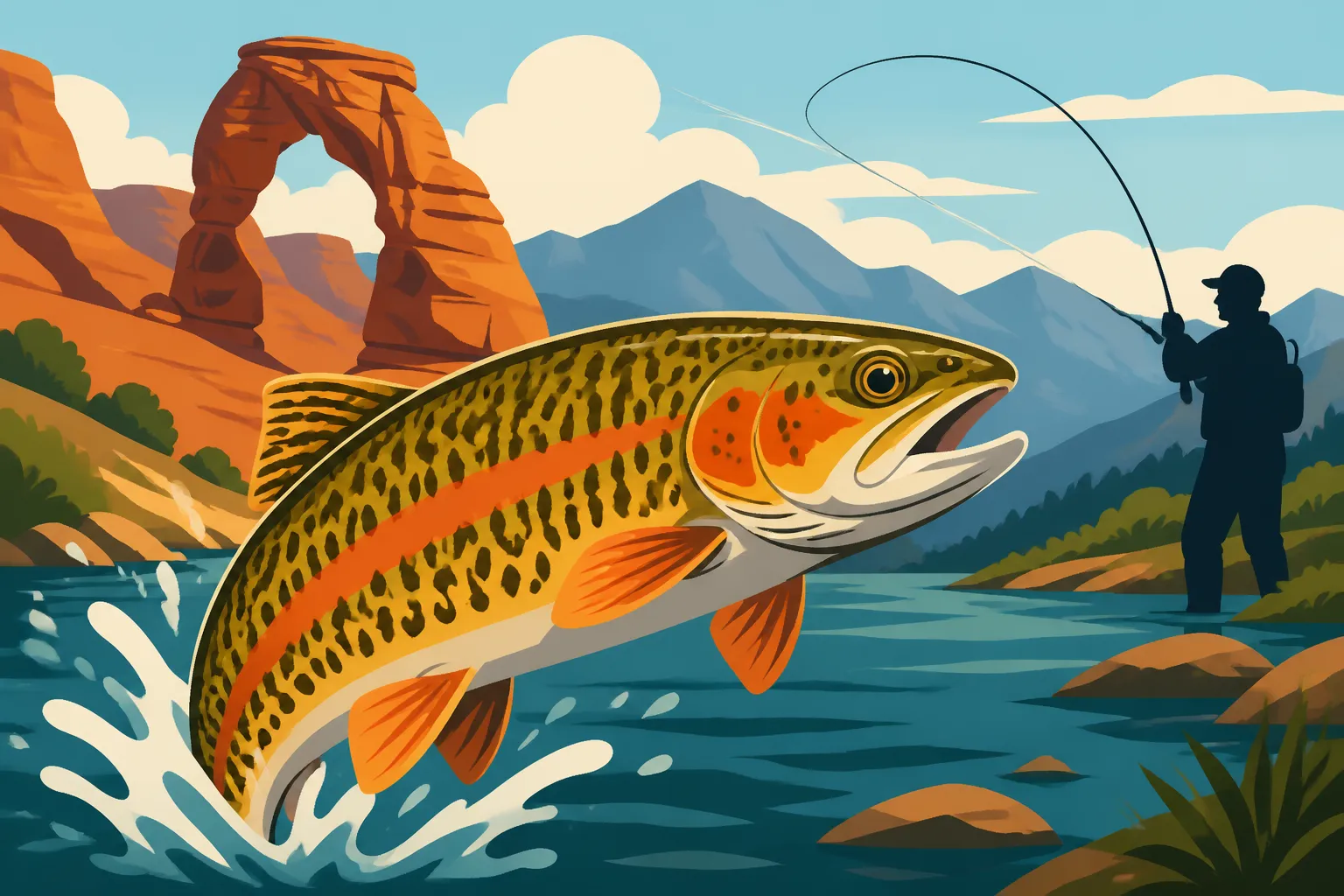
Tiger Trout in Utah
Encountering a tiger trout for the first time is always a memorable experience – those striking patterns and aggressive fights can really catch you off guard! Many anglers are fascinated by these unique fish, but often have questions about where to find them, why they're stocked, and how to best target them. This guide will dive deep into everything you need to know about tiger trout in Utah, helping you understand their distinctive characteristics and giving you the upper hand on your next fishing adventure.
What Exactly is a Tiger Trout?
When you first see a tiger trout, you might do a double-take. They don't look quite like the rainbow or brown trout you're used to seeing. Their striking, worm-like patterns are instantly recognizable, and there's a fascinating reason behind that unique appearance. Understanding what makes a tiger trout special is the first step to truly appreciating these incredible fish and why they’ve become such a favorite in many Utah waters.
The Hybrid Origin Story
At its core, a tiger trout isn't a naturally occurring species in the wild in the same way a brown trout or a brook trout is. Instead, it's a sterile hybrid, meaning it's created through a cross-breeding effort between a male brown trout ( Salmo trutta) and a female brook trout (Salvelinus fontinalis). This hybridization rarely happens naturally because these two species typically spawn at different times and in different habitats. However, when managed in a hatchery environment, the cross can be quite successful, leading to the distinctive "tiger" offspring.
The process of creating these hybrids is quite deliberate. Hatcheries carefully select and cross these parent fish, producing the unique genetic blend that results in a tiger trout. Because they are sterile, they can't reproduce on their own, which plays a significant role in why they are so valuable to fisheries management. This inability to spawn means their energy is solely focused on growth, making them excellent sport fish that can grow quite large without contributing to overpopulation or genetic concerns within a waterway. They truly are a testament to thoughtful fisheries science. Tiger Trout Explained
Identifying Their Distinctive Pattern
The most obvious feature of a tiger trout is, of course, its pattern. Unlike the spots you see on a rainbow or brown trout, tiger trout display intricate, labyrinthine markings that resemble a tiger's stripes or, as some describe it, the track marks left by worms. These patterns are typically dark, almost black, against a lighter, often yellowish-green or olive-brown body. The intensity and complexity of these patterns can vary from fish to fish, but the overall impression is always striking and unlike any other trout species you'll encounter.
Beyond the distinct markings, tiger trout generally have a torpedo-shaped body, similar to a brown trout, but with a more robust build that hints at their brook trout heritage. Their fins often have a reddish-orange tint, especially the caudal (tail) and pectoral fins, which can sometimes be edged in white, a nod to their brook trout parentage. When you land one, you'll immediately know it's a tiger – there's really no mistaking that signature look once you've seen it. It's a visual reward for your angling efforts, making them a truly unique catch.
Growth and Behavior in Utah Waters
Once stocked in Utah's lakes and reservoirs, tiger trout tend to thrive. Their hybrid vigor often means they're quite robust and adaptable. Because they are sterile, they put all their energy into growing, rather than expending it on spawning. This means they can reach impressive sizes, making them a highly sought-after trophy fish for many anglers. They are known for their aggressive feeding habits and powerful fights, often leaping and pulling hard, which makes for an exhilarating experience on the end of your line.
Tiger trout are often piscivorous, meaning they like to eat other fish, especially as they get larger. This predatory nature makes them efficient foragers and contributes to their rapid growth. You'll find them active in both cold and moderately cool waters, often frequenting areas with structure like submerged logs, rock piles, or drop-offs where they can ambush prey. Their diet can also include insects, crustaceans, and other aquatic invertebrates, but as they grow, baitfish become a more prominent part of their diet. This adaptability in diet contributes to their success in various Utah environments.
Where Do You Find Tiger Trout in Utah?
If you're eager to catch one of these beautifully striped hybrids, knowing where to look is half the battle. While tiger trout aren't found in every waterway, the Utah Division of Wildlife Resources (DWR) has a strategic stocking program that ensures they are present in specific locations, offering fantastic opportunities for anglers. It's not just about knowing the lake; it's about understanding the type of habitat within those lakes where these unique fish prefer to hang out.
Popular Reservoirs and Lakes Known for Tigers
Utah boasts several fantastic fisheries where you can specifically target tiger trout. These are often waters where their predatory nature can help manage populations of less desirable fish, or simply where they provide an exciting sport fishing opportunity. Some of the most well-known spots include Scofield Reservoir, a perennial favorite for ice fishing and open water alike, which is often lauded for its robust tiger trout population. Another excellent location is Fish Lake, known for its trophy potential, where tigers can grow to impressive sizes.
Other notable waters include places like Mill Meadow Reservoir and Minersville Reservoir, which have seen consistent stocking and offer great chances to hook into these aggressive hybrids. Sometimes, even smaller, high-mountain lakes in the Uintas might receive a planting of tiger trout, offering a wilderness angling experience. While specific stocking schedules can change, these are historically reliable locations. A quick check of the DWR's stocking reports can give you the most current information on where they've recently been planted, but generally, if you're looking for a tiger, these larger, colder reservoirs are your best bet. Best Places to Fish in Utah
Understanding Stocking Programs
The presence of tiger trout in Utah's waters is almost entirely due to intentional stocking programs by the DWR. As mentioned, these hybrids are sterile, so they don't reproduce naturally. This gives fisheries managers incredible control over their populations and where they are introduced. Are Tiger Trout Stocked or Wild in Utah? The decision to stock tiger trout in a particular lake isn't random; it's part of a carefully considered management strategy.
Often, tiger trout are introduced into waters where there's an overpopulation of undesirable or invasive fish species, like chubs. Because tiger trout are voracious predators, especially as they grow, they can help control these populations, creating a more balanced ecosystem. This helps improve the health of the entire fishery, benefiting other sport fish species as well. Moreover, their unique appearance and fighting spirit make them incredibly popular with anglers, adding diversity and excitement to fishing opportunities across the state. These stocking efforts ensure a vibrant and dynamic fishing scene for everyone to enjoy.
Preferred Habitats Within Utah Lakes
Once they're in a reservoir or lake, tiger trout aren't just swimming around aimlessly. Like all fish, they have preferred habitats that offer them safety, food, and comfortable water temperatures. They generally prefer cooler water, often gravitating towards deeper sections of reservoirs during the warmer months. Look for areas with submerged structure – things like old creek channels, humps, rock piles, or areas with timber. These structures provide cover for ambush points and attract baitfish, which are a primary food source for larger tigers.
During spring and fall, when water temperatures are more consistent throughout the water column, tiger trout might move into shallower areas, especially around points, rocky shorelines, or submerged weed beds. In winter, during ice fishing season, they can often be found suspended in the water column or near the bottom in deeper basins. Understanding these habitat preferences is key to successful targeting. Using a good fish finder can help you identify these key structures and depth contours, giving you an edge in locating where the tigers might be lurking.
Why Are Tiger Trout Stocked in Utah Waters?
It's natural to wonder why fisheries managers go through the effort of breeding and stocking a hybrid fish like the tiger trout when there are plenty of native and established trout species. The reasons are multifaceted, blending ecological benefits with a desire to enhance the angling experience. It's not just about putting more fish in the water; it's about strategic management for a healthier, more exciting fishery.
Natural Predation and Ecosystem Balance
One of the primary reasons tiger trout are stocked is their effectiveness as a biological control agent. In many Utah reservoirs, warm-water species like Utah chub or redside shiner can become overpopulated, outcompeting more desirable sport fish for food and resources. These "rough fish" can consume vast quantities of plankton and insect larvae, diminishing the food supply for trout and other desirable species.
This is where the tiger trout shines. They are aggressive, opportunistic predators. As they grow, their diet shifts significantly towards eating other fish. By introducing tiger trout into waters with an overabundance of chubs, the DWR can utilize their natural predatory instincts to reduce these populations. This helps restore a more natural balance to the ecosystem, allowing other trout species, like rainbows and cutthroats, to thrive by reducing competition and increasing available food sources for them. It's a win-win: fewer nuisance fish and more healthy sport fish, all thanks to the tigers.
Angler Attraction and Fishing Opportunities
Beyond their ecological role, tiger trout are incredibly popular with anglers, and that's another significant reason for their stocking. Their striking appearance makes them a unique and exciting catch, often drawing anglers specifically to waters known to hold them. But it's not just their looks; their fighting spirit is legendary. When hooked, tiger trout are known for their strong runs, head shakes, and acrobatic leaps, providing a thrilling challenge that keeps anglers coming back for more.
For many, catching a trophy-sized tiger trout is a bucket-list item. Their ability to grow large, combined with their aggressive nature, makes them a prime target for those seeking a memorable angling experience. This increased angler interest also supports local economies through tackle sales, guide services, and tourism. So, stocking tiger trout isn't just about fish management; it's also about providing diverse, high-quality recreational opportunities that excite the fishing community and contribute to the overall health of the sport.
Limitations and Considerations of Stocking
While tiger trout offer numerous benefits, their stocking isn't without its considerations. As sterile hybrids, they require continuous hatchery production and stocking to maintain their presence in a fishery. This means they cannot establish self-sustaining populations, which can be both a benefit (controlled populations) and a cost (ongoing hatchery expenses). The DWR must carefully evaluate which waters are best suited for tiger trout, considering factors like water temperature, available forage, and the presence of other species.
Another consideration is their predatory impact. While beneficial for controlling rough fish, managers must ensure that tiger trout don't negatively impact other native or desirable sport fish populations, particularly smaller trout species or their juveniles. Therefore, stocking numbers and locations are carefully chosen to maximize benefits while minimizing potential drawbacks. It's a delicate balance, but one that the DWR manages skillfully to ensure these unique fish contribute positively to Utah's diverse fishing landscape.
Fishing Techniques for Tiger Trout in Utah
So, you're convinced you need to catch one of these magnificent fish – now what? Targeting tiger trout isn't vastly different from other aggressive trout species, but a few specialized techniques and considerations can significantly increase your chances of success. They're opportunistic eaters, but understanding their preferences for certain baits, lures, and fishing methods will give you a distinct advantage.
Best Baits and Lures
Tiger trout, especially the larger ones, are primarily piscivores, meaning they love to eat other fish. This preference heavily influences the best baits and lures to use. For live bait, minnows, suckers, or chub imitations are often incredibly effective. If live bait isn't an option or is restricted, cut bait can also work well, particularly when fished on the bottom in deeper water. Worms and PowerBait are always general trout attractors, and while tigers will hit them, they aren't always the top choice for larger, more predatory fish. How to Fish PowerBait for Stocked Trout
When it comes to lures, anything that mimics a baitfish is usually a winner. Spoons like the Daredevil, Kastmaster, or a trusty tube jig in silver, gold, or patterns that imitate perch or chub can be deadly. Small crankbaits or jerkbaits that have a tight wobble and dive to appropriate depths can also be very productive, especially when trolled from a boat. Soft plastics, such as tube jigs or swimbaits rigged on jig heads, are also excellent choices, especially when retrieved with an erratic, injured baitfish action. Remember, they're looking for an easy meal, so make your presentation enticing! Many of these options can be found easily on Amazon. Best Lures for a Utah Tackle Box
Effective Fishing Methods Shore, Boat, and Ice
Tiger trout can be caught using a variety of methods, depending on the season and whether you're fishing from shore, a boat, or through the ice.
- Shore Fishing: From the bank, casting and retrieving spoons, spinners, or soft plastics is a great tactic. Focus on areas with sudden drop-offs, submerged structure, or points that extend into deeper water. Using a slip bobber rig with a live minnow or a piece of cut bait can also be very effective, especially if you can reach deeper channels. Early morning and late evening often provide the best shore fishing opportunities as tigers move closer to the banks to feed.
- Boat Fishing: Trolling is arguably one of the most effective ways to cover water and locate tiger trout from a boat. Using a downrigger or lead core line to get spoons, crankbaits, or even a dodger and fly combination down to the desired depth can be incredibly productive. Focus on trolling along contour lines, over submerged humps, or near known baitfish schools. Jigging with heavy spoons or tube jigs over structure in deeper water can also entice strikes from suspended fish.
- Ice Fishing: During the winter, ice fishing for tiger trout can be phenomenal, especially at places like Scofield Reservoir. Vertical jigging with spoons, tube jigs, or jigging Rapalas is a go-to method. Tip your jig with a piece of mealworm, chub meat, or a wax worm to add scent and extra attraction. Fishing deeper areas, often 20-40 feet or more, over structure or open basins where baitfish congregate, tends to yield the best results. Setting up a dead stick with a whole minnow or cut bait under a bobber a few feet off the bottom is also a very popular and successful tactic. How to Ice Fish for Trout in Utah
No matter your chosen method, varying your retrieve speed, adding pauses, and experimenting with different presentations will help you dial in what the fish are looking for on any given day.
Seasonal Strategies and Timing
Like all fish, tiger trout behavior is influenced by the changing seasons and water temperatures.
- Spring: As the ice melts and waters begin to warm, tiger trout become more active. They'll often move into shallower areas to feed on emerging insects and baitfish that are also moving up. This is a great time for casting lures from shore or trolling nearer the surface. The post-spawn recovery of some baitfish species also provides an abundant food source.
- Summer: During the heat of summer, tiger trout will retreat to deeper, cooler water. This means focusing your efforts on trolling with downriggers or lead core line, or jigging over deep structure. Early mornings and late evenings might see them venture into slightly shallower zones for feeding. Look for thermal clines and areas where cooler water pockets exist.
- Fall: Fall is often considered one of the best times to target tiger trout. As water temperatures drop, these fish become highly active and aggressive, feeding heavily in preparation for winter. They'll spread out more across the lake, including shallower areas, making both casting and trolling effective. Many anglers find success with larger, more aggressive lures during this time.
- Winter (Ice Fishing): As discussed, ice fishing can be fantastic. Tigers will often suspend or hold near structure in deeper water. They remain active under the ice, and their aggressive nature makes them willing biters. Look for congregations of baitfish on your fish finder and jig near them.
Always keep an eye on local conditions and fishing reports, and don't be afraid to adjust your approach based on what the fish are telling you. Sometimes the most successful anglers are those willing to adapt! A quick search on Amazon can help you find specialized gear for each season, from insulated ice fishing boots to lightweight trolling rods.
Identifying a Tiger Trout and Legalities
Catching a tiger trout is exciting, but knowing for sure what you've landed and understanding the rules surrounding your catch are crucial aspects of responsible angling. Their unique appearance usually makes identification straightforward, but it's always good to be certain, especially when regulations come into play.
Key ID Features and Lookalikes
While the worm-like markings of a tiger trout are incredibly distinct, it's helpful to know what to look for to confirm your catch. As we discussed, their body will feature dark, mottled, maze-like patterns on a lighter background, often yellowish or olive. Their fins, particularly the lower ones, might have an orange tint and potentially white leading edges, a trait inherited from the brook trout side of their lineage.
It's pretty rare to mistake a tiger trout for a rainbow or cutthroat, which have more defined spots. However, a brown trout, being one of its parents, can sometimes have similar body shapes and colorations, but will always lack the distinctive labyrinthine markings of the tiger. Brown trout typically have larger, more scattered dark spots (often with light halos) and sometimes red or orange spots on their sides. If you're ever in doubt, photograph the fish and consult with a DWR official or an experienced local angler. Familiarizing yourself with Utah Trout Species Guide can also help cement your identification skills.
Here's a quick comparison of key features:
| Feature | Tiger Trout | Brown Trout | Rainbow Trout |
|---|---|---|---|
| Body Pattern | Distinctive maze-like/wormy markings | Dark spots, often with light halos; red/orange spots possible | Small, dark spots, often with iridescent band |
| Body Color | Yellowish, olive-brown, greenish | Golden brown, olive, sometimes silvery | Silvery, greenish-blue back, white belly |
| Fins | Often orange tint, white edges possible on lower fins | Often yellowish, sometimes reddish | Clear to dusky; dorsal and caudal spots |
| Tail Shape | Slightly forked | Slightly forked to square | Slightly forked to square |
Current Regulations and Catch Limits
Understanding the specific regulations for tiger trout in Utah is non-negotiable. As with all fish species, regulations can vary by water body and may change from year to year. Therefore, it is absolutely essential to always consult the most current Utah Fishing Guidebook published by the DWR before you head out. This guidebook is your official source for all rules, including general statewide regulations and specific rules for individual lakes and reservoirs. Utah Fishing Regulations Explained
General statewide regulations for trout often include tiger trout, but certain waters might have special provisions. For example, some lakes might have a specific slot limit for tiger trout, requiring you to release fish within a certain size range to protect larger breeding stock (though tigers are sterile, these rules can help manage the overall population structure) or to encourage growth. Other waters might have reduced daily bag and possession limits for tiger trout compared to more common species like rainbow trout. Always double-check the section for the specific water you are fishing to avoid any misunderstandings. Utah Daily Bag and Possession Limits Ignoring these rules can lead to fines and penalties, which nobody wants after a fun day on the water.
Responsible Angling Practices
Beyond simply knowing the rules, practicing responsible angling is vital for the health of Utah's fisheries and the continued enjoyment of all anglers. When targeting tiger trout, particularly if you're aiming for larger fish or are in a catch-and-release area, proper handling is key.
- Minimize Fight Time: Bring fish in as quickly as possible to reduce stress.
- Wet Hands: Always wet your hands before handling a fish to protect its slime coat, which is crucial for its health and disease resistance.
- Support the Fish: If you need to lift the fish for a quick photo, support its body horizontally, especially heavier fish, to avoid damaging its internal organs or spine. Avoid holding it vertically by the jaw or gills.
- Quick Release: If you're releasing the fish, do so gently and quickly. Use needle-nose pliers or a hook remover to extract hooks with minimal damage. Barbless hooks can make this process even easier. How to Release a Fish Without Hurting It in Utah
- Revive If Needed: If the fish seems sluggish, hold it gently in the water, facing into a current, until it regains its strength and can swim away on its own.
By adhering to regulations and practicing thoughtful, ethical angling, we can all contribute to the sustainability of Utah's incredible tiger trout fisheries for generations to come.
Disclaimer
This article is for general informational purposes only and does not constitute professional advice. Laws, prices and regulations vary by location and change over time. Consult a qualified professional for guidance on your specific situation.