Yellow Perch in Utah Waters
You know, when most folks think about fishing in Utah, their minds immediately jump to big, beautiful trout—rainbows, browns, cutthroats, you name it. And don't get me wrong, trout fishing here is absolutely incredible! But a common frustration many anglers face, especially those looking for consistent action or a fantastic meal, is overlooking some of the state's other abundant and equally rewarding species. This guide is all about shining a spotlight on one of those unsung heroes: the yellow perch. We're going to dive deep into where to find them, how to catch them, and why these feisty little fish are a complete blast for anglers of all ages and skill levels across Utah.
What Are Yellow Perch and Why Fish for Them?
Let's be real, the yellow perch might not have the flashy reputation of a trophy lake trout or the acrobatic leaps of a stream-dwelling rainbow, but they more than make up for it with their sheer numbers, eagerness to bite, and absolutely delicious flaky white meat. For families, beginners, or anyone just looking to bend a rod and have a good time, perch fishing is a game-changer. It's often less technical than targeting other species, offering a fantastic entry point into the world of angling.
Identifying Yellow Perch: Stripes, Spines, and Distinctive Looks
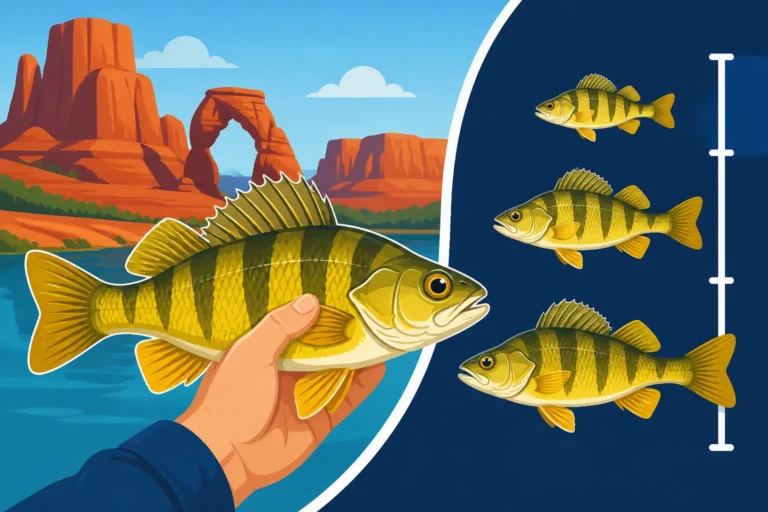
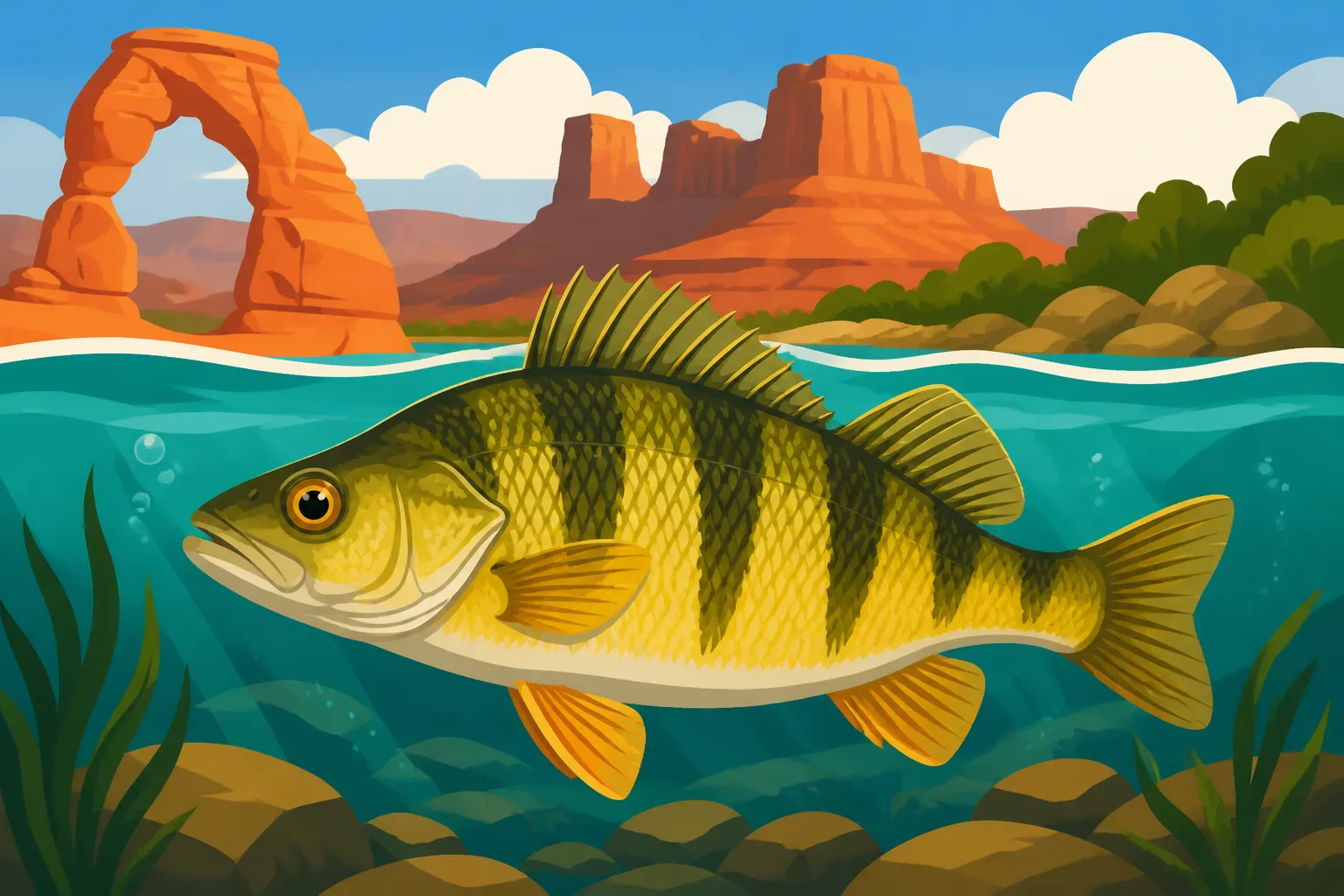
Yellow perch are pretty easy to spot once you know what you're looking for. Their bodies are typically yellowish-gold with six to eight dark, vertical bars or stripes running down their sides, fading as they get closer to the belly. They have two dorsal fins; the first is spiny and stands erect, while the second is softer-rayed. Their anal and pelvic fins are often a vibrant orange or reddish hue, especially during spawning season, which adds a nice pop of color. Size-wise, in Utah waters, they usually range from 6 to 10 inches, but it's not uncommon to pull out a few "jumbos" that push 12 to 14 inches, especially in well-managed reservoirs. These larger fish are truly a treat to catch and eat!
Understanding these visual cues is important, not just for identification, but also for appreciating the species. You might encounter them alongside other panfish, like bluegill or sunfish, but those distinctive vertical stripes and the vibrant orange fins are dead giveaways. They're a striking fish, really, especially when you pull one out of clear, cold water on a sunny day. Their firm, muscular bodies are built for chasing down smaller prey and darting through weed beds, making them a fun fight on light tackle.
Why They're a Great Target: Fun to Catch and Delicious to Eat
The appeal of yellow perch goes beyond their looks. For starters, they are incredibly cooperative. Unlike some of their more finicky cousins, perch are rarely shy about biting, especially when they're actively feeding. This makes them an ideal target for kids or new anglers who need that immediate gratification to stay engaged. There's nothing quite like seeing a child's face light up as they reel in their first fish, and perch often provide that exact experience. Plus, they tend to school together, so when you find one, you've often found a whole lot more. This means sustained action, which is what many anglers are really after!
And then there's the table fare. Oh boy, the table fare! Yellow perch are widely considered one of the best-tasting freshwater fish available. Their meat is white, firm, flaky, and has a mild, sweet flavor that holds up wonderfully to various cooking methods. Whether you're frying them up with a crispy batter, baking them, or turning them into fish tacos, yellow perch consistently deliver a delicious meal. This makes them a double win: a joy to catch and a delight to eat. In fact, many anglers specifically target perch with dinner in mind, knowing they'll go home with a cooler full of culinary gold. Best Fish Species for Eating From Utah Waters often includes these tasty panfish.
Where to Find Yellow Perch in Utah Waters
Utah might be known for its mountains and desert, but it's also home to a surprising number of lakes and reservoirs teeming with fish, including healthy populations of yellow perch. Knowing where to look is half the battle, and while they can pop up in unexpected places, some waters are definitely known as perch hotspots.
Top Reservoirs for Perch: Scofield, Deer Creek, Willard Bay, and More
When you're looking for a serious yellow perch expedition in Utah, certain reservoirs consistently rise to the top of the list. These are places where perch thrive, often reaching impressive sizes and offering abundant opportunities.
- Scofield Reservoir: This is arguably one of Utah's premier perch fisheries. Located in Carbon County, Scofield is famous for its jumbo perch, often yielding fish over 10 inches. The perch here are robust and numerous, providing excellent action, especially during the ice fishing season. You'll often find anglers bundled up, spread out across the ice, jigging for these prized panfish. During open water, look for them around weed beds, submerged structures, and drop-offs.
- Deer Creek Reservoir: Just outside of Heber City, Deer Creek is another fantastic perch destination. While perhaps not as renowned for the sheer "jumbo" factor as Scofield, Deer Creek offers consistent numbers and good-sized perch. It's a popular spot for both boat and shore anglers, with plenty of accessible areas. Perch here will relate to the abundant weed lines and transition areas from shallow to deeper water.
- Willard Bay State Park: Up north, Willard Bay is a massive, warm-water reservoir that holds a healthy population of yellow perch, alongside other species like wiper and catfish. While perch might not be the primary target for everyone at Willard, they offer fantastic action, especially for those looking for a diverse catch. The shallow, fertile waters provide ample habitat for these fish.
- Starvation Reservoir: Near Duchesne, Starvation Reservoir is another excellent multi-species fishery where yellow perch are a common and welcome catch. Like Scofield, Starvation can produce some truly impressive perch, especially for anglers willing to explore its varied structure.
- Pineview Reservoir: While Pineview is largely known for its tiger muskie, it also holds good numbers of yellow perch. These perch can be a great incidental catch, or a targeted species if you know where to look, often found in the shallower, weedier bays.
- East Canyon Reservoir: East Canyon, a beautiful spot in Morgan County, also supports a decent population of yellow perch, providing another option for northern Utah anglers seeking these delicious panfish.
These reservoirs offer diverse environments, from the cold, clear waters of Scofield to the warmer, shallower expanses of Willard Bay, proving just how adaptable yellow perch are. They congregate around structure like weed beds, submerged timber, rock piles, and points, so using a good fish finder can be a huge asset in locating them. Best Places to Fish in Utah often highlights these spots for their diverse fishing opportunities.
Urban Ponds and Smaller Lakes: Accessible Opportunities
You don't always need to drive hours to a major reservoir to find yellow perch. Many of Utah's urban and community ponds, as well as smaller, less-pressured lakes, also hold populations of these eager biters. While these fish might not reach the "jumbo" sizes of their reservoir counterparts, they offer incredibly convenient and accessible fishing, perfect for a quick outing after work or a family trip on the weekend.
Many community fishing ponds along the Wasatch Front and in other populated areas are regularly stocked with trout, but they often have naturally reproducing populations of yellow perch, bluegill, and other panfish. These ponds are typically easy to access, often have amenities like restrooms and picnic areas, and provide a safe, simple environment for kids to learn the ropes of fishing. Look for perch in these ponds around any cover: docks, lily pads, submerged brush, or even just deeper pockets near the shore. They're usually not too far from the bank, especially in the mornings and evenings.
It's always a good idea to check the Utah Division of Wildlife Resources (DWR) website for specific information on local ponds and their fish populations. They often provide stocking reports and general information on species present. Fishing these smaller, more accessible waters can be a wonderful way to introduce someone to the sport without the complexities of a large reservoir. You can often have a successful outing with just a simple rod and reel, a bobber, and some bait—a perfect scenario for beginners or a relaxed afternoon of angling.
Mastering the Art of Catching Utah Yellow Perch
Catching yellow perch is generally straightforward, which is part of their charm. However, like with any species, a few key techniques and gear choices can significantly increase your success rate. From the simplest setups to more refined strategies, there's a method for every angler.
Essential Gear and Bait: Simple Setups for Success
One of the best things about perch fishing is that you don't need a boatload of expensive gear to get started. A simple, light-action spinning rod and reel combo is often all you need.
- Rod and Reel: A 5 to 6.5-foot light or ultralight spinning rod paired with a small spinning reel spooled with 4 to 6-pound test monofilament or fluorocarbon line is perfect. This setup offers sensitivity to feel the subtle bites of perch and provides a fun fight when you hook into a decent one. You can find excellent beginner-friendly combos on
Amazonor at any local sporting goods store. - Terminal Tackle:
- Hooks: Small hooks are key! Size 6 or 8 Aberdeen hooks are popular, as they are thin-wired and less likely to snag, and their long shank makes it easier to remove from a perch's small mouth.
- Sinkers: Small split shot weights are usually sufficient to get your bait down. You don't need heavy weights, as perch are often found in relatively shallow to medium depths.
- Bobbers: A small slip bobber or fixed bobber can be incredibly effective, especially for shore fishing or when teaching kids. It visually signals bites and allows you to present your bait at a consistent depth.
- Baits: Perch aren't overly picky, making bait selection fairly easy.
- Live Bait: Minnows (often called "shiners" or "chubs" in some areas), worms (nightcrawlers or red wigglers), and pieces of cutbait are highly effective. Live minnows, hooked lightly through the lip or dorsal fin, are especially irresistible to larger perch. Utah Bait Fish Rules for Live Bait explains specific regulations.
- Artificial Baits: Small jigs (1/32 to 1/8 ounce) tipped with a small piece of worm, a minnow head, or soft plastic grub tails (like Berkley Gulp! maggots or minnows) are fantastic. Spoons, especially small Kastmasters or Swedish Pimples, are also excellent, particularly when jigging through the ice or vertically fishing from a boat. Small spinners can also entice active perch.
The beauty of this simple approach is that it's highly adaptable. You can start with a basic bobber and worm setup, and as you gain confidence, you can experiment with jigging techniques or using different artificial lures. Don't be afraid to try different things until you find what the perch are hitting on that particular day!
Seasonal Strategies: Adapting to Utah's Changing Conditions
Yellow perch can be caught year-round in Utah, but your approach will definitely need to change with the seasons and water temperatures.
- Spring (Ice-Off to Early Summer): As the ice melts and water temperatures begin to rise, perch become very active. They'll move into shallower areas to spawn, often congregating around weed beds, submerged brush, and rocky shorelines. This is a prime time for shore anglers using bobber and bait setups or small jigs. The fish are hungry after winter and eager to feed.
- Summer: During the heat of summer, perch will generally move deeper to find cooler water and more oxygen. Look for them around drop-offs, underwater humps, and the edges of weed lines in 15 to 30 feet of water. Boat anglers using fish finders will have an advantage in locating these schools. Vertical jigging or slow trolling with small crankbaits or minnows can be very effective. Early mornings and late evenings are often the best times as perch may venture into shallower waters to feed.
- Fall: As water temperatures cool down, perch will again become highly active, feeding aggressively in preparation for winter. They'll often move back into shallower to mid-depth ranges, especially along rocky points and flats. Fall can offer some of the best fishing of the year, with perch actively chasing baits.
- Winter (Ice Fishing): Utah Ice Fishing Guide to yellow perch is legendary in Utah. When the lakes freeze over, perch fishing through the ice is a major draw. Perch remain active under the ice, often schooling in predictable patterns. Look for them over submerged structures, main lake points, and flats. Small jigs tipped with bait (mealworms, wax worms, or a minnow head) are deadly. The use of an ice fishing flasher or fish finder is a game-changer for ice anglers, helping to pinpoint schools and gauge their activity.
Knowing how perch behave during each season is crucial for consistent success. Pay attention to water depth and structure, as these will be your primary clues to finding them throughout the year.
Tactics for All Anglers: Shore, Boat, and Ice Fishing
Yellow perch offer versatility in how you can target them, which is another reason they're such a great fish for all anglers.
- Shore Fishing: For those without a boat, shore fishing for perch is highly productive, especially in spring and fall. Look for accessible points, coves with submerged vegetation, or areas near docks and fallen trees. A simple slip bobber rig with a worm or minnow, cast out and allowed to drift, is a classic and effective method. You can also cast and retrieve small spinners or jigs along the shoreline. Many urban ponds are perfect for this, offering easy access for Best Fishing Spots for Beginners in Utah or Best Fishing Spots for Kids in Utah.
- Boat Fishing: Having a boat opens up more opportunities to chase those deeper-water schools in summer or cover more ground in larger reservoirs. Trolling very slowly with small crankbaits or spinner rigs is effective, as is vertical jigging once you've located a school with your fish finder. Drifting with live bait rigs (a small weight with a hook and minnow/worm) can also cover ground and present your bait naturally. Using a quiet trolling motor can help you sneak up on schools without spooking them.
- Ice Fishing: As mentioned, ice fishing for perch is immensely popular. Drill a series of holes over suspected structure or known perch hangouts. Use small ice jigs (like teardrop jigs, small Swedish Pimples, or Rapala Jigging Raps) tipped with a wax worm or minnow head. Work the jig with a subtle lift-and-drop motion, watching your flasher for fish responses. Perch bites can be very light through the ice, so a sensitive rod tip is essential. Many anglers use portable shelters, which you can also find on
Amazon, to stay warm and comfortable during long days on the ice. Remember to always prioritize safety when ice fishing and check ice thickness. How Thick Does Utah Ice Need to Be Before You Can Fish On It? is a great resource.
No matter your preferred method, the key to perch fishing is often persistence and a willingness to move if you're not getting bites. Perch are schooling fish, so if you find one, there are likely many more nearby.
Handling Your Catch: From Water to Table
Catching a limit of yellow perch is a fantastic accomplishment, but the experience isn't complete until you've properly handled your catch and prepared it for the dinner table. This often overlooked step is crucial for ensuring the best possible flavor and maximizing your harvest.
Proper Care and Cleaning for the Best Flavor
To ensure your yellow perch taste their absolute best, proper care from the moment they're caught until they hit the pan is essential.
- Keep Them Cold: The most critical step is to keep your fish cold. As soon as you catch a perch you intend to keep, place it immediately on ice in a cooler. A stringer can work for a short period if the water is very cold, but nothing beats a cooler full of ice for preserving freshness and flavor, especially on a warm Utah day. Keeping them chilled prevents bacterial growth and the breakdown of their delicate flesh.
- Filleting: Cleaning perch can seem daunting due to their relatively small size and spiny dorsal fin, but it's quite straightforward with a sharp fillet knife.
- Safety First: Be careful of the sharp spines, especially on the dorsal and anal fins.
- Scale or Fillet: While you can scale and gut smaller perch to cook whole, most anglers prefer to fillet them. Filleting removes the bones and skin, leaving you with pure, delicious meat.
- The Cut: Start behind the gill plate, cutting down to the backbone. Turn your knife and cut horizontally along the backbone, towards the tail. Flip the fillet over and carefully slice it off the skin. Repeat on the other side. You'll be left with two boneless, skinless fillets per fish.
- Practice Makes Perfect: Don't get discouraged if your first few fillets aren't perfect. With a little practice, you'll become a pro at quickly processing a pile of perch. There are tons of helpful videos online, or ask a seasoned angler for a demonstration.
Proper cleaning not only makes the fish more enjoyable to eat but also respects the resource by ensuring nothing goes to waste. If you're out fishing all day, bringing a portable fish cleaning table can make the process much easier at the end of your trip. How to Fillet a Trout After Keeping Your Limit shares similar principles you can apply to perch.
Delicious Ways to Prepare Your Perch
Once you have those beautiful, clean perch fillets, the culinary possibilities are endless! Their mild, sweet flavor and firm, flaky texture make them incredibly versatile.
- Classic Pan-Fried Perch: This is probably the most popular and arguably the best way to enjoy yellow perch.
- Dredge: Lightly dredge your fillets in seasoned flour, cornmeal, or a specific fish fry breading (many
Amazonoptions available). A common seasoning blend includes salt, pepper, garlic powder, and paprika. - Fry: Heat a generous amount of oil (vegetable, canola, or peanut oil are great) in a cast iron skillet or deep fryer to about 350-375°F.
- Cook: Fry the fillets for 2-4 minutes per side, depending on thickness, until golden brown and cooked through. They'll flake easily with a fork.
- Serve: Serve immediately with lemon wedges, tartar sauce, coleslaw, and hushpuppies for a true fish fry feast.
- Dredge: Lightly dredge your fillets in seasoned flour, cornmeal, or a specific fish fry breading (many
- Baked or Broiled Perch: For a lighter option, baking or broiling is excellent.
- Season: Place fillets on a baking sheet, drizzle with olive oil, and season with herbs like dill, parsley, and a pinch of salt and pepper.
- Bake/Broil: Bake at 400°F for 10-15 minutes, or broil for 5-7 minutes, until opaque and flaky.
- Perch Tacos: Flaky perch meat is fantastic in tacos!
- Cook: Cook your fillets (fried, baked, or grilled).
- Assemble: Flake the cooked fish into warm tortillas and top with shredded cabbage, pico de gallo, a creamy sauce (like a lime crema), and a squeeze of fresh lime juice. Absolutely delicious!
The simplicity of perch, both in catching and cooking, is a huge part of their appeal. Don't overcomplicate it – let the natural flavors shine through. Just be sure to check for any current fish consumption advisories for the specific water body you fished, as these can occasionally be issued by the Utah DWR for various reasons.
Yellow Perch in Utah: Ecology and Regulations
While yellow perch are fantastic for anglers, their presence in Utah's ecosystems is a bit more complex. They play a significant role, both as a food source and as competitors, and their populations are carefully managed by the Utah Division of Wildlife Resources (DWR).
Their Role in the Ecosystem: Food Source and Competition
Yellow perch are true survivors and can thrive in a wide range of aquatic environments, from large, cold-water reservoirs to smaller, warmer ponds. In many Utah waters, they form a crucial link in the food chain.
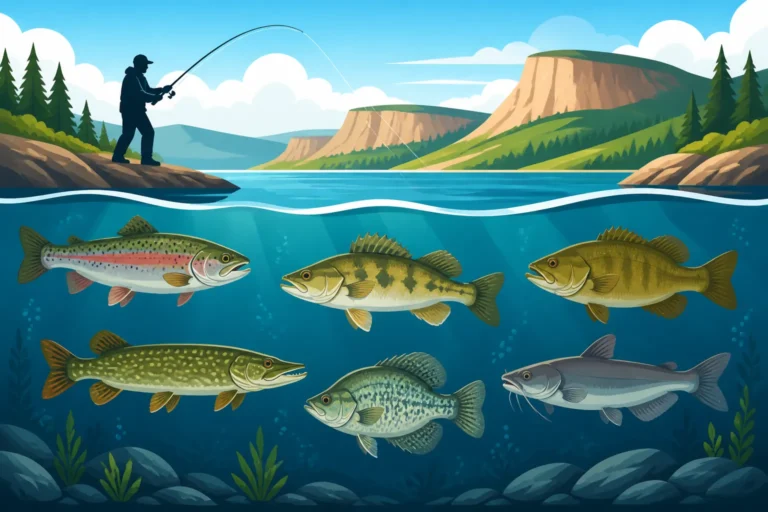
- Forage Fish: Smaller perch are a vital food source for larger predatory fish, including trout (rainbows, browns, cutthroats, and lake trout), wipers, walleye, and even tiger muskie. A healthy perch population can support robust growth rates in these trophy species, making them an important part of a balanced fishery. For example, at Flaming Gorge, while lake trout are often preying on kokanee or crayfish, perch certainly contribute to their diet, especially when young.
- Competition: However, their prolific breeding habits and opportunistic feeding can sometimes lead to overpopulation in certain waters. When perch become too numerous, they can outcompete other species for food resources, particularly in smaller ponds or lakes with limited forage. This can result in stunted perch populations (many small fish, few large ones) and negatively impact the growth and health of other desirable sport fish. This is why active management, including liberal harvest limits for anglers, is often encouraged to maintain ecological balance. Fish Species Considered Invasive in Utah Waters sometimes mentions perch in specific contexts where their numbers need management.
Understanding this ecological balance helps anglers appreciate the "why" behind certain regulations. It's not just about protecting rare fish, but also about managing entire aquatic systems for overall health and diverse fishing opportunities.
Understanding Utah's Perch Regulations and Bag Limits
Fishing regulations in Utah are set by the DWR with the goal of maintaining healthy fish populations and ensuring sustainable angling opportunities. While perch are generally managed with liberal harvest rules, it's absolutely crucial for every angler to understand and abide by them.
- General State-Wide Rules: For most waters in Utah, yellow perch fall under general panfish regulations. This typically means a generous daily bag limit, often allowing for a large number of fish to be harvested. This liberal approach is often due to their high reproductive rates and the desire to manage populations to prevent stunting and provide forage for other species. However, these limits can vary significantly by water body.
- Water-Specific Regulations: This is where it gets tricky, and why you must check the current Utah Fishing Guidebook before heading out. Some specific reservoirs, especially those with aggressive management plans or unique ecological concerns, might have different limits for yellow perch. For instance, a water body might have an unlimited daily bag limit, or a higher limit than the general state rule, to encourage harvest as part of a management strategy. Others might have slot limits or protected sizes, though this is less common for perch.
- Possession Limit: Remember that the possession limit is usually the same as the daily bag limit. This means you can only have as many fish in your possession as the daily limit allows, regardless of how many days you've been fishing.
- Checking the Guidebook: The Utah Fishing Guidebook is published annually and is your ultimate source for current regulations. You can find it online on the Utah DWR website or pick up a physical copy wherever fishing licenses are sold. Always check the section for "General Regulations" and then look up specific rules for the water body you plan to fish. Don't rely on old information or hearsay; regulations can change from year to year.
As an example, if you're planning a trip to Scofield Reservoir, you would consult the general panfish rules, then specifically look for any additional rules listed under Scofield Reservoir. The DWR works hard to ensure these rules are clear and accessible, making it easy for anglers to be responsible. Utah Fishing Regulations Explained provides a great overview of how to navigate these rules.
By being informed and responsible, we can all contribute to the health of Utah's fisheries and ensure that the joy of catching yellow perch, and all other species, continues for generations to come.
| Water Body | Primary Perch Season | Typical Depth (Open Water) | Best Baits/Lures | Notes |
|---|---|---|---|---|
| Scofield Reservoir | Winter (Ice), Spring | 10-30 feet | Small Jigs (wax worms), Minnows | Known for jumbo perch; popular ice fishery |
| Deer Creek Reservoir | Spring, Summer, Fall | 15-25 feet | Worms, Minnows, Small Spinners | Consistent action; good for shore anglers |
| Willard Bay State Park | Summer, Fall | 5-20 feet | Worms, Small Jigs, Cut Bait | Warmer water; diverse fishery |
| Starvation Reservoir | Winter (Ice), Spring, Fall | 10-25 feet | Small Jigs, Minnows, Spoons | Can yield large perch; good structure |
| Community Ponds | Spring, Summer, Fall | 3-10 feet | Worms, Corn, PowerBait | Highly accessible; great for kids |
Disclaimer
This article is for general informational purposes only and does not constitute professional advice. Laws, prices and regulations vary by location and change over time. Consult a qualified professional for guidance on your specific situation.