June Sucker Endangered Species in Utah Lake
It’s a strange feeling to know that one of the most unique and important residents of Utah Lake is a fish that most people have never seen, or even heard of. When you think of Utah Lake, you might picture carp, walleye, or even some of the smallmouth bass that have found their way in. But beneath the surface, a truly ancient and vital species, the June sucker, has been fighting for survival against incredible odds. This guide is here to shed light on this remarkable fish, its critical endangered status, and what's being done to protect it for future generations of Utahns.
Meet the June Sucker: A Utah Lake Original
Imagine a fish that has called Utah Lake home for thousands of years, evolving uniquely within this specific ecosystem. That's the June sucker. It's not just "another suckered fish" you might accidentally snag; it's a living piece of Utah's natural heritage, as iconic to Utah Lake as the June bloom that gives it its name. Its story is intertwined with the lake itself, a testament to the complex and often fragile balance of our native wildlife.
What Makes the June Sucker Special?
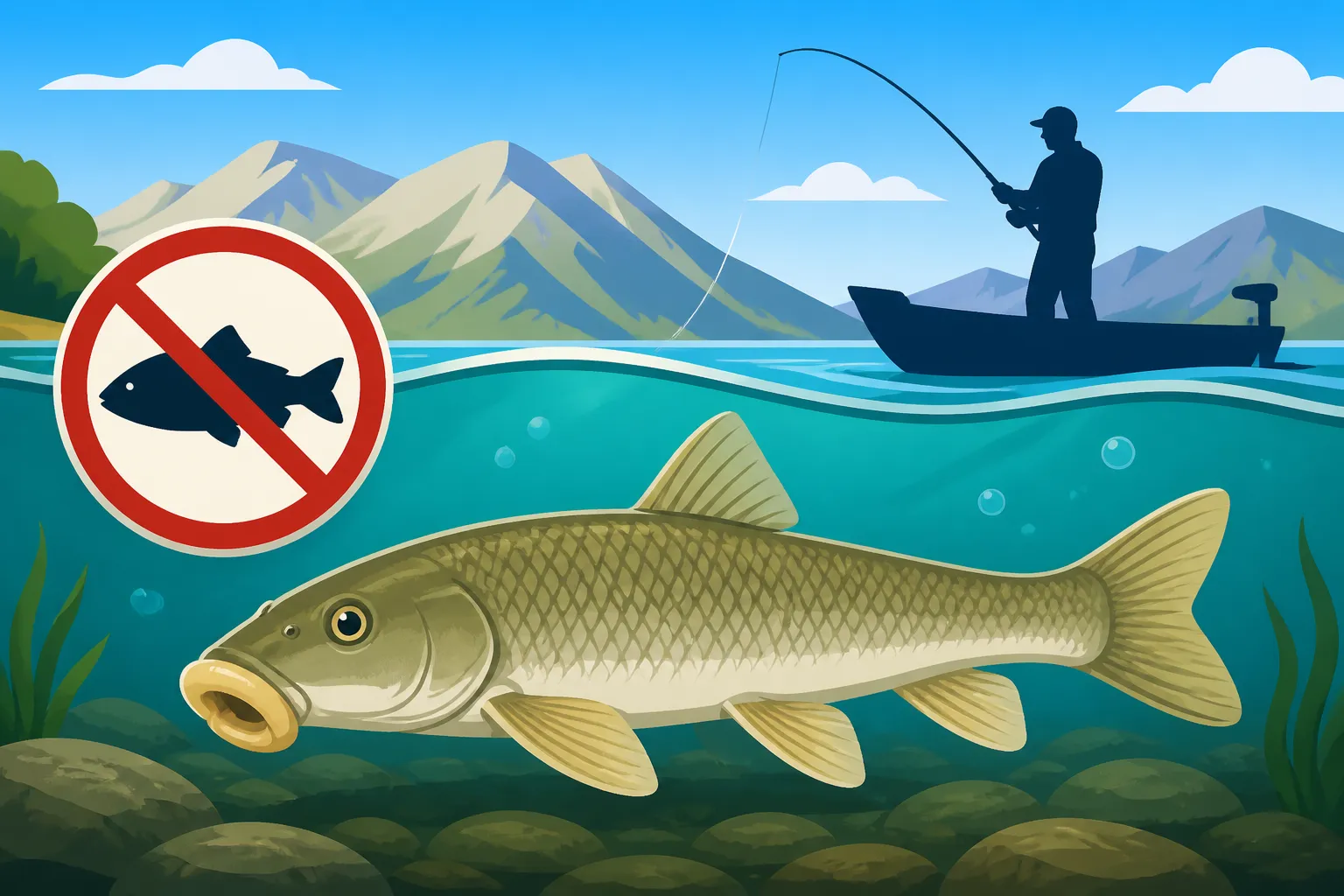
The June sucker (Chasmistes muriei) isn't your average bottom-feeder. While many suckers are generalized feeders, the June sucker has specialized mouthparts designed to filter-feed on zooplankton in the open water of Utah Lake. Visually, they have a somewhat elongated body, often with a grayish-green back fading to a silvery belly. Their most distinctive feature is their mouth: it's subterminal (on the underside of the head) and has thick, fleshy lips, but it's positioned to scoop food from the water column rather than scour the bottom like other sucker species. They can grow up to 24 inches long, making them a sizable fish.
Their life cycle is also fascinating. They spend most of their lives in the open waters of Utah Lake, much like a miniature whale filtering krill. However, their unique characteristic is their spawning migration. Historically, in late spring or early summer (hence "June" sucker), these fish would leave the main lake and swim up the Provo River to spawn in its gravelly reaches. This specific migration, tied to the June runoff and the health of the Provo River, highlights their specialized needs and vulnerability. Their eggs need clean, flowing water to hatch, and the young fry then drift back down to the lake to grow. This intricate dance between lake and river is a crucial part of their existence.
The June Sucker's Ancestral Home: Utah Lake
Utah Lake isn't just a body of water; it's the only natural habitat for the June sucker. This makes their plight even more poignant – if they disappear from Utah Lake, they disappear from the world. For millennia, the lake and its inflowing rivers, primarily the Provo River, provided the perfect conditions for the June sucker to thrive. The lake offered vast, productive open waters rich with zooplankton, while the river provided essential spawning grounds. This natural connection ensured a healthy population of these unique fish.
However, the rapid development and settlement around Utah Lake starting in the late 19th and early 20th centuries brought drastic changes. Water diversions for agriculture, increased pollution from a growing population, and the introduction of non-native fish species began to chip away at the delicate balance the June sucker relied upon. The Provo River, once a pristine spawning highway, became increasingly degraded, making successful reproduction nearly impossible for wild June suckers. The historical abundance of these fish quickly dwindled, pushing them to the brink. For more about the lake itself, check out our Utah Lake Fishing Guide.
The Perilous Path to Endangered Status
The journey of the June sucker from a thriving native species to one teetering on the edge of extinction is a stark reminder of human impact on natural ecosystems. Their decline wasn't sudden but a gradual erosion of their habitat and the introduction of overwhelming pressures that native species often struggle to withstand. It’s a classic tale of development without foresight.
Habitat Loss and Alteration
One of the most significant blows to the June sucker was the dramatic alteration of its habitat. Utah Lake is a relatively shallow, productive lake, but its surrounding environment has been heavily modified. Water diversions, especially from the Provo River, severely reduced the flow and changed the temperature and substrate of the critical spawning grounds. Imagine trying to get home on a highway that keeps getting rerouted or drained – that's what happened to the June sucker. When the river flow was too low or water quality too poor, adult fish couldn't make their spawning run, or if they did, the eggs wouldn't survive.
Beyond the rivers, the lake itself suffered. Increased nutrient loads from agricultural runoff and municipal discharge led to changes in water quality, including harmful algal blooms, which could impact the zooplankton that June suckers feed on. Shoreline development, dredging, and changes in the lake's water level management further disrupted the natural ecosystem. These widespread habitat alterations made it incredibly difficult for the June sucker to complete its life cycle successfully, especially its sensitive spawning phase. Many of these issues continue to be challenges for Utah Lake Fishing Spots.
The Impact of Invasive Species
As if habitat degradation wasn't enough, the introduction of non-native fish species delivered another devastating blow. Utah Lake is now home to many introduced fish, some of which compete directly with the June sucker for food, while others prey on its eggs and young. Common carp, for instance, are notorious for rooting around on the lake bottom, stirring up sediment and degrading water clarity, which can impact the June sucker's filter-feeding efficiency. For a deeper dive into these issues, see our guide on Invasive Fish Species in Utah.
Predatory non-native fish like walleye, largemouth bass, and channel catfish also pose a direct threat, particularly to the vulnerable juvenile June suckers. Imagine trying to raise your young when new, aggressive neighbors are constantly trying to eat them. Walleye, in particular, are prolific predators in the lake, as discussed in Utah Lake Walleye Population. Even species like perch, which might seem innocuous, compete for food sources and space. The sheer abundance of these invasive species creates an ecological imbalance that the June sucker, a specialized native, simply wasn't equipped to handle. The cumulative effect of these introduced species has made the recovery of the June sucker much more challenging.
Other Historical Pressures
While habitat loss and invasive species are the primary culprits, other historical pressures also contributed to the June sucker's decline. In earlier times, there was less understanding of the ecological value of native "sucker" fish, and they were often viewed as "trash fish" or competitors with more desirable game species. This led to a lack of protection and, in some cases, direct harm. Historical overfishing, while not the leading cause of their endangered status, also played a role in reducing population numbers before protections were put in place. It's a testament to how easily a species can decline when faced with multiple stressors, some intentional and some unintended.
The cumulative effect of these pressures led to the June sucker being listed as endangered under the Endangered Species Act in 1986. It was a critical step, acknowledging the dire situation and opening the door for dedicated recovery efforts that continue to this day. This listing also means that harming or possessing a June sucker is strictly prohibited, falling under the umbrella of Utah Fish Species You Must Release.
Dedicated Efforts to Save a Species
The story of the June sucker isn't just one of decline; it's also a powerful narrative of hope and concerted effort. For decades, a dedicated team of scientists, conservationists, and government agencies have been working tirelessly to bring this unique fish back from the brink. It’s a massive undertaking that shows what’s possible when people rally around a shared conservation goal.
The Role of the June Sucker Recovery Program
Central to the conservation effort is the June Sucker Recovery Program (JSRP). Established in 1986, this multi-agency partnership is a shining example of collaborative conservation. Key partners include the Utah Department of Natural Resources, the U.S. Fish and Wildlife Service, the Bureau of Reclamation, and various local water user groups and universities. Their overarching goal is to recover the June sucker population to the point where it can be delisted from the Endangered Species Act.
The JSRP has a multi-pronged strategy. It focuses on several critical areas: managing hatchery populations, restoring spawning habitat, controlling invasive species, conducting scientific research, and educating the public. This holistic approach recognizes that saving a species requires addressing all the factors that contributed to its decline, not just one or two. They've invested countless hours and resources into understanding the fish's biology and ecology, developing effective recovery techniques, and navigating the complex legal and environmental landscape of Utah Lake.
Hatchery Programs and Stocking Efforts
One of the most immediate and impactful actions of the JSRP was the establishment of a robust hatchery program. With wild spawning success virtually non-existent for many years, the only way to prevent the June sucker from disappearing entirely was to raise them in a controlled environment. Adult June suckers are collected from the lake, carefully spawned in hatcheries, and their offspring are reared until they are large enough to have a better chance of survival when released back into Utah Lake. This takes immense dedication and scientific precision, from managing water quality in tanks to ensuring a healthy diet.
The large-scale rearing and stocking efforts have been instrumental in maintaining and growing the June sucker population. Tens of thousands of hatchery-reared June suckers are released into Utah Lake annually. These fish are often marked (e.g., with a small tag or fin clip) so scientists can monitor their survival, growth, and movement. This allows the JSRP to evaluate the effectiveness of their stocking strategies and make adjustments as needed. Without these dedicated hatchery efforts, it's highly likely the June sucker would be extinct today. For specific details on other protected species, read Fish Species Protected in Utah.
Habitat Restoration and Water Management
While stocking is crucial, the ultimate goal is for the June sucker to reproduce naturally in the wild. This requires restoring and protecting their critical spawning habitat in the Provo River. The JSRP has undertaken ambitious projects to improve river flows, remove barriers, and enhance the gravel beds essential for spawning. This includes working with water managers to ensure adequate water releases during the critical June spawning window, a delicate balancing act with the region's agricultural and municipal water needs.
Furthermore, efforts are ongoing to improve the overall health of Utah Lake itself. This includes managing nutrient inputs, promoting healthy aquatic vegetation, and addressing issues related to invasive species. For example, controlling populations of invasive common carp helps improve water clarity and benefit the entire lake ecosystem, which in turn helps the June sucker. Some of these projects, like the Provo River Delta Restoration Project, aim to create new, accessible spawning habitats that are less susceptible to historical threats. These long-term habitat improvements are key to ensuring the June sucker's self-sustaining future.
How Anglers and Concerned Citizens Can Help
You might feel like the fate of an endangered fish is entirely in the hands of scientists and government agencies, but that's not true! Every angler and concerned citizen in Utah can play a vital role in the recovery of the June sucker. Public awareness and responsible actions are just as important as scientific research and habitat restoration. If we want this fish to thrive, it takes a community effort.
Recognizing and Reporting June Suckers
The first step is awareness. Most anglers on Utah Lake are targeting walleye, bass, or catfish, but sometimes a June sucker might mistakenly end up on your line. Knowing how to identify a June sucker is crucial. Remember their unique filter-feeding mouth and relatively large size. They can be confused with other suckers, like the Utah sucker or the mountain sucker, but the June sucker typically has a more streamlined body and that distinctive mouth adapted for open-water feeding. Take a moment to compare your catch to identification guides, perhaps found on the Utah Division of Wildlife Resources website or a fish identification app available on Amazon.
If you accidentally catch a June sucker, it's incredibly important to release it immediately and unharmed. This is a mandatory requirement under both state and federal law. Handle the fish as little as possible, using wet hands to protect its slime coat, and avoid touching its gills or eyes. Cut the line if the hook is deeply embedded rather than trying to remove it. If you suspect you've caught one, consider taking a quick photo (without causing undue stress to the fish) and reporting the sighting to the Utah Division of Wildlife Resources. Your report can provide valuable data for the recovery program. We have a detailed guide on How to Release a Fish Without Hurting It in Utah that might be helpful.
Supporting Conservation Initiatives
Beyond direct interactions on the water, there are many ways to support June sucker conservation. Donating to organizations involved in the June Sucker Recovery Program or other local conservation groups that focus on Utah Lake's health can provide much-needed funding for research, habitat projects, and hatchery operations. Volunteering your time for clean-up days along the Provo River or at public outreach events can also make a tangible difference. Every pair of hands helps.
Advocacy is another powerful tool. Stay informed about legislative decisions or water management policies that could impact Utah Lake and the June sucker. Voice your support for conservation efforts and sustainable water practices. By speaking up and participating in local discussions, you can help ensure that the June sucker's needs are considered in future development plans. Even sharing information about the June sucker with friends and family helps spread awareness and foster a greater appreciation for this unique native fish.
Responsible Angling Practices for Utah Lake
Your everyday angling habits also contribute to the health of Utah Lake and, by extension, the June sucker. Practicing "Clean, Drain, Dry" is paramount to preventing the spread of aquatic invasive species, which are a major threat to the June sucker and the entire ecosystem. Before moving your boat or gear from one water body to another, thoroughly clean it, drain all water, and allow it to dry completely. This includes kayaks, paddleboards, and fishing waders. For comprehensive information, refer to Utah Aquatic Invasive Species Rules for Anglers.
Also, be mindful of what you're introducing to the lake. Never release baitfish from other waters into Utah Lake, as this can introduce new invasive species or diseases. Always dispose of fishing line and trash properly. These seemingly small actions collectively create a healthier environment for all fish, including the vulnerable June sucker. By being a responsible steward of Utah Lake, you're directly contributing to the survival of a truly special and ancient inhabitant.
Looking Ahead: The Future of the June Sucker
The journey to recover the June sucker is far from over, but there's a tangible sense of progress and hope. While challenges remain, the dedicated efforts of the past decades have undeniably pulled this species back from the brink. The ultimate goal is not just survival, but thriving, so that future generations can witness wild June suckers making their incredible spawning runs.
Ongoing Challenges and Monitoring
Despite the successes, the June sucker faces ongoing challenges. Utah Lake is a dynamic and complex ecosystem, subject to fluctuating water levels, varying water quality, and the persistent presence of numerous invasive species like the ones you'd find when fishing for Carp in Utah Lakes. Climate change also presents potential long-term threats through altered precipitation patterns and increased water temperatures, which could impact both lake conditions and river flows crucial for spawning. Monitoring these environmental factors and adapting recovery strategies accordingly is a continuous effort.
Scientists continue to monitor the June sucker population closely, using various techniques such as netting, tagging, and genetic analysis. They track survival rates of hatchery-reared fish, assess the health of wild populations, and measure the success of habitat restoration projects. This data-driven approach is essential for making informed decisions and ensuring that resources are allocated effectively. Understanding population trends and the factors influencing them is key to guiding the next steps of the recovery program.
The Vision for Recovery
The long-term vision for the June sucker is clear: a self-sustaining population that no longer requires the intensive intervention of the hatchery program and is resilient enough to cope with the natural variability of Utah Lake. This means a population robust enough to be removed from the Endangered Species List, a milestone known as "delisting." Criteria for delisting typically include sustained population numbers, successful natural reproduction over several years, and the establishment of sufficient protected habitat.
Achieving delisting would be a monumental success story, not just for the June sucker but for conservation efforts in Utah and beyond. It would demonstrate that with dedicated effort, scientific understanding, and public support, even species on the verge of extinction can be brought back. The June sucker's journey is a powerful reminder of the interconnectedness of our ecosystems and the responsibility we have to protect the unique natural treasures, like this remarkable fish, that call Utah home.
June Sucker Conservation at a Glance
To give you a quick overview of the ongoing battle for the June sucker's future, here's a table summarizing the main threats and the corresponding recovery efforts:
| Threat Category | Specific Challenges | Recovery Program Actions |
|---|---|---|
| Habitat Degradation | Reduced river flows for spawning | Water management agreements, Provo River Delta Restoration |
| Poor water quality, sedimentation in spawning areas | Habitat restoration, riparian improvements, water quality monitoring | |
| Altered lake levels affecting shoreline habitat | Coordinated water level management with partners | |
| Invasive Species | Predation on eggs and young by non-native fish | Hatchery rearing, stocking larger juveniles |
| Competition for food and resources (e.g., carp, walleye) | Invasive species removal (e.g., carp netting), educating anglers on Why Utah Lake Require You to Kill Every Northern Pike? | |
| Disease transmission from non-native fish | Biosecurity protocols in hatcheries, monitoring fish health | |
| Low Population | Critically low numbers of wild fish, poor natural reproduction | Extensive hatchery breeding and rearing program |
| Lack of genetic diversity in remnant wild populations | Genetic monitoring, careful broodstock management | |
| Human Impact | Accidental catch by anglers | Public education, identification guides, "release immediately" rules |
| Lack of public awareness/support | Outreach programs, collaboration with local communities |
Disclaimer
This article is for general informational purposes only and does not constitute professional advice. Laws, prices and regulations vary by location and change over time. Consult a qualified professional for guidance on your specific situation.