The Utah State Record Smallmouth Bass
It's a thrill to think about breaking a state record, isn't it? Many anglers spend a lifetime chasing that one monumental fish, but often the details of Utah's existing records are a bit shrouded in mystery. This guide aims to clear the waters, unveiling the current state record for smallmouth bass in Utah, detailing its impressive size, the legendary location it was caught, and offering crucial insights into how you might pursue your own trophy-sized smallmouth here in the Beehive State.
Unveiling Utah's State Record Smallmouth Bass
There’s something truly special about a state record fish. It represents the pinnacle of angling achievement for a particular species in a specific region, a testament to both the fish's impressive growth and the angler's skill and dedication. For smallmouth bass in Utah, that record has stood for quite some time, inspiring countless others to cast their lines in hopes of dethroning it.
The Official Record: Weight, Length, and History
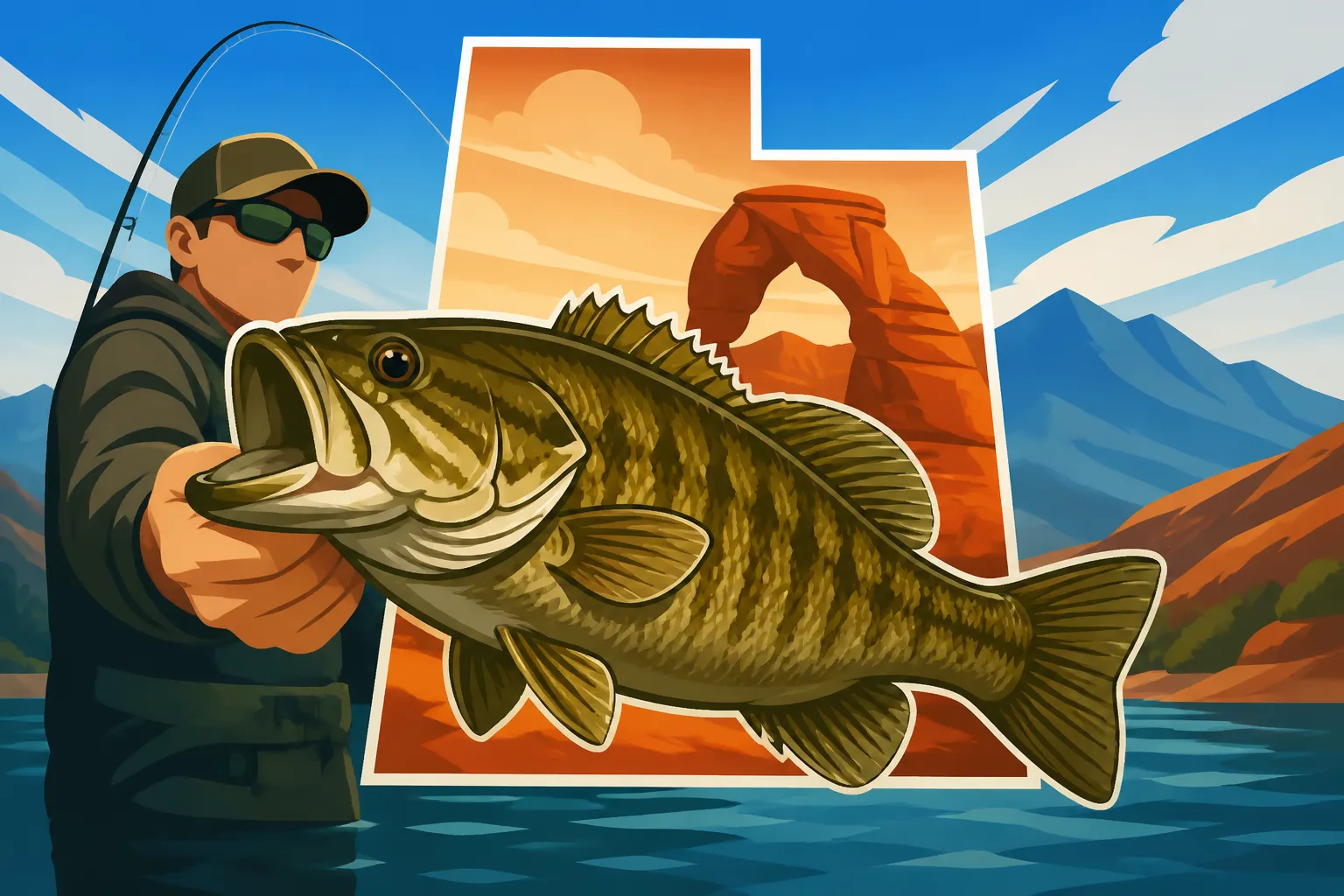
Let's get straight to it: the Utah state record for smallmouth bass is an absolute beast. It tipped the scales at an astounding 7 pounds, 14 ounces, and measured a magnificent 22 1/4 inches long. This incredible fish was caught by angler Mike Gardner on September 25, 2007, from the prolific waters of Flaming Gorge Reservoir. Imagine the fight that fish must have put up, especially in a place known for its powerful smallmouth! It's a record that has captivated local anglers for well over a decade, a benchmark of what's truly possible in Utah's waters.
This isn't just a number; it's a piece of Utah fishing history. The fact that this record has stood for so many years speaks volumes about the quality of the fishery at Flaming Gorge and the exceptional circumstances that came together for that specific catch. While other lakes in Utah certainly hold quality smallmouth, Flaming Gorge has consistently proven itself capable of producing fish that are not just big, but truly exceptional. It's a goal many anglers set their sights on, perhaps less to break the record and more to simply experience catching a fish of such caliber.
The Angler's Tale: Who Caught This Monumental Fish?
Mike Gardner's name is etched into Utah's fishing lore thanks to his record-setting smallmouth. While the exact details of his catch aren't always widely publicized in the same way a national story might be, the essence remains: a dedicated angler, at the right place, at the right time, with the right presentation. Many record-breaking fish are caught by individuals who spend countless hours on the water, meticulously studying patterns, perfecting their techniques, and understanding the nuances of the specific body of water they're fishing. It's a journey of passion, and his achievement stands as a powerful reminder of what persistent effort can yield.
What kind of gear might have been involved in landing such a formidable smallmouth? While we don't have the exact breakdown, it's safe to assume a robust setup. A medium-heavy spinning or baitcasting rod, spooled with strong monofilament or fluorocarbon line, would have been essential to handle the aggressive strikes and powerful runs of a nearly 8-pound smallmouth. Lures that imitate the forage found in Flaming Gorge, such as crayfish or baitfish, are often key for these bigger fish. It’s a testament to choosing the right tools for the job, tools you can often find readily available from reputable retailers, whether you're browsing in a local tackle shop or looking for specific brands on Amazon.
What Makes a Smallmouth a "State Record" Contender?
Catching a giant smallmouth is one thing; having it officially recognized as a state record is another entirely. The Utah Division of Wildlife Resources (UDWR) has a specific set of criteria that must be met to ensure the integrity of such claims. It's not enough to simply guess the weight; the fish must be weighed on a certified scale, usually at a local grocery store or tackle shop that has been approved for such measurements. The length and girth are also typically recorded, and photos are absolutely mandatory to verify the species and the catch itself.
This process is critical because it prevents false claims and ensures that all records are legitimate. Imagine the disappointment of catching a potential record-breaker only to realize you didn't follow the proper protocols for verification! It means having a plan in place, knowing where the nearest certified scale is, and being prepared to act quickly and responsibly. The UDWR's guidelines are in place to celebrate true angling feats and preserve the credibility of these coveted titles.
Prime Waters for Trophy Smallmouth Bass in Utah
While any water body holding smallmouth bass could theoretically produce a record, some lakes are just built differently. They offer the ideal combination of habitat, forage, and growing conditions that allow smallmouth to not just survive, but truly thrive and reach incredible sizes. When it comes to chasing a Utah state record smallmouth, your focus really needs to narrow down to a select few, with one shining star leading the charge.
Flaming Gorge Reservoir: A Smallmouth Powerhouse
Without a doubt, Flaming Gorge Reservoir stands as the undisputed champion for trophy smallmouth bass in Utah. Stretching across the Utah-Wyoming border, this massive, deep, and clear reservoir offers an incredible amount of prime smallmouth habitat. Think about it: miles upon miles of rocky points, steep ledges, submerged cliffs, and vast areas of rubble and boulders. These are exactly the kinds of structures that smallmouth bass adore, providing ambush points, protection, and prime feeding grounds. The abundant forage base, including crayfish and various baitfish, allows smallmouth to grow exceptionally large, leading to impressive Smallmouth Bass Size at Flaming Gorge.
The sheer size and depth of Flaming Gorge also contribute to its trophy potential. It's a vast ecosystem where fish can spread out, find untouched pockets, and mature without excessive pressure. Exploring Flaming Gorge Smallmouth Bass Coves can often reveal hidden gems where big fish hold tight to structure. Anglers frequently report catching smallmouth in the 3-5 pound range, with larger specimens being a regular occurrence for those who know how to unlock its secrets. Its clear water often means longer casts and more subtle presentations are needed, but the rewards can be truly breathtaking.
Other Notable Smallmouth Destinations
While Flaming Gorge steals the spotlight, it's worth noting that Utah has other waters capable of producing solid smallmouth bass catches, even if they haven't yielded a state record yet. Deer Creek Reservoir, located near Provo, for example, has a healthy population of smallmouth, particularly around its rocky shorelines and submerged features. While the average size might be smaller than Flaming Gorge, it still offers exciting angling opportunities, especially for those looking for a quicker trip from the Wasatch Front.
Lake Powell, in Southern Utah, is another behemoth with smallmouth populations, though they often get overshadowed by its renowned striped bass and largemouth bass fisheries. The smallmouth here tend to inhabit the vast rocky canyons and submerged timber, often preferring clearer water areas. They might not reach the sheer size of Flaming Gorge giants on average, but a surprise trophy can always be lurking in its endless labyrinth of coves and ledges. Understanding Smallmouth Bass Identification in Utah is key, as they can sometimes be confused with their largemouth cousins in these diverse waters.
Identifying Prime Smallmouth Habitat
Knowing where the record was caught is one thing, but understanding why that location is so productive is critical for your own success. Smallmouth bass, especially the bigger ones, are structure-oriented fish. They love rocky bottom, submerged timber, drop-offs, ledges, and transition zones where different depths meet. In a reservoir like Flaming Gorge, you're looking for these features along the main lake body, in larger coves, and near prominent points. The clearer the water, the more they will often hug these structures, relying on them for cover and ambush opportunities.
Water temperature also plays a huge role. Smallmouth are cool-water fish, preferring temperatures generally between 60 and 70 degrees Fahrenheit. In summer, this often means they'll seek deeper, cooler water. In spring and fall, they can be found shallower, feeding aggressively. Learning to read sonar for these specific structures and temperature breaks, combined with mapping out potential holding areas, is paramount. Often, finding the smallmouth involves finding the structure first, and then figuring out the depth at which they are actively feeding on that structure.
Here's a quick look at some top smallmouth bass waters in Utah:
| Reservoir Name | General Location | Key Habitat Features | Smallmouth Size Potential | Primary Forage |
|---|---|---|---|---|
| Flaming Gorge | Northeast (Utah/Wyoming) | Steep rocky cliffs, ledges, deep clear water | Excellent (Trophy) | Crayfish, Baitfish |
| Deer Creek Reservoir | Near Provo | Rocky shorelines, submerged humps, weed lines | Good (Above Average) | Crayfish, Minnows |
| Lake Powell | Southern (Utah/Arizona) | Rocky canyons, submerged timber, sheer walls | Good (Varies) | Crayfish, Gizzard Shad |
| Jordanelle Reservoir | Near Park City | Rocky banks, submerged timber, steep drop-offs | Moderate | Crayfish, Sculpin |
Strategies and Gear for Catching Record Smallmouth
Chasing a state record smallmouth isn't just about showing up at the right lake; it's about having the right strategies, the right gear, and the patience to put them into action. Trophy smallmouth are cunning, powerful, and often require a nuanced approach that goes beyond simply "fishing for bass."
Top Lures and Baits for Giant Smallmouth
When it comes to enticing a record-class smallmouth, you often need to think big, or at least strategically. While smallmouth will eat smaller baits, trophy fish are often targeting larger, more substantial meals. Deep-diving crankbaits that mimic crayfish or shad are absolute killers, especially when bumped off rocky bottoms and ledges. Jerkbaits, particularly those with a realistic baitfish profile, are deadly when twitched and paused, eliciting aggressive reaction strikes. You can find a fantastic selection of these on Amazon, from trusted brands that stand up to hard-fighting fish.
Jigs, especially football jigs with bulky creature baits or tubes, are fantastic for working vertical structure and deep rock piles. These allow you to maintain contact with the bottom and detect subtle bites. Drop shot rigs, fished with soft plastics that imitate gobies or small minnows, are incredibly effective for suspended smallmouth or those holding tight to deep structure, allowing for a precise presentation right in their strike zone. Understanding Best Lures for Utah Smallmouth Bass will give you a head start, but don't be afraid to experiment with size and color, especially when targeting that one in a million fish.
Seasonal Tactics for Trophy Opportunities
Smallmouth behavior changes dramatically throughout the year, and understanding these shifts is key to consistently catching bigger fish. In the spring, during the pre-spawn and spawn periods, smallmouth move shallower, making them more accessible. They'll be feeding aggressively to build energy for spawning, and subsequently, guarding nests. Look for rocky flats, points, and coves in 5-15 feet of water. Best Month for Smallmouth Bass Fishing in Utah for trophy fish is often in this pre-spawn window.
As summer heats up, larger smallmouth retreat to deeper, cooler water, often suspending over deep structure or holding tight to transition zones. This is when deep cranking, drop-shotting, and vertical jigging become essential. Don't be afraid to fish depths of 30-50 feet or even more in large reservoirs like Flaming Gorge. The fall is another phenomenal time for trophy smallmouth, as they go on a major feeding binge to pack on fat for winter. They'll often move back shallower, cruising rocky points and feeding voraciously. This is a great time for moving baits like crankbaits and spinnerbaits, or targeting How to Catch Smallmouth Bass in Rocky Coves. Even in colder water, knowing What Retrieve Speed Works Best for Smallmouth Bass in Cold Water? can make all the difference.
Essential Gear for Targeting Big Bass
To tangle with a potential state record smallmouth, you need reliable gear that won't let you down. A medium-heavy to heavy power spinning or baitcasting rod, typically 6'6" to 7'6" in length, will give you the backbone needed to cast heavier lures and control a large fish. Match it with a quality reel with a smooth drag system and appropriate gear ratio for your chosen technique. For instance, a faster retrieve ratio is good for quickly taking up slack after a long cast or working a jerkbait, while a slower ratio gives you more torque for deep cranking or dragging jigs.
Line choice is critical: 10-15 pound fluorocarbon or braid with a fluorocarbon leader is a popular choice for its sensitivity, strength, and abrasion resistance against sharp rocks. A good fish finder with down imaging and side imaging capabilities is almost a necessity for effectively locating submerged structure and identifying schools of baitfish or actual fish. Brands like Lowrance and Humminbird offer excellent options. Investing in quality fishing line and electronics, available on Amazon, can significantly increase your odds. For general guidance, checking out a Best Fishing Rods for Utah Anglers guide can help you dial in your setup. And if you're venturing out in a boat, make sure you have all your necessary Boat Safety Equipment Required in Utah to ensure a safe and successful day.
The Mindset of a Record Hunter: Preparation and Preservation
Catching a state record smallmouth bass isn't just about luck; it's a culmination of meticulous preparation, unwavering persistence, and a deep respect for the resource. It's a journey that challenges anglers to hone their skills and embrace the natural environment.
Research, Scouting, and Local Knowledge
The quest for a record begins long before you even cast a line. Start with intensive research: study topographical maps of your chosen reservoir, looking for those key rocky points, deep ledges, and transition areas that smallmouth favor. Utilize online resources, fishing forums, and even local tackle shop experts. They often hold invaluable insights into current conditions and seasonal patterns. How to Fish a New Reservoir You've Never Been To is a critical skill to develop. Don't be afraid to ask questions and learn from those who have spent years on the water, even if it's just general advice on Utah Bass Fishing Techniques.
Scouting trips, even without fishing, can be incredibly beneficial. Use your boat's electronics to scan potential hotspots, marking waypoints on your GPS for future reference. Observe water clarity, current, and any visible signs of baitfish. Pay attention to weather patterns leading up to your trip, as they can heavily influence fish behavior. The more you know about the water you're fishing, the better equipped you'll be to predict where those trophy smallmouth might be holding.
The Importance of Patience and Persistence
Let's be real: catching a state record fish is exceedingly rare. It requires an extraordinary amount of patience and persistence. You might spend days, weeks, or even years targeting trophy smallmouth without success. There will be frustrating days when the bite is slow, or when you lose a giant fish right at the boat. This is where the mental game comes in. Successful record hunters don't give up. They analyze, they adapt, and they keep pushing forward.
It's about having the conviction that "the next cast" could be the one. It’s about being willing to fish through adverse weather, endure long hours on the water, and try new approaches when old ones aren't working. Developing techniques like How to Fish a Drop Shot Rig for Utah Bass or perfecting your jig presentation takes time and practice, and it’s that commitment to the craft that often separates those who catch big fish from those who merely hope to.
Responsible Angling: Catch, Photo, and Release Ethic
While the dream of setting a new state record is thrilling, responsible angling practices are paramount, especially when dealing with large, mature fish. Many trophy smallmouth are also prime breeding stock, and releasing them carefully ensures the health and future of the fishery. If you do catch a fish that you believe could be a state record, have a plan.
First, ensure you have the necessary measuring tools and a certified scale readily available. Handle the fish as little as possible, supporting its body horizontally to avoid damaging its internal organs. Get quick, clear photos from multiple angles, especially showing its length and any distinguishing features. Then, if you're not planning to keep it (or if regulations require release), return it to the water quickly and carefully, making sure it's revived and swims away strongly. For those larger fish, it’s not always about bringing it home, but about the story and the photograph. Even if you decide to keep a fish for the table, knowing How to Store Fish on a Hot Day in Utah is important for maintaining quality. The goal is to celebrate the catch, not jeopardize the resource for future generations of anglers.
Disclaimer
This article is for general informational purposes only and does not constitute professional advice. Laws, prices and regulations vary by location and change over time. Consult a qualified professional for guidance on your specific situation.