What Catfish Eat at Utah Lake
It can be incredibly frustrating to head out to Utah Lake, rods and bait in hand, with high hopes of hooking into some of those legendary channel catfish, only to come up empty. You might sit there wondering, "What on earth are these fish actually eating?" It feels like you're constantly guessing what's on their menu. This guide is here to take the guesswork out of it, diving deep into the natural diet of catfish in Utah Lake and how you can use that knowledge to dramatically improve your catch rate. We'll explore their preferred food sources, both natural and angler-provided, and help you understand their feeding habits so you can consistently reel in those whiskered fighters.
Understanding the Utah Lake Catfish Diet
When you're trying to figure out what bait to use, it helps immensely to understand what the fish are already accustomed to eating in their natural habitat. Catfish, especially the channel catfish that dominate Utah Lake, are opportunistic omnivores and scavengers. This means they're not particularly picky, but they do have preferences that are largely dictated by what's readily available in their environment. Utah Lake, being a large, relatively shallow, and often turbid freshwater body, offers a unique smorgasbord for these bottom-dwellers.
The Abundance of Natural Food Sources
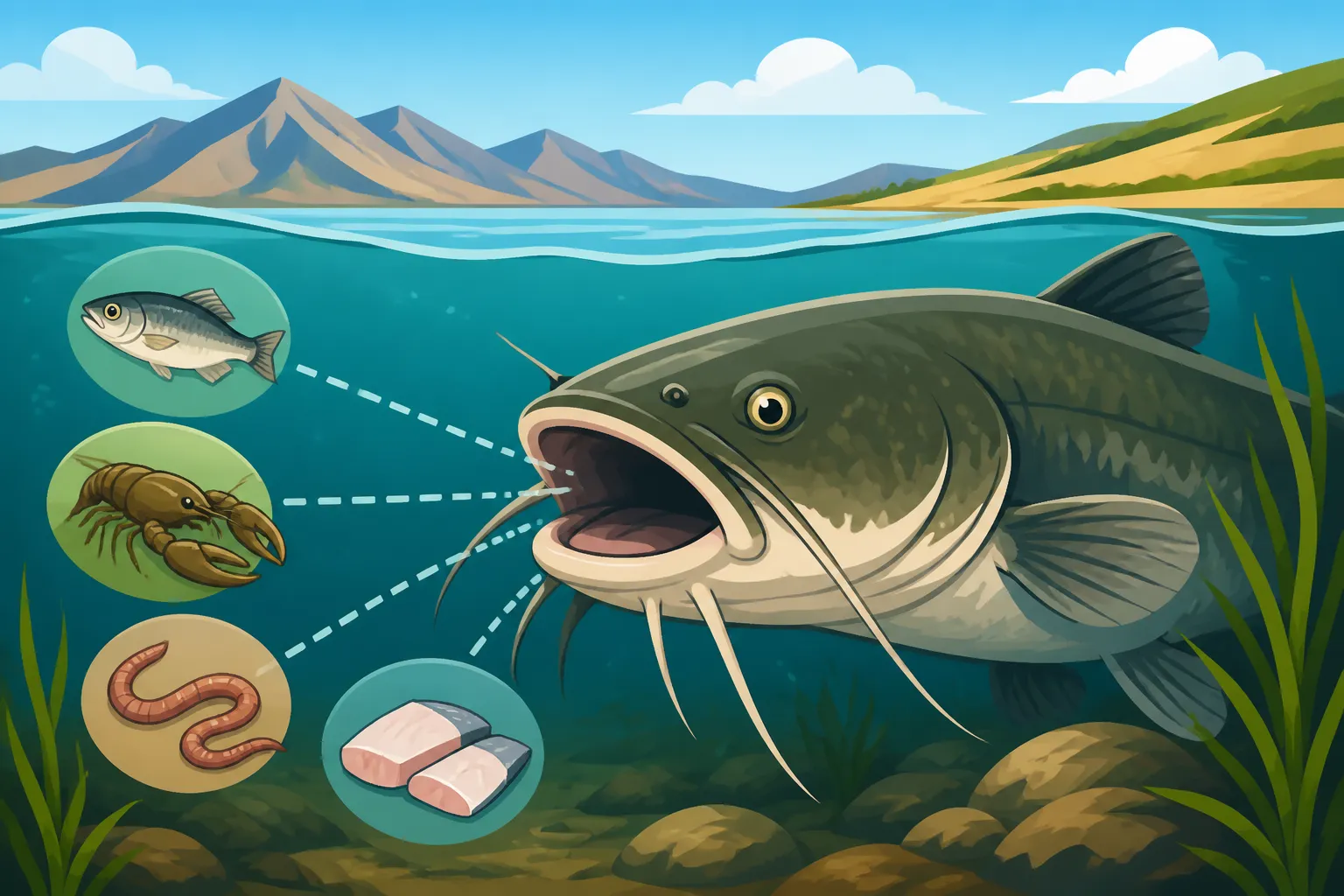
Utah Lake is a bustling ecosystem, providing a rich and varied diet for its catfish population. Their primary natural food sources are abundant, which contributes to the healthy size many anglers find. One of the mainstays of a channel catfish's diet in Utah Lake is other fish. Smaller, prolific species like common carp fry and juveniles are a constant food source, as are various baitfish. Catfish are excellent predators, especially during low-light conditions, and they'll readily consume any fish they can overpower. This predatory nature means that presenting baits that mimic or are derived from these fish can be incredibly effective.
Beyond fish, crayfish are another significant component of the Utah Lake catfish diet. These freshwater crustaceans are ubiquitous in the lake's rocky and vegetated areas, providing a protein-rich meal. Catfish use their sensitive barbels, often referred to as "whiskers," to detect crayfish scuttling along the bottom or hiding in crevices. Understanding this preference can steer your bait choices toward something that mimics the scent and texture of crayfish, or even using live crayfish where legal. Additionally, a multitude of aquatic insects and their larvae, such as those of midges, mayflies, and dragonflies, are consumed, particularly by younger catfish, but larger ones won't pass up an easy meal. These tiny organisms form the base of the food web, and catfish are masters at sifting through the bottom sediment to find them. The lake also supports a large population of benthic invertebrates that catfish routinely forage on.
Seasonal Dietary Shifts and Water Conditions
Just like us, catfish aren't eating the same thing every single day, and their diet can shift dramatically with the seasons and changing water conditions in Utah Lake. In the warmer months, typically from late spring through early fall, catfish are highly active. Their metabolism is revved up, and they're constantly on the hunt for food. This is when they're most likely to chase down smaller fish, gorge on abundant crayfish, and actively seek out strong-smelling baits. The increased water temperature means faster digestion, prompting them to feed more frequently and aggressively. How to Catch Catfish at Utah Lake in Summer dives into this in more detail.
As the water cools in late fall and winter, catfish feeding activity slows down. Their metabolism drops, and they become less inclined to expend energy chasing fast-moving prey. During these cooler periods, they might gravitate towards easier meals, such as dead or dying fish, or simply less active benthic invertebrates. The often murky conditions of Utah Lake can also play a role; catfish rely heavily on their sense of smell and touch to find food in low visibility. When the water is particularly turbid after a storm or strong winds, strong-smelling, stationary baits become even more effective, as visual cues are diminished. Conversely, in clearer water periods, visual attractants combined with scent can be a powerful combination.
Effective Baits for Utah Lake Catfish
Knowing what catfish eat naturally is the first step; the next is translating that into effective bait choices for your fishing trips to Utah Lake. Anglers have a wide array of options, from tried-and-true classics to more specialized offerings. The key, often, is the combination of scent, texture, and how the bait is presented.
The Power of Scent and Freshness
When it comes to catfish, scent is king. Their entire sensory system is geared towards detecting chemical cues in the water, allowing them to locate food even in the darkest, murkiest conditions. This is why baits with a strong, often pungent, odor are so effective for Utah Lake catfish. Cut bait is arguably one of the most productive options, and using fish found in Utah Lake itself can be a game-changer. Small carp or chubs, cut into chunks or strips, release natural oils and blood that catfish can detect from a significant distance. The fresher the cut bait, the more potent and appealing it tends to be. Many anglers swear by using the pectoral fin of a carp, as it stays on the hook well and has a good scent profile.
Prepared "stink baits" are another category that capitalizes on a catfish's incredible sense of smell. These can range from commercially produced dough balls and paste baits to homemade concoctions featuring ingredients like cheese, garlic, and even fermented grains. Brands often formulate these baits with potent attractants specifically designed for channel catfish. You can find a wide variety of these specialized baits, along with ingredients for homemade versions, at local tackle shops or even through online retailers like Amazon. Experimenting with different scents can sometimes make a huge difference, especially on days when the fish are being finicky. Chicken livers are another classic, known for their strong scent and soft texture, though they can be challenging to keep on the hook.
Live vs. Dead Baits and Their Effectiveness
The debate between live and dead baits often comes down to the activity level of the fish and the specific conditions you're fishing. Both have their merits for Utah Lake catfish. Live baits, such as nightcrawlers, red worms, or even small minnows (where legal – always check Utah Bait Fish Rules for Live Bait), offer natural movement and scent that can trigger a strike from an actively feeding catfish. A wiggling worm or a struggling minnow can be irresistible to a catfish on the prowl. Live worms are especially effective for a broad range of fish in Utah Lake, and catfish are no exception, often inhaling them greedily.
However, dead or cut baits frequently outperform live baits for larger channel catfish, particularly in Utah Lake's environment. As mentioned, cut chunks of carp or chub provide a potent scent trail without the fish having to exert energy to chase prey. This makes them ideal for scavenging catfish that are relying primarily on their sense of smell. The scent plume from cut bait disperses widely, attracting catfish from a larger area. Furthermore, dead baits are often easier to rig for bottom fishing and stay on the hook better against the current or when fished on the often-mucky bottom of Utah Lake. Anglers targeting trophy-sized catfish at Utah Lake often swear by large, fresh pieces of cut bait, recognizing that the biggest fish are often looking for the easiest, most rewarding meal. What Bait Works Best for Utah Lake Catfish? provides more detailed insights into specific bait choices.
Mastering Catfish Fishing Techniques at Utah Lake
Beyond knowing what they eat, understanding how to present your bait and where to find the catfish in Utah Lake is crucial for consistent success. Channel catfish are masters of their environment, and tailoring your approach to their behavior will pay dividends.
Prime Times and Locations to Fish
Catfish at Utah Lake are generally most active during periods of low light, which means dawn, dusk, and throughout the night are often the most productive times to fish. While you can certainly catch them during the day, especially on overcast days or in deeper, shadier spots, their natural inclination to feed under the cover of darkness is strong. Their superior sense of smell and touch gives them an advantage over prey in low visibility, making them confident nocturnal hunters. Many experienced anglers specifically target night fishing for the biggest catfish the lake has to offer.
When it comes to locations, catfish are structure-oriented fish, but "structure" in Utah Lake might look a bit different than in other reservoirs. Given the lake's generally shallow and silty nature, prime spots often include areas with subtle depth changes, submerged vegetation, rock piles, or areas around inflows and outflows where currents might concentrate food. The mouths of rivers and creeks that feed into Utah Lake, like the Provo River inlet, can be hotspots, as these areas often bring in fresh food and oxygen. Deeper channels, even if only a few feet deeper than the surrounding flats, can act as travel corridors or holding areas for catfish. Don't be afraid to cast into areas with a soft, muddy bottom; catfish are designed to forage in such environments. Utah Lake Fishing Spots can offer some guidance on specific areas.
Rigging Strategies for Success
Effective rigging is essential for presenting your bait correctly to catfish at Utah Lake. The most common and productive setup is a slip-sinker rig, also known as a Carolina rig. This rig allows the catfish to pick up the bait and move away without feeling the resistance of the sinker, giving them time to fully commit to the bite before you set the hook. To construct it, you'll slide an egg sinker or a no-roll sinker onto your main line, followed by a bead (to protect your knot), and then tie on a swivel. To the other side of the swivel, attach a leader, typically 12-24 inches long, and then your hook. The leader length can be adjusted based on how far off the bottom you want your bait to settle.
For hooks, heavy-duty circle hooks are highly recommended, especially if you plan on releasing fish. Circle hooks are designed to hook fish in the corner of the mouth, minimizing gut-hooking and making for easier release. Sizes typically range from 2/0 to 8/0, depending on the size of your bait and the target catfish. For smaller pieces of cut bait or worms, a 2/0 or 3/0 might suffice, while larger chunks of carp might require a 6/0 or 8/0. Using a good, strong monofilament or fluorocarbon leader is important, as catfish have abrasive mouths. When fishing heavier currents or winds, choosing the Best Sinker Weight for Bottom Fishing at Utah Lake is crucial to keep your bait in the strike zone. For those looking to get started, complete catfish rigging kits and a wide selection of robust hooks can be found on Amazon.
Environmental Influences on Catfish Feeding at Utah Lake
Beyond the immediate availability of food, larger environmental factors significantly influence when and where Utah Lake catfish choose to feed. Understanding these broader ecological dynamics can give you a significant advantage in predicting their behavior.
Water Temperature and Oxygen Levels
Water temperature is perhaps the single most important environmental factor influencing catfish activity. As cold-blooded creatures, their metabolism is directly tied to the temperature of the surrounding water. In Utah Lake, warmer water (generally above 60-65°F) stimulates their metabolism, making them more active and increasing their need for food. This is why summer fishing can be so productive. Conversely, as water temperatures drop below 50°F, their metabolism slows significantly, and they become much less active, often seeking deeper, more stable thermal zones, and feeding less frequently.
Oxygen levels also play a critical, though often overlooked, role. Catfish require dissolved oxygen, and while Utah Lake is generally well-oxygenated, certain conditions can create localized areas of lower oxygen. Stagnant coves, particularly during hot summers, can sometimes see reduced oxygen, causing fish to move to areas with better circulation. Inflows from rivers and streams often bring in cooler, more oxygenated water, making these areas attractive to catfish during periods of high heat. Observing general weather patterns and knowing how they might affect water temperature and oxygen can help you select more productive fishing locations.
Impact of Invasive Species and Competition
Utah Lake is home to a diverse fish population, including several non-native or invasive species, which can both compete with and become food for catfish. Common carp, for instance, are incredibly abundant in Utah Lake. While catfish will prey on smaller carp, the sheer numbers of adult carp mean significant competition for benthic invertebrates, which are a shared food source. This competition can influence where catfish choose to feed and the overall health of the catfish population.
Another notable invasive species is the northern pike. Why Does Utah Lake Require You to Kill Every Northern Pike? explains that these aggressive predators were illegally introduced and pose a serious threat to native and sportfish populations, including potential predation on smaller catfish or competition for food resources. The efforts to control northern pike aim to restore balance to the lake's ecosystem, which could indirectly benefit catfish populations by reducing competition or predation pressure. Understanding the dynamics of these species interactions can provide context for catfish behavior and feeding patterns, helping you interpret why fishing might be better or worse in certain areas or at certain times. The Utah Lake Walleye Population also represents another significant predatory species that, while not directly competing for the same food as catfish in every instance, is part of the overall predatory balance in the lake.
Popular Catfish Baits for Utah Lake: A Comparison
To summarize some of the most effective options for tempting catfish at Utah Lake, here's a quick comparison of popular baits. Remember, experimentation is key!
| Bait Type | Pros | Cons | Best Conditions |
|---|---|---|---|
| Cut Bait | Strong natural scent, mimics natural food source, stays on hook | Can be messy, acquiring fresh bait takes effort | All year, especially warm water, murky conditions, targeting larger fish |
| Prepared Stink Baits | Extremely strong scent, easy to use, many varieties | Can be messy, sometimes falls off hook easily, less natural | All year, particularly effective in murky water, slower bites |
| Chicken Livers | Very strong scent, inexpensive | Extremely soft, often difficult to keep on hook, very messy | Warm water, active feeding periods, shorter casts |
| Nightcrawlers/Worms | Natural presentation, universally appealing, easy to find | Can be picked off by smaller fish, less targeted for large catfish | All year, good for active fish, multi-species appeal |
| Crayfish (Live/Dead) | Natural food source, good scent and texture, durable on hook | Can be hard to acquire, some regulations on live bait, expensive | Warm water, rocky bottom areas, targeting larger catfish |
Disclaimer
This article is for general informational purposes only and does not constitute professional advice. Laws, prices and regulations vary by location and change over time. Consult a qualified professional for guidance on your specific situation.