Are There Golden Trout in Utah?
There's a certain magic to the idea of pulling a shimmering, golden fish from a crystal-clear mountain stream, especially here in Utah with our incredible landscapes. Many anglers dream of encountering the fabled golden trout, wondering if these radiant beauties grace our local waters. It’s a common question, often fueled by tales and stunning photos, and this guide is here to shed light on whether you can truly find golden trout in Utah and what you might encounter instead.
The Allure of Golden Trout: A Rarity Among Trout Species
For many, the golden trout is more than just a fish; it's a symbol of pristine wilderness, high-altitude adventure, and unparalleled beauty. Its vibrant hues and elusive nature make it a highly coveted catch, inspiring expeditions into some of the most remote corners of the angling world.
What Makes Golden Trout So Special?
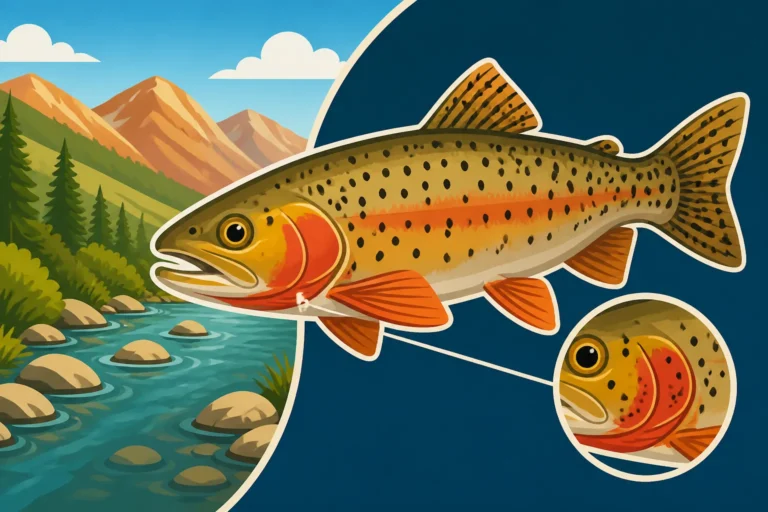
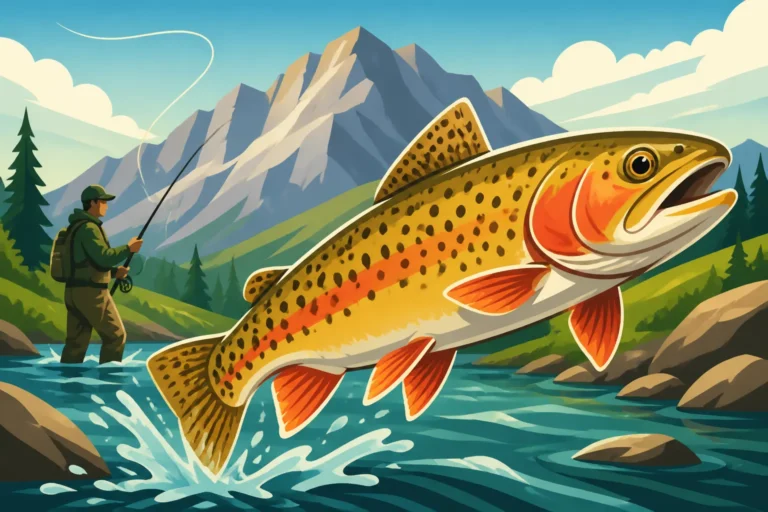
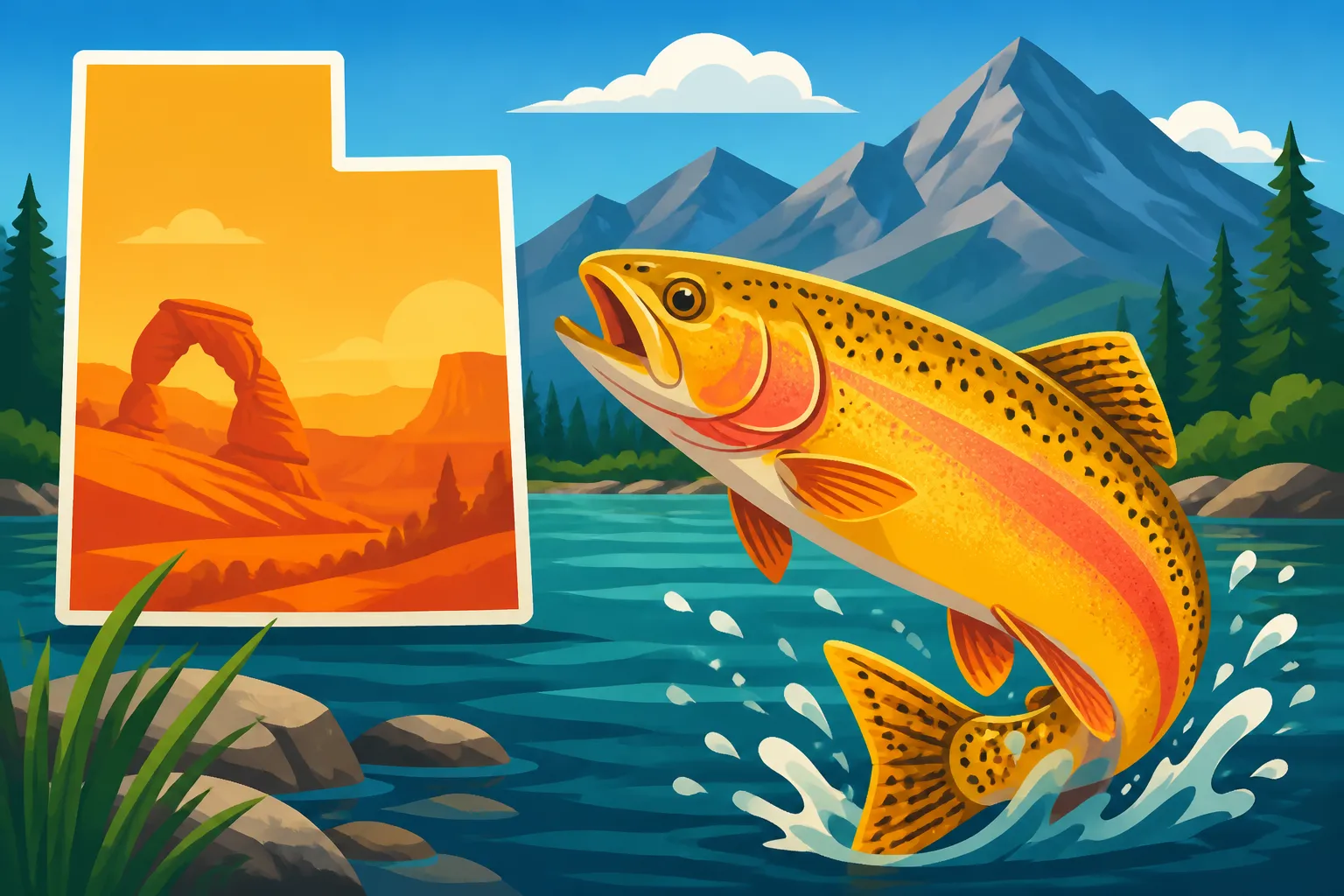
The California Golden Trout (Oncorhynchus mykiss aguabonita) is truly a sight to behold. Imagine a fish with flanks that shimmer like polished gold, fading into olive-green on its back, adorned with ruby-red lateral bands and parr marks (dark, oval markings found on juvenile salmonids) that persist into adulthood. Their belly is often a brilliant orange-red, and their fins are tipped with striking white and black. They are, in a word, spectacular. These fish are native to the high-elevation streams and lakes of the Sierra Nevada mountains in California, specifically the Kern River drainage, and thrive in incredibly cold, oxygen-rich waters. Their striking coloration is a natural adaptation to their native volcanic and granite environments, helping them blend in, but to us, it makes them stand out like jewels. The pursuit of these fish often means arduous hikes into remote, breathtaking locations, adding to their mystique and the sense of accomplishment for any angler lucky enough to catch one.
The Dream of Catching a Utah Golden
It's completely understandable why the thought of catching a golden trout in Utah is so appealing. Our state boasts some of the most stunning mountain ranges and high-alpine lakes, particularly in the Uintas and parts of Southern Utah. These environments feel like the perfect habitat for such an exquisite creature. Anglers often come across photographs or hear whispers of "golden trout" being caught, sparking that hope and prompting questions about where they might find them. The idea of combining Utah's epic scenery with the chance to land a fish of such legendary beauty is a powerful motivator. We all love a good treasure hunt, and a golden trout certainly feels like a living treasure. This dream drives many to explore our countless streams and lakes, always with an eye out for that tell-tale shimmer.
The Reality: Golden Trout in Utah Waters
So, let's get down to brass tacks: are these shimmering golden beauties swimming in Utah's streams and lakes? The answer, while perhaps a bit disappointing to some, is nuanced but generally points away from finding true golden trout here.
Are True Golden Trout Native to Utah?
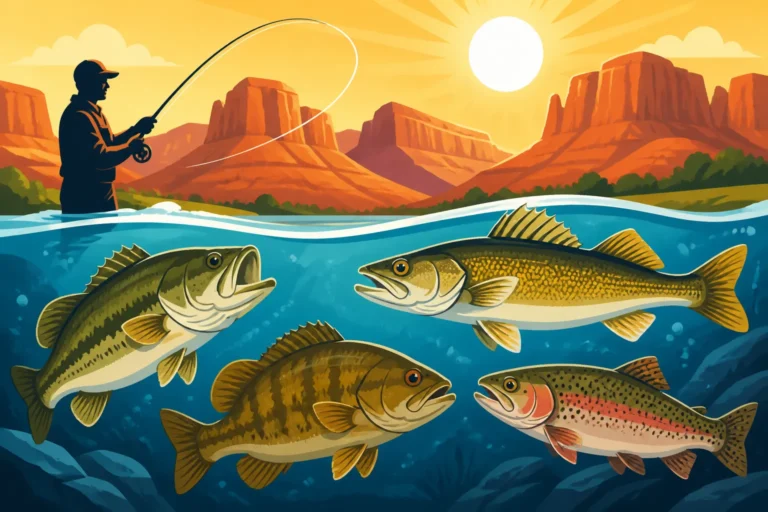
To put it simply, no, the true California Golden Trout is not native to Utah. Their native range is quite specific to California, as mentioned earlier. Over the years, fish species have been widely stocked across the country to enhance sport fishing opportunities. While Utah's wildlife agencies have done an incredible job stocking a wide variety of trout species—including Utah Trout Species Guide like rainbow, brown, cutthroat, and even some unique hybrids like tiger trout and splake—the true golden trout has not been a species that has been introduced or established in Utah's public waters. This isn't for lack of trying in some historical contexts by eager anglers, but official, sustained stocking programs for California Golden Trout in Utah simply don't exist. There might be rare, isolated instances where an individual angler illegally stocked a few, but these would not constitute an established population and are certainly not sanctioned. It’s important to respect the state’s efforts to manage its diverse aquatic ecosystems, which includes careful consideration of what species are introduced and where.
What About "Golden-Hued" Trout You Might Encounter?
Now, this is where the confusion often comes in. While you won't find pure California Golden Trout, you absolutely can find trout in Utah that display stunning golden or yellowish hues, leading many to mistakenly believe they've found a "golden." This phenomenon is often seen in various strains of Rainbow Trout (Oncorhynchus mykiss) or even Cutthroat Trout (Oncorhynchus clarkii), which are both abundant in Utah.
Several factors contribute to these beautiful, misleading colors:
- Diet: The type of food available in a particular lake or stream can significantly impact a fish's coloration. Diets rich in carotenoids (pigments found in crustaceans, insects, and certain algae) can cause the flesh and exterior of trout to take on more vibrant yellow, orange, and red tones. Think of it like flamingos getting their pink color from their diet.
- Water Chemistry and Substrate: The mineral content of the water and the color of the lake or stream bottom can also influence a fish's appearance. Trout often adapt to blend into their surroundings, so a lake with golden-hued gravel or rich, tannin-stained water might produce fish with a more golden overtone.
- Genetics: While not true golden trout, some strains of rainbow trout, through selective breeding or natural variation, can exhibit more intense yellow and orange pigmentation. These might be specifically stocked for their aesthetic appeal.
- Health and Condition: A very healthy, well-fed trout in prime condition will often display more vibrant and intense colors than a stressed or malnourished one.
So, when you see a photo of a "golden trout" from Utah, it's highly likely a beautifully colored rainbow or cutthroat. They are gorgeous fish in their own right and a testament to the health and richness of Utah's waters. It’s always an exciting moment to catch one of these radiant beauties, even if they aren't the fabled golden trout.
Identifying Fish That Look Like Golden Trout
Given the prevalence of golden-hued rainbow and cutthroat trout in Utah, it's super helpful to know how to tell them apart from a true golden trout, should you ever find yourself wondering. While the chance of encountering a true golden trout in Utah is slim, understanding the differences will make you a more informed angler and help you correctly identify your catch.
Distinguishing Golden Trout from Rainbows and Cutthroats
When you've got a fish in hand and you're trying to figure out if it's a "golden," here's a quick comparison of the key features to look for. Remember, some of these can be subtle, and fish coloration can vary widely even within the same species.
| Feature | True Golden Trout (California) | Rainbow Trout (Common in Utah) | Cutthroat Trout (Native to Utah, many subspecies) |
|---|---|---|---|
| Overall Color | Bright gold/yellow on sides, olive back, brilliant red belly. | Silvery sides (often golden-hued in Utah), olive-green back. | Silver to brassy green, often yellowish belly. |
| Lateral Band | Prominent, vivid ruby-red lateral band. | Distinct pinkish-red lateral band (hence "rainbow"). | Often a faint or indistinct lateral band. |
| Parr Marks | Oval, dark parr marks persist into adulthood, usually 10-12 marks. | Parr marks usually fade as fish mature, though faint in some. | Parr marks may or may not persist, depending on subspecies/age. |
| Spotting | Sparse, small black spots, mostly on back and caudal (tail) fin. | Numerous small black spots covering body, dorsal, and tail fins. | Irregularly shaped spots, often concentrated towards the tail. |
| Red Slash | No red or orange slash under the jaw. | No red or orange slash under the jaw. | Always has a distinct red/orange slash under the lower jaw. |
| Adipose Fin | Often tipped with orange or red. | Typically plain, matching body color. | Typically plain, matching body color. |
| Scales | Very fine, small scales, almost feeling smooth. | Larger scales than golden trout, giving a slightly rougher feel. | Scales vary, generally similar to rainbow. |
The most definitive identifier for a true golden trout, if you were in its native range, would be that brilliant golden body combined with the persisting parr marks and the absence of a red slash. In Utah, the easiest way to rule out a true Golden is to look for the red slash for Cutthroat, and the general spotting and larger scales for Rainbows. For a much more detailed breakdown of all the trout species you might encounter, check out our guide on How to Identify Utah Trout Species.
Misidentification Scenarios and Common Look-Alikes
It's really easy to get excited and think you've caught something rare, especially when a fish is particularly vibrant. Here are a few common scenarios where misidentification can happen in Utah:
- Vibrant Rainbows: Imagine catching a rainbow trout in a small, clear mountain lake, perhaps one with a diet rich in scuds or other invertebrates. This fish might have incredibly vivid pink and orange hues, making its sides look undeniably golden. Without a careful look at the spotting and parr marks, it could easily be mistaken for a golden.
- Cutthroat with Strong Coloring: A Bonneville Cutthroat Trout, especially a healthy one, can have a beautiful, almost brassy or golden sheen, particularly around its gill plates and belly. If you're not specifically looking for that tell-tale red slash under the jaw, you might overlook it in your excitement and think you have a golden. For more on these beautiful native fish, see Bonneville Cutthroat Trout Identification.
- Tiger Trout: While Tiger Trout Explained have a very distinct marbled pattern, their overall body color can sometimes have a yellowish or olive-golden base. It’s less likely to be confused directly with a golden trout because of the prominent dark vermiculation, but in poor light or with an unfamiliar angler, it could cause a moment of "what is this!?"
- Environmental Factors: Sometimes, fish kept in a live well or on a stringer for a while can lose some of their vibrant color, or alternatively, the light might hit them just right, creating an illusion of intense gold that wasn't quite as pronounced when it was in the water.
The bottom line is, while the desire to catch a golden trout is strong, it's usually a beautifully colored rainbow or cutthroat trout that's causing the excitement in Utah. Knowing these distinctions not only helps with proper identification but also ensures you're following local regulations accurately.
The Closest You'll Get: Exploring Utah's Unique Trout
Just because true golden trout aren't found in Utah doesn't mean our state is lacking in spectacular trout fishing opportunities, especially in high-elevation environments that mimic the golden trout's native habitat. In many ways, Utah offers an experience that is equally, if not more, rewarding for the adventurous angler.
Utah's Own High-Altitude Gems
If you're drawn to the idea of fishing for beautiful trout in remote, pristine, high-altitude settings, then Utah has you absolutely covered. Our Uinta Mountains are a prime example, boasting hundreds of stunning lakes and streams nestled above 9,000 feet. Many of these require a significant hike to reach, offering that same sense of wilderness adventure and solitude that one might associate with golden trout fishing.
Here, you'll find healthy populations of:
- Brook Trout: Often found in vibrant, jewel-like colors, especially during their spawning season. They might not be golden, but their orange bellies, worm-like markings, and white-tipped fins are incredibly striking.
- Cutthroat Trout: Especially the native Bonneville Cutthroat Trout, which can be found in some Uinta waters, offering a piece of Utah's natural heritage. These fish are known for their beautiful, often yellowish or brassy hues and the distinct red slash under their jaw.
- Rainbow Trout: Stocked frequently and thriving in many high-mountain lakes, these fish can develop intense coloration due to their pristine environment and diet, sometimes exhibiting those "golden-hued" characteristics we discussed.
The effort required to reach these Uinta Mountains High Lakes Fishing spots makes the reward even sweeter. Packing lightweight, durable gear from trusted brands like those found on Amazon is key for these treks, ensuring you have everything you need without being weighed down. For ideas on where to start your high-country angling adventures, explore our guide to the Best High-Altitude Lakes for Fishing in the Uinta Mountains. The tranquility, the breathtaking scenery, and the challenge of fishing these remote waters are an experience unto themselves, even without golden trout.
Species That Offer a Golden Experience (Without Being Golden)
Beyond the Uintas, many other Utah waters yield beautifully colored fish that provide a "golden" experience. It’s about appreciating the unique beauty of the fish we do have and understanding how their environment influences their appearance.
- Vibrant Rainbows in Clear Reservoirs: Head to a reservoir like Strawberry or Deer Creek, and you might catch rainbow trout that, due to abundant food sources and clear, cold water, develop incredibly bright, almost neon-like pink and orange lateral bands, often with a golden sheen on their flanks. These aren't just your average hatchery trout; they're well-fed, wild-acting fish that are a joy to catch. You can find detailed information on these fish in Rainbow Trout in Utah Reservoirs.
- Bonneville Cutthroat Trout: As Utah's state fish and a true native, the Bonneville Cutthroat can be incredibly handsome, with olive backs, yellowish sides, and sometimes a strong, warm tint that approaches a golden color, especially in certain river systems. They are a testament to Utah's conservation efforts and offer a deep connection to the state's natural history. Learning more about Bonneville Cutthroat Trout Identification will help you appreciate this unique species.
The "golden experience" in Utah isn't just about a specific color; it's about the adventure, the clean air, the stunning views, and the opportunity to connect with nature while pursuing beautiful, healthy fish. It's truly a rich and diverse fishing landscape.
Resources for Identifying Utah Fish Species
To ensure you're always accurately identifying your catch and appreciating the incredible diversity of fish in Utah, there are some fantastic resources available:
- Utah Division of Wildlife Resources (UDWR) Website: This is your absolute go-to for official information. The UDWR provides detailed species identification guides, stocking reports, and regulations. They often have clear photos and descriptions that can help distinguish between similar-looking trout.
- Field Guides: Investing in a good waterproof field guide to North American freshwater fish can be invaluable. These compact guides often feature illustrations or photographs that highlight key identification features. Many excellent options are available and can be easily purchased on
Amazon. Keeping one in your tackle box or backpack is a smart move, especially when exploring new waters. - Online Forums and Communities: Utah has a vibrant angling community. Online forums and social media groups dedicated to Utah fishing can be great places to share photos of your catches and get opinions from experienced local anglers. Just be sure to cross-reference any information with official UDWR resources.
- Local Tackle Shops: The staff at your local tackle shop are often seasoned anglers themselves and a wealth of knowledge. Don't hesitate to bring in a photo of a fish you're curious about; they can often provide expert identification and tips for the specific waters you're fishing.
Using these resources will not only enhance your knowledge but also ensure you're compliant with all fishing regulations. It’s all part of becoming a more responsible and knowledgeable angler. What gear does a first-time Utah angler need, you ask? A good fish identification guide is definitely one of them! What Gear Does a First-Time Utah Angler Need?
Preserving Utah's Aquatic Ecosystems
Understanding what fish species inhabit Utah's waters goes far beyond just satisfying curiosity or identifying a trophy catch. It’s a crucial aspect of responsible angling and plays a direct role in protecting the delicate balance of our aquatic ecosystems for generations to come.
The Importance of Knowing Your Fish
Accurate fish identification is not just a point of pride; it's a fundamental responsibility for every angler. Why? Because Utah has very specific regulations tailored to different species, different water bodies, and even different sizes of fish.
- Bag and Possession Limits: Many waters have specific daily limits for certain species. For example, the limit for rainbow trout might be different than for cutthroat trout, or there might be special slot limits for specific reservoirs. If you can't tell the difference between a rainbow and a cutthroat, you could inadvertently exceed a limit, leading to Utah Fishing License Penalties for Violations.
- Protected Species: Utah is home to several native species, some of which are protected or have very strict harvest rules. The June Sucker in Utah Lake, for instance, is an endangered species that anglers must immediately release if caught. Mistaking it for another suckering species could have severe consequences for both the fish and the angler.
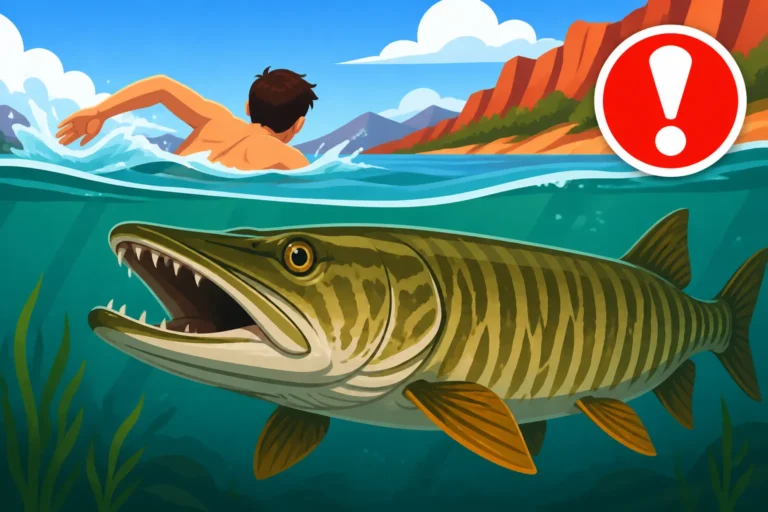
- Mandatory Harvest Species: On the flip side, some invasive species, like Northern Pike in Utah Lake, have mandatory kill regulations. Anglers are required to harvest these fish and not release them alive. Knowing which fish falls into this category is vital for ecological preservation.
- Special Regulations: Certain waters might have catch-and-release only rules for specific species, or restrictions on bait use. All these rules hinge on your ability to correctly identify the fish you're targeting or encounter.
Before heading out, always review the Utah Fishing Regulations Explained provided by the UDWR. They are updated annually and are your official guide to what's allowed and what's not. Ignorance of the law is never an excuse, and knowing your fish is your best defense against unintended violations.
Protecting Against Invasive Species
The absence of true golden trout in Utah isn't just a historical happenstance; it's often a deliberate choice by wildlife management to protect local ecosystems. The introduction of non-native species, even those as beautiful as a golden trout, can have devastating effects if not carefully managed.
- Competition and Predation: Non-native species can outcompete native fish for food and habitat, or even prey on them, leading to declines in native populations. This is a major concern with species like Northern Pike, which are aggressive predators that can decimate trout and other native fish populations.
- Disease Introduction: Moving fish between water bodies can also introduce diseases or parasites that native fish have no natural resistance to.
- Habitat Alteration: Some invasive fish can physically alter habitats, such as carp rooting up aquatic vegetation, which in turn impacts water quality and other species.
This is why regulations around Invasive Fish Species in Utah are so strict, and why programs like Aquatic Invasive Species (AIS) inspections for boats are so critical. Things like quagga and zebra mussels, while not fish, highlight how easily an unwelcome species can spread and cause massive ecological and economic damage. Even if you're not intentionally moving fish, the principles of keeping equipment clean and dry, like boats and fishing gear, are essential to prevent the spread of any non-native organisms. When buying boat cleaning supplies or fishing waders, always consider options that facilitate easy cleaning and drying, many of which are readily available on Amazon, to help you comply with these important protective measures.
Ultimately, by understanding the species in our waters and adhering to regulations, we all play a part in preserving Utah’s incredible natural fishing heritage. It’s a shared responsibility that ensures these beautiful resources remain vibrant for future generations of anglers.
Disclaimer
This article is for general informational purposes only and does not constitute professional advice. Laws, prices and regulations vary by location and change over time. Consult a qualified professional for guidance on your specific situation.