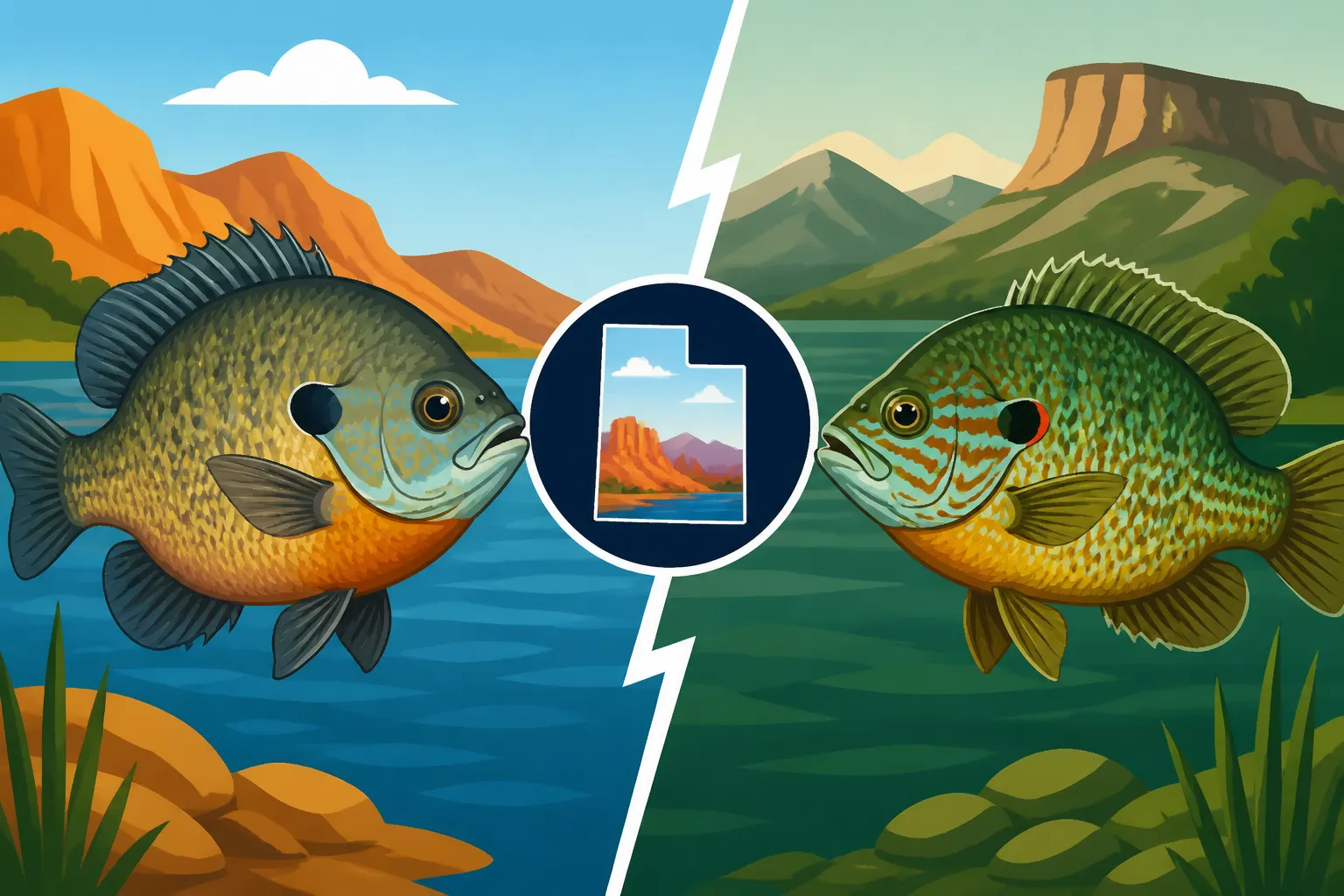
Bluegill vs Green Sunfish Differences
It's incredibly frustrating when you're out on the water, reeling in what you think is a beautiful bluegill, only to have a seasoned angler tell you it's actually a green sunfish, or vice-versa! You stare at them, trying to figure out what they saw that you missed. These two common panfish species, found in so many of Utah's waters, can look remarkably similar at first glance, leading to a lot of head-scratching moments. This guide is here to clear up that confusion, diving deep into the subtle yet distinct differences between bluegill and green sunfish so you can confidently identify your next catch and perhaps even tweak your fishing strategy for better success.
The Frustration of Misidentification: Why It Matters
Let's be honest, we've all been there. You're holding up a fish, proud of your catch, and someone asks, "Is that a bluegill or a green sunfish?" Your eyes dart between the fish in your hand and the person, trying to look knowledgeable while your brain frantically searches for clues. It feels like a pop quiz you didn't study for! While for many recreational anglers, correctly identifying a panfish might seem like a minor detail, it’s actually a stepping stone to becoming a more observant and ultimately more successful angler. It’s also about truly understanding the aquatic ecosystems we love to visit.
Common Mix-Ups and Angler Anecdotes
The truth is, even experienced anglers can get these two mixed up, especially in certain water conditions or when dealing with smaller, juvenile specimens. Imagine you're fishing a murky community pond near Salt Lake City. The water might be a bit stained, the light isn't great, and you pull out a fish that has some blue, some green, and a dark spot. Is it a bluegill with a hint of green, or a green sunfish with some blue? The lines blur easily. You might swear you’ve caught a limit of bluegill, only to realize later, after a closer look or a friendly correction, that a good portion of your catch was actually green sunfish.
These mix-ups often stem from their similar overall body shape, especially when young, and the fact that both can exhibit varying colorations depending on their specific environment, diet, and even their mood. A stressed fish or one caught in dark, tannic water might look very different from a vibrant specimen pulled from clear, sunlit shallows. This is a common frustration, especially when you're trying to teach a new angler or a child the ropes. You want to give them accurate information, and it can be tough when the fish themselves seem to be playing tricks on you! This is why a keen eye and knowledge of specific identifying markers are so crucial.
Beyond the Basics: Understanding Panfish Behavior
Knowing the difference between a bluegill and a green sunfish isn't just about winning bragging rights or passing an impromptu fish ID test. It's about deepening your understanding of the local fish populations and how different species interact with their environment. While both are considered panfish, often found in similar habitats, their subtle biological and behavioral differences mean they might respond differently to your bait, your retrieve, or even the time of day you're fishing.
For example, if you consistently find yourself catching aggressive, larger-mouthed sunfish that hit your bait hard, but you're targeting what you think are shy bluegill, you might be missing out on opportunities to refine your technique. A bluegill's diet and preferred structure are slightly different from a green sunfish's. By correctly identifying your catch, you start to build a mental database of where each species prefers to hang out, what they're likely to eat, and how they tend to bite. This kind of nuanced understanding makes you a more effective and adaptable angler, whether you're fishing for dinner or just enjoying a peaceful day on the water. It also helps you understand the bigger picture of aquatic life, appreciating the distinct ecological roles these seemingly similar fish play. For those looking to enjoy a family weekend trip in Utah, understanding these differences can make the fishing experience even more rewarding.
Spotting the Differences: Key Identification Marks
When you're trying to tell a bluegill from a green sunfish, it's all about observing a few key features. Think of it like being a detective, looking for clues that each fish species leaves behind on its body. These aren't just random marks; they're evolutionary adaptations that define each species. The more you train your eye, the easier it becomes, and soon you'll be able to tell them apart with just a quick glance.
Body Shape and Fin Characteristics
One of the most immediate giveaways, once you know what to look for, is the overall body shape and the characteristics of their fins.
-
Bluegill ( Lepomis macrochirus):
- Body Shape: Generally, bluegill are more round or disc-shaped, almost like a flattened plate. They're typically deeper-bodied and more compressed from side to side than a green sunfish. If you lay one flat, it will feel thinner from side to side.
- Mouth: They have a relatively small mouth that doesn't extend past the front of the eye. It's often described as upturned, perfect for their diet of small insects.
- Pectoral Fin: Look at the pectoral fin (the one just behind the gill cover, on the side). A bluegill's pectoral fin is typically long and pointed, sometimes extending past the eye when pressed forward. This long fin often gives them a more graceful appearance in the water.
- Ear Flap (Opercular Flap): This is perhaps the most defining characteristic. The bluegill's gill cover flap, often called the "ear flap," is entirely dark, soft, and flexible. There's usually a distinct black spot at the very back edge, without any noticeable colored margin around it. This spot is a solid, clean black.
-
Green Sunfish ( Lepomis cyanellus):
- Body Shape: In contrast to the bluegill, green sunfish are generally more elongated and torpedo-shaped. While still a panfish, they have a thicker, more robust body, appearing less flattened from side to side.
- Mouth: They possess a noticeably larger mouth that extends at least to the middle of the eye, often even past the back of the eye. This larger mouth is a clear indicator of their more opportunistic and aggressive feeding habits.
- Pectoral Fin: Their pectoral fin is typically shorter and more rounded than a bluegill's. It usually doesn't extend past the front of the eye.
- Ear Flap (Opercular Flap): The ear flap on a green sunfish is also dark, but it almost always has a distinctive orange or yellowish margin around the black spot. This bright edge is a dead giveaway, like a small frame around the dark "ear." The flap itself is also usually stiffer and less flexible than a bluegill's. You might even notice some wavy, iridescent blue-green lines radiating from the eye across the cheek and gill cover, which are often much more pronounced than on a bluegill.
Coloration and Markings
While color can be variable, there are some general trends and specific markings that can help you differentiate them. Remember, fish coloration can change dramatically based on water clarity, diet, depth, and even the fish's stress level or spawning activity. So, always look for a combination of characteristics, not just one.
-
Bluegill:
- Overall Color: Their backs are usually dark olive-green, fading to lighter olive or yellowish sides. They often have a distinct bluish or purplish sheen on their gill plates (hence "bluegill").
- Body Markings: Many bluegill display several faint, vertical bars along their sides, especially when stressed or in spawning colors, but these can also be completely absent. The belly color can range from yellow to bright orange, particularly in males during the spawning season.
- Dorsal Fin Spot: They typically have a dark spot on the posterior part of the soft dorsal fin (the back fin on top). This spot is another good, consistent marker.
-
Green Sunfish:
- Overall Color: Their backs are generally a darker olive-green to almost brown, transitioning to lighter green or yellowish-green on the sides. They rarely show the strong blue sheen of a bluegill on their gill plates.
- Body Markings: Instead of vertical bars, green sunfish often have irregular, iridescent blue-green spots or streaks scattered along their sides. These spots can sometimes look like small scales reflecting light. Their belly is usually white or yellowish-white, not typically the bright orange of a spawning bluegill.
- Fin Edges: You'll often see distinct yellowish or orange margins on their caudal (tail), anal (bottom rear), and sometimes dorsal fins. This bright edging is a good indicator.
Mouth Size and Diet
Beyond their physical appearance, understanding their mouth size is key to comprehending their dietary preferences, which in turn influences where you might find them and what baits they prefer. Think about how a smaller mouth restricts what a fish can eat, while a larger mouth opens up more possibilities.
-
Bluegill: With their characteristically small, upturned mouth, bluegill are perfectly adapted for nipping at small food items. Their diet primarily consists of aquatic insects (larvae, nymphs), zooplankton, small crustaceans, and sometimes bits of aquatic vegetation. They are often quite selective and delicate eaters, which is why small hooks and baits are so effective for them. They typically school in areas with abundant small food sources, such as under lily pads or within weed beds. If you're using something like a What Size Hook Should You Use for Utah Stocked Trout?, it's likely perfect for bluegill too.
-
Green Sunfish: The larger, more robust mouth of the green sunfish allows them to be much more opportunistic and aggressive feeders. They'll readily consume larger insects, worms, small minnows, crayfish, and even other small fish. They're less selective and more willing to strike at a wider variety of baits and lures. This broader diet makes them quite adaptable and contributes to their hardiness in various environments. They're often found patrolling the edges of structure, ready to ambush prey.
Here's a quick comparison table to help solidify those key identification features:
| Feature | Bluegill ( Lepomis macrochirus) | Green Sunfish ( Lepomis cyanellus) |
|---|---|---|
| Body Shape | Round, disc-shaped, deep-bodied, compressed | Elongated, torpedo-shaped, more robust |
| Mouth Size | Small, doesn't extend past front of eye | Large, extends to middle or past back of eye |
| Pectoral Fin | Long and pointed, often extends past eye | Shorter and rounded, typically doesn't extend past front of eye |
| Ear Flap | Entirely dark, soft, flexible, no colored margin around black spot | Dark with distinct orange/yellow margin around black spot, stiffer |
| Body Color | Olive-green back, yellow/olive sides, blue/purple on gill plates | Dark olive-green/brown back, lighter green/yellow sides, less blue sheen |
| Side Markings | Faint vertical bars often present (can be absent) | Iridescent blue-green spots/streaks, no distinct vertical bars |
| Dorsal Fin | Often has a dark spot on the soft dorsal fin | No distinct dark spot on dorsal fin |
| Other Fins | Typically uniform color, no distinct fin margins | Yellowish or orange margins on caudal, anal, and sometimes dorsal fins |
Habitat, Behavior, and Fishing Strategies
Knowing the physical differences is a great start, but understanding where these fish live and how they behave is equally important for angling success. They might share many waters, but their preferred niches within those waters can be quite distinct. This understanding will help you choose the Best Fishing Spots for Beginners in Utah or where to specifically target certain species for a more enjoyable experience.
Where You'll Find Them in Utah's Waters
Both bluegill and green sunfish are warm-water species, meaning they thrive in temperatures that might be too warm for trout. They're often found in the same ponds, lakes, and slow-moving rivers across Utah, but they don't always occupy the exact same micro-habitats within those bodies of water.
-
Bluegill: These guys are connoisseurs of clear, well-vegetated waters. Think of them as the fish that enjoy a nice, shaded spot with plenty of cover. You'll frequently find them schooling around submerged logs, dense weed beds, lily pads, cattails, and under docks and jetties. They love structure that offers both protection from predators and a bounty of small insects and other invertebrates to forage on. Many of Utah's community ponds are prime bluegill habitat, especially those with good aquatic plant growth. They're generally less tolerant of highly turbid or heavily silted waters, preferring clearer conditions where they can easily spot their tiny prey. If you're looking for Bluegill and Sunfish in Utah Ponds, these are the spots to focus on.
-
Green Sunfish: On the other hand, green sunfish are the tough survivors. They are considerably more tolerant of a wider range of environmental conditions. This means you might find them in muddier, warmer, or even slightly brackish waters where bluegill might struggle. They're often prevalent in small creeks, ditches, and the less "pristine" sections of reservoirs, including areas with less dense vegetation or more open, shallow mud flats. While they'll also use cover like rocks or brush piles, they're not as dependent on dense vegetation as bluegill. They tend to be more solitary or form smaller, looser groups, rather than the tight schools bluegill are known for. Their adaptability is a key reason they are so widespread throughout Utah.
Tailoring Your Approach: Baits and Lures
Understanding their dietary preferences and mouth sizes directly translates into how you should approach fishing for each species. Using the right bait and presentation can make all the difference in getting those consistent bites.
-
For Bluegill: Because of their small, upturned mouths and their preference for tiny food items, small, subtle presentations are usually best.
- Live Bait: Worms are king! Small pieces of nightcrawler, red wigglers, or mealworms fished under a bobber are classic and highly effective. Crickets are also a fantastic option, especially in late summer. For kids learning How to Teach a Kid to Fish in Utah, this is often the most productive and exciting method.
- Artificials: Tiny jigs (1/32 to 1/16 ounce) tipped with a small plastic grub, a micro-plastic, or even a piece of PowerBait will work wonders. The key is small and slow. Fly anglers will have success with small poppers, ant patterns, or various nymphs and wet flies.
- Presentation: They often prefer a slow, subtle presentation. A slip bobber rig can be great for suspending bait at a precise depth near cover. Learning How to Fish With Bobber and Bait for Beginners is a perfect starting point for bluegill.
-
For Green Sunfish: Their larger mouths and more aggressive, opportunistic nature mean they'll hit a broader range of baits, and sometimes, slightly larger offerings can even be more effective.
- Live Bait: They'll readily take worms, mealworms, and crickets, just like bluegill. However, they're also more likely to hit small minnows or pieces of cut bait, given their predatory tendencies. When trying to keep bait alive, especially on a hot day, a good Best Bait Bucket to Keep Minnows Alive in Cold Weather can be invaluable.
- Artificials: Small spinners (like Rooster Tails or Mepps), tiny crankbaits, or even small plastic worms and creature baits designed for bass will often entice a green sunfish. They're less shy about striking at something a bit more active.
- Presentation: While they'll take subtle presentations, they often respond well to a slightly more aggressive retrieve with artificial lures. They are less finicky and can be a lot of fun to catch, especially for new anglers who are still mastering their casting and retrieve techniques. If you're getting started, What Gear Does a First-Time Utah Angler Need? will typically cover all the bases for either species.
Management and Ecological Role in Utah
Both bluegill and green sunfish are crucial components of Utah's freshwater ecosystems. They are generally abundant, providing fantastic angling opportunities, especially for families and beginner anglers. They are often stocked in urban and community ponds precisely because they are easy to catch and reproduce readily, offering a consistent fishery close to home.
Ecologically, these panfish serve as a vital food source for larger predatory fish species like bass, trout, and even birds of prey. They play a key role in the food chain, converting smaller invertebrates into biomass that can sustain larger game fish. In some smaller ponds or systems without sufficient predators, both species (but particularly green sunfish due to their hardiness) have the potential to overpopulate and become stunted. This is why local wildlife agencies often encourage anglers to harvest panfish, helping to maintain a healthy balance in the fishery. Understanding the different Panfish Species in Utah Ponds and their unique traits helps us appreciate the complexity of these aquatic environments and contribute to their sustainable management.
Disclaimer
This article is for general informational purposes only and does not constitute professional advice. Laws, prices and regulations vary by location and change over time. Consult a qualified professional for guidance on your specific situation.