Best Bait Bucket to Keep Minnows Alive in Cold Weather
There's nothing quite as frustrating as showing up at your favorite Utah fishing spot, whether it's an icy reservoir like Strawberry or a chilly river in early spring, only to find your carefully purchased minnows floating belly-up in their bucket. We've all been there, and it feels like you've wasted not only your hard-earned cash but also a valuable edge for enticing those finicky cold-water fish. Keeping minnows lively and energetic when the temperatures plummet is a genuine challenge, but it's far from impossible. This guide will walk you through the essential features to look for in a bait bucket and provide practical strategies to ensure your minnows stay frisky and ready to catch fish, even in the harshest winter and early spring conditions.
Why Keeping Minnows Alive in the Cold is So Tricky
Many anglers assume cold weather automatically means minnows will thrive because the water is "fresh." While cooler water holds more dissolved oxygen than warm water, the extreme cold itself, coupled with rapid temperature changes and poor water quality management, can quickly turn your bait into dead weight. It’s a delicate balance, and understanding the specific stressors minnows face in winter is the first step to keeping them vibrant.
The Cold's Double Whammy: Temperature and Oxygen
Think about it: you're driving to the lake, perhaps with your minnows in a bucket inside a heated truck or car. The water temperature in that bucket is likely quite a bit warmer than the frigid reservoir water or the air temperature when you pull them out onto the ice. This sudden change is a huge shock to their systems. Minnows, like all fish, are cold-blooded, meaning their body temperature largely matches their environment. A rapid drop or fluctuation in water temperature can severely stress them, making them lethargic, prone to disease, or even killing them outright.
Beyond temperature, while cold water can hold more oxygen, your bait bucket is a small, enclosed environment. The minnows are constantly consuming oxygen and releasing waste products like ammonia. Without proper aeration, that oxygen gets depleted quickly, especially if you have a lot of minnows in a small volume of water. The cold also slows their metabolism, yes, but it doesn't stop their need for a fresh, oxygen-rich environment. Imagine trying to run a marathon on thin air – that's what a minnow experiences in a poorly managed bait bucket. This is especially critical when you're out ice fishing and the bucket might be exposed to the elements for hours.
Common Mistakes Anglers Make with Cold-Weather Minnows
It's easy to make mistakes, especially when you're focused on getting to your fishing spot and setting up your gear. One of the biggest errors is filling your bait bucket with tap water from home. Most municipal tap water contains chlorine or chloramines, chemicals that are perfectly safe for humans but toxic to fish. Even well water can have pH levels or mineral content that differs drastically from the natural waters your minnows came from or where you'll be fishing, causing additional stress. Always use natural water from the body of water you intend to fish, if possible, or properly dechlorinated water.
Another common pitfall is over-stuffing your bucket. It's tempting to get as many minnows as possible, but too many fish in a limited space rapidly deplete oxygen and increase waste buildup. This creates a toxic stew that no minnow can survive long-term. Also, leaving your bait bucket exposed to direct sun on a surprisingly warm winter day, or directly on a frozen lake surface without insulation, can lead to rapid temperature swings or freeze-ups that are detrimental. Neglecting an aerator, or letting its batteries die, is another surefire way to end up with dead bait. For tips on managing your bait year-round, check out our guide on How to Keep Bait Alive in Cold Weather.
Essential Features of a Cold-Weather Bait Bucket
When you're braving the chill for some productive winter or early spring fishing in Utah, your bait bucket needs to be more than just a container. It's a mobile life support system for your minnows. The right features can make all the difference between lively bait and a bucket full of sadness. You'll find a wide selection of specialized gear at stores like Bass Pro Shops or online at Amazon, but knowing what to look for is key.
Insulation is Key
Insulation is, without a doubt, the most crucial feature for a cold-weather bait bucket. It's not just about keeping the water from freezing, though that's certainly important when you're out on the ice or dealing with near-zero air temperatures. More critically, insulation helps to maintain a stable water temperature within the bucket. Fish are extremely sensitive to rapid changes in temperature, which can cause shock and death.
A well-insulated bucket will slow down both heating and cooling. This means that if you're transporting minnows from a warmer store tank to a cold lake, the temperature acclimation can happen more gradually. Once at the fishing spot, it protects the water from the biting cold air, icy winds, and even direct sunlight if it happens to be a milder day. Look for buckets with thick, rigid foam insulation or a double-wall construction with an air gap. Some buckets even come with removable insulated liners, which can be fantastic for cleaning and versatility. This stability is far more important than trying to keep the water "warm"; consistent cold is generally fine, but wild swings are deadly.
Aeration Systems: Keeping Them Breathing
Oxygen is life, especially for fish crammed into a small container. While cold water inherently holds more oxygen, minnows are still consuming it. An effective aeration system is non-negotiable for keeping minnows alive for any extended period in cold weather. These systems typically consist of a small, battery-powered air pump that pushes air through a hose to an air stone, creating tiny bubbles that dissolve oxygen into the water.
When selecting an aerator, consider battery life – cold temperatures can significantly reduce battery performance, so having extra batteries is a smart move. Look for pumps designed for continuous operation and with a robust, water-resistant casing, especially if it will be exposed to snow or splashes. Some premium bait buckets come with integrated aerators, which can be convenient. If you're adding one to an existing bucket, ensure the air stone is weighted to stay at the bottom and produces fine bubbles for maximum oxygen transfer. Having a good aerator running continuously is one of the best defenses against sluggish or dead minnows. For advanced setups, you might consider How Many Ice Fishing Rods Can You Use at Once in Utah? this aerator needs to support in terms of water volume.
Durable Construction and Easy Access
When you're out in the elements, gear takes a beating. Your bait bucket is no exception. Look for sturdy construction from materials that can withstand cold temperatures without becoming brittle and cracking. High-quality plastics, galvanized steel, or heavy-duty insulated materials are good choices. Handles should be robust and comfortable to grip, even with gloves on, and securely attached to the bucket.
Easy access is also important. Many bait buckets feature a hinged lid with a smaller, secondary access door or a perforated inner bucket that can be lifted out. This allows you to grab minnows without exposing the entire water volume to the cold air or letting your precious bait spill out onto the ice. The ability to easily access your minnows quickly means less heat loss from the water and a more efficient fishing experience. Some buckets even have built-in compartments for aerators or extra bait, making them an all-in-one solution.
Types of Bait Buckets for Winter and Early Spring Fishing
The world of bait buckets has evolved beyond the simple five-gallon pail. For cold weather, you really want something purpose-built or cleverly adapted to handle the unique challenges of keeping minnows lively. Knowing the different options available can help you choose the best fit for your specific fishing style and budget.
Traditional Insulated Buckets
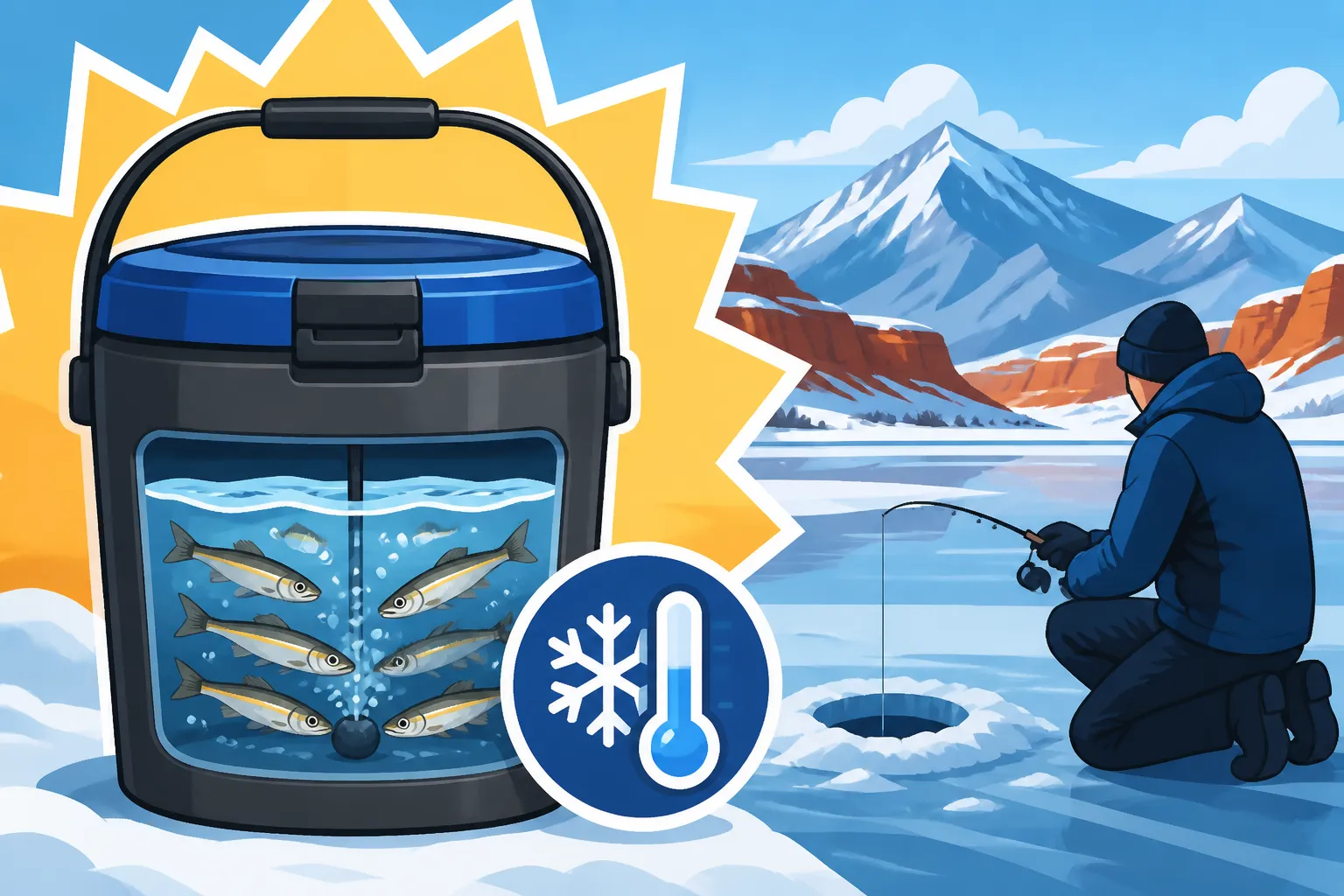
These are often the go-to for many anglers and come in various sizes, typically ranging from 1 to 5 gallons. The most common design features a rigid foam insert that fits snugly inside a hard plastic outer shell. This foam provides decent insulation, helping to buffer the water from external temperature changes. Many also come with a perforated inner bucket, which is a fantastic feature. You can lift this inner bucket out to easily select minnows, allowing the water to drain back into the main bucket without stressing the other minnows or exposing the entire water volume to the cold.
While these traditional insulated buckets are a significant upgrade from a plain plastic bucket, they often don't come with integrated aeration. This means you'll need to purchase a separate battery-powered aerator and clip it onto the side, running the air hose into the water. Brands like Frabill and Plano offer reliable options in this category, and you can usually find them stocked at your local Bass Pro Shops. They're relatively lightweight and portable, making them suitable for ice fishing trips where you might be pulling a sled, or for shore fishing on cold mornings when you need to cover some ground.
Advanced Aerated Livewells and Coolers
For the angler who takes their minnow care seriously, or who needs to keep a larger volume of bait alive for extended periods, advanced aerated livewells or modified coolers are excellent choices. Many anglers customize high-quality coolers by adding battery-powered aerators, creating a super-insulated and highly functional bait station. Look for rotomolded coolers, which offer superior insulation and durability compared to standard coolers. The thick walls and tight-sealing lids of these coolers are perfect for maintaining stable water temperatures, preventing freezing, and reducing heat transfer.
Some specialized "bait station" coolers are designed from the ground up for this purpose, often featuring built-in, removable aerators that run on D-cell batteries, along with specific compartments for ice packs (to cool water in warmer weather, or surprisingly, to prevent super-cooling in extremely cold weather by maintaining a consistent temperature just above freezing). These larger setups are ideal for boat fishing where space isn't as much of a concern, or for longer ice fishing trips where keeping a substantial amount of bait healthy is paramount. While they tend to be heavier and more expensive, the peace of mind knowing your minnows are thriving can be invaluable. Considering investing in durable gear? You might also be interested in Best Ice Augers for Utah Ice Fishing for a complete winter setup.
DIY Solutions for the Resourceful Angler
If you're handy and on a budget, you can create a surprisingly effective cold-weather bait bucket from readily available materials. A common DIY approach involves taking a standard 5-gallon bucket and placing a smaller bucket inside it, filling the gap between the two with insulating material like rigid foam, styrofoam peanuts, or even old towels or crumpled newspaper. The lid can be similarly insulated.
Another popular method is to convert a regular cooler into a bait livewell. This usually involves drilling a small hole for an aerator hose and ensuring the pump is securely mounted. Some ingenious anglers have even added small submersible pumps and filters to create a closed-loop system for ultimate water quality. While these DIY options require a bit of effort, they can be highly effective and tailored to your exact needs. Just be sure that whatever materials you use are non-toxic to fish and that your insulation creates a tight seal to prevent rapid temperature loss. The goal, regardless of whether you buy or build, is stable temperature, ample oxygen, and easy, low-stress access to your bait.
Practical Tips for Maximizing Minnow Lifespan in Freezing Conditions
Having the best bait bucket is only half the battle. The other half is knowing how to manage your minnows and their environment properly once you're out on the ice or along a frigid riverbank. These practical tips will help ensure your minnows stay lively from the moment you leave home until you've caught your limit.
Water Management: Temperature and Quality Control
The water you use in your bait bucket is arguably more important than the bucket itself. As mentioned, never use chlorinated tap water. The best practice is to fill your bait bucket with water directly from the body of water you'll be fishing, or as close to it as possible. This ensures the minnows are acclimated to the local water chemistry and temperature from the start. If you must use water from home, make sure it's dechlorinated and has been allowed to sit for a while to reach ambient air temperature, rather than being shocked with ice-cold or warm tap water.
Once at your fishing spot, keep an eye on the water temperature in your bucket. A small, inexpensive floating thermometer can be a lifesaver. If the water in your bucket starts to get too cold and threatens to freeze, especially around the edges, you can carefully add a small amount of warmer water (again, dechlorinated or from the fishing spot) or even place a small, sealed warm water bottle inside the bucket for short periods. Conversely, if the sun comes out and warms things too much, a small handful of snow or ice from the lake can help regulate it, but add it slowly to avoid shocking the minnows. Regularly removing dead minnows and any waste material (like uneaten food, though minnows don't need to be fed on short trips) will also keep the water cleaner and healthier. Remember, healthy water equals healthy minnows.
Don't Overcrowd Your Minnows
It's a common mistake born of good intentions: buying more minnows than your bucket can realistically support. Overcrowding is a death sentence for baitfish in any condition, but especially in the cold. More minnows mean more oxygen consumption and more waste production, quickly fouling the water and depleting vital oxygen. A good rule of thumb is to aim for no more than one dozen small minnows per gallon of water, and even fewer for larger shiners or suckers. When in doubt, err on the side of fewer minnows. It's better to have a smaller number of lively, effective baitfish than a large quantity of sluggish or dead ones.
If you find yourself with too many minnows, consider using two buckets, especially if you have a buddy with you, or storing extras in a separate, aerated container in a cooler section of your vehicle until needed. The extra effort of managing two smaller batches of minnows will pay off in healthier, more appealing bait throughout your fishing day. This also reduces the risk of all your minnows dying if one bucket experiences an issue.
Protecting Your Bucket from the Elements on the Ice or Shore
Once you've arrived and set up your Best Ice Fishing Shelter for Utah Winters or picked your shore spot, don't just plop your bait bucket down and forget about it. How you position and protect your bucket from the elements can significantly impact your minnows' survival. On the ice, avoid placing the bucket directly on the frozen surface where it can quickly lose heat. Instead, place it on a piece of foam, a blanket, or even a small section of plywood to create an insulating barrier from the cold ground. If you're using an ice fishing tent or shack, keep the bucket inside, where it's somewhat shielded from the biting wind and coldest air.
On the shore, position your bucket in a sheltered spot, out of direct wind, and ideally in the shade to prevent overheating on those surprisingly bright winter days. If there's snow cover, you can even partially bury the bucket in the snow, leaving the top exposed, to utilize the snow's insulating properties. Always ensure your aerator is running and its air stone is properly submerged. Check your aerator's batteries periodically; cold weather can drain them faster than you might expect. By taking these simple protective measures, you'll create a much more hospitable environment for your minnows, allowing them to remain lively and attractive to those hungry fish. For specific regulations regarding ice shanties and gear, you might want to review How Long Can an Ice Shanty Stay on Utah Ice?.
| Feature | Traditional Insulated Bucket | Advanced Aerated Cooler/Livewell | DIY Modified Cooler |
|---|---|---|---|
| Insulation Level | Good (foam insert) | Excellent (thick walls, tight seal) | Variable (depends on base cooler) |
| Aeration | External (clip-on) | Often integrated (battery-powered) | External (user-added) |
| Durability | Good | Excellent (rotomolded options) | Good to Excellent (depends on base cooler) |
| Portability | High (lightweight) | Medium (can be heavier/bulkier) | Medium to High |
| Cost | Low to Medium | High | Low to Medium (plus time) |
| Capacity Options | 1-5 gallons | 5+ gallons | 5+ gallons |
| Best Use Case | Short trips, ice fishing, shore fishing | Long trips, boat fishing, large bait volume | Budget-conscious, custom needs |
Disclaimer
This article is for general informational purposes only and does not constitute professional advice. Laws, prices and regulations vary by location and change over time. Consult a qualified professional for guidance on your specific situation.