Flies Every Beginner’s Utah Fly Box Needs
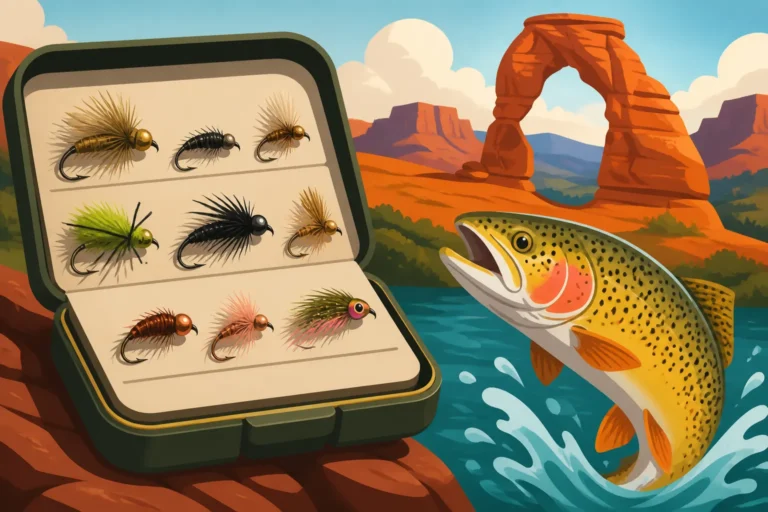
Stepping into the world of fly fishing in Utah can feel a bit like trying to learn a new language. You walk into a fly shop, and suddenly you're staring at walls lined with thousands of tiny, feathery creations, each with a cryptic name, and you wonder how on earth you're supposed to pick the right ones. It's overwhelming, truly. This guide is here to cut through that confusion, helping you stock a beginner's fly box with the essential patterns that consistently catch fish across Utah's diverse waters, so you can spend less time guessing and more time casting.
Understanding the Basics of Fly Selection for Utah's Waters
Before we dive into specific fly patterns, it's really helpful to grasp why we choose certain flies. It's not just about what looks pretty; it's about mimicking what the fish are actually eating. Utah's trout, bass, and other species are opportunistic feeders, meaning they'll eat what's readily available and easy to catch. Understanding this fundamental principle will make all your fly choices feel more intentional.
Matching the Hatch and Generalist Patterns
"Matching the hatch" is a term you'll hear often, and it means selecting a fly that imitates the specific aquatic insects or terrestrial bugs that are active and available for fish to eat at that precise moment. If blue-winged olives are hatching on the Provo River, you want a fly that looks like a blue-winged olive. However, as a beginner, constantly knowing what's hatching can be daunting. That's where "generalist patterns" come in—flies that don't perfectly imitate one insect but rather suggest a wide range of common food sources, making them effective in many situations.
Think of it like this: if you're going to a potluck, bringing a universally loved dish like pasta salad is a safe bet, even if you don't know everyone's dietary restrictions. Generalist flies are the pasta salad of the fly-fishing world. They're often imitations of common nymphs, midges, or attractor patterns that simply look buggy and appetizing. Many of the flies we'll discuss here lean heavily into this "generalist" philosophy, giving you consistent success without needing an entomology degree.
Understanding Fly Types: Dry Flies, Nymphs, and Streamers
The vast majority of flies fall into three main categories, each fished in a different part of the water column. Dry flies float on the surface, imitating insects that have hatched or fallen onto the water. Nymphs are fished below the surface, representing the immature aquatic insects that live on the bottom of rivers and lakes. Streamers are typically larger flies that imitate baitfish or leeches, fished actively to provoke a predatory strike.
For a beginner's fly box, you'll want a good mix of these, but with an emphasis on nymphs, as trout spend a significant amount of their feeding time eating below the surface. We'll explore which specific patterns within these categories are non-negotiables for your Utah adventures, whether you're heading to the Provo River Fishing Guide or one of the many high-altitude lakes in the Uinta Mountains. Knowing when and how to deploy each type is a huge step in becoming a more successful angler.
Essential Dry Flies for Utah Waters
There's something magical about watching a fish rise to take your dry fly off the surface. It's visually exciting and incredibly rewarding. While nymphs might account for more catches, having a few reliable dry flies in your arsenal is crucial, especially when fish are actively feeding on the surface or when you just want to experience that classic fly fishing moment.
The Adam's Parachute: A Universal Imitator
The Adam's Parachute is often considered the quintessential "all-around" dry fly, and for good reason. It doesn't precisely imitate any single insect, but rather broadly suggests a mayfly, caddisfly, or midge, making it incredibly versatile. Its white parachute post makes it easy to see on the water, which is a huge bonus for beginners learning to track their fly.
I always recommend having this one in a few sizes, perhaps a smaller #18 and a larger #14 or #16. It's a fantastic searching pattern when you don't know what's hatching, and it's particularly effective on rivers like the Green River below Flaming Gorge or the Provo River, where diverse insect life abounds. You can often find great multi-packs of these at Bass Pro Shops or through online retailers like Amazon, which is a good way to get started without breaking the bank.
Elk Hair Caddis: The Bouncy Bug
Caddisflies are abundant in many Utah rivers and lakes, and the Elk Hair Caddis is the perfect imitation for their adult stage. It's a buggy-looking fly that floats well, even in choppy water, thanks to its buoyant elk hair wing. Trout love the way it skitters and dances on the surface when twitched, often mistaking it for an egg-laying adult.
Sizes #14 to #18 are usually sufficient for most Utah waters. This fly is especially effective in the evenings when caddis are active, and trout are eagerly looking up. It’s also a solid choice for pocket water in faster-flowing streams where a more delicate mayfly pattern might get drowned out. I’ve had fantastic luck with this fly on the Weber River, particularly in late spring and early summer.
Royal Wulff: The Attractor Extraordinaire
Sometimes, you need a fly that doesn't just imitate, but attracts. The Royal Wulff is a classic attractor pattern, instantly recognizable by its red, white, and peacock hurl body. It's a high-floating, highly visible fly that screams "food" to a trout, even if it doesn't perfectly mimic any specific insect. Its bushy construction makes it extremely durable and visible even in lower light conditions or on larger, choppier bodies of water.
This fly is an excellent choice for general prospecting, especially in mountain streams or larger rivers like sections of the Green River Below Flaming Gorge Dam. It's also a great indicator fly when you're fishing a dry-dropper rig, making it easy to see your whole setup. Don't be afraid to try this one when other, more imitative patterns aren't getting attention; sometimes, a bold statement is exactly what the fish are looking for.
Must-Have Nymphs for Utah Rivers and Lakes
Nymphs are the workhorses of any fly angler's box. Trout spend the vast majority of their lives feeding on aquatic insects in their larval and pupal stages, which means they're accustomed to looking for food below the surface. If you want to catch fish consistently in Utah, you absolutely need a good selection of nymphs. Learning How to Rig a Jig for Utah Trout and understanding nymphing techniques will elevate your success significantly.
Pheasant Tail Nymph: The Subtle Staple
The Pheasant Tail Nymph is arguably one of the most effective and versatile nymph patterns ever created. Its simple, slender profile and natural coloration do an incredible job of imitating a wide variety of mayfly nymphs found in nearly every trout stream. It's a subtle fly, designed to look like a vulnerable insect drifting helplessly downstream.
I recommend having this pattern in both beadhead and unweighted versions, in sizes ranging from #16 to #20. The beadhead versions sink faster and are excellent for getting down to fish in deeper runs, while the unweighted ones are perfect for shallower riffles or for fishing as a dropper off a larger dry fly. This fly is a consistent producer on the Provo River Fly Fishing Sections and countless other Utah trout streams, making it a critical part of your Best Flies for Utah Trout Streams.
Hare's Ear Nymph: The Buggy All-Rounder
If the Pheasant Tail is the sleek mayfly, the Hare's Ear Nymph is the shaggy, buggy caddisfly or stonefly. It has a rough, natural texture from the rabbit fur dubbing, which creates a very lifelike appearance in the water, mimicking the legs and antennae of many different aquatic insects. Like the Pheasant Tail, it's a generalist that trout rarely refuse.
Stock up on these in sizes #12 to #18, again with some beadhead options for weight. The Hare's Ear is a fantastic searching pattern when you're unsure what nymphs are active, and it's a solid choice for fishing in faster currents where its buggy profile stands out. It's particularly effective in early spring and late fall when larger nymphs are more prevalent.
Prince Nymph: The Flashy Attractor Nymph
Sometimes, you need a nymph that adds a little pizzazz, and the Prince Nymph delivers. With its white biot wings and peacock herl body, it has a distinct look that imitates stoneflies and caddis pupae, but also acts as an attractor. The flash and contrasting colors often grab a fish's attention when more subtle patterns are being ignored.
Carry the Prince Nymph in sizes #12 to #16, especially with a beadhead. It's a great choice for deeper runs, pockets, and when you want to make a statement. It works well on a wide range of Utah waters, from mountain streams to larger rivers like the Green River. It's a confidence fly for many anglers, and for good reason—it simply catches fish, often big ones! You can sometimes find excellent starter nymph assortments that include these patterns at fishing departments within stores like Bass Pro Shops.
Streamers and Terrestrials: Beyond the Bugs
While dry flies and nymphs cover the bulk of a trout's diet, there are times when bigger, bolder patterns are exactly what's needed. Streamers, which imitate baitfish, and terrestrials, which mimic land-based insects, can be incredibly effective, especially when targeting larger, more aggressive fish.
Woolly Bugger: The Ultimate Versatile Streamer
If there's one streamer you must have in your box, it's the Woolly Bugger. This fly is so versatile it's almost unfair. It can imitate a leech, a baitfish, a crayfish, a large nymph, or just about anything else that swims. Its marabou tail and hackled body give it an incredible pulsing action in the water that simply drives fish wild.
I recommend having Woolly Buggers in black, olive, and brown, in sizes #6 to #10. You can fish them stripped, swung, or even dead-drifted like a nymph. They are deadly effective in lakes and reservoirs when trout are chasing baitfish, such as at Strawberry Reservoir or Deer Creek Reservoir. They also work wonders in rivers for aggressive brown trout lurking in deeper pools and undercuts. How to Fish a Streamer for Brown Trout in Utah often involves a Woolly Bugger.
Ants and Hoppers: Terrestrial Powerhouses
Terrestrial insects—grasshoppers, ants, and beetles—become a significant food source for trout during the warmer months, especially from late summer into fall. When these land-dwelling bugs fall into the water, they become easy pickings. Having a few good imitations can lead to explosive strikes.
- Foam Hoppers: For grasshoppers, foam patterns like the Chernobyl Ant or Dave's Hopper in sizes #8 to #12 are excellent. They float incredibly well, are very durable, and create a visible silhouette that trout key in on. These are fantastic for fishing along grassy banks on rivers or lakes during the summer.
- Ants: Black or cinnamon foam ants in smaller sizes, #14 to #18, are critical. Ants are almost always present near water, and fish rarely pass up an easy meal. They are subtle but incredibly effective, especially on slower-moving sections of streams.
These flies are often overlooked by beginners, but they can be game-changers on a hot summer day. Look for good deals on terrestrial assortments online; Amazon often has a wide selection of these during peak season.
Building Your First Utah Fly Box: Practical Tips
So, you have a list of flies. Now what? Building your physical fly box is the next step. You don't need hundreds of flies to start, but rather a thoughtful selection of the right ones in appropriate sizes and colors. Organization is key, both for ease of use on the water and for ensuring your flies last.
Quantity, Sizes, and Organization
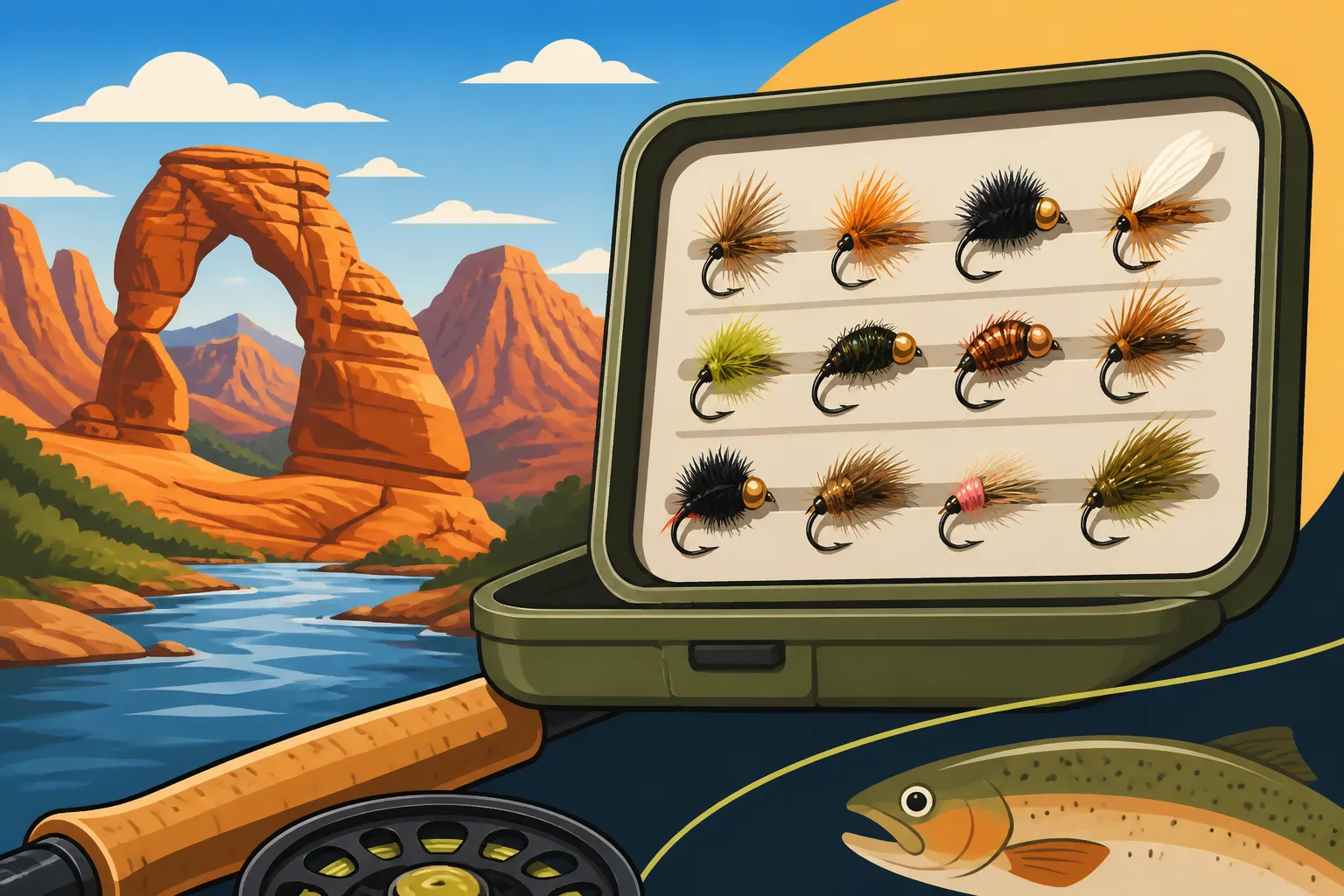
For each of the essential patterns mentioned above, aim to have 2-3 flies in each recommended size and color. This gives you backups if you lose one (and you will!) and allows you to experiment with different presentations. A small, double-sided foam fly box is perfect for a beginner, allowing you to separate dry flies from nymphs and keep them organized.
Think about your primary target species and locations when making final selections. If you're focusing on the Green River, you might prioritize more nymphs and smaller dry flies. If you're hitting high-mountain lakes, a greater variety of dry flies and smaller streamers could be beneficial. Consider checking out local fishing reports to see what patterns are currently hot.
Essential Fly Box Checklist
Here's a quick summary table of the flies we've covered, which you can use as a checklist when you're stocking your first box.
| Fly Pattern | Type | Key Imitation | Recommended Sizes | Primary Use in Utah |
|---|---|---|---|---|
| Adam's Parachute | Dry Fly | Mayfly, Caddisfly | #14, #16, #18 | All-around, general searching pattern on rivers. |
| Elk Hair Caddis | Dry Fly | Adult Caddisfly | #14, #16, #18 | Evening hatches, riffles, choppy water. |
| Royal Wulff | Dry Fly | Attractor | #12, #14, #16 | General prospecting, mountain streams, indicator. |
| Pheasant Tail Nymph | Nymph | Mayfly Nymph | #16, #18, #20 | Versatile subsurface, rivers and tailwaters. |
| Hare's Ear Nymph | Nymph | Caddis/Stonefly Nymph | #12, #14, #16, #18 | Buggy all-around, deeper runs, faster water. |
| Prince Nymph | Nymph | Stonefly, Attractor | #12, #14, #16 | Attracting attention, deeper pools, larger fish. |
| Woolly Bugger | Streamer | Leech, Baitfish | #6, #8, #10 | Lakes, reservoirs, aggressive trout in rivers. |
| Foam Hopper | Terrestrial | Grasshopper | #8, #10, #12 | Summer/Fall, grassy banks, larger trout. |
| Foam Ant | Terrestrial | Ant | #14, #16, #18 | Subtle offering, warmer months, steady producers. |
This table provides a solid foundation. Remember that many of these flies come in different color variations too. For instance, a black Woolly Bugger is a staple, but olive and brown are also critical, and it's worth picking up a few of each.
Sourcing Your Flies and Expanding Your Collection
You can purchase flies individually or in assortments. For beginners, buying a pre-selected "beginner's trout assortment" can be a convenient way to start, as long as you confirm it contains some of the patterns listed here. Local fly shops are fantastic resources for buying flies and getting up-to-date information on what's working in your area. They often tie their own patterns specific to local hatches. Online retailers like Amazon also offer a vast selection, often at competitive prices, especially for bulk purchases of common patterns.
As you gain experience, you'll naturally start to expand your collection based on your fishing experiences and preferred techniques. You might dive deeper into specific patterns for How to Fish the Bear Lake Cisco Run or explore more specialized flies for specific conditions. But for now, this core selection will have you well-equipped for most fishing scenarios across Utah. Good luck out there, and enjoy the journey!
Disclaimer
This article is for general informational purposes only and does not constitute professional advice. Laws, prices and regulations vary by location and change over time. Consult a qualified professional for guidance on your specific situation.