Best Boots for Standing on Ice All Day
There's nothing quite like the crisp air and serene silence of a Utah winter morning out on the ice, waiting for that tell-tale tap on your line. But if you've ever endured an entire ice fishing trip with numb, aching feet, you know it can quickly turn a peaceful day into a miserable test of endurance. This guide is here to tackle that exact problem head-on, helping you understand why your feet get so cold and, more importantly, how to choose the right boots to keep your toes toasty, allowing you to focus on the fish, not the frostbite.
The Frustration of Frozen Toes: Why Your Current Boots Aren't Cutting It
You bought a pair of "winter" boots, right? Maybe they even felt cozy when you tried them on in the store. But then you hit the ice at Strawberry Reservoir or Scofield, stood still for a few hours, and suddenly your feet felt like solid blocks of ice. This isn't just an inconvenience; it can genuinely cut your trip short and even be a safety concern in Utah's often brutal winter conditions. The problem isn't usually you; it's the specific, unforgiving nature of ice fishing that exposes the flaws in everyday winter footwear.
Understanding the Unique Demands of Ice Fishing Footwear
Ice fishing isn't like shoveling your driveway or taking a winter hike. When you're ice fishing, you're largely sedentary. You're standing or sitting directly on a frozen surface, and that surface is constantly drawing heat away from your body through conduction. Regular winter boots might offer enough insulation for active movement, where your body generates more heat, but they simply can't cope with the constant, passive cold transfer from the ice. Think of it this way: your boots are your personal barrier against a giant, frozen heat sink. If that barrier isn't robust, the cold wins every time.
Furthermore, you're often dealing with slush, melting snow, and possibly even water spilling into your ice shelter. A boot that's merely "water-resistant" won't cut it. You need something truly waterproof, not just against precipitation from above, but against standing water from below. The aggressive nature of ice and slippery snow also demands exceptional traction, far beyond what your average snow boot provides. It's a combination of static cold, persistent moisture, and treacherous surfaces that makes ice fishing footwear a specialized category.
Common Mistakes Anglers Make with Footwear
Many anglers, myself included, have learned the hard way about ice fishing footwear. One of the biggest culprits of cold feet is choosing boots that are too small or wearing too many thick socks that constrict circulation. It seems counterintuitive – more socks, more warmth, right? Wrong. If your boots are too tight, the blood flow to your toes is restricted, and blood is what carries warmth. It also compresses the insulation within the boot, reducing its ability to trap air, which is how insulation actually works.
Another common mistake is relying on cotton socks. Cotton absorbs moisture (sweat) and then holds it against your skin, quickly leading to cold, clammy feet once you stop moving. Even if your boots are waterproof, your feet still sweat, and if that moisture has nowhere to go or is trapped by the wrong material, you'll feel the chill. Finally, many people underestimate the wear and tear winter conditions inflict on boots. Neglecting to re-waterproof older boots or choosing boots with inadequate grip for truly icy surfaces are easy traps to fall into, leading to discomfort or even a slip and fall when you're navigating around your Best Ice Fishing Shelter for Utah Wind.
Key Features to Look for in All-Day Ice Fishing Boots
When you're shopping for boots designed to keep you comfortable through a full day of ice fishing, you really need to be a detective about their features. Don't just look at the price tag or the brand name; dig into the specifications that truly matter for facing Utah's frozen waters. It's about combining warmth, dryness, and stability into one formidable package.
Insulation: The MVP of Warmth
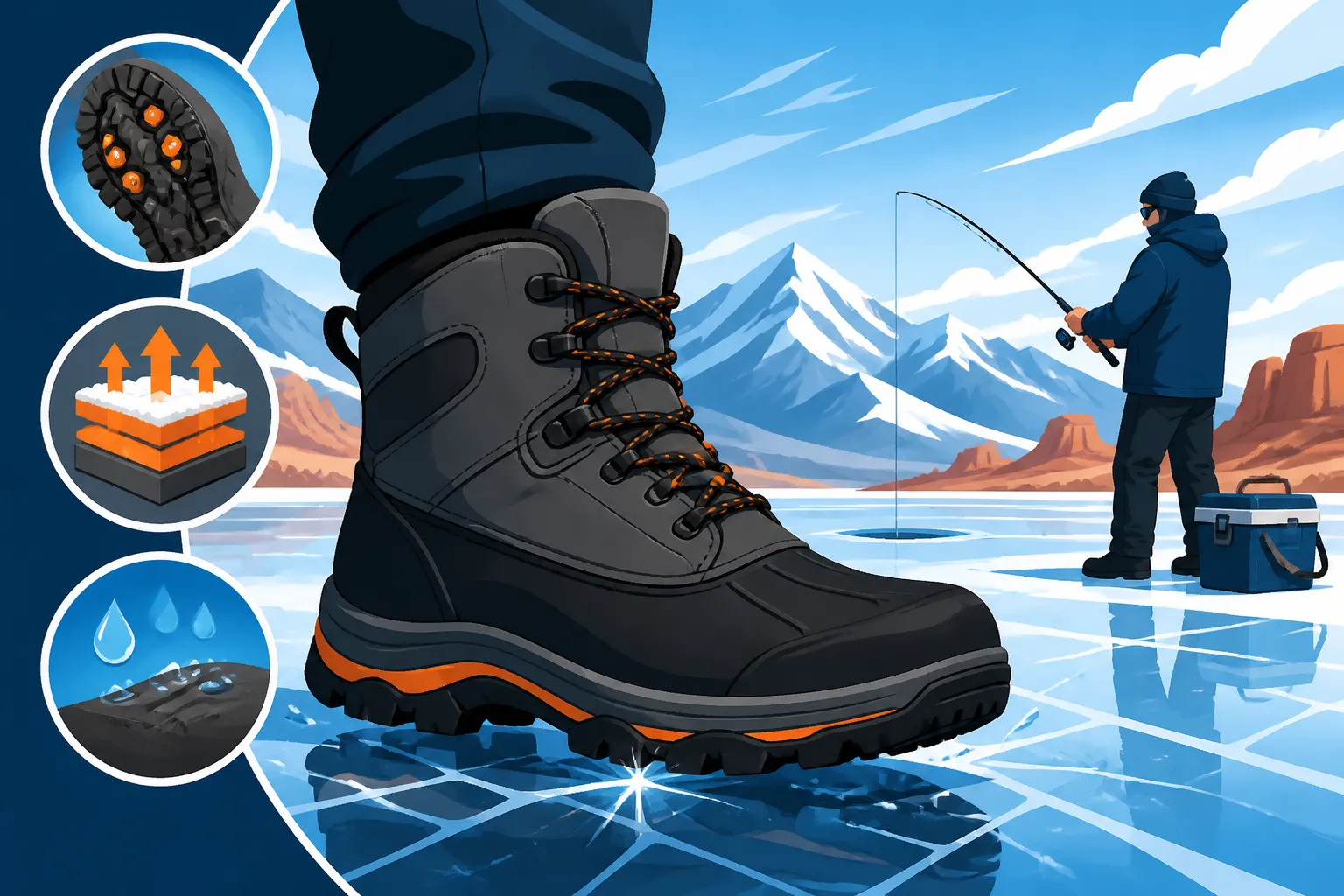
This is arguably the single most important factor. The insulation in your boots is what creates a thermal barrier between your feet and the icy ground. Manufacturers usually rate insulation in grams, such as 800g, 1200g, or even 2000g. For all-day stationary ice fishing in Utah, especially when temperatures dip, you'll want boots with at least 800 grams of Thinsulate or an equivalent synthetic insulation. If you're someone who gets cold easily, or you plan to fish in truly frigid conditions on places like Bear Lake in January, aiming for 1200g to 2000g+ is not overkill. These boots might feel a bit bulky at first, but that bulk translates directly into trapped air and sustained warmth.
Beyond synthetic options like Thinsulate, some high-end boots use felt liners or a combination of materials. Felt liners, often removable, are fantastic because they can be taken out and dried thoroughly each night, which is crucial for maintaining warmth. Natural materials like wool in the insulation layers also offer excellent warmth-to-weight ratios and retain some insulating properties even when damp, though for a primary insulator against the ice, synthetics or felt are typically preferred for their bulk and moisture resistance.
| Insulation Gram Weight | Activity Level | Suggested Temperature Range | Utah Ice Fishing Suitability |
|---|---|---|---|
| 200g – 400g | Active (hiking, shoveling) | 20°F to 40°F (-6°C to 4°C) | Light, mild winter; not ideal for stationary ice fishing |
| 600g – 800g | Moderately active, short periods stationary | 0°F to 20°F (-18°C to -6°C) | Minimalist setup, shorter trips, inside a heated shelter |
| 1000g – 1200g | Extended stationary periods | -10°F to 0°F (-23°C to -18°C) | Good for most Utah ice fishing, even colder days |
| 1600g – 2000g+ | All-day stationary in extreme cold | Below -10°F (Below -23°C) | Excellent for the coldest Utah mornings, or if you run very cold |
Waterproofing and Breathability: Keeping the Wet Out and Sweat Away
Just as important as insulation is the ability to keep water out. Your boots should be fully waterproof, not just water-resistant. Look for boots with a high rubber rand that extends well above the ankle, or a full rubber lower section. Membranes like GORE-TEX are excellent for boots that also need to breathe, preventing internal moisture (sweat) from building up. If your feet sweat and that moisture gets trapped, it will rapidly cool your feet, even in the warmest boots. This is a common issue many anglers face, unknowingly sabotaging their own warmth.
Imagine you're drilling holes with your Best Ice Auger Size for Utah Ice Fishing, moving around, and working up a slight sweat. If your boots don't allow that moisture vapor to escape, it condenses and leaves your socks damp. Then, when you settle back down to fish, that dampness quickly becomes cold. A robust waterproofing system, combined with good breathability, is crucial for sustained comfort. Ensure that seams are sealed and that the connection between the upper material and the sole is impenetrable to slush and standing water.
Traction and Support: Staying Upright and Comfortable
The surface of an ice lake is notoriously unpredictable. You might encounter slick, glare ice, deep powdery snow, or treacherous slush. Your boots need an aggressive lug pattern on the sole to grip in all these conditions. Look for deep, multi-directional lugs made from a cold-weather-specific rubber compound that remains flexible in freezing temperatures. Many dedicated ice fishing boots, or even general winter work boots, will feature such soles. Some anglers also opt for external cleats or spikes, like those made by Korkers, which can be added to any boot for extra grip on pure ice. These are particularly useful if you're venturing out onto new ice where you need to How to Check Ice Thickness Safely Before Ice Fishing and might encounter varying conditions.
Beyond traction, consider ankle support. A full day on uneven ice and snow can be taxing on your feet and ankles. Good ankle support helps prevent fatigue and reduces the risk of twists or sprains. Furthermore, adequate arch support and a cushioned footbed will make a world of difference when you're standing for hours on end, waiting for a bite. Your feet will thank you for that added support at the end of a long day chasing trout at Fish Lake.
Fit and Sizing: Room for Layers and Circulation
This is where many anglers go wrong. You absolutely need to size up your ice fishing boots. Why? For two main reasons: socks and circulation. You'll likely be wearing at least one, and possibly two, layers of thick, warm socks. Your boots need to accommodate this bulk without becoming tight. More importantly, you need room for your feet to move slightly and for blood to circulate freely. Constricted blood flow is the quickest route to cold feet, even with the best insulation.
When trying on boots, wear the exact combination of socks you plan to use on the ice. Walk around, wiggle your toes. You should have enough room to comfortably move your toes without them touching the front or sides of the boot. Ensure there's no pinching or pressure points, especially across the top of your foot or around your ankle. A proper fit ensures maximum insulation performance and maintains healthy circulation, which is a core tenet of staying warm when you How to Layer Clothing for a Utah Winter Fishing Trip. Remember, comfort equals endurance, and endurance means more time on the ice.
Top Boot Types for Utah Ice Anglers
With the unique challenges of Utah's ice fishing in mind, certain types of boots consistently outperform others. It's not about one single "best" boot, but rather finding the category that aligns best with your personal comfort needs, the conditions you typically fish in, and your budget. Whether you're a seasoned angler or just starting out, knowing these categories will help you narrow down your choices.
Heavy-Duty Rubber/Neoprene Boots
These are the workhorses of the ice fishing world, often seen on commercial fishermen and serious ice anglers who prioritize absolute waterproofness. Brands like Muck Boot and Lacrosse dominate this category. The lower part of these boots is typically solid rubber or neoprene, extending high up the calf, making them impervious to slush, puddles, and anything wet you might encounter on the ice at Willard Bay. Their seamless construction means no weak points for water to seep in. They often come with substantial insulation, sometimes in the 1200g-2000g range, making them incredibly warm. You can often find a good selection of these robust boots at large outdoor retailers like Bass Pro Shops.
The main advantages are their unparalleled waterproofing and ease of cleaning – a quick rinse and they're good to go. They're also often very durable. The downsides can include breathability (your feet might sweat more, so proper sock layering is critical) and sometimes a lack of flexibility or ankle support compared to more athletic designs. They can also feel a bit heavy and clunky if you're doing a lot of walking or drilling many holes across varied terrain. However, for stationary fishing in a portable shelter or dealing with consistently wet conditions, they are hard to beat for keeping your feet dry and therefore warm.
Insulated Pac Boots
The classic pac boot design, often featuring a removable felt liner, has been a staple for winter outdoorsmen for generations. Brands like Sorel and Kamik are well-known for their traditional pac boots. The outer shell is usually a combination of waterproof leather or synthetic material on the upper, with a heavy-duty rubber lower shell. The magic often happens with the thick, removable felt liner that provides incredible warmth, often equivalent to 1000g or more of synthetic insulation. These boots are fantastic for really cold days and prolonged exposure to frigid temperatures.
The biggest pro of pac boots is their exceptional warmth and the ability to remove and thoroughly dry the felt liners each night. This is a game-changer for multi-day trips or if your feet tend to sweat. You can even carry an extra pair of liners for truly extreme conditions. On the flip side, pac boots can be quite bulky and heavy, which might not be ideal if you're trekking long distances to your fishing spot. They might also lack the nuanced ankle support of a modern hiking boot. However, for maximum warmth and reliability in bitter cold, especially if you're mostly sitting or standing in one spot, they remain a top choice for a solid Utah Ice Fishing Guide.
Modern Technical Winter Boots
This category represents the evolution of winter footwear, combining advanced insulation technologies with more athletic, lighter designs. Brands like Baffin, Columbia, and even some specialized hunting boot companies offer these. They often feature proprietary waterproof-breathable membranes, high-tech synthetic insulations that offer high warmth-to-weight ratios, and ergonomically designed outsoles for improved traction and comfort. These boots are generally more comfortable for walking and offer better ankle support, making them a good option if your ice fishing involves a fair amount of moving between spots or hiking to access secluded areas. These types of boots are readily available from online retailers like Amazon, often with a wide range of styles and insulation levels.
The advantages here are comfort, reduced bulk, and often superior grip for varied terrain due to more flexible soles and innovative tread patterns. They can also be versatile enough for other winter activities. The main drawbacks tend to be the price point, which can be higher due to the advanced materials and construction. Additionally, while the insulation is highly effective, it's generally not removable, meaning drying can take longer if the boots get saturated from the inside or out. When choosing, pay close attention to the insulation rating, as some "winter" technical boots might not have the extreme gram weight needed for prolonged stationary ice fishing.
Beyond the Boots: Enhancing Your Foot Warmth Strategy
Even the absolute best, most insulated ice fishing boots in the world can't do their job effectively if you're not pairing them with the right accessories and practices. Think of your boots as the foundation, but your entire foot care strategy is the house built upon it. Optimizing these other elements will make a significant difference in your comfort and ability to stay on the ice all day.
The Right Socks Make All the Difference
We've touched on this, but it bears repeating: cotton socks are the enemy of warm feet in winter. They absorb moisture and lose all insulating properties when wet, turning your feet into ice cubes. Instead, invest in high-quality merino wool or synthetic blend socks. Merino wool is exceptional because it wicks moisture away from your skin, regulates temperature, and retains warmth even when damp. Synthetic blends (polyester, nylon, spandex) offer similar wicking properties and durability.
For maximum warmth, consider a layering approach: a thin liner sock made of merino wool or a wicking synthetic, followed by a thicker, loftier merino wool or synthetic outer sock. This creates multiple layers of trapped air and allows the inner sock to manage moisture. Crucially, ensure that neither sock layer, nor the combination of socks, makes your boots feel tight. If your feet feel constricted, circulation is compromised, and you'll get cold no matter how much insulation your boots have. This thoughtful approach to socks is as vital as any other element for How to Stay Warm Ice Fishing in Utah.
Hand Warmers, Boot Dryers, and Other Accessories
Sometimes, even with the perfect boots and socks, a little extra help can go a long way, especially on those truly bitter Utah mornings. Chemical toe warmers are a fantastic option. They are small, adhesive packets that provide hours of low-level heat. Just remember to apply them to the top of your sock, not directly to your skin, to avoid burns. Placing them on the top rather than the bottom of your foot helps warm the blood circulating to your toes, which is often more effective.
After a long day on the ice, especially if your feet have sweated, getting your boots thoroughly dry is paramount for the next trip. Portable boot dryers, either electric or chemical-desiccant based, are invaluable. They gently circulate air or absorb moisture, preventing mold and keeping your insulation fluffy and effective. A dry boot is a warm boot. You might even use similar strategies to keep other essentials like bait lively in freezing temperatures, reflecting the general ethos of preparation, which is key for tasks such as knowing How to Keep Bait Alive in Cold Weather.
Maintaining Your Investment
Your high-quality ice fishing boots are an investment, and like any good gear, they need proper care to perform season after season. After each trip, especially if they've been exposed to slush, mud, or saltwater (unlikely on Utah's freshwater lakes, but good practice), clean them off. Remove any external debris. If your boots have removable liners, take them out to air dry completely. For non-removable liners, use a boot dryer. Never dry your boots with direct, high heat (like a campfire or furnace vent) as this can damage materials, especially rubber and glue.
Regularly inspect your boots for wear and tear, paying close attention to seams and the junction where the upper meets the sole. If you have leather or fabric uppers, consider reapplying a waterproofing treatment annually or as needed. Proper storage in the off-season, in a cool, dry place, will prevent materials from degrading. Don't just toss them in a damp garage corner. Following these simple steps will ensure your boots are ready for action when the ice returns, just as you carefully How to Store Fishing Gear Over a Utah Winter.
Disclaimer
This article is for general informational purposes only and does not constitute professional advice. Laws, prices and regulations vary by location and change over time. Consult a qualified professional for guidance on your specific situation.