Utah Quagga Mussel Decontamination Rules
Few things can throw a wrench into a perfectly planned Utah fishing trip faster than encountering the often-confusing and sometimes frustrating regulations surrounding aquatic invasive species, especially the notorious quagga mussel. You've spent hours planning, packing, and dreaming of casting your line, only to be confronted with inspection stations, decontamination requirements, and the nagging worry that you might accidentally be doing something wrong. It’s a legitimate concern, given the severe consequences of spreading these invaders. This comprehensive guide is here to untangle the complexities of Utah's quagga mussel decontamination rules, offering clear, empathetic, and actionable advice to ensure your boating and fishing adventures remain compliant and enjoyable, all while doing your part to protect our precious waterways.
Understanding the Threat of Quagga Mussels in Utah Waters
Before we dive into the nitty-gritty of regulations, it's really important to understand why these rules exist in the first place. Nobody likes extra hoops to jump through, but with quagga mussels, the stakes are incredibly high for Utah's delicate aquatic ecosystems and our cherished fishing opportunities. These aren't just nuisance critters; they're an existential threat that could permanently alter our lakes and rivers.
Why Quagga Mussels Are Such a Big Deal for Utah
Imagine a tiny, fingernail-sized clam that can clog water pipes, damage boat engines, and completely disrupt the food web of an entire lake. That's a quagga mussel for you. These prolific invaders, along with their zebra mussel cousins, are filter feeders, meaning they suck nutrients out of the water column. While that might sound like they're cleaning the water, what they're actually doing is stealing vital food sources from native plankton, which are at the base of the food chain for most fish. This can lead to a drastic decline in native fish populations, including the beloved trout and kokanee salmon we all love to pursue.
Beyond the ecological catastrophe, there's a huge economic cost. Municipal water systems, irrigation canals, and hydroelectric power plants rely on clear, unobstructed pipes. Quagga mussels attach to virtually any hard surface, forming dense colonies that reduce water flow and cause massive infrastructure damage, costing millions of dollars in maintenance and repairs annually. If a major reservoir like Strawberry or Flaming Gorge were to become fully infested, the recreational impacts, not to mention the direct financial burden, would be staggering. This is why the state is so incredibly vigilant, and why understanding the regulations like the Utah Aquatic Invasive Species Rules for Anglers is absolutely critical for every boater and angler.
How Quagga Mussels Spread and What They Look Like
The primary way quagga mussels spread from one water body to another is through human activity, mainly by hitchhiking on boats and associated equipment. Their microscopic larvae, called veligers, can live in residual water left in bilges, live wells, engine cooling systems, or even anchor ropes. Adult mussels can attach themselves to hulls, props, and trailers. It's truly shocking how easily these tiny organisms can travel unnoticed. One single boat, moved from an infested lake to a clean one, can be enough to start a new, devastating population.
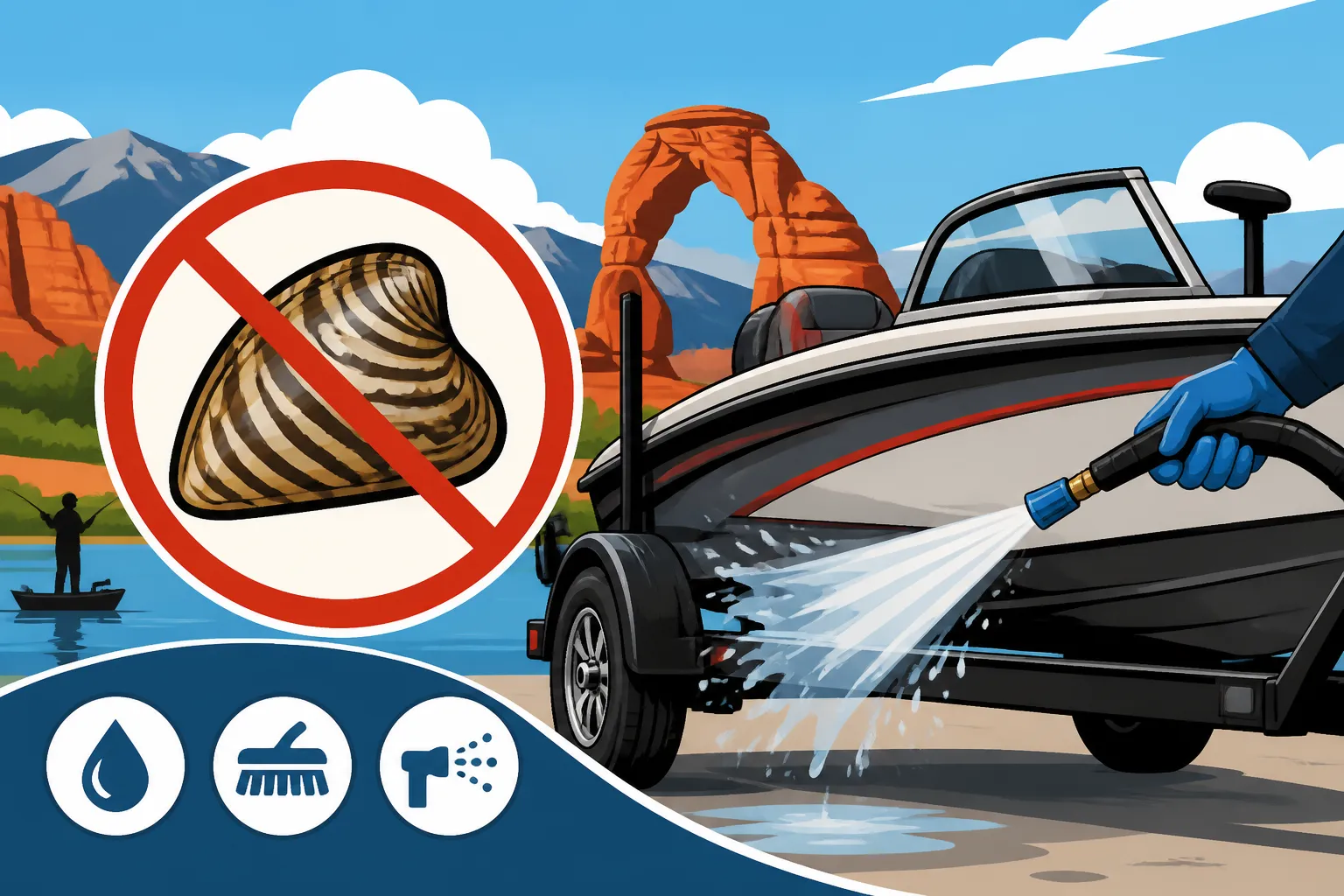
Identifying quagga mussels can be tricky, especially when they're small. They typically have D-shaped shells, often with concentric rings, and can range in color from light tan to dark brown or even purplish-black. Unlike native clams, they have a byssal thread that allows them to firmly attach to hard surfaces. They are usually less than an inch long, though they can grow larger. Before they attach, their larval stage, veligers, are invisible to the naked eye, which is why the "Clean, Drain, Dry" protocol is so crucial—you can't just look for them; you have to assume they're there.
The Economic and Ecological Impact on Our Lakes
Let's not sugarcoat it: a widespread quagga mussel infestation would be devastating for Utah. Ecologically, it would disrupt entire food webs. By filtering out plankton, they make the water clearer, which sounds nice but actually increases light penetration, leading to more aquatic vegetation. This shifts the ecosystem away from the open-water fish species we cherish towards those that thrive in weedy, stagnant conditions. The changes would impact everything from trout to kokanee salmon and even the smaller forage fish they rely on.
Economically, the impact would be felt by every citizen. Imagine the cost of constantly cleaning infrastructure at Glen Canyon Dam or Jordanelle Reservoir. Property values on affected lakes could drop, and recreational tourism, a huge part of Utah's economy, would take a massive hit. Businesses that rely on fishing and boating, from guide services to marinas and tackle shops, would face immense challenges. It's not just about losing a few fish; it's about altering the very fabric of our outdoor recreation and the health of our state's economy.
Mandatory Inspections: The First Line of Defense
Given the severe threat, Utah has implemented a robust mandatory inspection program. This isn't just a suggestion; it's a legal requirement designed to catch potential invaders before they can infest new waters. Ignoring these inspections can lead to significant penalties, not to mention the potential ecological damage.
When and Where You Must Get Your Boat Inspected
If you're launching any type of watercraft—from a motorboat to a kayak, canoe, or paddleboard—into any Utah water body, you are subject to inspection. The most critical times for inspection are when you are moving your boat between different bodies of water, especially if you've recently been on a known infested water like Lake Powell. The Utah Division of Wildlife Resources (DWR) has established numerous Utah Aquatic Invasive Species Inspection Station Locations throughout the state, strategically placed along major highways leading to and from popular boating destinations.
These stations are clearly marked, and all watercraft operators are legally required to stop. You can also find certified inspectors at many boat ramps, especially during peak seasons. Even if a station appears closed, or if you're launching at an unmanned ramp, you're still responsible for ensuring your vessel is free of mussels. Many operators will flag you down if they see you passing an open station. It's always best practice to pull into a station even if you're just driving past, to ensure you're in compliance and to ask any questions you might have about Utah Boating and Fishing Rules.
What to Expect During a Standard Inspection
When you pull into an inspection station, a certified DWR technician will conduct a thorough check of your watercraft and equipment. This isn't a quick glance; they are trained to look for any signs of mussels, standing water, or plant material. They'll ask you a series of questions about where your boat has been recently, when it was last in the water, and when it was last cleaned and drained. This information helps them assess your risk level.
The inspection process typically involves physically examining your hull, motor, prop, anchor, ropes, and any other equipment that has been in contact with water. They'll also check your bilge, live wells, bait wells, and engine cooling systems for standing water. If your boat is dry and appears clean, and you haven't been in an infested water within the required dry time, you'll likely be cleared to proceed with minimal fuss. However, if standing water is found, or if you've been on an infested water, a more thorough decontamination might be required. They'll also provide you with information about specific regulations, like Utah Dry Time Rules After Leaving Lake Powell, which can be quite specific.
Penalties for Skipping or Failing Inspections
Let's be very clear: violating Utah's AIS regulations comes with real consequences. Passing an open inspection station without stopping, or launching a vessel that hasn't been properly decontaminated after being in an infested water, can result in significant fines and legal penalties. The specific fines can vary, but they often start in the hundreds of dollars and can escalate for repeat offenses or severe violations. In some cases, your boat could even be impounded.
Beyond the immediate financial hit, there's the moral responsibility. The rules are in place to protect our fishing and boating future. The frustration of being stopped or delayed is nothing compared to the irreversible damage a mussel infestation could cause. The DWR takes these rules very seriously because the threat is so severe. It's not worth the risk to try and skirt the regulations. Always stop at inspection stations, declare where your boat has been, and comply with any decontamination requirements. The minimal time spent at an inspection station pales in comparison to the potential impact on our state's cherished waters.
Decontamination Procedures: Protecting Our Waters
The goal of decontamination is simple: kill any mussels or veligers that might be clinging to your boat or hiding in its systems. This is achieved through a combination of cleaning, draining, and drying, sometimes augmented by hot water washes. It’s a multi-pronged approach designed for maximum effectiveness.
The "Clean, Drain, Dry" Protocol Explained
The foundation of quagga mussel prevention for every boater, regardless of where they've been, is the "Clean, Drain, Dry" protocol. This simple yet effective mantra should be second nature to anyone launching a boat in Utah.
- Clean: As soon as you pull your boat out of the water, physically inspect your hull, propeller, anchor, and trailer. Remove any visible mud, weeds, or debris. Mussels can attach to any of these surfaces. A stiff brush and even a pressure washer (like those available on Amazon, if you're looking for gear) can be invaluable here. Don't forget to clean fishing gear, waders, and any other items that came into contact with the water.
- Drain: This is perhaps the most critical step for combating microscopic veligers. Drain all water from your boat's bilge, live wells, bait wells, and engine cooling systems. Pull your drain plugs and leave them out during transport. Tilt your motor down to ensure all water drains from the lower unit. Even a small amount of water left in a dark, damp space can harbor veligers for weeks.
- Dry: Once you've cleaned and drained, allow your boat and all equipment to thoroughly dry before launching into another water body. Dry time is influenced by air temperature, humidity, and the size and complexity of your vessel. This step effectively kills any remaining mussels or veligers by dehydrating them. You can find detailed How to Dry a Boat Properly to Meet Utah's AIS Rules guidelines from the DWR, which often include specific temperature-based dry times.
Following these steps diligently every time you move your boat between waters is the single most important thing you can do to prevent the spread of quagga mussels.
When a Professional Decontamination is Required
While "Clean, Drain, Dry" is your everyday best practice, there are specific situations where a full professional decontamination is absolutely mandatory. These are usually triggered by higher-risk scenarios where the chances of mussel transfer are significantly elevated.
- After Visiting Infested Waters: If your boat has been in a known infested water body, such as Lake Powell, within the last 30 days (or shorter depending on specific dry time regulations), you will almost certainly be required to get a professional hot water decontamination before launching into any other Utah water. These rules are particularly stringent for Lake Powell due to its established mussel population. The DWR has distinct Utah Dry Time Rules After Leaving Lake Powell, and in many cases, a professional decontamination at an official station will be your only path to compliance.
- Discovery of Mussels: If a DWR inspector finds any living or dead quagga or zebra mussels on your vessel, a professional decontamination is immediately required. There's no negotiation here; the threat is too great.
- Standing Water from Infested Waters: If an inspector finds standing water in your boat (bilge, livewell, engine, etc.) and you've recently been in an infested water, a decontamination will be ordered because that water could contain veligers.
Professional decontaminations use high-pressure hot water (typically 140°F for internal systems and 120°F for external surfaces) to ensure all mussels and veligers are killed. This is a very effective method and often the quickest way to get your boat cleared if you've been in a high-risk situation.
Understanding Dry Time Requirements After Leaving Infested Waters
Dry time is a critical component of the "Clean, Drain, Dry" protocol, but it becomes particularly important and regulated when you've been in an infested water. The amount of time required for a boat to "air dry" and kill any lingering veligers or mussels depends heavily on ambient air temperature and humidity. The DWR publishes specific charts that outline these requirements.
For example, if the ambient air temperature is below 32°F (0°C), the required dry time might be as long as 30 days. If temperatures are consistently above 90°F (32°C), the dry time could be as short as 7 days. These aren't arbitrary numbers; they are based on scientific data regarding mussel survival rates under different environmental conditions. It's absolutely crucial to adhere to these specified dry times, especially after leaving a place like Lake Powell. Many boaters find it challenging to always meet these lengthy dry times, which is why professional decontamination often becomes a necessary and convenient option. You can find detailed dry time charts and information at any DWR inspection station or on their website.
| Air Temperature Range | Dry Time Requirement |
|---|---|
| Below 32°F (0°C) | 30 Days |
| 32-59°F (0-15°C) | 18 Days |
| 60-89°F (16-31°C) | 7 Days |
| 90°F (32°C) and above | 3 Days |
Note: These are general guidelines. Always check current Utah DWR regulations for the most up-to-date and specific dry time requirements, especially for Lake Powell.
Self-Decontamination vs. Professional Services
When facing a decontamination requirement, you essentially have two paths: doing what you can yourself (self-decontamination) or relying on the pros (professional decontamination). Understanding the nuances of each can save you time, money, and potential headaches.
What You Can Do Yourself to Prevent Spread
The "Clean, Drain, Dry" protocol is essentially your daily self-decontamination routine, and it's something every responsible boater should implement. This goes beyond just the visible hull. Think about all the nooks and crannies:
- Bilge and Live Wells: Ensure every drop of water is drained. Consider running your boat's bilge pump dry on the ramp or at home. For live wells, you might need to open drain plugs or even bail them out. Many anglers find products like bilge sponges or portable wet vacs (easily found on Amazon) invaluable for getting every last bit of water out.
- Engine Cooling System: Run your engine on a flushing attachment for a few minutes to circulate clean, fresh water, and then allow it to completely drain. Make sure your motor is tilted down for maximum drainage.
- Fishing Gear: Don't forget your fishing rods, tackle boxes, nets, and waders. Mussels can hitch a ride on anything wet. A quick rinse with tap water and thorough drying in the sun is often sufficient for these items.
- Trailer: Clean off any mud, debris, or vegetation from your trailer, especially the bunks and axles where mussels can attach.
The key to effective self-decontamination is thoroughness and allowing ample dry time. If you follow the protocol rigorously and haven't been in a known infested water, this should be enough for routine movements between clean waters. However, it's crucial to be honest with yourself about whether you've truly achieved complete drying and drainage, especially when dealing with complex boat systems.
When to Seek a Certified Decontamination Station
There are definite situations where attempting self-decontamination simply isn't enough, or isn't even allowed. This is when you must visit a certified DWR decontamination station. These situations include:
- After leaving Lake Powell: This is the most common trigger. Given the established quagga mussel population in Lake Powell, the state has very strict regulations regarding boats leaving this water body. Often, a professional decontamination is required before you can launch into another Utah lake, especially if you can't meet the extensive dry time requirements. The question of "Are Boat Inspections Mandatory Before Leaving Lake Powell?" is a resounding yes, and often leads directly to professional decontamination.
- Finding any mussels: If, during your own cleaning or an inspection, you find any mussels (dead or alive) on your boat, you need a professional decontamination immediately. Do not attempt to clean them off yourself and then launch elsewhere.
- Failure of initial inspection: If a DWR inspector finds standing water from a previous launch on an infested water, or suspects a risk, they will direct you to a decontamination station.
- Complex vessel designs: Some boats have intricate plumbing or ballast systems that are difficult to thoroughly drain and dry on your own. For these vessels, a professional decontamination offers peace of mind and ensures compliance.
These stations are equipped with specialized high-pressure, hot water washers and trained personnel who know exactly how to decontaminate every part of your boat, including internal systems that are hard to reach yourself.
Costs and Time Involved in Professional Decontamination
The cost of a professional quagga mussel decontamination in Utah can vary, but generally, the DWR offers these services for free at their official inspection stations. This is a significant benefit, as commercial decontamination services in other states can be quite expensive. The state prioritizes preventing spread, so they absorb the cost to encourage compliance. This makes the answer to "Utah Quagga Mussel Decontamination Cost" relatively simple: it's typically free at official DWR stations.
As for the time involved, a professional decontamination can take anywhere from 20 minutes to over an hour, depending on the size and complexity of your vessel, and how thorough a cleaning is required. Larger boats with complex live well systems, ballast tanks, or internal plumbing will naturally take longer. Factors like how much water needs to be drained and how dirty the boat is can also extend the process. While it adds a bit of time to your travel, it's a small price to pay for protecting our waters and avoiding hefty fines for non-compliance. Plus, the peace of mind knowing your boat is clean is truly invaluable.
Specific Rules for High-Risk Waters and Vessel Types
Not all water bodies and watercraft are treated equally under Utah's quagga mussel rules. Some locations, particularly Lake Powell, demand extra vigilance, and even smaller, seemingly innocuous vessels like kayaks have specific responsibilities.
Lake Powell's Unique Decontamination Requirements
Lake Powell is the undisputed epicenter of quagga mussels in Utah. It's a huge, deep reservoir, and unfortunately, the mussels have established a significant population there. Because of this, any vessel leaving Lake Powell and intending to launch into another Utah water body faces the most stringent regulations. You can't just "Clean, Drain, Dry" and be on your way; often, a full professional decontamination is required, or you must strictly adhere to extended dry times.
The DWR maintains several inspection and decontamination stations around Lake Powell, particularly at major marinas like Wahweap and Bullfrog. When leaving the lake, you are legally obligated to stop for an inspection. The rules are so strict that many boaters often wonder, "Why Does Lake Powell Have Different Dry Time Rules Than Other Utah Lakes?" The answer lies in the sheer volume of mussels present and the high risk of transferring veligers to other sensitive ecosystems. Be prepared for a thorough inspection and potential decontamination if you're pulling your boat off Lake Powell. It’s a necessary measure to protect the rest of the state.
Rules for Kayaks, Paddleboards, and Smaller Craft
Many people assume that because their kayak, canoe, or paddleboard doesn't have an engine or bilge, they're exempt from AIS rules. This is a dangerous misconception! These smaller, non-motorized vessels can absolutely harbor quagga mussels and their veligers. Mussels can cling to hulls, rudders, paddling gear, life vests, and even fishing nets used from these crafts. Any standing water in the hull or on gear can also carry veligers.
Therefore, the "Clean, Drain, Dry" protocol applies equally to kayaks, paddleboards, and similar vessels. You should clean off any mud or vegetation, drain any water that might collect inside, and thoroughly dry the vessel and all gear before moving it to another water body. While dedicated inspection stations might wave you through more quickly if you have a paddleboard, they still retain the right to inspect it. The question, "Do Kayaks and Paddleboards Need AIS Inspections in Utah?" is answered with a clear yes – they are subject to inspection, especially if they've been in infested waters. Treat your small craft with the same diligence you would a large powerboat.
How Commercial and Tournament Boats Are Handled
Commercial fishing guides, tournament organizers, and other professional operations often move their boats more frequently and across a wider range of waters. Because of this increased risk and exposure, they often face even stricter scrutiny and must maintain impeccable compliance records. DWR works closely with tournament organizers to ensure all participating vessels adhere to AIS guidelines, often requiring pre-tournament inspections and providing on-site decontamination services.
For fishing guides, it's not just about protecting the waters; it's about protecting their livelihood and reputation. A guide who isn't compliant risks fines, loss of permits, and damage to their business. Many guides proactively get their boats professionally decontaminated regularly, especially when moving between different major reservoirs. They understand that their actions directly impact the health of the fisheries they depend on. This proactive approach by commercial operators is a testament to the severity of the quagga mussel threat and the collective effort needed to combat it.
Staying Informed and Doing Your Part
The fight against aquatic invasive species is an ongoing one, and it requires the active participation of every angler and boater. Staying informed is your best weapon against accidental spread and ensures you remain compliant with ever-evolving regulations.
Resources for Current Regulations and Inspection Stations
The Utah Division of Wildlife Resources (DWR) is your absolute best source for the most up-to-date information on quagga mussel regulations, dry times, and inspection station locations. Their website is a treasure trove of information, often featuring interactive maps of inspection stations and detailed guides on compliance. You can typically find a full Utah Fishing License Guide there too, if you need to brush up on other rules.
Beyond the website, DWR often uses social media channels to disseminate timely updates, such as changes in dry time requirements due to weather, or temporary station closures. It's a good idea to follow their official accounts if you're a regular boater. You can also pick up brochures at any DWR office, state park, or most marinas. Having a current copy of the Utah Fishing Regulations Explained is also invaluable, as AIS rules are integrated throughout. Don't rely on outdated information or hearsay; always go directly to the source. A quick search on Amazon for "Utah fishing guide book" might even turn up physical copies of the regulations or supplemental guides if you prefer a tangible reference.
Reporting Suspected Mussel Sightings
You are one of the most important lines of defense in the fight against quagga mussels. If you ever suspect you've found quagga mussels—either on your boat, on fishing gear, or in a water body you're visiting—it is absolutely critical to report it immediately. Do not try to remove them yourself and discard them. This could inadvertently spread them further.
Instead, take photos or videos of what you've found, note the exact location (GPS coordinates if possible), and then contact the DWR's AIS hotline or your local DWR office right away. They have trained personnel who can properly identify the species and implement appropriate containment strategies. Every reported sighting, even if it turns out to be a native species, helps the DWR monitor and protect our waters. Your vigilance could prevent a catastrophic new infestation.
Long-Term Strategies and Future Outlook
Utah's approach to quagga mussels is a dynamic, long-term strategy that combines prevention, early detection, and rapid response. While Lake Powell is unfortunately infested, the state is committed to preventing spread to other critical waters like Bear Lake, Strawberry Reservoir, and Flaming Gorge. This involves ongoing research into mussel biology, improved detection technologies, and public education campaigns.
The future outlook for Utah fishing depends heavily on continued angler and boater cooperation. The DWR regularly reviews and updates its regulations, and it's essential for everyone to stay informed and compliant. The goal is to keep our clean waters free of mussels, and to manage existing populations where they are established. It's a challenging task, but with everyone doing their part—stopping at inspection stations, following "Clean, Drain, Dry," and reporting suspicious findings—we can protect Utah's incredible fisheries for generations to come. The effort to secure our aquatic future is a shared responsibility, and every action, no matter how small, makes a significant difference.
Disclaimer
Please remember that fishing regulations and aquatic invasive species rules can change. While every effort has been made to provide accurate and up-to-date information in this guide, it is ultimately your responsibility to check the latest regulations published by the Utah Division of Wildlife Resources (DWR) before heading out. This content is for informational purposes only and should not be considered legal advice.