Do Catch Limits Still Apply on Utah’s Free Fishing Day?
It's incredibly exciting when Utah's Free Fishing Day rolls around, isn't it? The thought of heading out to your favorite spot, or trying a new one, without the immediate hurdle of purchasing a license can feel liberating. But I often hear folks wonder if "free" means completely free, as in, are all the usual rules suspended? Specifically, does that include the catch limits? It's a really common and understandable question, and this guide is here to clear up that confusion, ensuring your Free Fishing Day experience is both fun and fully compliant with Utah's important fishing regulations.
Understanding Utah's Free Fishing Day
Utah's Free Fishing Day is a fantastic annual event, a real highlight for many of us who love to cast a line. It's an opportunity that can feel almost too good to be true, and that's where some of the common misunderstandings about its rules tend to pop up.
What Free Fishing Day Really Means
At its heart, Free Fishing Day is the Utah Division of Wildlife Resources' (DWR) way of inviting everyone, from seasoned anglers to absolute beginners and families, to experience the joy of fishing without the requirement of a state fishing license. Think of it as an open house for Utah's waters. It's a brilliant initiative designed to introduce new people to the sport, encourage families to spend time outdoors, and simply remove one small barrier that might prevent someone from trying fishing for the first time. The DWR wants to share the beauty and bounty of Utah's natural resources, hoping that a positive Free Fishing Day experience might lead to a lifelong passion for angling and conservation. It’s truly a gift to the community, making fishing accessible to a wider audience, including those who might not normally purchase a license.
When and Where It Happens
Free Fishing Day in Utah typically falls on the second Saturday of June each year, marking a beautiful kickoff to the summer fishing season. It's a statewide event, meaning you can head to virtually any public fishing water in Utah – from the vast expanses of Lake Powell to the tranquil community ponds in your neighborhood – and fish without a license. However, always remember to check the official Utah DWR website or their current fishing guidebook closer to the date for the exact confirmed date for the year. Sometimes small details can shift, and being prepared means staying informed. For example, if you're curious about upcoming dates, you can find specific information on when it will be held by checking resources like When Is Utah's Free Fishing Day in 2026?. It’s always best practice to verify directly with the DWR to ensure you have the most up-to-date information before you pack your gear and head out.
The Critical Role of Catch Limits and Regulations
Before we dive deeper into Free Fishing Day specifics, it’s really important to grasp why we have fishing regulations, especially catch limits, in the first place. These aren't just arbitrary rules; they're the backbone of sustainable fishing and healthy ecosystems.
Why Regulations Are So Important for Conservation
Imagine if everyone could just take as many fish as they wanted, whenever they wanted. Our beautiful Utah fisheries would be depleted in no time! That's why regulations, including catch limits, are absolutely crucial for the long-term health and sustainability of fish populations. The Utah DWR works tirelessly with biologists and environmental scientists to monitor fish numbers, spawning patterns, and habitat conditions across the state. They use this data to set rules that prevent overfishing, protect vulnerable species, and ensure that there are plenty of fish for future generations of anglers to enjoy. It’s a delicate balance, and every angler plays a vital role in maintaining it. Ignoring these rules, even with the best intentions, can have serious negative impacts on local fish stocks.
How Catch Limits Protect Fish Populations
Catch limits are one of the primary tools in the DWR's conservation arsenal. These limits typically come in a few forms:
- Daily Bag Limits: This specifies the maximum number of a particular species of fish you can keep in a single day. For instance, you might be allowed to keep four trout per day. Once you've reached that number, you must stop fishing for that species or switch to catch-and-release fishing if the water allows.
- Possession Limits: This refers to the total number of a particular species of fish you can have in your possession, whether on your person, in your cooler, or even at home in your freezer, at any given time. This often helps prevent anglers from accumulating an excessive amount of fish over multiple fishing trips.
- Size Restrictions: Some regulations dictate that fish must be of a certain minimum or maximum length to be kept. This protects juvenile fish, allowing them to grow and reproduce, or safeguards large, trophy-sized breeding stock.
These limits are tailored to the specific needs of each fish species and the unique conditions of individual bodies of water. For a general overview of these rules, you might want to read up on Utah Daily Bag and Possession Limits, which covers the statewide guidelines. Without these limits, even a few popular fishing days, like Free Fishing Day, could put undue pressure on fish populations, leading to declines that could take years or even decades to recover. It's all about ensuring everyone gets a fair chance to fish while keeping the fish populations thriving.
Applying Regulations on Free Fishing Day
Alright, let's get right to the heart of the matter and address the most common misconception about Free Fishing Day. This is where clarity is key!
The Unwavering Truth: Limits Still Apply
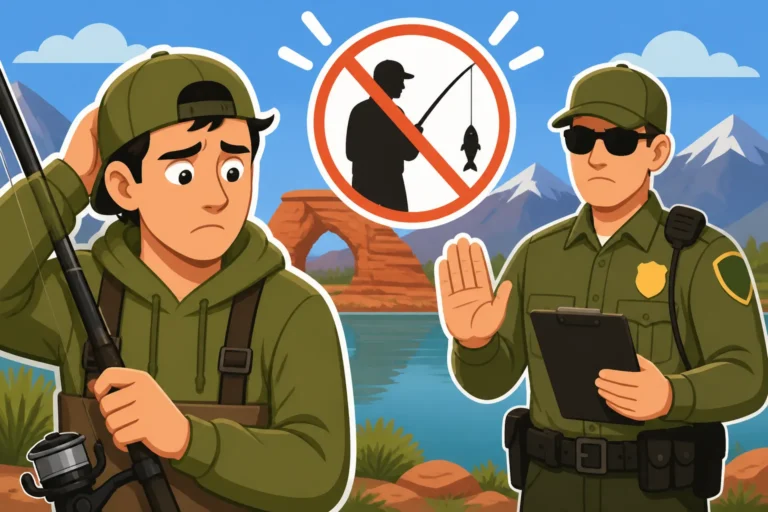
This is the absolute, undeniable truth: Yes, catch limits and all other fishing regulations still apply on Utah's Free Fishing Day. The "free" aspect only pertains to the requirement of a fishing license. Every other rule, from daily bag limits to size restrictions, tackle restrictions, bait restrictions, and water-specific regulations, remains fully in effect.
It's easy to get confused. The idea of a "free" day can make it feel like all bets are off, but that's simply not the case. The DWR isn't giving anglers a free-for-all; they're merely waiving the license fee as an invitation to experience the sport. Imagine the chaos and the potential harm to our fisheries if everyone could keep unlimited fish for an entire day! It would undermine all the careful conservation efforts that the DWR and licensed anglers support year-round. So, while you won't need to present a license to a wildlife officer, you will absolutely be expected to know and follow all other rules. Getting caught with too many fish, or fish of an illegal size, can still result in citations and fines, even on Free Fishing Day. For more details on what could happen if you don't follow the rules, check out Utah Fishing License Penalties for Violations.
Common Mistakes and How to Avoid Them
The biggest mistake anglers make on Free Fishing Day is assuming that because they don't need a license, they don't need to read the rulebook. This couldn't be further from the truth. Here's how to avoid common pitfalls:
- Not Checking the Current Guidebook: This is paramount. The DWR publishes a new fishing guidebook every year, and rules can change. Don't rely on what you remember from last year or what your buddy told you. Always consult the most recent official Utah Fishing Guidebook, available online on the DWR website or in print at most sporting goods stores like those found at your local Amazon affiliate retailer.
- Generalizing Rules: Don't assume that a catch limit for trout in one reservoir applies to all reservoirs, or all rivers. Many waters have specific, nuanced rules. For instance, Utah Trout Limits by Water explains how daily limits can vary drastically from one body of water to another, even for the same species. Strawberry Reservoir, for example, has very specific rules that differ from, say, Deer Creek Reservoir.
- Forgetting About Water-Specific Restrictions: Beyond catch limits, some waters might be "fly-fishing-only," "catch-and-release-only," or have specific bait restrictions. These are all still in force.
To help visualize some common variations in limits, here's a simplified table, but always consult the official DWR guide for the specific water you plan to fish:
| Species / Water Type | General Statewide Limit (Example) | Specific Water Example (Hypothetical) |
|---|---|---|
| Trout (general reservoirs) | 4 total (e.g., rainbow, cutthroat) | Strawberry Reservoir: 4 trout, only 2 over 15" |
| Bass (Smallmouth/Largemouth) | 6 total | Flaming Gorge: 15 smallmouth bass, none over 12" |
| Walleye | 10 total | Utah Lake: 10 walleye, only 1 over 24" |
| Northern Pike | Mandatory harvest, no limit | Utah Lake: Kill all northern pike caught |
| Kokanee Salmon (during spawn) | 4 total | Many waters: Special closures or snagging rules apply seasonally |
By taking a few minutes to review the regulations for your chosen fishing spot, you'll ensure a stress-free and legal day on the water.
Navigating Specific Regulations on Free Fishing Day
Understanding that all rules apply is just the first step. Now, let's explore how those rules manifest for different species and different waters, which can often be the trickiest part for anglers.
Species-Specific Bag Limits
The DWR tailors bag limits to the specific biology and population health of each fish species. What applies to trout won't necessarily apply to bass or walleye, and vice-versa.
For trout, which are widely stocked and popular in Utah, the general statewide limit is often four fish. However, as mentioned, this can vary significantly. For instance, premier fisheries like Strawberry Reservoir or Fish Lake will have very specific rules designed to protect their unique and often larger trout populations. You might be limited to a certain number of cutthroat trout, or only a specific number of fish over a certain length. It's vital to know these nuances before you keep any fish.
When it comes to bass (both largemouth and smallmouth), the statewide limit is often six, but again, local regulations can override this. Waters with thriving or overpopulated bass might have more liberal limits, while those trying to grow trophy bass might have stricter slot limits or size minimums. For detailed rules regarding bass, you can find specific information on Utah Bass Fishing Regulations.
Walleye and other predatory species also have their own set of rules. For example, Utah Walleye Harvest Rules outlines specific limits and sometimes even size requirements for these highly sought-after game fish. Always remember that the goal isn't just to catch a lot of fish; it's to catch the right amount of the right fish, in line with conservation goals.
Water-Specific Rules and Exceptions
Beyond species-specific limits, many of Utah's unique and diverse fishing waters come with their own set of special regulations. These rules are put in place to protect sensitive ecosystems, manage specific fish populations, or enhance certain types of fishing experiences.
- Catch-and-Release Waters: Some stretches of rivers, especially renowned fly-fishing destinations like sections of the Provo River or the Green River below Flaming Gorge, are designated as "catch-and-release only." This means that all fish caught must be immediately and carefully released back into the water. Keeping even a single fish from these waters, even on Free Fishing Day, is a serious violation. You can explore a list of these areas by checking Utah Catch-and-Release Waters.
- Fly-Fishing-Only Waters: Similar to catch-and-release, certain waters might restrict tackle to fly-fishing gear only. This prevents the use of bait or conventional spinning lures, offering a specific type of angling experience and often protecting sensitive fish populations.
- Mandatory Harvest Rules: On the flip side, some waters have rules requiring anglers to keep certain invasive species, with no possession limit. A prime example is Northern Pike in Utah Lake. The DWR explicitly states that all Northern Pike caught in Utah Lake must be immediately killed and not returned to the water, as they are a highly detrimental invasive species. This regulation remains fully in effect on Free Fishing Day, and it's something every angler needs to be aware of. For more on this critical rule, refer to Why Does Utah Lake Require You to Kill Every Northern Pike?.
These water-specific rules highlight the importance of not making assumptions. Always check the DWR guidebook for the specific lake, reservoir, or river you plan to visit. A quick look can save you a lot of hassle and potential fines.
Essential Preparations for Free Fishing Day
So, now that we know limits and rules absolutely apply, how do we make sure we're prepared for a fantastic, rule-abiding Free Fishing Day? It's all about proactive planning!
Researching Regulations Ahead of Time
The best defense against accidental violations is a good offense: research. Before you even think about packing your cooler or tying on a lure, sit down and read the current Utah Fishing Guidebook.
- Access the DWR Guidebook: The Utah DWR makes its fishing guidebook readily available online as a PDF. You can download it to your phone, tablet, or laptop, ensuring you have it accessible even if you lose signal at the lake. Many sporting goods stores and DWR offices also offer free physical copies. Take the time to bookmark the pages for the specific waters you intend to fish.
- Focus on Your Target Waters: While it's great to skim the whole book, hone in on the sections relevant to your chosen destination. Look for:
- Species-specific bag and possession limits.
- Any size restrictions (minimum or maximum length).
- Tackle or bait restrictions (e.g., "artificial flies and lures only," "no live baitfish").
- Special closures or seasonal restrictions (e.g., spawning closures).
- Print Key Pages: If you're heading somewhere remote with no cell service, consider printing out the relevant pages for your fishing location. A small laminated copy in your tackle box can be a lifesaver for quick reference.
A little preparation goes a long way in making your Free Fishing Day relaxing and enjoyable, free from the worry of inadvertently breaking a rule.
Gear and Tools for Compliance
Beyond your rod and reel, having the right ancillary gear can significantly help you stay compliant with regulations, especially catch limits and size restrictions.
- Measuring Device: A flexible tape measure or a rigid bump board is an absolute must-have. Don't eyeball fish size! Even experienced anglers can misjudge a fish by an inch or two, and that could be the difference between a legal keeper and a violation. Many tackle boxes come with integrated rulers, or you can pick up an inexpensive one from a sporting goods store or even easily find one on Amazon.
- Appropriate Cooler/Stringer: If you plan to keep fish, make sure you have a cooler with ice or a stringer that will keep your catch fresh and accounted for. This helps maintain the quality of the fish for eating and also prevents you from mistakenly exceeding your possession limit by mixing your catch with someone else's, for example.
- De-hooking Tools and Barbless Hooks: For fish you intend to release, especially in catch-and-release waters, having tools like long-nosed pliers, forceps, or a specialized de-hooker is crucial. These allow for quick and safe removal of hooks, minimizing stress and injury to the fish. Switching to barbless hooks (or crimping down barbs on your existing hooks) also makes releasing fish much easier and less harmful. This is a key part of responsible angling, as detailed in resources like How to Release a Fish Without Hurting It in Utah. Investing in quality gear for both catching and releasing, often available from reputable brands via Amazon, contributes to a better fishing experience for you and the fish. For a broader look at essential items, consider checking out a Utah Fishing Gear Guide.
Beyond the Limits: Responsible Angling Practices
While adherence to catch limits and other regulations is non-negotiable, a truly rewarding Free Fishing Day, or any fishing day, also involves embracing a broader ethic of responsible angling.
Practicing Catch and Release Ethically
For those fish you catch but don't intend to keep, or those that fall under catch-and-release regulations, knowing how to handle them properly is vital. A fish that swims away healthy will live to fight another day, contributing to the fishery's future.
- Minimize Handling: The less you handle a fish, the better. Try to keep it in the water as much as possible. If you must bring it out for a quick photo, do so gently and quickly, ensuring your hands are wet to protect the fish's slime coat.
- Use Proper Tools: As mentioned, forceps or pliers are invaluable for quick hook removal. If the hook is deep, consider cutting the line as close to the hook as possible rather than tearing at the fish's delicate tissues.
- Support the Fish: When releasing, gently hold the fish in the water, supporting its belly, until it regains its strength and swims away on its own. Don't just toss it back in. This is especially important for larger fish or those caught after a long fight.
These practices ensure that even though you might not keep the fish, your interaction doesn't inadvertently lead to its demise.
Respecting the Environment and Other Anglers
Fishing is a privilege, and with that comes the responsibility to respect the natural environment and fellow outdoor enthusiasts.
- Leave No Trace: Pack out everything you pack in. This includes all trash, fishing line scraps, and bait containers. Don't leave discarded items like old PowerBait containers or plastic packaging by the shore. The goal is to leave the fishing spot cleaner than you found it.
- Be Mindful of Others: Free Fishing Day can be busy. Be courteous to other anglers by maintaining a reasonable distance and not casting over their lines. Share prime fishing spots or move on if an area is too crowded. Remember, everyone is out there to enjoy nature.
- Protect Against Aquatic Invasive Species (AIS): Even on Free Fishing Day, the threat of AIS like Quagga and Zebra mussels is constant. If you're fishing from a boat, remember the "Clean, Drain, Dry" protocol is mandatory to prevent the spread of these harmful invaders. This not only protects Utah's waters but also prevents the need for costly decontaminations later on. For any boating questions, you might find answers in Utah Boating and Fishing Rules.
By following these responsible angling practices, you're not just adhering to rules; you're contributing to a positive fishing culture and ensuring that Utah's waters remain pristine and productive for generations to come.
Disclaimer
The information provided in this guide is for general informational purposes only and is subject to change. Always consult the official Utah Division of Wildlife Resources (DWR) fishing guidebook or website for the most current and specific regulations before engaging in any fishing activities. Compliance with all applicable laws and regulations is the sole responsibility of the angler.