Utah Fishing License Rules for Foster Children
It can feel like a maze trying to figure out all the rules and regulations when you're just trying to take kids fishing, especially when you're caring for foster children. The last thing any foster parent or guardian wants is to get caught up in confusion about fishing licenses. This guide is here to untangle the specifics of Utah's fishing license requirements for foster children, ensuring you can focus on making cherished memories on the water rather than stressing over paperwork.
Understanding Utah's General Youth Fishing License Exemptions
Before diving into the specific provisions for foster children, it’s really helpful to understand the baseline for all young anglers in Utah. The Utah Division of Wildlife Resources (DWR) has a clear framework for youth fishing licenses, which provides a foundation for the foster child exemptions. Knowing these general rules first will make the foster-specific details even clearer and help you navigate any situation that might arise. It’s all about encouraging kids to get outdoors and experience the joy of fishing, and Utah’s rules generally aim to make that accessible.
The "Under 12" Universal Free Pass
Here's some fantastic news right off the bat: any child under the age of 12 does not need a fishing license to fish in Utah. This is a universal rule that applies to every child, whether they are your biological child, a grandchild, a neighbor, or a foster child. This exemption is in place to remove any barriers for young kids to pick up a rod and reel and give fishing a try. Imagine planning a trip to a local community pond; if your foster child is 10 years old, you absolutely do not need to worry about purchasing a license for them.
This age-based exemption is a huge win for families and caregivers looking to introduce the sport of fishing. It simplifies planning immensely, allowing you to focus on packing snacks, choosing a good spot, and teaching them how to cast. When you're thinking about a family outing, whether it's a quick trip to the Best Community Ponds for Kids to Fish in Salt Lake City or a more ambitious adventure, remember this golden rule. It’s designed to make those first fishing experiences as carefree and enjoyable as possible, fostering a love for the outdoors from an early age.
Age Requirements for Older Children
Once a child turns 12, the general rules for fishing licenses in Utah begin to apply. For children aged 12 and 13, Utah offers a "Youth Combo" license, which is a combined fishing and hunting license that is very affordably priced. This license covers both activities for the calendar year. As children get a bit older, specifically between the ages of 14 and 17, they are then required to purchase a "Youth Annual Fishing License" or a "Youth Combo" license. These licenses are also priced significantly lower than adult licenses, reflecting a continued effort to make fishing accessible for teenagers.
It's this age bracket – 12 to 17 years old – where the specific provisions for foster children become particularly relevant and can offer significant relief to foster families. Without these special exemptions, a foster parent would typically need to purchase one of these youth licenses for each foster child in this age group, which, while affordable, can still add up, especially for families fostering multiple children. Knowing the standard Utah Youth Fishing License Rules is essential context for appreciating the specific benefits extended to foster families.
Specific License Exemptions for Utah Foster Children Ages 12-17
This is where Utah really steps up to support foster families. Recognizing the unique circumstances and the incredible service foster parents provide, the state has made specific provisions to ensure foster children aged 12 through 17 can also enjoy fishing without the added financial burden of a license. This thoughtful approach helps foster families create normal, enriching experiences for the children in their care, encouraging them to get out and explore Utah's beautiful waters.
Who Qualifies as a Foster Child for Fishing License Purposes
For the purposes of a fishing license exemption, a "foster child" in Utah is generally understood to be a child who is currently placed in foster care under the supervision of the Utah Division of Child and Family Services (DCFS) or an equivalent agency. This includes children living in state-licensed foster homes, group homes, or other residential facilities that provide foster care services. The intent behind these exemptions is simple: to ensure that kids who are already navigating challenging circumstances aren't prevented from participating in wholesome outdoor activities due to administrative hurdles or costs.
It's not just a blanket "anyone in foster care" rule; it specifically applies to those individuals who are officially recognized and documented as being in the foster care system. The DWR works in conjunction with DCFS to understand these definitions. Essentially, if a child is legally in the custody of the state and placed with a foster family or in a foster care facility, they typically qualify for these exemptions. This means that if you are a foster parent, the state recognizes the value of providing these children with opportunities to fish and connect with nature, just like any other child. This aligns perfectly with the DWR's broader goal to promote outdoor recreation across all demographics.
Required Documentation and How to Carry It
While foster children aged 12-17 don't need to purchase a license, it's absolutely crucial for their foster parent or guardian to carry proof of the child's foster status when fishing. Think of it like this: if a conservation officer were to ask, you need to be able to demonstrate that the child falls under this specific exemption. This isn't about distrust; it's about ensuring fair play and proper adherence to regulations. The most common and accepted form of documentation is an official letter or document from the Utah Division of Child and Family Services (DCFS) that verifies the child's placement in foster care.
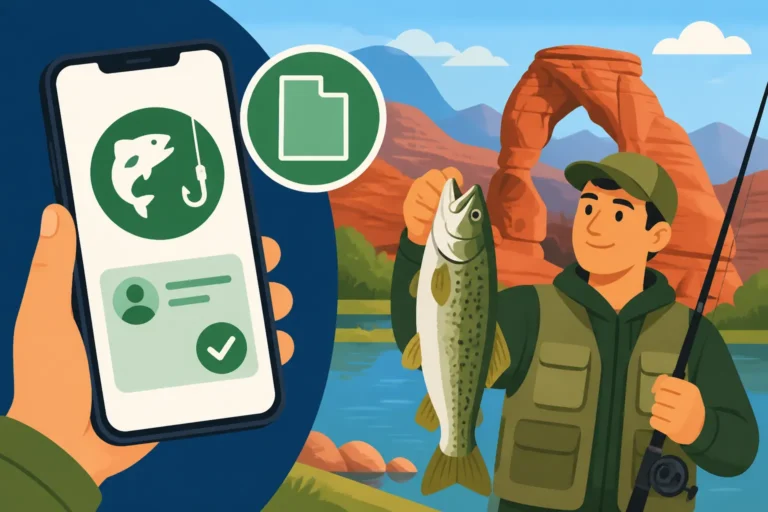
This documentation should clearly state the child's name and acknowledge their status. It's wise to have this in an easily accessible format. Many foster parents keep a physical copy laminated in their tackle box or a digital copy readily available on their smartphone. Just make sure your phone is charged! A clear, official document is often preferred over a caseworker's business card alone, as it provides verifiable proof. Having this documentation prepared means you can enjoy your fishing trip without any unnecessary stress or potential delays if approached by law enforcement. It's a small step that makes a big difference in ensuring a smooth and enjoyable day on the water, allowing you to quickly confirm eligibility for Utah Fishing License Exemptions and Discounts.
Planning a Stress-Free Fishing Trip with Foster Children
Taking kids fishing, especially foster children, is a truly rewarding experience. It offers a chance for connection, learning, and making happy memories. To ensure these outings are as enjoyable and stress-free as possible, a little preparation goes a long way. Beyond understanding the license rules, thinking about gear, location, and basic etiquette can transform a good fishing trip into a truly memorable one for everyone involved.
Gathering Essential Gear on a Budget
Outfitting several kids with fishing gear can quickly become expensive, but it doesn't have to be. For foster families, being resourceful is key. You certainly don't need top-of-the-line equipment for a successful day of fishing, especially for beginners. Simple spin-casting rods and reels are often the easiest for kids to learn on. Look for beginner combos that come pre-spooled with line. You can often find surprisingly good value on starter rod and reel combos, basic tackle boxes, and even multi-packs of hooks and sinkers on Amazon, making it easy to outfit a few kids without breaking the bank. Don't forget essentials like bobbers, a few different sizes of hooks, and some basic bait like worms or PowerBait, which are usually available at any local sporting goods store or even major retailers.
Beyond new purchases, consider borrowing gear from friends or family who fish. Many community organizations and even some local DWR offices offer loaner tackle programs. Secondhand stores, yard sales, and online marketplaces can also be treasure troves for gently used fishing equipment. The goal is to get functional gear into their hands without creating a financial burden. Remember to also pack a small cooler for drinks and snacks, a first-aid kit, and plenty of sunscreen. These small considerations contribute to a comfortable and positive experience, which is paramount when introducing fishing to foster children.
Choosing Family-Friendly Fishing Locations
Picking the right fishing spot is paramount when fishing with children, especially foster children who might be new to the activity. You want a place that offers easy access, safe surroundings, and a good chance of catching fish to keep their interest piqued. Community ponds and urban fisheries are often ideal because they are typically well-stocked by the DWR, meaning a higher likelihood of bites. These locations frequently have amenities like paved paths, restrooms, and even fishing piers, making them accessible for all ages and abilities. The Best Fishing Spots for Kids in Utah often include these types of waters.
Larger reservoirs like Deer Creek Reservoir or Jordanelle Reservoir also have easily accessible shorelines or designated fishing areas that can be great options, especially if you're looking for a slightly more expansive experience. Before you go, a quick check on the DWR's fishing reports can give you current conditions and recent stocking information, helping you choose a productive spot. The less challenging the environment, the more comfortable and engaged the foster children will be. Look for calm waters, minimal snags, and plenty of space to cast without tangling lines. Success, even small success, can be incredibly motivating and foster a lifelong love for the sport.
Teaching Fishing Ethics and Safety
Beyond the thrill of the catch, a fishing trip is a fantastic opportunity to teach important life lessons about respecting nature, patience, and safety. Before even heading out, have a chat about basic water safety, like staying away from slippery banks and always fishing with a buddy. If you're on a boat, ensure everyone knows the Utah Boating and Fishing Rules and wears a life jacket. It's important to set clear expectations about handling fish gently, especially if you plan on practicing catch and release. Showing them How to Release a Fish Without Hurting It in Utah is a valuable skill.
Discussing regulations like daily bag limits and prohibited species is also crucial for responsible angling. Even if they don't have a license, foster children should learn these rules as part of the fishing experience. You can turn it into a fun learning exercise, identifying different fish species using a simple field guide found on Amazon or even a DWR app. Teaching them to pack out all trash and leave the fishing spot cleaner than they found it instills a sense of environmental stewardship. These lessons go far beyond just catching fish; they help foster children develop respect for the environment and an understanding of responsible outdoor recreation.
Navigating Common Questions and Unexpected Situations
Even with the best preparation, questions or unexpected scenarios can arise. Knowing who to turn to for clarification and how to handle interactions with conservation officers can prevent a potentially stressful situation from ruining a fun outing. Empowering yourself with this knowledge is just another way to ensure that fishing remains a positive and enriching experience for the foster children in your care.
When to Contact the Utah Division of Wildlife Resources (DWR)
If you ever find yourself uncertain about the specific qualifications for a foster child exemption, or if a particular situation seems unique, the absolute best course of action is to contact the Utah Division of Wildlife Resources directly. They are the experts on Utah Fishing Regulations Explained and are there to help anglers understand the rules. You might have questions about a foster child temporarily staying with you, or perhaps you're planning a trip to a body of water with special regulations, and you want to be sure the exemption still applies.
Don't hesitate to give their regional offices a call or send an email. Their contact information is readily available on their official website. Having a direct answer from the DWR can provide immense peace of mind. It’s always better to clarify beforehand than to face a potential issue on the water. They can provide precise guidance based on the most current regulations and your specific circumstances, ensuring you adhere to all requirements, whether you're inquiring about specific Utah Fishing License Age Requirements or foster child specifics.
Addressing Misunderstandings with Law Enforcement
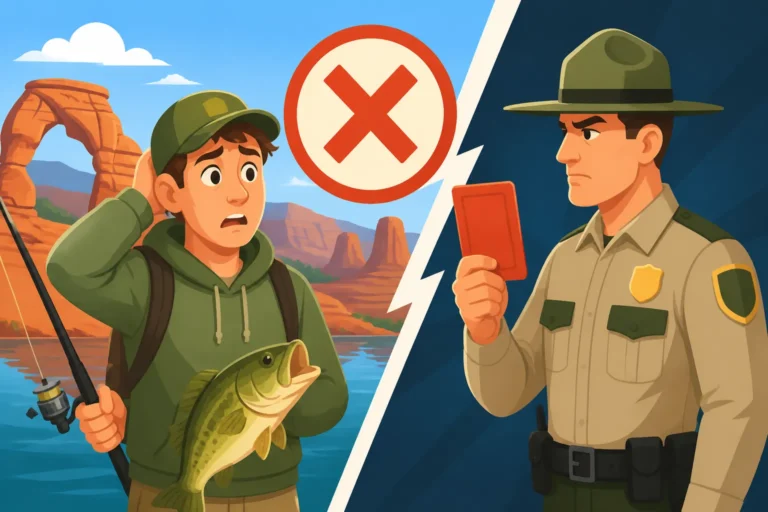
While conservation officers are generally understanding and supportive of families introducing children to fishing, they also have a job to do in enforcing regulations. If you are approached by an officer and questioned about a foster child's license, the key is to remain calm, courteous, and cooperative. Clearly explain that the child is a foster child and that you understand they are exempt under Utah law. This is where having that official documentation from DCFS readily available becomes invaluable.
Present the documentation promptly and clearly. Most officers are familiar with these exemptions, but having the proof eliminates any doubt. Avoid being defensive or confrontational, as this can escalate a simple inquiry. If, for some reason, the officer is unfamiliar with the specific foster child exemption, calmly and respectfully point to the relevant section of the regulations if you happen to have a copy (or mention you can look it up on the DWR website). In almost all cases, a respectful exchange and clear documentation will quickly resolve any misunderstanding, allowing you and the foster children to get back to enjoying your fishing trip.
Utah Youth Fishing License Requirements Overview
Here's a quick look at the general fishing license requirements for youth in Utah, contrasting typical youth with foster children, to help you visualize the exemptions:
| Age Group | General Youth License Requirement | Foster Child License Requirement (Ages 12-17) | Proof Required for Foster Children |
|---|---|---|---|
| Under 12 | No license required | No license required | None (universal exemption) |
| 12-13 years old | Youth Combo License (Hunting/Fishing) | No license required | Official DCFS documentation |
| 14-17 years old | Youth Annual Fishing License or Youth Combo License | No license required | Official DCFS documentation |
| 18+ years old | Adult Annual Fishing License | Adult Annual Fishing License | N/A (adult rules apply) |
This table highlights the significant relief provided to foster families for children aged 12 through 17, demonstrating Utah's commitment to supporting these vital families and the children in their care.
Disclaimer
The information provided in this guide is intended for informational purposes only and serves as a general overview of Utah's fishing license rules for foster children. While we strive for accuracy and up-to-date information, fishing regulations can change. It is always recommended to consult the official Utah Division of Wildlife Resources (DWR) website or contact a DWR office directly for the most current and specific regulations that apply to your situation before engaging in any fishing activities. This guide does not constitute legal advice.