Strawberry Bay Boat Ramp Fishing Access
Many anglers understand the unique challenge of navigating popular fishing destinations, especially when it comes to boat access. It's frustrating to plan a perfect day on the water, only to be met with confusion at the ramp, unexpected crowds, or inadequate facilities. This comprehensive guide is designed to cut through that clutter, offering a detailed look at the Strawberry Bay Boat Ramp, a vital gateway to the legendary Strawberry Reservoir, ensuring your launch and fishing experience are as seamless and productive as possible.
Getting to Know Strawberry Bay Boat Ramp
Strawberry Reservoir is arguably one of Utah's most iconic fishing destinations, renowned for its trophy trout and healthy kokanee salmon populations. Among its various access points, the Strawberry Bay Boat Ramp stands out as a central and well-equipped facility, serving as a primary launch for countless anglers. Understanding its layout and amenities is the first step to a successful outing.
Location and General Overview
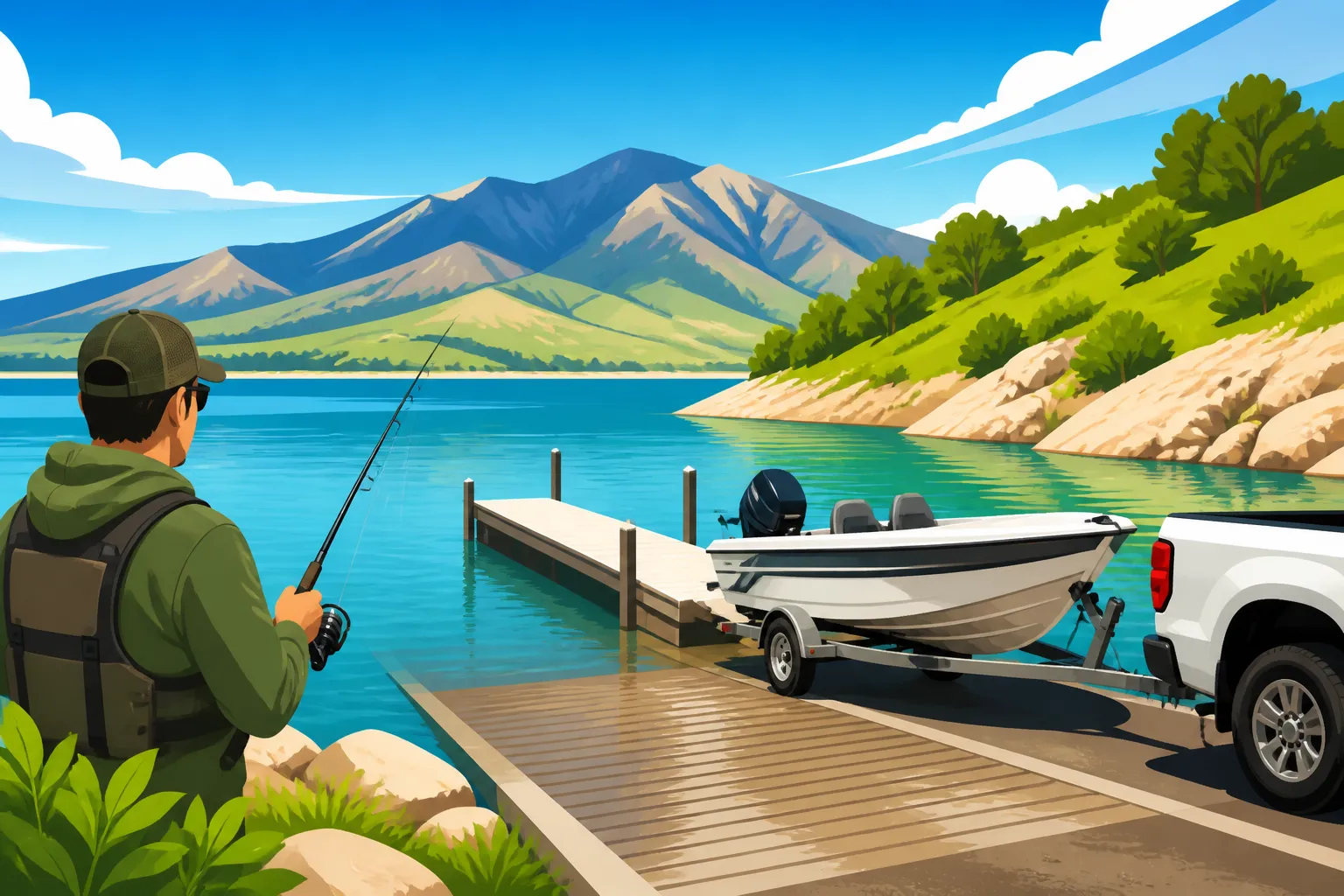
Nestled on the western shore of the massive Strawberry Reservoir, Strawberry Bay offers a relatively straightforward approach for anglers coming from the Wasatch Front. It's easily accessible via US-40, making it a popular choice for day trips or longer stays. The bay itself is a large, protected area, often calmer than the main body of the reservoir, which can be a huge relief on windy days. The ramp infrastructure is robust, designed to handle a significant volume of traffic, especially during peak seasons. You'll find multiple lanes for launching and retrieving, which helps distribute the flow of boats and minimizes waiting times compared to smaller, less developed ramps. This area is truly the heart of the reservoir's recreational activity for many visitors.
Moreover, the geographical features of Strawberry Bay provide natural advantages. Its relatively shallow contours near the shore eventually give way to deeper channels and structures, making it a prime location for various fishing techniques right from the get-go. This varied underwater landscape means you don't always have to make a long run to find fish, offering immediate opportunities close to the launch. For newcomers to the reservoir, starting at a well-marked and maintained access point like Strawberry Bay can significantly reduce the initial stress and allow more time for actual fishing. It's a great spot to begin your exploration of this fantastic fishery, offering a comfortable blend of convenience and immediate angling potential.
Available Facilities and Services
Strawberry Bay isn't just a ramp; it's a full-service hub designed to support a complete fishing experience. The facilities here are quite extensive, a testament to its popularity and importance to the angling community. You'll find modern restroom facilities, which are always a welcome sight after a long drive. There are also designated parking areas, both for vehicles with trailers and for those without, though these can fill up quickly on busy weekends. The convenience extends to picnic areas, allowing families or groups to enjoy a meal after a morning on the water. For those planning an extended stay, there are also camping sites nearby, which we'll touch on later.
Beyond the basic amenities, Strawberry Bay offers critical services for boaters. This includes a well-maintained fish cleaning station, complete with running water, which is incredibly useful for processing your catch before heading home. There's also usually a small store or concession stand operating during the peak season, where you can grab last-minute bait, tackle, snacks, or even fill up on fuel if you're running low. Importantly, this is one of the key locations for Utah Aquatic Invasive Species Inspection Stations, which are mandatory for all watercraft entering or exiting the reservoir. These comprehensive facilities truly make Strawberry Bay a one-stop shop for everything you need for a successful day or weekend of fishing, minimizing the need to travel elsewhere for supplies.
Why it's a Premier Access Point
The appeal of Strawberry Bay as a premier access point stems from a combination of factors that cater to a wide range of anglers. First and foremost, its accessibility from major population centers makes it an easy day trip for many, reducing travel time and maximizing fishing time. Secondly, the sheer size and quality of the boat ramp itself — with multiple lanes and ample maneuvering space — mean that even during high-traffic times, the process of launching and retrieving your boat is generally more efficient than at smaller, single-lane ramps. This efficiency is a huge plus, particularly on sunny summer mornings when everyone is eager to get on the water.
Furthermore, the immediate proximity to excellent fishing grounds adds significantly to its appeal. Within minutes of launching, anglers can be trolling for kokanee salmon or casting for trout in promising depths and structures. The protected nature of the bay often provides calmer waters for smaller boats, or for anglers just getting their sea legs, before venturing into the more open areas of the reservoir. For those seeking guided experiences, many local fishing guides, found through services like FishingBooker, often use Strawberry Bay as their primary meeting point due to its amenities and ease of access. This makes it a natural choice for both seasoned veterans and those just learning Utah Fishing Techniques for Beginners. Its blend of convenience, comprehensive services, and direct access to prime fishing territory solidifies its status as a top-tier launch point on Strawberry Reservoir.
Navigating the Boat Launch Experience
Launching a boat can sometimes be a stressful affair, especially at popular ramps where impatient anglers might be waiting. However, with a little preparation and understanding of the layout, the Strawberry Bay Boat Ramp can be a smooth experience. Knowing the procedures and expectations will make your day start off right.
Launch and Retrieve Strategies
Successful boat launching and retrieval at Strawberry Bay, especially during peak hours, hinges on efficiency and courtesy. When arriving, ensure your boat is fully prepped before you back down the ramp. This means having your drain plug in, gear stowed, and tie-downs removed. Don't wait until you're at the water's edge to get things ready, as this creates unnecessary delays for others. Utilize the staging areas provided to do your final checks. When it's your turn, back down smoothly, launch your boat, and then immediately move it away from the ramp so the next person can go. Your partner can then drive the trailer to the parking area.
For retrieval, the process is reversed but equally important to manage efficiently. Ideally, have your trailer ready and waiting in the designated staging area. Once your boat is at the ramp, quickly load it onto the trailer, secure the bow, and pull forward to one of the designated "prep lanes" or a less congested area of the parking lot. This allows other boats to use the ramp without waiting for you to tie down everything, hook up lights, and empty your coolers. Following these simple steps, and always maintaining awareness of other boaters, contributes to a positive experience for everyone at this bustling access point, which is crucial given the popularity of Strawberry Reservoir Fishing Guide.
Parking and Congestion Management
Parking at Strawberry Bay can be a tight squeeze, especially on weekends, holidays, and during the prime fishing seasons. The facility provides ample parking, but the sheer volume of visitors often pushes its capacity. The key to managing this is to arrive early, particularly if you're targeting a specific bite or heading out on a busy Saturday. Early birds not only get the best parking spots but also avoid the longest lines at the launch. Remember that parking areas are typically separated for vehicles with trailers and those without, so pay attention to the signage to avoid tickets or towing.
If you find the main lot full, don't despair immediately. Sometimes, overflow parking is available, or you might need to park a bit further away and walk. Always ensure your vehicle and trailer are parked legally and not obstructing other vehicles or access routes. On extremely busy days, patience is your best friend. Understand that everyone is there to enjoy the reservoir, and a calm demeanor goes a long way. Consider visiting on weekdays if your schedule allows, as congestion is significantly lighter. This thoughtful approach to parking and navigating crowds ensures a smoother start and end to your fishing adventure, leaving you more time to focus on landing that trophy trout.
Aquatic Invasive Species Inspections
A critical component of launching any watercraft at Strawberry Bay, and indeed any major Utah reservoir, is the mandatory Aquatic Invasive Species (AIS) inspection. Utah takes the threat of invasive species like quagga and zebra mussels very seriously, and for good reason—they can devastate native ecosystems and water infrastructure. When you arrive at Strawberry Bay with your boat, you'll be directed to an inspection station. It's not just a suggestion; it's a legal requirement, and bypassing an inspection can lead to significant fines.
During the inspection, certified technicians will examine your boat, motor, trailer, and any other equipment that has come into contact with water. They're looking for any signs of invasive species, and they'll ensure your boat is "Clean, Drained, and Dry." "Clean" means free of any mud, plants, or debris. "Drained" means all water is out of the bilge, live wells, and engine. "Dry" means the boat has been allowed to dry completely before launching in a new body of water. Depending on where your boat was last used, you may be required to undergo a full decontamination, which involves hot water pressure washing. Being prepared for this process, with your boat as clean and dry as possible beforehand, will expedite your inspection and get you on the water faster. For more detailed information, make sure to check out the Utah Aquatic Invasive Species Rules for Anglers.
Fishing Opportunities from Strawberry Bay
Strawberry Bay isn't just an access point; it's a gateway to some of the reservoir's most productive fishing grounds. The immediate area around the ramp offers diverse habitats, from shallow flats to deeper drop-offs, providing opportunities for various species and fishing techniques. Knowing where to go and what to use can significantly increase your chances of success.
Target Species and Nearby Hotspots
From the Strawberry Bay boat ramp, anglers have excellent access to some of Strawberry Reservoir's most sought-after fish. The primary targets are the robust Rainbow Trout, the hard-fighting Cutthroat Trout (especially the native Bear Lake strain), and the delicious Kokanee Salmon. These species thrive in Strawberry's cold, nutrient-rich waters. Immediately outside the bay, the main channel and various points and humps offer prime habitat. For trout, look for structure like submerged ledges, rock piles, and points that extend into deeper water, often found just a short boat ride from the launch. These areas provide cover and ambush points for predatory trout.
Kokanee salmon, while sometimes found closer to the surface, typically prefer deeper, cooler water. Trolling with downriggers or lead core line is a popular method to reach them in the open water areas beyond the bay. Specific hotspots often shift with water temperature and forage availability, but generally, the main reservoir basin accessible from Strawberry Bay consistently holds fish. Local guides, many of whom can be found via platforms like FishingBooker, often have up-to-the-minute information on where the fish are biting and which specific areas are most productive for particular species, making them invaluable resources for anglers seeking to maximize their catch. Don't forget to keep an eye on the Strawberry Reservoir Trout and Kokanee Limit to ensure compliance with regulations.
Best Techniques for the Bay Area
The diverse habitat around Strawberry Bay lends itself to a variety of effective fishing techniques. For those targeting trout from a boat, trolling is a highly productive method. Using small spoons, pop gear, or wedding rings tipped with a piece of worm behind a dodger or flasher can entice both rainbow and cutthroat trout. Vary your depths until you find where the fish are holding. Many anglers find success trolling between 10-30 feet, especially in the mornings and evenings. For kokanee, narrower spoons like Rocky Mountain Tackle or Paulina Peak are often key, again fished behind a dodger, with colors changing based on water clarity and light conditions.
If you prefer still fishing, anchoring in promising spots just outside the main boat traffic lanes and using bait can be very effective. PowerBait, nightcrawlers, or even corn are popular choices for trout, fished off the bottom with a small weight or suspended under a bobber. For fly anglers, stripping streamers or indicator nymphing around submerged vegetation or rocky points can yield excellent results, especially early and late in the day. The bay itself, being shallower, can be productive for casting lures or flies from shore, particularly during cooler times of the year or after a fresh stocking. Knowing How to Troll for Kokanee in Utah or How to Rig a Jig for Utah Trout will greatly enhance your success.
Shore Fishing Options
While Strawberry Bay is primarily a boat launch, it also provides some accessible shore fishing opportunities, particularly for those who prefer to keep their feet on solid ground or who don't own a boat. The perimeter of the bay, especially near the picnic areas and less developed sections, can offer good casting access. These areas are often stocked with rainbow trout, making them ideal for casual anglers and families. The key for shore anglers is often to fish during periods of less boat traffic, such as early mornings, late evenings, or during weekdays, to avoid casting interference and find calmer waters.
Popular baits for shore fishing include PowerBait, worms, or small marshmallows, typically fished on a slip sinker rig or under a bobber. Small spinners and spoons cast from shore can also be very effective, especially for more active trout. The depth accessible from shore can vary, but generally, targeting drop-offs or areas where submerged structure is within casting distance will increase your chances. Remember that shoreline fishing might require a bit more patience, but the rewards of catching a beautiful Strawberry trout from shore are just as sweet. It's a fantastic option for a relaxed fishing outing, and with the right approach, you can still experience the thrill of this renowned fishery without ever needing to launch a boat.
Strawberry Bay Compared to Other Reservoir Access Points
Strawberry Reservoir is vast, offering multiple access points, each with its own characteristics and advantages. While Strawberry Bay is a fantastic hub, understanding how it compares to other popular launches like Soldier Creek or Renegade (Haws Point) can help you choose the best starting point for your particular fishing trip.
Strawberry Bay vs Soldier Creek Access
When discussing primary access points at Strawberry Reservoir, Strawberry Bay vs Soldier Creek Access at Strawberry Reservoir is a frequent comparison. Strawberry Bay, as we've explored, is located on the western side of the reservoir, offering direct access from US-40 and a full suite of amenities including multiple launch lanes, ample parking, and full-service facilities. It's often the busiest due to its convenience and extensive infrastructure. The immediate fishing areas from Strawberry Bay can be diverse, with both shallow and deep-water options nearby, and it's well-suited for general trolling and bait fishing right from the start.
Soldier Creek, on the other hand, is located on the eastern side of the reservoir. While also a substantial access point, it tends to be slightly less congested than Strawberry Bay, especially during peak times. Soldier Creek also features multiple launch lanes, camping facilities, and an AIS inspection station, but its overall layout might feel a bit more spread out. Fishing-wise, Soldier Creek often provides quicker access to some of the reservoir's deeper and more expansive open water areas, which can be advantageous for anglers specifically targeting kokanee salmon or deeper-holding lake trout (splake). The journey to Soldier Creek might be a little longer for those coming from the Salt Lake Valley, but it offers a slightly different perspective and potentially less crowded fishing grounds immediately off the ramp. Both are excellent choices, but your specific destination on the reservoir or your preference for amenities might sway your decision.
Strawberry Bay vs Renegade (Haws Point) Access
Beyond the two major hubs, other access points like Renegade (also known as Haws Point) offer different experiences. Renegade is a smaller, often less developed access point compared to Strawberry Bay. It's typically found on the northern arm of the reservoir, offering a more rustic and less crowded experience. The ramp here might be less robust, sometimes a single lane, and parking could be more limited. This makes it a less ideal choice for large boats or during peak seasons if you value convenience and speed.
However, Renegade's charm lies in its quieter atmosphere and proximity to specific fishing zones. Anglers who prefer to get away from the main crowds often favor it. The fishing opportunities from Renegade can be excellent for targeting trout in the northern sections of the reservoir, which might involve a longer run from Strawberry Bay. It can be particularly good for fly fishing or casting from smaller boats or kayaks, allowing for a more intimate angling experience. While Strawberry Bay is the bustling metropolitan area of Strawberry Reservoir access, Renegade is more akin to a charming, quiet village—perfect for those seeking solitude and a specific kind of adventure, even if it means sacrificing some of the amenities and ease of access that Strawberry Bay provides.
Choosing the Right Access for Your Trip
Deciding which access point to use at Strawberry Reservoir really boils down to your personal preferences and the nature of your fishing trip. If convenience, extensive facilities, and a central location are your top priorities, then Strawberry Bay is almost always your best bet. It's perfect for families, those with larger boats, or anyone who appreciates having everything they need right at hand. It's also a great starting point if you're exploring the reservoir for the first time, as it offers a comprehensive introduction to this fantastic fishery.
However, if you're looking to minimize crowds, or if your specific fishing strategy targets a particular area of the reservoir, then Soldier Creek or even Renegade might be more appropriate. Soldier Creek offers a similar range of facilities to Strawberry Bay but on the opposite side of the lake, potentially cutting down travel time to eastern fishing grounds. Renegade is for the angler seeking a more secluded experience, perhaps in a kayak or smaller craft, willing to trade amenities for tranquility. Consider the species you're targeting, the size of your boat, the day of the week, and how far you're willing to travel on the water. No matter your choice, it’s always wise to consult current fishing reports and even connect with local guides, perhaps through a quick search on FishingBooker, to ensure you're heading to the most productive spots accessible from your chosen launch.
| Access Point | Location | Facilities | Congestion (Peak Season) | Primary Advantages | Best For |
|---|---|---|---|---|---|
| Strawberry Bay | Western Shore (US-40) | Full service (multiple ramps, restrooms, fish cleaning, store, camping) | High | Central, convenient, extensive amenities, diverse nearby fishing | All boat types, families, first-timers, general trolling, bait fishing |
| Soldier Creek | Eastern Shore | Good service (multiple ramps, restrooms, camping, store) | Medium | Quicker access to deep, open water; slightly less crowded | Targeting kokanee, splake, specific deep-water trolling |
| Renegade (Haws Point) | Northern Arm | Limited (single ramp, basic parking, vault toilet) | Low | Seclusion, less crowded, access to northern reservoir arm | Smaller boats, kayaks, fly fishing, seeking solitude |
Seasonal Considerations and Local Tips
Strawberry Reservoir, like many high-elevation fisheries in Utah, experiences distinct seasons that dramatically impact fishing conditions, species behavior, and angler access. Understanding these seasonal shifts is crucial for planning a productive trip from Strawberry Bay, whether you're chasing summer trout or braving the winter ice.
Summer Crowds and Tactics
Summer at Strawberry Reservoir, especially around Strawberry Bay, can be a vibrant but busy time. The warm weather draws large crowds, both anglers and general recreationists, meaning the boat ramp, parking lots, and even popular fishing spots can become quite congested. If you're planning a summer trip, arriving early is not just a suggestion, it's a necessity to secure parking and beat the longest lines at the launch. The best fishing often occurs during the cooler parts of the day – early mornings and late evenings – when trout and kokanee are more active near the surface. As the sun climbs and temperatures rise, fish tend to move deeper to seek cooler water.
During these warmer months, trolling is a highly effective technique. For trout, consider running lures like Rapalas, J-Plugs, or pop gear at depths between 15-40 feet, especially near structures and drop-offs. Kokanee will likely be holding deeper, often between 30-70 feet, requiring downriggers or lead core line with small spoons or wedding rings. Focus on areas with good forage visibility and structure, using your fish finder to locate schools of baitfish and target species. Be prepared for afternoon thunderstorms, which are common in the Utah mountains; always check the weather forecast before heading out. For optimal results during peak season, many anglers find invaluable insights from local guides, often booked through services like FishingBooker, who can guide you to less pressured spots and fine-tune your techniques for the current conditions.
Fall Fishing and Cooler Temperatures
As summer fades and autumn colors begin to paint the surrounding mountains, Strawberry Reservoir transforms into one of Utah's most glorious fishing destinations, and fishing from Strawberry Bay during this time is exceptional. The crowds thin out considerably after Labor Day, making the boat ramp and reservoir much more serene. More importantly, cooler water temperatures invigorate the fish, and both trout and kokanee become incredibly active as they feed heavily in preparation for winter. This is often considered the prime season for trophy trout.
In the fall, fish tend to move into shallower waters more frequently, especially during overcast days or in the early mornings and late evenings. Trolling at shallower depths, sometimes as shallow as 10-20 feet, can be incredibly productive for aggressive trout. Casting spoons, spinners, or even large streamers from shore or a boat in rocky areas can yield impressive results. For kokanee, fall is their spawning season, and while they turn a vibrant red and their flesh quality diminishes, they become very concentrated, making them easier to locate for a unique fishing experience, though catch and release or adherence to specific regulations might apply. It's worth noting the Strawberry Reservoir Seasonal Closure Dates as the season progresses into late fall, as certain parts of the reservoir close to protect spawning fish.
Ice Fishing from Strawberry Bay
When winter descends and Strawberry Reservoir freezes over, Strawberry Bay becomes a crucial access point for ice anglers. The bay typically freezes solid, providing a relatively safe and accessible entry point onto the vast expanse of ice. Ice fishing at Strawberry is legendary, with anglers regularly pulling out large cutthroat, rainbow, and splake through the ice. As with summer, early arrival is key for securing good parking, especially on popular weekends. It's absolutely vital to prioritize safety on the ice; always check ice thickness thoroughly before venturing out, especially early or late in the season. You can find more specific information on Strawberry Reservoir Ice Fishing Spots in our detailed guide.
Common techniques for ice fishing from Strawberry Bay involve jigging with various spoons, jigs tipped with a piece of bait (like a mealworm or nightcrawler), or small plastics. Many anglers use fish finders (like Vexilars or Marcums) to locate fish and monitor their bites in real-time. Tip-ups are also popular, allowing anglers to cover more area with dead bait like chub meat or PowerBait. Look for areas with structure—like submerged channels, humps, and points—which often hold fish. Drifting snow can make travel on the ice challenging, so a snowmobile, ATV, or sturdy sled with portable shelter can be a huge asset. Regardless of your method, being properly dressed in layers for cold conditions and having the right gear, including an ice auger and appropriate shelter, will ensure a comfortable and successful ice fishing trip from Strawberry Bay. You'll also want to know How to Keep Bait Alive in Cold Weather.
Planning Your Complete Strawberry Trip
A successful fishing trip to Strawberry Reservoir, starting from Strawberry Bay, involves more than just knowing where to launch and what to catch. It's about a holistic approach to your adventure, from where you'll rest your head to what gear you'll carry, and how you'll leverage local knowledge.
Nearby Camping and Lodging
For those planning to make a multi-day trip out of their Strawberry Reservoir adventure, Strawberry Bay offers excellent options for overnight stays. Adjacent to the boat ramp are well-maintained campgrounds managed by the U.S. Forest Service. These campgrounds typically offer a mix of developed sites with amenities like picnic tables, fire rings, and often vault or flush toilets, though hookups are generally limited. Reservations are highly recommended, especially during the peak summer and fall seasons, as these sites fill up quickly due to the reservoir's popularity. Camping allows you to be right on site, ready to hit the water at first light without the extra travel time.
If camping isn't your style, or if you prefer more comfort, there are lodging options available in the nearby towns along US-40, such as Heber City or Duchesne, which are about a 30-45 minute drive from Strawberry Bay. These towns offer hotels, motels, and various vacation rentals that can provide a comfortable base for your fishing expeditions. While not directly on the reservoir, they offer more services, restaurants, and convenience stores. Whether you choose to rough it under the stars or enjoy the comforts of a hotel, having a plan for your overnight stay is an important part of maximizing your time on this incredible fishery. For more options, explore our guide on Best Camping Spots Near Utah Fishing Lakes.
Essential Gear and Supplies
No matter the season, having the right gear and supplies is paramount for a successful and enjoyable trip to Strawberry Reservoir. Beyond your rod, reel, and tackle, consider the environmental conditions. Summers demand sunscreen, hats, and plenty of water to combat the high-altitude sun and heat. A good cooler packed with ice is essential for keeping your catch fresh, as are appropriate fish cleaning tools. Fall and spring require layers of clothing, as temperatures can fluctuate wildly throughout the day, and rain gear is always a wise addition. For winter ice fishing, specialized cold-weather clothing, insulated boots, ice cleats, a portable shelter, and a reliable ice auger are non-negotiable for comfort and safety.
Beyond personal comfort, consider essential boat supplies: adequate life jackets for everyone on board, a first-aid kit, throwable flotation devices, and signaling equipment like a whistle or horn. For longer trips, a reliable GPS unit can be invaluable for marking hotspots and navigating the vast reservoir. Don't forget the small but crucial items like extra line, hook removers, and needle-nose pliers. Many anglers also find a quality camera useful for capturing memories of their prize catches before release. A good checklist helps ensure you don't forget anything important, allowing you to focus on the fishing and enjoying the stunning Utah scenery. Our Utah Fishing Gear Guide provides an even deeper dive into specific equipment recommendations.
Local Expertise and Guides
While this guide provides a wealth of information, there's often no substitute for local expertise, especially on a dynamic fishery like Strawberry Reservoir. Local guides spend countless hours on the water, tracking fish movements, understanding seasonal patterns, and perfecting techniques. Hiring a guide for even half a day can provide an invaluable crash course in how to fish Strawberry effectively, significantly shortening your learning curve and increasing your chances of success. They know the current hotspots, the best lures, and the ideal depths for specific species on any given day.
Many reputable guides operate out of the Strawberry Bay area, making it easy to meet up and embark on your guided trip. You can often find and book these experienced professionals through online platforms like FishingBooker, where you can read reviews, compare services, and find a guide whose expertise aligns with your fishing goals. Even if you don't hire a guide, a quick chat with staff at local bait shops or the reservoir ranger station can provide valuable, up-to-the-minute insights on fishing conditions and recent success. Leveraging this local knowledge, whether through direct conversation or a professional guide, can transform a good fishing trip into an unforgettable one. It's often the quickest way to tap into the secrets of the Best Places to Fish in Utah.
Disclaimer
Please be aware that fishing regulations, conditions, and access information can change. Always consult the most current Utah Division of Wildlife Resources (DWR) fishing guide and local advisories before planning your trip. Fishing inherently carries risks, and safety should always be your top priority.