Best Fishing Spots at Pineview Reservoir
One of the most common frustrations anglers face, especially when exploring a new body of water, is simply knowing where to start. You’ve got your gear, your license, and all the enthusiasm in the world, but staring out at a vast reservoir like Pineview can feel overwhelming. This comprehensive guide is designed to cut through that uncertainty, pinpointing the best fishing spots at Pineview Reservoir and giving you the insider knowledge you need to make your next trip a resounding success.
Pineview Reservoir's Alluring Waters and Diverse Fisheries
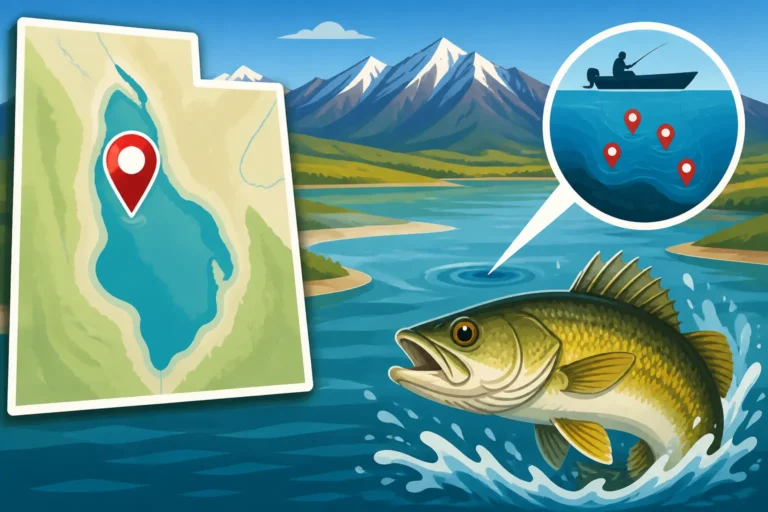
Pineview Reservoir, nestled in Ogden Valley just east of Ogden, Utah, isn't just a pretty face with stunning mountain backdrops; it's a true multi-species fishery that offers something for nearly every type of angler. From the excitement of battling a powerful tiger muskie to the simple joy of filling a bucket with panfish, Pineview's waters hold a unique appeal. But to truly unlock its potential, you need to understand the characteristics that make this reservoir tick.
A Snapshot of Pineview's Unique Ecosystem
Pineview is a relatively shallow, fertile reservoir, especially compared to some of Utah's deeper, colder lakes. Its average depth is around 25 feet, though it can reach over 80 feet in certain areas near the dam. This shallower profile means its water temperatures tend to warm up faster in the spring and cool down quicker in the fall, significantly influencing fish behavior and where they decide to hang out. The reservoir is fed primarily by the South Fork of the Ogden River and other smaller tributaries, bringing in nutrients that support a healthy forage base for its predatory residents.
The bottom structure of Pineview is a mix of silt, gravel, and submerged vegetation, particularly in its shallower bays and flats. These weed beds are crucial, providing cover for baitfish and ambush points for predators. Rocky points, old creek channels, and submerged timber also act as magnets for various species. Understanding these underwater features is paramount to figuring out the best fishing spots at Pineview Reservoir, because fish are almost always associated with some kind of structure or cover.
The Thrill of Chasing Pineview's Prized Species
While Pineview supports a number of fish species, it's particularly famous for a few key players. The most iconic, without a doubt, is the tiger muskie. These elusive, hard-fighting hybrids are a major draw, offering a true trophy-hunting experience. But Pineview is far from a one-trick pony. It also boasts excellent populations of yellow perch, black crappie, and bluegill, which provide consistent action, especially for families and those looking for a tasty meal. And let's not forget the ever-popular rainbow trout, which are regularly stocked and offer reliable sport throughout the open water and ice fishing seasons. Knowing what you're targeting will dictate your approach and, more importantly, where you cast your line. If you're hoping to learn more about the diverse fish you can find, our comprehensive Pineview Reservoir Fishing Guide dives deeper into each species.
Unveiling Pineview's Top Fishing Hotspots
Now that we've set the stage, let's get down to business: where exactly should you be fishing at Pineview Reservoir? Different species prefer different habitats, and knowing these preferences is key to success.
Decoding the Mighty Tiger Muskie Lairs
Tiger muskie are the apex predators of Pineview, and they behave like it. They are ambush hunters, often lurking in areas with dense cover, sharp drop-offs, or submerged structure where they can surprise unsuspecting prey. These fish can grow quite large, making them a formidable catch, and figuring out How to Catch Tiger Muskie in Utah is a skill honed over many trips.
Key Muskie Spots:
- Spring/Early Summer (Pre-Spawn & Spawn): During the spring, as water temperatures creep into the 40s and low 50s, muskie will move into shallower bays and flats, especially those with emerging weed growth. The area near the Middle Inlet, where the Middle Fork of the Ogden River enters the reservoir, is a classic springtime hotspot. The warmer, incoming water and abundant cover make it prime territory. Look for areas with dense aquatic vegetation or submerged timber.
- Summer: As the water warms, muskie will often retreat to slightly deeper water, often holding along the edges of weed lines or suspended over deeper drop-offs near their food source. Focus on the main basin of the reservoir, especially points that extend into deeper water. The north side of the reservoir, near the "old road bed" area, is a known structure point that attracts muskie. Another productive area is the steep rocky bank near the dam, where they can hold in cooler water and ambush baitfish moving through. These fish are looking for cooler water and ambush points, so covering water with larger lures is key. For insights into the best gear, check out our guide on Best Lures for Tiger Muskie in Utah?.
- Fall: This is arguably the best time to target trophy muskie as they go on a feeding frenzy before winter. They'll be more active and less finicky. Focus on the same areas as summer, but extend your search to include shallower weed flats during low light conditions, as they might chase baitfish into these zones. The upper end of the reservoir, closer to the inflow, can also become productive as baitfish congregate before winter.
Muskie fishing is a game of patience and persistence. If you're new to Pineview or specifically targeting a challenging species like muskie, considering a guided trip booked through services like FishingBooker can give you a significant edge. Local guides know the intricacies of the reservoir and can put you on fish faster.
Pinpointing Panfish Havens for Perch, Crappie, and Bluegill
For consistent action and a great meal, Pineview's panfish population is hard to beat. Yellow perch, black crappie, and bluegill are abundant, making them perfect targets for family outings or those just wanting to bend a rod. These species tend to congregate in schools, so once you find one, you're likely to find many more.
Key Panfish Spots:
- Yellow Perch: Perch are often found in deeper parts of the reservoir during summer, especially along soft bottom areas where they can root around for insects and crustaceans. Look for them in 15-30 feet of water in the main body of the reservoir, particularly off points and humps. In spring and fall, they move shallower, often schooling near the edges of weed beds. The area around Cemetery Point can be very productive for perch, as well as the flats near the dam. During ice fishing season, perch are a primary target, and you can learn How to Catch Perch Through the Ice in Utah by exploring specific techniques.
- Black Crappie: Crappie love structure, especially submerged timber, brush piles, and weed edges. They tend to suspend in the water column, often just above structure. The upper arms of the reservoir, where there are more standing trees and brush from past water levels, can be excellent. The mouths of bays that lead into deeper water, especially those with some weed growth or submerged wood, are also hotspots. Look for them in 8-20 feet of water, often suspending at mid-depth.
- Bluegill: Bluegill are generally found in shallower, warmer waters with plenty of aquatic vegetation. They are less particular than crappie but still appreciate cover. The protected bays on the south side of the reservoir, especially those with lily pads or dense weeds, are perfect bluegill habitats. The shallower flats near the Middle Inlet can also hold good numbers. They are fun to catch on light tackle and are often found in water less than 10 feet deep.
Small jigs, spinners, and live bait like worms or mealworms are incredibly effective for panfish.
Discovering Rainbow Trout Retreats
Rainbow trout are a staple of Utah fisheries, and Pineview is no exception. While they might not reach the trophy sizes of muskie, they provide reliable fishing and are a delight to catch. The Utah Division of Wildlife Resources regularly stocks rainbow trout, ensuring healthy populations. Our general guide on Rainbow Trout in Utah Reservoirs provides excellent context for what to expect.
Key Trout Spots:
- Spring/Fall: During cooler water periods, rainbow trout are often more dispersed throughout the reservoir and can be caught closer to shore. They'll cruise the edges of the main lake and shallower bays, especially near inflows where they can find food. Trolling with pop gear and a worm, or casting small spoons and spinners from shore, can be very effective in areas like Cemetery Point and the north shoreline near the recreational areas.
- Summer: As the water warms, trout will seek cooler, deeper water, often congregating near the dam or in the main basin's deepest sections. They might also hang out near the thermocline if one forms. Trolling at various depths or still fishing with powerbait or corn on the bottom in 20-40 feet of water near the dam can yield results.
- Winter (Ice Fishing): Ice fishing for rainbows is incredibly popular at Pineview. They can be found throughout the reservoir under the ice, often suspended or cruising just above the bottom. Popular areas include Cemetery Point and the main body of the reservoir near Anderson Cove. Small jigs tipped with mealworms or corn, or even a small spoon, are effective. Don't forget to check out our comprehensive Utah Ice Fishing Guide for detailed tips on cold-weather angling.
Essential Strategies and Practical Advice for Pineview Anglers
Knowing where the fish are is only half the battle. Understanding how to access those spots, when to go, and what to bring will significantly improve your chances of success.
Navigating Access Points and Launching Your Craft
Pineview Reservoir offers several access points, catering to both boaters and shore anglers. Planning your entry point can make a big difference in how quickly you get to your desired fishing spot.
Boating Access:
- Cemetery Point Boat Ramp: This is a popular and well-maintained ramp on the south side of the reservoir, offering good access to the main basin and proximity to panfish and trout areas. It's often busy, especially on weekends.
- Anderson Cove Campground & Marina: Located on the northern side, this area provides another significant boat launch facility. It's a great starting point for exploring the north shorelines and deeper parts of the main lake, known for muskie and trout.
- Middle Inlet Access: While not a full boat ramp, smaller boats and kayaks can often launch in the Middle Inlet area, especially for targeting muskie in spring. Be mindful of water levels and navigate with caution.
- Portability: For kayakers, float tubers, and paddleboarders, many shoreline areas offer easy access, allowing you to paddle to productive coves and points that might be harder to reach by larger boats. This can be particularly effective for stealthy approaches to muskie.
Before launching, always be aware of Utah Boating and Fishing Rules, especially regarding life jackets and safety equipment.
Shoreline Access:
- Cemetery Point: Beyond the boat ramp, Cemetery Point offers extensive shoreline access with rocky and gravelly areas that are great for casting spoons, spinners, or bait for trout and panfish.
- Anderson Cove: The campground area provides various points for shore fishing, often with easy access to deeper water relatively close to the bank.
- Middle Inlet: While known for muskie, the Middle Inlet area also provides shore access, particularly for those willing to wade or walk along the banks, offering chances at various species.
- South Shoreline: There are several pull-offs and informal access points along the roads bordering the southern part of the reservoir. These often lead to shallower bays ideal for bluegill and smaller perch.
Timing Your Trip: Seasonal Insights for Success
The time of year you visit Pineview will heavily influence which species are most active and where they'll be found.
| Season | Primary Targets | Key Locations / Behavior | Recommended Techniques |
|---|---|---|---|
| Spring | Muskie, Trout, Perch | Muskie move shallow for pre-spawn. Trout and perch more active and dispersed near shore. | Muskie: Large jerkbaits, swimbaits. Trout/Perch: Spinners, jigs, bait. |
| Summer | Panfish, Trout, Muskie | Panfish active in weeds. Trout deeper. Muskie along weed edges, main basin structure. | Panfish: Small jigs, worms. Trout: Trolling, bottom bait. Muskie: Trolling, casting large lures. |
| Fall | Muskie, Trout, Perch | Muskie enter feeding frenzy. Trout and perch move shallower before winter. | Muskie: Large crankbaits, bucktails. Trout/Perch: Spinners, jigs, bait. |
| Winter | Perch, Trout, Crappie | Ice fishing is prime. Fish suspend or hug bottom under the ice. | Ice jigs, spoons, live bait (mealworms, wax worms). |
Early mornings and late evenings during the warmer months are often the most productive, as fish are more active and less pressured by boat traffic and heat. Overcast days can also extend the prime biting window.
Gear Up for Pineview's Diverse Demands
To maximize your success at Pineview, having the right gear is crucial. The tackle you choose will vary greatly depending on your target species.
- For Tiger Muskie: You'll need heavy-duty gear: a stout baitcasting rod (7.5-9 ft, heavy action), a reel with a strong drag and plenty of line capacity (65-80 lb braided line), and steel leaders to prevent bite-offs. Lures will include large jerkbaits, bucktails, swimbaits, and crankbaits.
- For Panfish (Perch, Crappie, Bluegill): Light spinning tackle is ideal. A light to ultralight rod (5-6.5 ft) with a small spinning reel spooled with 4-6 lb monofilament or fluorocarbon is perfect. Small jigs (1/32 to 1/8 oz), tiny spinners, and live bait like worms, mealworms, or wax worms will get the job done.
- For Rainbow Trout: A medium-light spinning rod (6-7 ft) with a matching spinning reel, spooled with 6-8 lb monofilament, is versatile. Lures include small spoons (e.g., Kastmasters, Daredevils), inline spinners (e.g., Panther Martins), and small crankbaits. For bait fishing, PowerBait, Gulp! PowerEggs, or a worm under a bobber are proven winners.
Don't forget essentials like a good pair of pliers for hook removal, a landing net (especially important for muskie), a tackle box stocked with a variety of lures and baits, and sun protection. If you're considering hiring a guide, platforms like FishingBooker can help you find experienced captains who provide all the necessary gear for your target species.
Responsible Angling and Preserving Pineview's Beauty
Pineview Reservoir is a precious resource, and as anglers, we have a responsibility to protect it. Understanding and adhering to regulations, as well as being mindful of invasive species, are critical for ensuring future generations can enjoy the same fantastic fishing opportunities.
Adhering to Regulations and Protecting Native Species
Utah has specific fishing regulations for Pineview Reservoir, which can change annually. It's imperative that every angler consults the current Utah Fishing Guidebook before heading out. This guidebook details species-specific limits, tackle restrictions, and season dates. For instance, tiger muskie have very specific regulations regarding size limits and often require catch-and-release practices to maintain their trophy status. Conversely, some invasive species might have mandatory kill orders. Ignoring these rules can lead to hefty fines and damage the fishery. Familiarize yourself with the overall Utah Fishing Regulations Explained to avoid any issues.
Always be prepared to properly handle your catch, whether you're releasing it or keeping it for a meal. For catch-and-release, minimize handling time, keep the fish in the water as much as possible, and use appropriate tools like de-hookers. For fish you intend to keep, dispatch them quickly and humanely, and store them on ice to preserve their quality.
Preventing the Spread of Aquatic Invasive Species
One of the biggest threats to Utah's fisheries, including Pineview, is the introduction and spread of aquatic invasive species (AIS). Organisms like quagga mussels and viral hemorrhagic septicemia (VHS) can devastate ecosystems, alter water quality, and harm fish populations. Pineview is especially susceptible due to its popularity and connections to other waterways.
Every time you move your boat, kayak, or even waders between different bodies of water, you run the risk of spreading these harmful species. The mantra for prevention is simple: Clean, Drain, Dry.
- Clean: Inspect your boat, trailer, and all fishing gear. Remove any visible mud, plants, or animals.
- Drain: Pull all drain plugs and drain water from the bilge, live wells, and engine.
- Dry: Allow your boat and equipment to dry completely before launching in another water body. If possible, a minimum of five days is recommended, especially in warm, dry weather. For quicker turnaround, professional decontamination is available.
You can find detailed information on these practices and mandatory inspection stations in our guide to Utah Aquatic Invasive Species Rules for Anglers. By doing your part, you're not just following the law; you're actively contributing to the health and longevity of Pineview's fantastic fishery. For those looking to combine their fishing trip with an overnight stay, remember that caring for the environment extends to your campsite as well. Check out our advice on Best Camping Spots Near Utah Fishing Lakes for tips on responsible outdoor recreation. And, of course, ensure your Utah Fishing License Guide is up-to-date before you even cast a line.
Disclaimer
The information provided in this guide is for informational purposes only and is subject to change. Fishing regulations, conditions, and fish populations can vary. Always consult the most current Utah Fishing Guidebook published by the Utah Division of Wildlife Resources before planning your fishing trip to Pineview Reservoir. Exercise caution and practice safe boating and fishing habits.