Best High-Altitude Lakes for Fishing in the Uinta Mountains
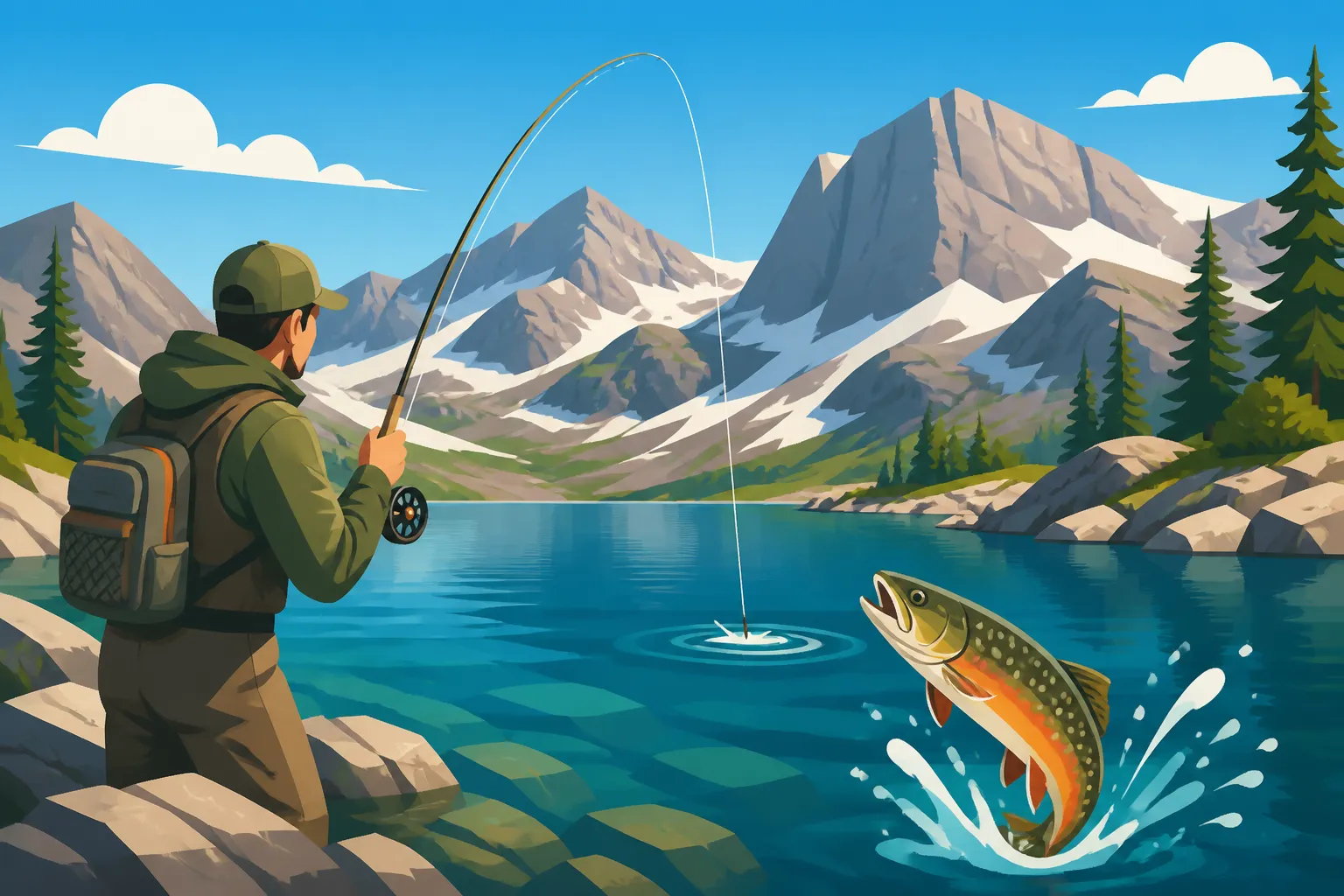
There's nothing quite like escaping the hustle and bustle of Utah's valleys, especially during the sweltering summer months, and seeking solace in the crisp, cool air of the high Uinta Mountains. If you've ever dreamt of casting a line into an untouched alpine lake, surrounded by towering peaks and absolute tranquility, then you know the unique allure of high-altitude fishing. This guide is your compass to discovering some of the best high-altitude lakes for fishing in the Uinta Mountains, offering detailed insights into where to go, what to bring, and how to make the most of your remote angling adventure.
Why the Uinta Mountains are a High-Altitude Angler's Paradise
The Uinta Mountains, a majestic range forming the highest peaks in Utah, present a stark contrast to the state's more accessible, often crowded reservoirs. Here, the fishing experience is less about convenience and more about the journey, the breathtaking scenery, and the unique challenges that come with angling in the backcountry.
Escape the Valley Heat and Crowds
When the mercury consistently hovers in the triple digits down in cities like St. George or even the upper 90s in Salt Lake City, the Uintas offer a welcome reprieve. Temperatures in the high country are significantly cooler, making for a much more comfortable outdoor experience. More importantly, these lakes, often requiring a hike of several miles, naturally filter out the casual angler. You won't find bustling boat ramps or crowded shorelines; instead, you'll discover solitude, the only sounds being the wind through the pines and the occasional splash of a rising trout. This sense of peace is a huge draw for many who seek a deeper connection with nature through fishing.
Unique Fish Species and Pristine Waters
The high-altitude lakes of the Uintas are home to a remarkable variety of trout, many of which are self-sustaining populations due to their isolation and pristine conditions. You're likely to encounter hardy brook trout, vibrant cutthroat trout, and often, beautifully colored tiger trout. Unlike the heavily stocked community ponds, these fish are often wild, offering a feistier fight and an incredible sense of accomplishment when landed. The water itself is incredibly clear, fed by snowmelt and mountain springs, which means you'll often be sight-fishing, adding another layer of excitement and skill to your outing. If you're keen to learn more about the different species you might encounter, our comprehensive Utah Trout Species Guide delves into the characteristics of each.
The Challenge and Reward of Backcountry Fishing
Fishing in the Uintas is not a casual affair; it's an adventure. Most of these lakes demand a hike, ranging from a moderate trek to a strenuous multi-day backpacking expedition. This challenge, however, is precisely what makes the reward so much sweeter. The feeling of reaching a secluded lake after miles on the trail, setting up camp amidst an alpine meadow, and then catching a beautiful trout from crystal-clear water is unparalleled. It's a testament to your effort and a truly immersive wilderness experience. For those considering an extended trip, understanding how to pack wisely is crucial, and our guide on How to Pack Fishing Gear for a Backpacking Trip to Uinta Lakes can be a real lifesaver.
Top High-Altitude Lakes to Target in the Uintas
While there are literally hundreds of fishable lakes and streams scattered across the Uinta Mountains, some stand out for their beauty, fish populations, and overall angling experience. These are often the ones that require a bit more effort to reach but promise exceptional rewards.
Mirror Lake and Surrounding Gems
Mirror Lake is arguably one of the most famous and accessible high-altitude lakes in the Uintas, located right off the scenic Mirror Lake Highway (Highway 150). Its accessibility means it sees more visitors, but don't let that deter you. It's a large, picturesque lake stocked with rainbow trout, brook trout, and tiger trout, offering excellent fishing from shore or by float tube. The surrounding area is dotted with numerous smaller, equally productive lakes that require only short hikes.
- Lakes to Explore: Beyond Mirror Lake itself, consider nearby tarns like Ruth Lake (which we'll cover in more detail), or venture a bit further to explore lakes along the Highline Trail like the various Ryas Lakes or Jewel Lake. These smaller lakes often hold self-sustaining populations of brook trout and cutthroat, providing a more secluded experience.
- Fishing Strategy: For Mirror Lake, standard trout tactics like PowerBait, worms, or small spinners (Mepps, Panther Martin) often work well. Fly anglers can find success with general attractors or by matching hatches, particularly in the calmer morning and evening hours. If you're interested in learning more about angling techniques, our Utah Trout Fishing Tips offers a great starting point.
- Accessibility: Mirror Lake is easily accessible by paved road during the summer months (typically late May/early June to late October, depending on snow). The area boasts established campgrounds and trailheads, making it a good base camp for exploring deeper into the backcountry.
Red Castle Lake Basin and Remote Treasures
For the truly adventurous angler seeking solitude and spectacular scenery, the Red Castle Lake Basin is a premier destination. This area, dominated by the iconic red quartzite peaks of Red Castle, requires a significant backpacking trip, usually 10-15 miles in from the China Meadows trailhead in Wyoming or the Uinta Canyon trailhead in Utah.
- The Journey: The hike is long, but the scenery is absolutely breathtaking, transitioning from pine forests to expansive alpine meadows, culminating in the dramatic Red Castle massif reflected in the basin's pristine lakes. You'll need to be prepared for a multi-day trip, carrying all your gear. For those who aren't familiar with planning such an expedition, it might be worth considering a guided trip, and services like FishingBooker can connect you with experienced backcountry guides who specialize in these remote Uinta fishing trips.
- Target Species: The lakes in the Red Castle Basin, including the main Red Castle Lake, East Red Castle, and others, are renowned for their healthy populations of brook trout, cutthroat trout, and often some hybrid tiger trout. These fish are typically eager biters, making the long trek worthwhile.
- Techniques: Fly fishing is incredibly popular here, with dry flies often producing explosive surface action, especially during evening hatches. Nymphs and streamers are also effective. For spin anglers, small spoons and spinners are your best bet. Because these fish see less pressure, they can be less finicky. To maximize your success, learning How to Adjust Technique When Fish Aren't Biting is always a good skill to have in your back pocket.
Ruth Lake and Accessible Alpine Beauty
Ruth Lake is a fantastic option for those who want a true alpine lake experience without an overly strenuous hike. Located just a short 0.8-mile hike from the Crystal Lake trailhead off Mirror Lake Highway, it's one of the more accessible high-altitude destinations.
- Family-Friendly Option: Its relatively short and gentle trail makes it a popular choice for families and beginner hikers. Don't let the accessibility fool you into thinking the fishing is subpar; Ruth Lake is regularly stocked and holds a good population of brook and rainbow trout, with some tiger trout occasionally mixed in.
- Ideal for Day Trips: This is an ideal lake for a day trip, allowing you to enjoy the high country without committing to an overnight stay. Pack a picnic, your fishing gear, and enjoy the stunning views. If you're looking for Best Fishing Spots You Can Reach Without a Boat in Utah, Ruth Lake definitely makes the list.
- What to Bring: Standard lightweight spinning gear with PowerBait, worms, or small spoons works wonders. Fly anglers will find success with various nymph and dry fly patterns. Its shallow edges make it an excellent spot for How to Fish From Shore in Utah.
Exploring the High Uinta Wilderness Area
The Uinta Mountains are largely protected within the High Uintas Wilderness Area, a vast expanse of nearly half a million acres. This means primitive camping, no motorized vehicles, and a deep wilderness experience. Beyond the well-known lakes, there are countless smaller lakes and streams, many unnamed, offering incredible opportunities for discovery.
- Research is Key: Before venturing into the deeper wilderness, thorough research is crucial. Obtain detailed maps, understand the trail systems, and be prepared for self-sufficiency. Local ranger stations are excellent resources.
- Species Diversity: Depending on the basin, you might encounter golden trout, splake, or even Arctic grayling in addition to the common trout species. The excitement of catching a fish unique to a specific high-altitude basin is a major draw for seasoned anglers.
- Consider a Guide: For truly remote and lesser-known spots, or if you're new to serious backcountry expeditions, hiring a local guide can be invaluable. Guides found through services like FishingBooker often have intimate knowledge of the area, know which lakes are fishing well, and can ensure a safe and successful trip.
Here's a quick comparison of some popular high-altitude Uinta lakes:
| Lake Name | Primary Access Point | Typical Hike Length (one-way) | Primary Species | Best For |
|---|---|---|---|---|
| Mirror Lake | Mirror Lake Highway (Hwy 150) | Minimal (roadside) | Rainbow, Brook, Tiger Trout | Accessible, family-friendly, base camp |
| Ruth Lake | Crystal Lake Trailhead | 0.8 miles | Rainbow, Brook, Tiger Trout | Day trips, beginners, easy alpine access |
| Red Castle Lake | China Meadows / Uinta Canyon | 10-15 miles | Brook, Cutthroat, Tiger Trout | Multi-day backpacking, solitude, trophy fish |
| High Uintas Lakes (general) | Various Trailheads | 3-20+ miles | Brook, Cutthroat, Rainbow, Goldens | Wilderness exploration, varied experience |
Essential Tips and Gear for Uinta Mountain Fishing
High-altitude fishing in the Uintas requires a bit more planning and specialized gear than your average fishing trip. Being prepared is paramount for both safety and success.
Planning Your Trip and Backcountry Safety
Before you even think about packing your tackle box, you need to plan your expedition carefully.
- Permits and Regulations: Always check the latest Utah Fishing Regulations Explained and specific regulations for the Uinta-Wasatch-Cache National Forest or the High Uintas Wilderness Area. A valid Utah fishing license is required for anyone 12 years and older. Our Utah Fishing License Guide can help you sort out what you need. Special regulations, like catch-and-release only or specific bait restrictions, might apply to certain waters.
- Weather Awareness: Mountain weather is notoriously unpredictable. A sunny morning can quickly turn into an afternoon thunderstorm, hail, or even snow, even in summer. Pack layers, waterproof outerwear, and be prepared to turn back if conditions worsen. Always check the forecast for the specific elevation you'll be at, not just the nearest town.
- Leave No Trace: Practice Leave No Trace principles rigorously. Pack out everything you pack in, minimize your impact, and respect wildlife. This pristine environment relies on careful stewardship.
- Inform Others: Let someone know your itinerary, including your planned route, destination, and expected return time, especially if you're venturing into remote areas. Cell service is generally nonexistent in the deep wilderness.
Recommended Tackle and Techniques
Given the remote nature and the size of the fish you might encounter, a balanced approach to your gear is best.
- Rods and Reels: A lightweight spinning rod (5-6 feet, light to medium-light action) paired with a small spinning reel (1000-2000 series) spooled with 4-6 lb test monofilament or fluorocarbon is versatile for most Uinta lakes. For fly anglers, a 3-5 weight fly rod is ideal, especially if you're targeting the smaller, more numerous brook trout or casting delicate dry flies. Our guide on What Gear Does a First-Time Utah Angler Need? offers great starter advice.
- Lures and Baits:
- Spinning: Small inline spinners (Mepps Aglia, Panther Martin), tiny spoons (Kastmaster, Daredevle), and micro jigs (1/32 to 1/16 oz) are incredibly effective. A small selection of scented baits like PowerBait or Gulp! dough can also be potent, especially for recently stocked lakes. Live worms are almost always a winner.
- Fly Fishing: A diverse fly box is crucial. Include dry flies like Adams, Elk Hair Caddis, Royal Wulff for surface feeders. For subsurface action, bring nymphs like Hare's Ear, Prince Nymph, Pheasant Tail, and small streamers like Woolly Buggers. If you're looking for more specific recommendations, check out our article on Best Flies for Utah Trout Streams.
- Other Essentials: A small tackle box or vest, extra line, clippers, forceps for hook removal, a small net (optional but helpful for larger fish), a multi-tool, and a first-aid kit are indispensable. Don't forget polarized sunglasses for spotting fish in clear water and sturdy hiking boots.
High-Altitude Acclimatization and Weather Preparedness
The elevation in the Uintas can be significant, with many lakes sitting above 10,000 feet.
- Acclimatization: If you're coming from sea level or much lower elevations, consider spending a day or two at a slightly lower elevation (e.g., around 7,000-8,000 feet) before embarking on strenuous hikes to higher lakes. Stay hydrated.
- Sun Protection: At high altitudes, the sun's rays are much more intense. Wear a wide-brimmed hat, use high-SPF sunscreen, and wear protective clothing to prevent severe sunburn.
- Cold Preparedness: Even in July and August, overnight temperatures can drop below freezing, and daytime temperatures can be chilly, especially if it's windy or cloudy. Layering is key: a wicking base layer, an insulating mid-layer (fleece or puffy jacket), and a waterproof/windproof outer shell. For specific advice on when these lakes are typically open, consult When Do High Uinta Lakes Thaw Out for Fishing?.
Getting There and Making the Most of Your Uinta Adventure
Accessing the Uinta Lakes often involves driving on paved highways that transition to well-maintained gravel or dirt roads, leading to various trailheads.
Trailheads and Access Points
The most common entry points for the high Uintas are:
- Mirror Lake Highway (Highway 150): This paved scenic byway, open seasonally, offers direct access to Mirror Lake, Crystal Lake, and numerous trailheads leading to hundreds of lakes in the central Uintas. It's often referred to as the gateway to the Uintas.
- Mill Creek Canyon / American Fork Canyon (near Salt Lake City and Provo): These canyons provide access to trails leading into the western edges of the Uintas, though often requiring longer hikes to reach true high-altitude lakes.
- Highway 40 (near Vernal): East of Salt Lake City, this route provides access to the eastern Uintas, including areas like the Uinta Canyon Trailhead, which can lead to the Red Castle area.
- China Meadows (Wyoming): For some of the most remote and spectacular areas, particularly the Red Castle region, accessing from the north via Wyoming can be a preferred route, often involving long gravel road drives.
Always check road conditions before you go, especially early or late in the season, as snow can close high-elevation roads unexpectedly.
Permit and Regulation Reminders
While a Utah fishing license is your primary permit, remember that if you plan to camp overnight in the High Uintas Wilderness, you will need a self-issue wilderness permit, which is free and available at most trailheads. This helps the Forest Service track usage and maintain the wilderness character of the area. Additionally, be aware of fire restrictions, which are common during dry summer months. Using a service like FishingBooker to find a local guide can be particularly beneficial for first-timers, as these guides are well-versed in all local regulations and permitting requirements, ensuring you don't accidentally run afoul of the rules. They can also provide invaluable insights into How to Fish High-Altitude Uinta Lakes in July, for instance, which is prime time for many.
Disclaimer
The information provided in this guide is for general informational purposes only. Fishing conditions, regulations, and access can change rapidly. Always consult the official Utah Division of Wildlife Resources (DWR) regulations and local forest service advisories before planning your trip. Angling in the backcountry carries inherent risks; proper preparation, knowledge, and caution are essential for a safe and enjoyable experience.