Best Fishing Spots in Southern Utah
Hunting for the best fishing spots in Southern Utah can feel like searching for an oasis in the desert – sometimes elusive, often rewarding, and always an adventure. Many anglers, used to the cooler, more populated waters of Northern Utah, might feel a bit lost when venturing south, wondering if the scorching sun and arid landscape could possibly hold vibrant, trophy-worthy fisheries. But let me tell you, that couldn't be further from the truth! Southern Utah offers an incredible, often less crowded, diverse angling experience, and this guide is here to walk you through its hidden gems, ensuring your next trip south is packed with fish and unforgettable memories.
Why Southern Utah is a Hidden Gem for Anglers
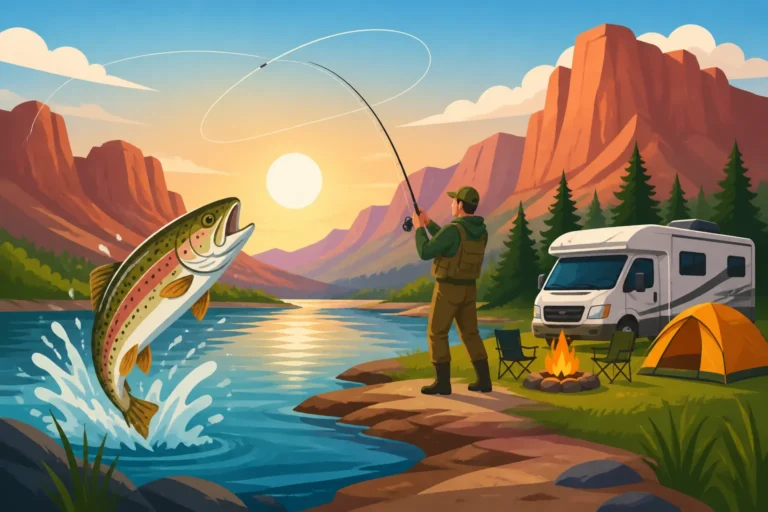
Southern Utah, with its iconic red rock landscapes, deep canyons, and vast desert expanses, might not be the first place that springs to mind when you picture prime fishing real estate. Many envision fly-fishing pristine mountain streams, and while Utah certainly has those, the southern half of the state presents a completely different, equally captivating challenge. It's a land of extremes, where high-mountain lakes shimmer near alpine peaks, vast reservoirs cut through sandstone cliffs, and smaller rivers carve their way through desert valleys. This unique blend creates a diverse range of habitats, supporting everything from cold-water trout to warm-water bass and catfish, often without the elbow-to-elbow crowds you might find elsewhere.
Climate and Geographic Considerations
The arid climate of Southern Utah plays a massive role in shaping its fisheries. Summers can be brutally hot, often pushing daytime temperatures well into the 90s and even over 100 degrees Fahrenheit, especially in lower elevations like around Lake Powell. This intense heat means that water temperatures in many reservoirs can climb, making early morning and late evening fishing not just preferable, but often essential for success. High-elevation lakes, however, offer a cool escape, often staying productive all day long, even in the middle of July.
The geography is equally dramatic. You'll find lakes nestled over 9,000 feet in elevation, like Panguitch Lake or Fish Lake, surrounded by pine forests, offering a completely different feel from the colossal canyons embracing Lake Powell. Water levels, influenced by snowpack and rainfall, are a crucial factor here; reservoirs can fluctuate dramatically, altering access points and fish behavior. Understanding these environmental nuances is key to planning a successful trip, as it dictates everything from what to wear to what time to cast your line and even where the fish might be holding.
Species Diversity in Southern Waters
Forget the idea that Southern Utah is just about trout. While glorious trout fisheries certainly exist, the region boasts an impressive array of fish species that will surprise and delight any angler. In the high-mountain lakes and cooler streams, you'll find thriving populations of rainbow trout, brown trout, cutthroat trout, and even unique hybrids like tiger trout and splake. These cold-water species thrive in the oxygen-rich, pristine waters.
As you move to lower elevations and larger, warmer reservoirs, the species shift dramatically. Lake Powell, for instance, is world-renowned for its aggressive striped bass and robust populations of smallmouth bass, walleye, and even crappie. Other lakes might offer excellent channel catfish, wiper, or yellow perch. This incredible diversity means that no matter your preferred style of fishing or target species, Southern Utah truly has something to offer, making it a fantastic destination for those looking to expand their angling horizons beyond just the typical trout streams.
Top Reservoir Fishing Destinations in Southern Utah
When it comes to putting a boat in the water or casting from shore, Southern Utah's reservoirs are in a league of their own. They offer expansive waters, dramatic scenery, and some truly exceptional fishing opportunities, often with the chance to catch trophy-sized fish.
Lake Powell: A Giant Playground
Lake Powell isn't just a reservoir; it's an inland sea, stretching for hundreds of miles through intricate canyons carved into the vibrant red Navajo sandstone. This vast body of water, shared with Arizona, is arguably the crown jewel of warm-water fishing in Southern Utah and beyond. What makes Lake Powell truly spectacular for anglers is its incredible population of striped bass, which are known for their explosive topwater "boils" when they actively chase shad. Witnessing a striper boil is an unforgettable experience, and being there with a rod in hand is even better. Anglers often locate these boils using binoculars or by watching for flocks of diving birds, then race over to cast into the frenzy. You can learn more about Lake Powell Striped Bass Spots for targeting these exciting fish.
Beyond stripers, Lake Powell is a phenomenal destination for smallmouth bass. These aggressive fighters thrive among the rocky ledges, submerged brush, and countless coves. They readily hit a variety of lures, from crankbaits and jigs to soft plastics. Walleye, too, are present and offer a challenging pursuit, often found in deeper waters or around submerged structures. For those looking for multi-day adventures, consider exploring the lake by houseboat. Many anglers use a small fishing boat towed behind a houseboat, allowing them to access remote coves and inlets that are unreachable from traditional boat ramps. If you're considering such an adventure, you might find guides or boat rentals through services like FishingBooker that specialize in Lake Powell excursions. Planning a trip to this magnificent body of water requires some foresight, and our comprehensive Lake Powell Fishing Guide is an excellent resource to get started. Don't forget the importance of proper boat cleaning and inspections for aquatic invasive species (AIS), a critical step to protect this precious ecosystem.
Panguitch Lake: Trout Heaven in the Mountains
Perched at a stunning elevation of 8,200 feet in the Dixie National Forest, Panguitch Lake offers a stark contrast to Lake Powell's desert warmth. This serene, picturesque lake is an absolute haven for trout anglers, especially those dreaming of a trophy catch. Panguitch is famed for its robust populations of rainbow trout, feisty cutthroat trout, and the elusive, hard-fighting tiger trout. The cooler mountain temperatures mean that fishing here remains productive throughout the summer, often with consistent bites.
Anglers here enjoy success using a variety of methods. Shore anglers do well with PowerBait or worms fished on the bottom, especially near the various campgrounds and public access points. Boaters often troll with lures like Rapalas, Kastmasters, or Needlefish, targeting trout cruising at different depths. Fly fishermen find plenty of action from boats or float tubes, particularly during hatches of chironomids, callibaetis, or damselflies. In winter, Panguitch Lake transforms into one of Utah's premier ice fishing destinations, attracting anglers from all over for its excellent trout action through the ice. It's a truly special place to fish, and diving into specific tactics and locations in our Panguitch Lake Fishing Spots guide can help maximize your success.
Fish Lake: Utah's "Gem of the Mountains"
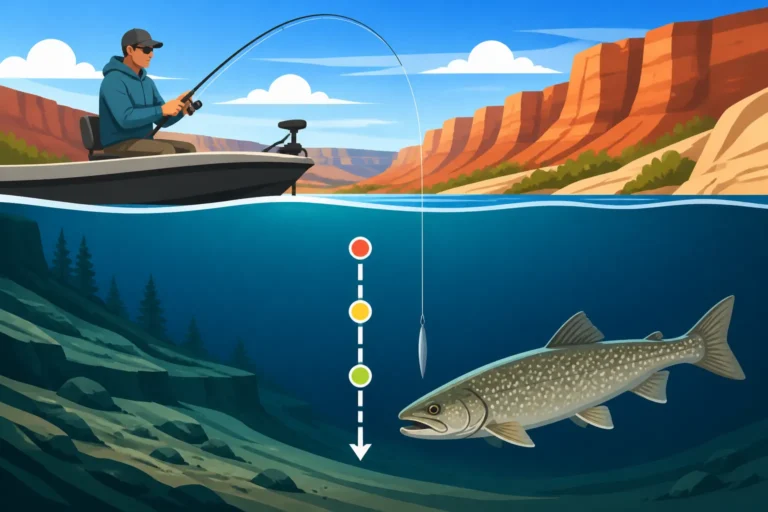
Another high-elevation treasure, Fish Lake, often referred to as Utah's "Gem of the Mountains," is a large natural lake nestled in the Fishlake National Forest at over 8,800 feet. It’s renowned for its incredible diversity and the sheer size of its fish. The lake is famous for its massive Mackinaw, also known as lake trout, with some specimens reaching truly gargantuan sizes. Many anglers come here specifically to target these giants, often by trolling large spoons or stickbaits in deep water or vertical jigging through the ice. For those curious about these impressive fish, our Lake Trout (Mackinaw) Guide offers excellent insights.
But Mackinaw aren't the only draw. Fish Lake also boasts fantastic populations of splake (a brook trout/lake trout hybrid), rainbow trout, and the ever-popular yellow perch. Perch fishing, especially through the ice, can provide fast action and delicious table fare. The lake's clear, deep waters and abundant forage make it an ideal habitat for all these species, contributing to their impressive growth rates. Whether you're trolling the depths for a trophy lake trout or enjoying consistent action for perch, Fish Lake offers a memorable experience. You'll find more details on how to target these giants in our Fish Lake Trophy Trout Fishing article. The various campgrounds and resorts around the lake make it a perfect multi-day fishing vacation spot, offering amenities and boat rentals to make your trip comfortable and successful.
| Reservoir | Primary Species | Best Techniques | Best Seasons | Notable Features |
|---|---|---|---|---|
| Lake Powell | Striped Bass, Smallmouth Bass, Walleye | Trolling, Casting to boils, Jigging | Spring, Fall (Stripers) | Vast, Red Rock Canyons, Houseboat Rentals, Warm Water |
| Panguitch Lake | Rainbow Trout, Cutthroat Trout, Tiger Trout | Trolling, Bait Fishing, Fly Fishing | Spring, Summer, Ice Fishing | High Elevation, Mountain Scenery, Trophy Trout |
| Fish Lake | Lake Trout, Splake, Rainbow Trout, Perch | Deep Trolling, Jigging, Bait Fishing | Spring, Summer, Ice Fishing | High Elevation, Trophy Lake Trout, Perch Fishing |
| Sand Hollow Reservoir | Largemouth Bass, Bluegill, Crappie, Walleye | Bass techniques, Panfish rigs | Spring, Summer, Fall | Red Sandstone Beaches, Warm Water, Close to St. George |
| Gunlock Reservoir | Largemouth Bass, Rainbow Trout | Bass techniques, Bait fishing | Spring, Fall | Smaller, Scenic, Near St. George |
River and Stream Fishing Opportunities
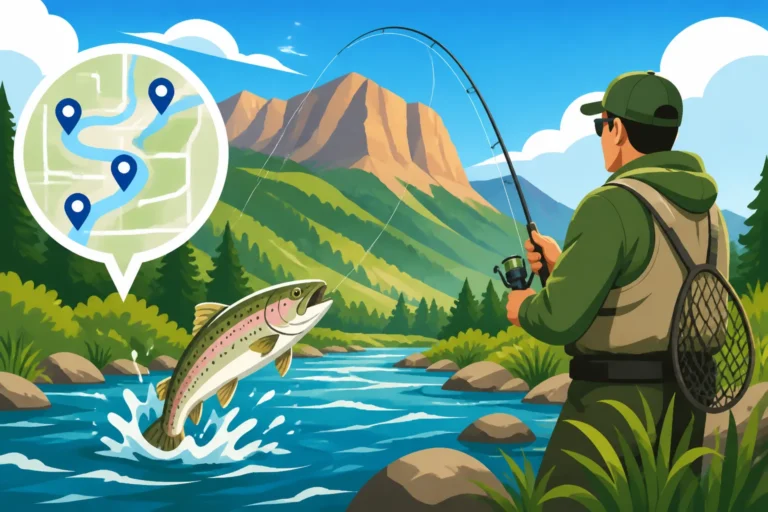
While Southern Utah is famous for its vast lakes and reservoirs, don't overlook the vital rivers and streams that flow through its diverse landscapes. These waterways, though often smaller and more dependent on seasonal flows, provide excellent opportunities for trout, especially for those who prefer the tranquility of moving water.
Sevier River: Hidden Trout Opportunities
The Sevier River is one of Utah's longest rivers, and while its upper sections in central Utah are well-known, its stretches in Southern Utah offer some fantastic, often overlooked, trout fishing. Flowing through valleys and canyons, the Sevier provides excellent habitat for brown trout and rainbow trout. Different sections of the river present varying challenges and rewards. Near towns like Panguitch or Marysvale, you can find accessible stretches that are perfect for both spin fishermen and fly anglers.
Spin fishermen often do well with small spinners, spoons, or drifted worms and PowerBait. Fly anglers will find success with nymphing rigs, dry-dropper setups, or casting streamers for larger brown trout, especially in the deeper pools and undercut banks. The key here is often exploring. Access might require some walking, but the reward is often less pressured fish and a more serene angling experience. Understanding the habits of Brown Trout in Utah Rivers is particularly useful for fishing the Sevier, as they are often the dominant species in these riverine environments. Always check local regulations, as some sections might have specific rules regarding bait or catch limits.
Beaver River Drainage and Smaller Streams
Beyond the main stem of the Sevier, Southern Utah is dotted with numerous smaller rivers and streams that feed into larger drainages or flow from the high country. The Beaver River drainage, for instance, originating in the Tushar Mountains, offers diverse fishing. Its upper reaches and tributaries hold populations of wild trout, often requiring a bit of hiking to access. These smaller, colder streams are perfect for targeting native Bonneville cutthroat trout, or beautifully colored brook trout.
These high mountain streams and smaller rivers are truly special. They offer a pristine environment for anglers seeking solitude and a challenge. Lightweight fly rods (2-4 weight) are often ideal for these intimate waters, allowing for delicate presentations. Small dry flies, nymphs, and even tiny spinners can be incredibly effective. The success here often hinges on being stealthy, reading the water for trout lies, and enjoying the journey into the wilderness. While not as extensive as the Uinta Mountains High Lakes Fishing opportunities, these southern high-country streams offer similar experiences, albeit on a slightly smaller scale, proving that good things often come in smaller packages in the desert landscape.
Essential Southern Utah Fishing Tips and Gear
Fishing in Southern Utah isn't just about knowing where to go; it's also about understanding how to adapt to its unique environment. The desert heat, mountainous terrain, and often sparse amenities require a thoughtful approach to gear and technique.
Adapting to the Desert Environment
The most critical factor when fishing in Southern Utah during warmer months is undoubtedly the heat. Days can be scorching, which impacts both angler comfort and fish behavior. For your comfort and safety, always carry significantly more water than you think you'll need. Sun protection is paramount: wide-brimmed hats, long-sleeved UPF-rated shirts, sunscreen, and polarized sunglasses are not optional – they are essential. Early morning and late evening are almost always the most productive times to fish, as the cooler temperatures bring fish into shallower, more active feeding zones. During the midday heat, fish often retreat to deeper, cooler waters, making them harder to entice.
The arid environment also means you need to be mindful of water levels, which can fluctuate. Check current conditions before you go, especially for boat ramps on reservoirs. Dust and wind can also be factors, so protect your gear and bring appropriate clothing layers, even if it's hot during the day, as evenings can cool down significantly at higher elevations.
Recommended Baits and Lures
Your tackle box for Southern Utah needs to be versatile enough to handle both cold-water trout and warm-water species. For trout in lakes like Panguitch or Fish Lake, traditional baits like PowerBait (in various colors, especially bright ones like chartreuse, rainbow, or garlic scent) and nightcrawlers fished off the bottom with a slip sinker rig are highly effective. Small inline spinners (Mepps, Rooster Tail) and spoons (Kastmaster, Daredevil) are also consistent producers. For fly anglers, a good selection of nymphs, streamers, and some dry flies (especially midges and callibaetis patterns) will serve you well. Our Utah Fishing Techniques for Beginners article offers some great starting points for tackle selection.
When targeting warm-water species like smallmouth bass and striped bass in Lake Powell, your arsenal should include crankbaits, jigs (grubs, tubes), soft plastics (senkos, swimbaits), and topwater lures (poppers, walking baits) for those exciting boils. For walleye, jigs tipped with minnows or worms, crankbaits, and blade baits are excellent choices. Catfish at lakes like Utah Lake (though not strictly Southern Utah, the techniques apply) will respond well to stink baits, cut bait, or nightcrawlers fished on the bottom.
Navigating Regulations and Access
Before heading out, it's absolutely crucial to familiarize yourself with Utah's fishing regulations. These rules are put in place to protect the fisheries and ensure sustainable angling for everyone. Each body of water can have specific rules regarding bag limits, possession limits, bait restrictions, and even mandatory harvest for certain invasive species (like northern pike in Utah Lake, though not typically a Southern Utah concern). The Utah Division of Wildlife Resources (DWR) website is your go-to source for the most current information. Our comprehensive Utah Fishing Regulations Explained and Utah Fishing License Guide are excellent resources to help you understand the requirements.
You'll need a valid Utah fishing license, which can be purchased online, at DWR offices, or from many sporting goods stores and marinas. For non-residents, several license options exist, including annual or short-term permits. Additionally, if you plan to launch a boat, especially on reservoirs like Lake Powell, be prepared for mandatory Aquatic Invasive Species (AIS) inspections to prevent the spread of harmful organisms like quagga and zebra mussels. These inspections are vital for protecting Utah's waters. Always respect private property signs and be mindful of your surroundings, packing out everything you pack in.
Disclaimer
Fishing conditions and regulations in Utah can change frequently. Always consult the latest Utah Fishing Guidebook published by the Utah Division of Wildlife Resources (DWR) before planning any fishing trip. This article is intended for informational purposes only and does not supersede official DWR regulations. Please fish responsibly and adhere to all local, state, and federal laws.