How to Handle a Fish You Must Release Immediately
There's nothing quite like the thrill of a fish on the line in Utah's stunning waters, but sometimes, for a variety of reasons, you know almost immediately that this particular fish needs to go right back into the water. Maybe it's a protected species, undersized, or simply a fish you've caught many times before and wish to preserve for another day. Whatever the reason, pulling a fish out, fumbling with it, and then tossing it back can sadly lead to mortality. This guide will walk you through the precise steps and considerations for handling a fish you must release immediately, ensuring it has the best chance of survival.
Understanding Why Immediate Release Matters
When a fish bites, the clock starts ticking for its survival, especially if it's destined for release. Many anglers, with the best intentions, inadvertently cause harm simply because they don't realize the physiological stress a fish undergoes during and after a catch. Understanding this delicate balance is the first step toward becoming a truly responsible angler.
The Delicate Balance: Fish Physiology and Stress
Imagine running a sprint at full speed, then being held upside down while someone tries to remove something from your mouth. That's a bit like what a fish experiences. The fight itself is incredibly taxing. Fish produce lactic acid in their muscles, much like humans do, and prolonged struggles can lead to a buildup that is difficult for them to recover from, especially in warmer water where oxygen levels are lower. This physiological stress can manifest as disorientation, an inability to swim upright, or even delayed mortality hours after release.
Beyond the internal stress, there's also the physical trauma. A fish's scales and slime coat are its first line of defense against pathogens and parasites. Rough handling, allowing the fish to flop on a dry boat deck or rocky bank, or even gripping it too tightly with dry hands can strip away this protective layer, leaving the fish vulnerable to infection. Gills are also incredibly delicate and vital for oxygen exchange. Even a brief moment of being out of water can be suffocating, and any direct contact or pressure on the gills can cause severe, often fatal, damage. The goal of immediate release is to minimize all these stressors as much as humanly possible, giving that fish the best shot at resuming its life in the water.
The Law and the Lure: Regulations and Ethical Angling
Sometimes, releasing a fish isn't just a matter of good sportsmanship; it's a legal obligation. Utah has specific rules designed to protect fish populations and ensure healthy fisheries for everyone. You might catch a fish that falls outside of legal slot limits, meaning it's either too small or too large to keep. Other times, you might encounter a protected species, like certain types of cutthroat trout in specific waters, which must be immediately released unharmed. It's crucial to be familiar with the Utah Fishing Regulations Explained for the specific body of water you're fishing and to understand the Utah Daily Bag and Possession Limits before you even cast a line.
Beyond the law, there's the ethical side of angling. Many anglers adhere to a "fair chase" ethic, meaning they value the sport and the health of the fish over simply filling a stringer. This mindset recognizes that our privilege to fish comes with a responsibility to conserve. Actively practicing immediate, careful release for fish that aren't intended for the dinner table—or those required by law—is a cornerstone of sustainable angling. It ensures that future generations can enjoy the same vibrant fisheries we do today. Certain fish, like those listed in Utah Fish Species You Must Release, are critical to the ecosystem and deserve the utmost care when caught.
Essential Gear for Responsible Catch and Release
Preparing your gear before you even hook a fish is one of the most proactive steps you can take to ensure a successful and swift release. Having the right tools readily accessible and knowing how to use them will make all the difference in minimizing stress and injury to the fish.
Tools for Minimizing Harm
Forget the old stringer and blunt hook removers of yesteryear; modern catch-and-release demands specialized tools designed with fish welfare in mind. A high-quality knotless rubber or coated net is paramount. Traditional nylon nets can abrade a fish's slime coat and damage fins and scales. A rubberized net, on the other hand, is much gentler, reduces tangles, and prevents hooks from getting hopelessly snagged, saving precious time. When looking for one, consider options available on platforms like Amazon, making sure to check for knotless and rubberized mesh. For specific sizes and materials, you might want to consult a guide like Best Landing Nets for Utah Trout.
Next up are dehooking tools. These come in various forms, from long-nosed pliers to specialized dehookers, and even hemostats for smaller hooks. The key is that they allow you to remove a hook without having to put your hands directly on the fish's body, especially if the hook is deep. A good pair of needle-nose pliers with a spring-loaded action can be invaluable for quickly twisting and backing out hooks. For deeply set hooks, or for fish with sharp teeth, a long-handled dehooker is a safer bet for both you and the fish. Make sure these tools are always within arm's reach. You can find a range of options on Amazon, and understanding the nuances can be helpful by reading resources like Best Pliers for Removing Deep-Set Hooks.
Preparing for a Quick Release
Beyond just having the tools, it's about preparation. Before you even start fishing, arrange your boat or fishing spot so that your net, dehooking tools, and camera (if you plan on a quick photo) are all easily accessible. This means not buried under a pile of gear in the bottom of your tackle box, but literally clipped to your vest, within a cup holder, or laid out on a clean, wet surface in your boat.
If you plan to take a photo, make sure your camera is ready and easily deployable. Time is of the essence when a fish is out of water. Every second counts. Have someone else ready to snap the shot, or know exactly how you'll get the picture quickly if you're fishing solo. Reviewing tips on Best Camera Setup for Photographing a Catch Before Release can help you streamline this process. It’s also a good practice to wet your hands thoroughly before touching any fish you intend to release, as this helps preserve their protective slime coat. Think of your entire fishing setup as a workflow designed for efficiency and fish welfare. This proactive approach is part of a comprehensive Utah Fishing Gear Guide strategy, particularly for beginners who might benefit from understanding What Gear Does a First-Time Utah Angler Need?.
Your Step-by-Step Guide to Immediate, Safe Fish Release
When a fish strikes, the adrenaline rushes, but responsible anglers know that the real work begins after the hookset. Your actions in the moments following a catch are critical to that fish's survival.
The Battle and the Net: Minimizing Fight Time and Handling
The goal is to land the fish as quickly and efficiently as possible without completely exhausting it. A prolonged fight causes excessive lactic acid buildup, making recovery harder. Use appropriate tackle for the size of fish you're targeting; don't try to land a trophy trout with ultralight gear if you can avoid it. When the fish is close, use your knotless net to scoop it up headfirst. This is far less stressful than trying to hoist it by the line or drag it onto the bank. The net should be deep enough to fully contain the fish while still in the water, allowing you to unhook it without ever removing it from its natural environment.
Once netted, try your best to keep the fish submerged or at least partially in the water. If you're on shore, consider wading out a bit or finding a calm eddy. If you're in a boat, keep the net in the water beside the boat. Avoid letting the fish flop around on dry surfaces, as this causes scale and slime coat damage and can lead to internal injuries. Minimal handling means as little direct contact as possible. If you must touch the fish, wet your hands first, and gently cradle it under its belly, supporting its weight. Never squeeze its body or hold it by the eye sockets or gill plates.
Hook Removal: Quick, Clean, and Gentle
This is arguably the most critical step. With the fish still in the net and preferably in the water, assess the hook location. If it's a single hook lightly set in the lip, you can often gently back it out with your wet fingers or a pair of small forceps. If it's a treble hook, or a hook set deeper in the mouth, immediately grab your long-nosed pliers or dehooker.
Use the dehooking tool to firmly grasp the bend of the hook. If the fish is thrashing, wait for a calm moment. Apply gentle, steady pressure in the opposite direction from which the hook entered. A quick twist or gentle tug is often all it takes. If the hook is deeply swallowed and you can't see the barb, or if removing it would cause excessive damage to the gills or throat, the best course of action is often to simply cut the line as close to the hook as possible. Fish have an amazing ability to expel or encapsulate hooks over time, and a small amount of stainless steel is often less harmful than tearing delicate internal tissues. The priority is always the fish's survival over retrieving a hook. Learn more about effective methods in guides like Best Pliers for Removing Deep-Set Hooks.
The Gentle Goodbye: Releasing the Fish Properly
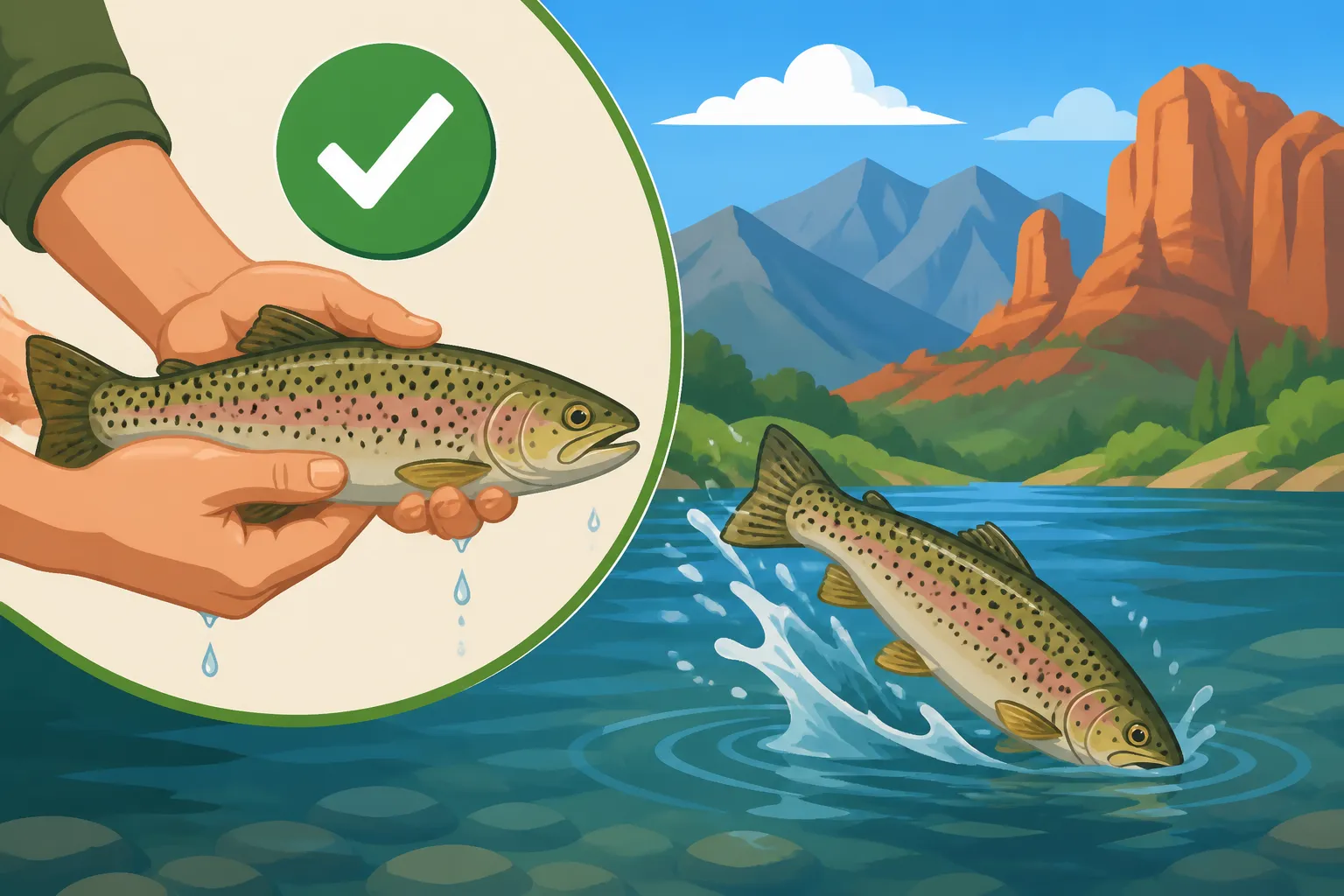
After hook removal, the release itself should be a gentle and deliberate act. Do not simply toss the fish back into the water, especially if it appears disoriented or sluggish. Instead, hold the fish gently in the water, supporting its belly and tail, facing it into a gentle current if possible. This allows water to flow over its gills, helping it to recover and oxygenate its blood.
You'll feel the fish start to revive, wiggling its tail and perhaps attempting to swim away. Don't force it. Allow it to regain its strength. Once it starts pushing against your hand and can maintain an upright position on its own, gently release your grip and let it swim away under its own power. Watch it for a moment to ensure it swims off strongly and doesn't just float away or sink. This patient approach is key to practicing How to Release a Fish Without Hurting It in Utah and ensuring the fish has a true second chance.
When a Quick Release Isn't Enough: Reviving and Special Cases
Even with the best intentions and gear, some fish may be more stressed or injured than others. Knowing how to identify these situations and what additional steps you can take is crucial for responsible angling.
Spotting a Stressed Swimmer
After hook removal, pay close attention to the fish's behavior. A healthy fish will quickly orient itself upright and show strong tail kicks, eager to swim away. A stressed fish, however, might exhibit several alarming signs. It might be swimming upside down or on its side, unable to right itself. Its breathing might be labored, or it might simply float lifelessly. Any significant bleeding, especially from the gills, is a very serious indicator of a grim prognosis.
Sometimes, a fish might appear fine immediately after release but then show signs of delayed mortality later. This is often due to the cumulative stress of the fight, air exposure, and handling. Deep-hooked fish are particularly susceptible to this, as even if the line is cut, internal damage may be severe. This is why minimizing fight time and quick, gentle hook removal are so important. Being able to How to Identify Utah Trout Species or other fish species is also important, as some species are naturally more fragile or have specific regulations regarding their release.
The Art of Resuscitation and Other Considerations
If you observe a fish exhibiting signs of extreme stress, a quick release isn't sufficient; it needs resuscitation. This involves holding the fish gently in the water, supporting its belly, and slowly moving it back and forth to force water over its gills. This "swimming" motion helps to oxygenate its blood and flush out lactic acid. Continue this process until the fish shows strong signs of recovery, such as consistent tail movement and the ability to hold itself upright. This might take a few minutes, so be patient.
Another important consideration is water temperature. Fish are cold-blooded, and their metabolic rates are tied to the water temperature. In warmer summer months, fish are generally more susceptible to stress and lactic acid buildup. Releasing fish into water that's significantly warmer than where they were caught can exacerbate stress. Conversely, in very cold winter conditions, extreme care is needed to prevent eye damage or freezing if the fish is exposed to air for too long during ice fishing. Always check local advisories, as some waters might have "hoot owl" restrictions during hot periods, requiring anglers to stop fishing when temperatures reach a critical level for fish survival. Remember that some species, like the vulnerable populations mentioned in Utah Fish Species You Must Release, might require even more specialized care, or simply not be targeted at all if conditions are poor.
When you take the time to properly revive a fish, you're not just adhering to regulations; you're actively contributing to the health and sustainability of Utah's incredible fisheries.
| Step | Key Action | Why It's Important | Essential Gear |
|---|---|---|---|
| Minimize Fight Time | Land fish quickly but gently | Reduces lactic acid buildup and exhaustion | Appropriately sized rod & reel |
| Netting | Use a knotless, rubberized net, headfirst | Protects slime coat, fins, and scales; prevents hook tangles | Knotless rubberized landing net |
| Keep Wet | Keep fish in water or on a wet surface | Prevents gill damage, desiccation, and slime coat loss | Wet hands, wet work surface (if applicable) |
| Hook Removal | Use appropriate tools, remove swiftly or cut | Minimizes trauma to mouth/gills; preserves fish's chance of survival | Long-nosed pliers, dehooker, line cutters |
| Gentle Handling | Support belly, avoid squeezing | Prevents internal organ damage and loss of protective slime | Wet hands, minimal contact |
| Revival (if needed) | Hold in water, face into current, move gently | Helps oxygenate gills, flushes lactic acid, allows fish to regain strength | Patient hands, calm water |
| Observation | Watch until it swims away strongly | Ensures fish has fully recovered and can survive on its own | Your attentive eyes |
Disclaimer
This article is for general informational purposes only and does not constitute professional advice. Laws, prices and regulations vary by location and change over time. Consult a qualified professional for guidance on your specific situation.