How Reservoir Drawdown Affects Where Fish Hold
Reservoir drawdown alters Utah water levels for agriculture, irrigation, and municipal supply, shifting where fish hold.
Match the method to the moment.
Seasonal patterns, proven tactics, rigging and presentation basics, bait choices, and how to adapt as conditions change.
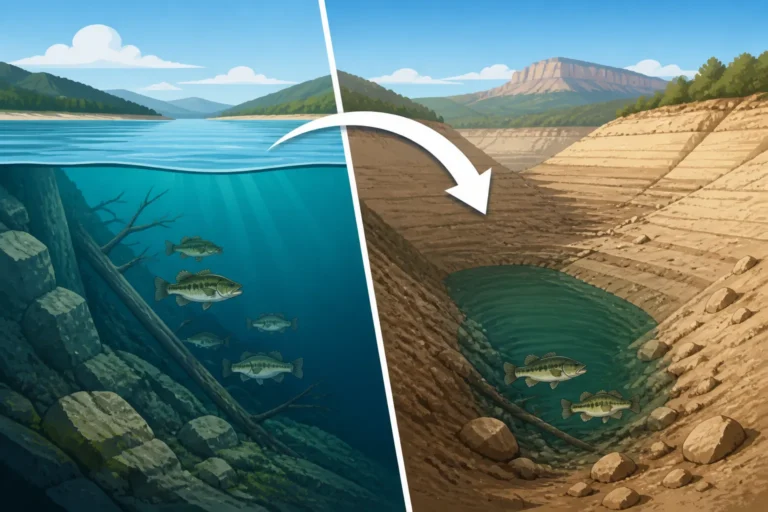
Reservoir drawdown alters Utah water levels for agriculture, irrigation, and municipal supply, shifting where fish hold.
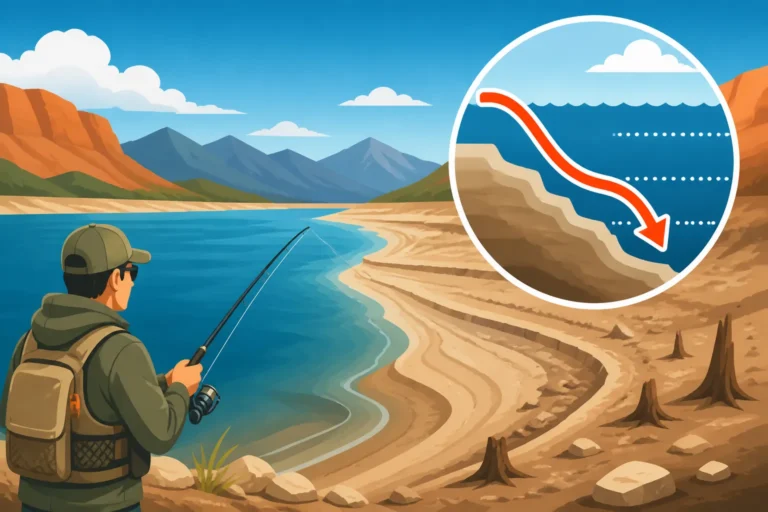
Utah reservoir drawdown patterns reveal hidden underwater structures, helping anglers locate fish when water levels drop.
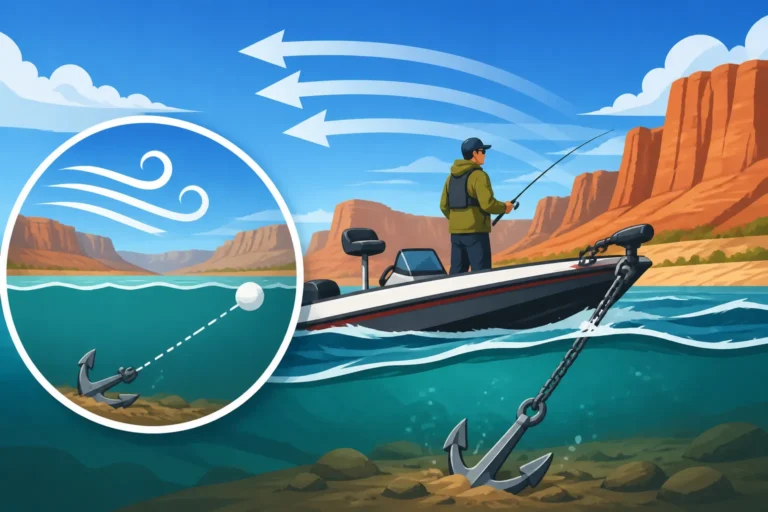
Proper anchoring techniques and equipment selection help boaters hold position and fish safely during windy conditions on Utah reservoirs.
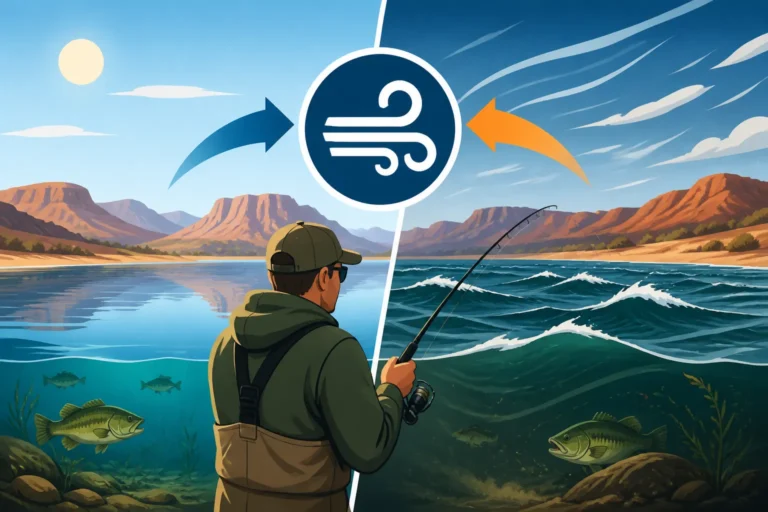
Wind currents on Utah reservoirs drive baitfish toward banks, oxygenate warm water, and trigger active feeding patterns.
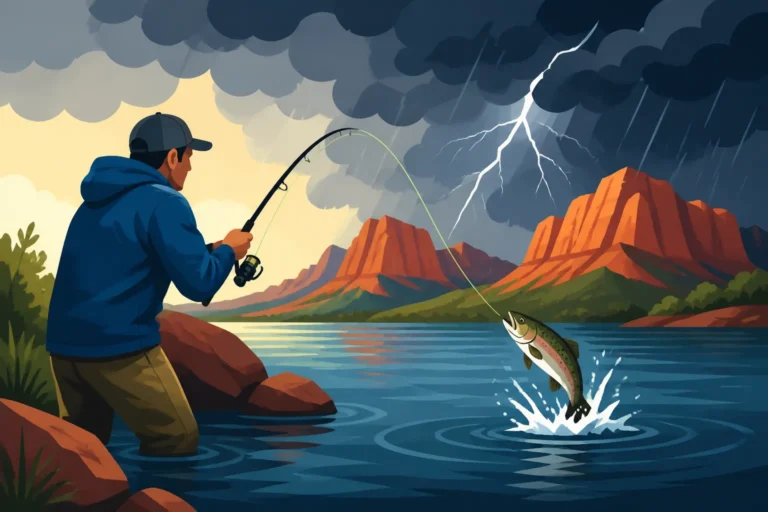
Utah afternoon thunderstorms create dangerous lightning and wind risks while changing water conditions for anglers fishing local reservoirs.

Midday sun drives fish into hiding as warming water changes temperature and oxygen levels, so the timing of a summer outing decides how well fish bite.

Spring water temperatures between 45 and 55 degrees Fahrenheit create optimal conditions for catching walleye in Utah lakes.

Smallmouth bass seasonal behaviors in Utah waters help anglers time fishing trips during pre-spawn, spawn, and post-spawn periods.

Utah Kokanee salmon fishing peaks in July, August, and September during their pre-spawn feeding and annual spawning run.

Seasonal timing and water temperatures reveal when to target trophy trout in Utah waters like Bear Lake and Flaming Gorge.