Do You Need a Baitcasting Reel for Utah Bass Fishing?
When you're diving into the world of bass fishing here in Utah, one of the biggest questions that often pops up, especially if you're looking to up your game, is about the kind of reel you really need. You've probably heard seasoned anglers passionately debate the merits of baitcasting versus spinning reels, and it can feel like you have to have a baitcaster to be serious about bass. But is that actually true for our unique Utah waters? This guide is going to cut through the noise and help you understand if a baitcasting reel is truly essential for your next Utah bass fishing adventure, or if your trusty spinning reel will do just fine.
Understanding Baitcasting Reels and Their Advantages for Bass
Let's be honest, baitcasting reels have a certain mystique about them. They look professional, they sound powerful, and many top-tier bass anglers swear by them. But what exactly makes them tick, and why are they so often associated with chasing those feisty smallmouth and largemouth bass we have here in Utah?
The Mechanics and Appeal of Baitcasters
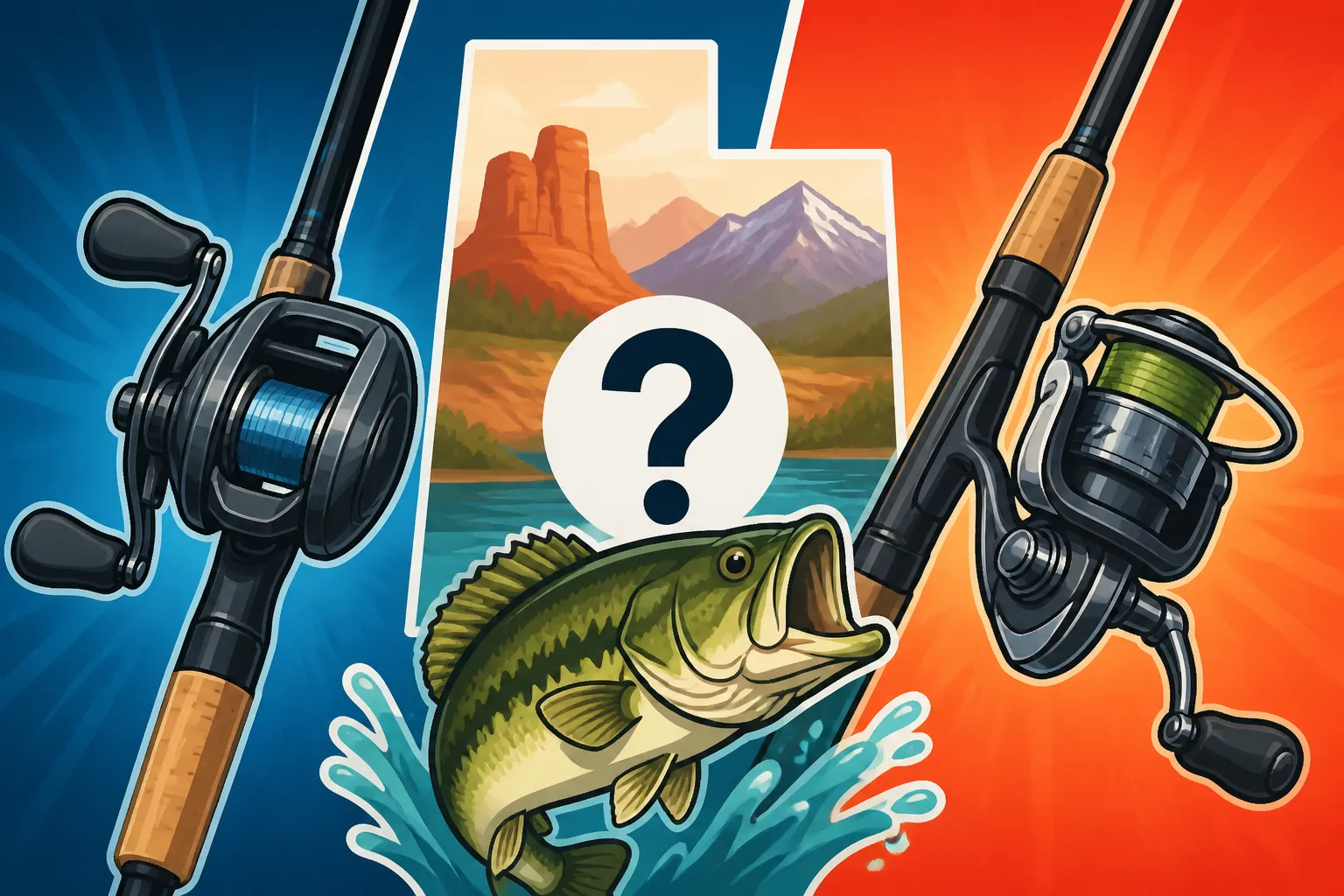
At its core, a baitcasting reel is designed for power, precision, and handling heavier lines and lures. Unlike a spinning reel where the spool is fixed and the bail rotates to release line, a baitcaster's spool rotates directly with the cast, allowing for smoother line release and incredibly accurate presentations once you master it. The line comes off in a straight path, which reduces friction and can lead to longer casts with the right technique.
The gear ratios on baitcasters are often higher, meaning you can retrieve line much faster, which is crucial when you need to quickly get a fish out of heavy cover or make repeated casts in a tournament setting. They also offer superior drag systems that can be incredibly fine-tuned, giving you more control over larger, harder-fighting fish. The palm of your hand cups the reel, providing a direct connection to your lure and fish, letting you feel every subtle bump and tap. It’s this direct feel, coupled with the ability to cast heavy jigs or crankbaits with pinpoint accuracy, that really draws many experienced anglers to baitcasters. You might see a huge selection of these at places like Bass Pro Shops, making you wonder if you're missing out.
When Baitcasters Shine for Utah Bass
While you can catch bass on just about any setup, there are specific scenarios in Utah's bass fishing landscape where a baitcasting reel genuinely offers a distinct advantage.
Firstly, if you're targeting larger bass, especially in areas with dense vegetation or rocky structure, a baitcaster provides the muscle you need. Think about casting heavy jigs or Texas-rigged worms into the thick weed beds of Utah Lake for largemouth bass, or pitching crankbaits around the submerged trees at Deer Creek Reservoir. A spinning reel might struggle to accurately deliver these heavier baits and certainly won't have the backbone to pull a big bass out of the snags before it can wrap your line. The robust construction and heavier lines a baitcaster can accommodate are simply better suited for these aggressive tactics. For more on how to target these fish, check out our Utah Bass Fishing Techniques article.
Secondly, accuracy is paramount when you're trying to hit small targets, like a specific rock outcropping, a pocket in the weeds, or the shady side of a dock. With practice, baitcasters allow you to "thumb" the spool, giving you incredible control over the cast's distance and trajectory, which means fewer errant casts and more time in the strike zone. This precision is a game-changer when you're trying to entice a wary smallmouth at Flaming Gorge, where they might be hunkered down next to a particular submerged boulder. If you're using larger, heavier lures, such as big swimbaits or spinnerbaits designed to imitate baitfish, a baitcaster handles the weight and retrieves much more efficiently than a spinning reel.
The Spinning Reel Alternative: Still a Solid Choice for Utah Bass
Now, before you rush out to buy the latest baitcasting setup, let's take a deep breath and acknowledge that spinning reels are far from obsolete in the world of Utah bass fishing. In fact, for many anglers and in many situations, they are still the superior choice.
Strengths of Spinning Reels for Bass Fishing
Spinning reels are often hailed for their user-friendliness, and for good reason. They are significantly easier to learn to cast, making them a fantastic starting point for beginners or for those who simply want a more forgiving fishing experience. The infamous "bird's nest" or backlash that plagues novice baitcaster users is virtually non-existent with a spinning reel, which means more time fishing and less time untangling frustrating knots. If you're just getting started, our guide on How to Cast a Spinning Rod for the First Time can be a great resource.
When it comes to lighter lures and finesse techniques, spinning reels truly shine. Think about drop-shotting a small worm for a finicky smallmouth, or casting a tiny grub in clear, calm waters. Spinning reels excel at handling lighter lines, which are often necessary for these delicate presentations. The larger spool diameter allows line to come off with less coiling, reducing line twist and making it easier to cast ultralight baits a good distance. This is why you'll find many anglers, even seasoned pros, reaching for a spinning rod when the bite gets tough or when fishing super clear water conditions that demand subtlety.
When Spinning Reels Make More Sense in Utah Bass Waters
There are plenty of scenarios right here in Utah where a spinning reel isn't just an acceptable choice; it's often the best choice for bass fishing.
If you're fishing open water without a lot of heavy cover, like cruising the rocky points of Jordanelle Reservoir or casting from shore at Deer Creek, a spinning reel's ease of use and ability to cast lighter baits long distances is perfect. You don't need the brute force of a baitcaster if you're not battling through dense lily pads. Similarly, if you're targeting smaller bass – which can be a blast on light tackle – a spinning reel makes the fight more enjoyable and keeps the overall setup lighter and more manageable. Many of our urban fishing ponds stocked with warmwater species are perfect spinning reel territory.
For new anglers, or even experienced ones who simply prefer a more relaxed approach, spinning reels reduce the learning curve and allow you to focus on the joys of fishing rather than battling your gear. If you're introducing a friend or a child to bass fishing, starting them with a spinning reel ensures a much more positive and less frustrating experience. Plus, many Best Rod and Reel Combo for Beginners options feature spinning gear for this very reason. Whether you're sight fishing for bass in clear water or using delicate presentations, spinning gear provides the control over lighter lines and baits that can be critical.
Making the Right Choice for Your Utah Bass Adventures
So, you're probably wondering, "Do I need a baitcasting reel for Utah bass fishing?" The short answer is: no, not strictly. But it can be a tremendous asset depending on your specific fishing goals, skill level, and the conditions you face. The best approach is to consider a few key factors that will help you decide what's right for you.
Factors to Consider
- Your Experience Level: If you're new to fishing or new to bass fishing, a spinning reel is generally recommended. Mastering a baitcaster requires practice to avoid backlashes, often called "bird's nests." There's nothing worse than spending half your fishing trip untangling line! However, if you're up for a challenge and want to expand your skills, learning a baitcaster can be incredibly rewarding.
- Type of Water You're Fishing: Are you fishing open reservoirs with scattered structure, or are you delving into heavy cover like submerged timber, dense weed beds, or thick brush piles? For heavy cover, baitcasters with heavier line are superior for winching fish out. For open water and finesse, spinning reels are often more practical. Consider the differences when fishing for Smallmouth Bass Size at Flaming Gorge versus largemouth in a more vegetated pond.
- Lure Weight and Type: If your go-to baits are heavy jigs, big crankbaits, spinnerbaits, or large swimbaits, a baitcaster is likely to handle them with more efficiency and accuracy. For lighter soft plastics, small jigs, or topwater baits that need a gentle touch, a spinning reel excels. To get an idea of which lures pair best with each, check out Best Lures for Utah Smallmouth Bass.
- Target Species within Bass: While both smallmouth and largemouth bass are found in Utah, their typical habitats and feeding behaviors can differ. Largemouth often hide in thicker cover, making a baitcaster advantageous. Smallmouth, especially in clear, rocky lakes, can sometimes be targeted with finesse techniques where spinning gear might shine. Our Utah Smallmouth Bass Guide offers more insights into this.
- Budget: Generally, a good quality baitcasting combo can be a bit more expensive than a comparable spinning combo. While you can find budget-friendly options for both on platforms like Amazon, it's wise to consider your investment. If you're just starting, a solid spinning setup will get you on the water without breaking the bank.
Hybrid Approaches and Learning Curve
Many serious bass anglers don't just pick one; they use both! It's common to have several rod and reel setups in a boat, each rigged for a different technique or lure. You might have a baitcaster for pitching heavy jigs into cover and a spinning rod for skipping weightless worms under docks. This "hybrid approach" allows you to adapt to whatever the fish are doing and whatever the conditions demand.
If you decide to dive into baitcasting, be prepared for a learning curve. It takes practice, patience, and a willingness to untangle a few backlashes. Start with slightly heavier lures in an open area like a park or your backyard. Keep your thumb firmly on the spool throughout the cast and release, learning to feather the line as the lure flies. Gradually move to lighter lures and more challenging conditions. You can find excellent instructional videos online, and many anglers at your local Bass Pro Shops or sporting goods store would be happy to share tips. Consider starting with an entry-level baitcasting combo before investing in a high-end model.
Ultimately, the best reel for you is the one you are most comfortable and confident using. Whether you're throwing a How to Fish a Drop Shot Rig for Utah Bass with a spinning reel or muscling a big jig through structure with a baitcaster, what matters most is getting out there and enjoying the fantastic bass fishing opportunities Utah offers. Don't let gear snobbery deter you from having a great time on the water.
| Feature / Reel Type | Baitcasting Reel | Spinning Reel |
|---|---|---|
| Casting Accuracy | Excellent (with practice), great for pinpoint casts | Good, but less fine-tuned thumb control |
| Casting Distance | Excellent for heavier lures | Excellent for lighter lures |
| Line Capacity | Generally higher, handles heavier line better | Good for lighter lines, smaller capacity for heavy |
| Lure Weight | Best for medium to heavy lures | Best for ultralight to medium lures |
| Backbone/Power | High, designed for battling heavy fish/cover | Moderate, good for finesse and open water |
| Learning Curve | Steep, prone to backlashes (bird's nests) | Easy, very forgiving for beginners |
| Feel/Sensitivity | Direct hand-to-spool contact, very sensitive | Good, but less direct connection to line |
| Best For | Heavy cover, big lures, trophy bass | Finesse, open water, smaller lures, beginners |
| Example Use Case | Pitching a jig into lily pads at Utah Lake | Drop-shotting for smallmouth at Flaming Gorge |
Disclaimer
This article is for general informational purposes only and does not constitute professional advice. Laws, prices and regulations vary by location and change over time. Consult a qualified professional for guidance on your specific situation.