Splake in Utah Reservoirs
Have you ever heard whispers about a fish in Utah that's a bit of a mystery, a hybrid that combines the fighting spirit of a brook trout with the deep-water cunning of a lake trout? That's the splake, and they can be incredibly rewarding to target, but also a little confusing to understand and identify. This guide is here to demystify these unique fish, explaining where you can find them in Utah's reservoirs, why they were introduced, and the best ways to bring one to your net.
Understanding the Splake Hybrid
Splake are fascinating creatures, an artificial hybrid that doesn't occur naturally in the wild. They are the result of deliberate cross-breeding by fisheries managers, specifically designed to offer anglers a unique challenge and to serve particular ecological roles in certain waters. If you've ever thought about trout species and how they all seem a bit alike but also distinct, the splake truly stands out as a "best of both worlds" kind of fish.
The Genetic Mix: Brook Trout Meets Lake Trout
At its core, a splake is a hybrid of a male brook trout ( Salvelinus fontinalis) and a female lake trout ( Salvelinus namaycush). This specific cross results in a fish that often inherits desirable traits from both parents. From the brook trout, they get a tendency to grow faster in certain environments and can be a bit more aggressive in their feeding habits. From the lake trout, they gain a preference for colder, deeper waters and the potential to reach impressive sizes, making them a true trophy fish in many anglers' eyes. This genetic blend makes them uniquely adapted to environments where neither parent species might thrive as effectively on its own, offering a new dimension to Utah Trout Species Guide.
The process of creating splake in a hatchery setting is quite meticulous. It involves carefully selecting mature brook trout and lake trout, then manually fertilizing the eggs. Because they are a hybrid, splake are typically sterile, meaning they cannot reproduce on their own in the wild. This characteristic is actually a key part of their management strategy, as it allows fisheries biologists to precisely control their populations without worrying about them overpopulating or disrupting the genetics of native fish species through uncontrolled breeding. It’s a very intentional approach to fishery enhancement.
Unique Physical Traits of Splake
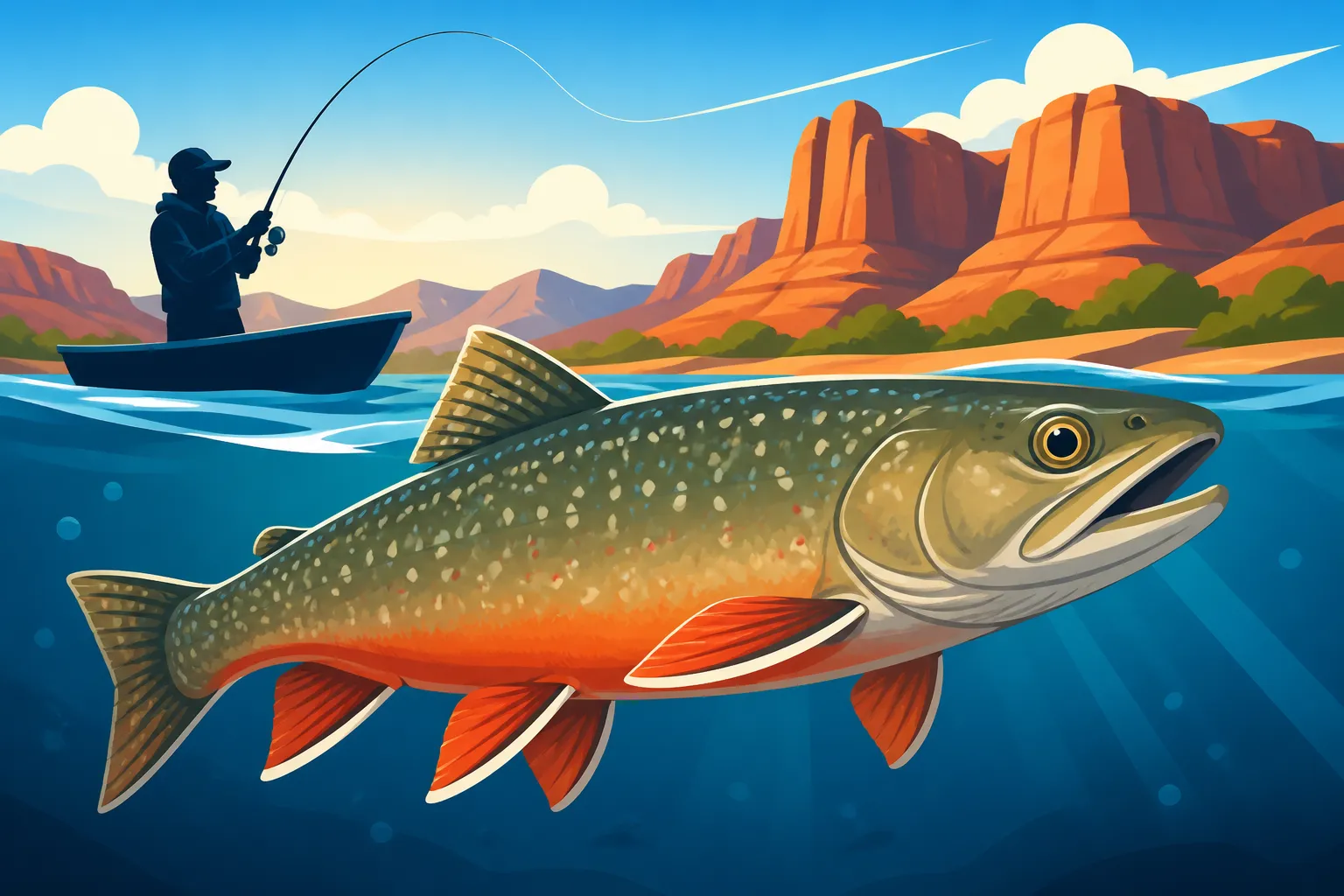
Identifying a splake can sometimes be a fun challenge, even for experienced anglers, because they possess a blend of features from their parent species. They often have the deep, stocky body shape of a brook trout, but with a more forked tail, reminiscent of a lake trout. The coloration can vary widely, but typically, you'll see a dark, mottled green or grey back, with lighter sides covered in pale, worm-like markings (vermiculations) that are characteristic of brook trout. They might also display the subtle pale spots common to lake trout, or a mix of both.
One of the most distinguishing features, if you look closely, is the pattern of their fins. Splake often have white leading edges on their pectoral, pelvic, and anal fins, bordered by a dark stripe, much like a brook trout. However, their tail fin will usually be more deeply forked than a brook trout's, but less so than a true lake trout's. It's a subtle visual cue that often gives them away. Many anglers mistake them for small lake trout or large brook trout, which is completely understandable given their lineage. Knowing these small details can really help you confidently identify your catch, especially if you're trying to adhere to specific regulations, as detailed in How to Identify Utah Trout Species.
Growth Rates and Lifespan in Utah Waters
Splake are often celebrated for their robust growth rates, particularly in nutrient-rich reservoirs where they have access to an abundant food supply. They tend to grow faster and reach larger sizes than their brook trout parents, and sometimes even outperform lake trout in certain environments, at least in their early years. This rapid growth is one of the primary reasons they are so appealing to stock, as they can quickly become a significant sport fish.
In Utah's reservoirs, where conditions are often favorable, splake can grow to several pounds within a few years. While a brook trout might top out at a few pounds, a splake has the potential to push into the double-digit range, offering a truly memorable fight. Their lifespan generally falls somewhere between their two parent species; they typically live longer than brook trout but often not as long as the oldest lake trout, which can live for decades. This balance of good growth and a manageable lifespan makes them an excellent candidate for put-grow-and-take fisheries, where they provide exciting angling opportunities without requiring decades of careful management to reach trophy status.
Why Splake are Stocked in Utah Reservoirs
The decision to stock a particular fish species is never made lightly. Fisheries biologists consider a host of factors, from the existing ecosystem to angler demand. For splake, their unique hybrid vigor and characteristics make them a valuable tool in Utah's fisheries management, often deployed to solve specific challenges or enhance angling experiences in ways other species cannot.
Filling an Ecological Niche
One of the main reasons splake find their way into Utah's waters is their ability to thrive in ecological niches that might be underutilized or challenging for other species. They prefer cold, deep water, much like lake trout, but they also tend to inhabit shallower depths and nearshore areas more readily than their lake trout parents. This allows them to exploit a wider range of forage options and habitat, making them more accessible to shore anglers and those without specialized deep-water gear.
In some reservoirs, there might be abundant populations of smaller, "rough" fish or invasive species that need to be controlled. Splake, with their predatory nature and good growth, can help keep these populations in check, contributing to a healthier overall ecosystem. Their ability to adapt to varying depths also means they can utilize different food sources throughout the water column, from insects and smaller fish near the surface to larger baitfish in deeper sections. This flexibility makes them an efficient predator in a diverse aquatic environment.
Angler Opportunity and Trophy Potential
Let's be honest: many of us love the idea of catching a truly big fish, and splake offer excellent trophy potential. Because they grow quickly and can reach impressive sizes, they provide a fantastic sport fishing opportunity. Imagine hooking into a hard-fighting fish that combines the acrobatics of a brook trout with the sheer power of a lake trout – that's the splake experience. Many anglers specifically target these hybrids for the thrill of the catch and the possibility of a new personal best.
Their aggressive feeding habits can also make them more willing to strike a wide variety of baits and lures, which is always a bonus for anglers. Unlike some notoriously finicky fish, splake are often quite active predators, especially during certain times of the year, making them a more consistent target. For those who enjoy the challenge of targeting larger trout species without necessarily needing the decades-long commitment required for truly giant lake trout, splake offer a rewarding middle ground. Finding a good fishing rod and reel combo that can handle a hard-fighting splake is essential, and you can find many great options on Amazon.
Managing Prey Fish Populations
As mentioned, splake play a vital role in balancing the ecosystem by preying on other fish. In reservoirs where populations of certain forage fish might become too dense, splake can act as an effective biological control. This is especially true for species like suckers or even smaller trout that might compete with other desired sport fish. By adding splake to the mix, fisheries managers can introduce a predator that helps maintain a healthier balance, ensuring that no single species dominates to the detriment of others.
This management strategy is a delicate balance. The goal isn't to eradicate any species, but rather to create a diverse and thriving fishery that supports multiple fish types and offers varied angling experiences. The sterility of splake is crucial here; it means their impact on prey populations can be carefully managed through controlled stocking numbers, rather than relying on unpredictable natural reproduction. This precise control helps ensure long-term sustainability and healthy fish populations for years to come.
Key Utah Reservoirs for Splake Fishing
While splake are stocked in a variety of waters across Utah, some reservoirs consistently stand out as prime destinations for targeting these unique hybrids. These specific locations offer the right combination of cold, deep water, abundant forage, and management efforts that favor splake survival and growth. Knowing where to go is half the battle when targeting a specific species!
Top Splake Destinations and Their Characteristics
When you're dreaming of landing a big splake, a few key Utah reservoirs should immediately come to mind. Splake and Where They're Stocked in Utah provides an excellent overview, but let's dive into some of the most prominent ones.
Fish Lake: Nestled in the high mountains of south-central Utah, Fish Lake is often considered the undisputed king of splake fishing in the state. This stunning natural lake is deep, cold, and rich in forage, making it ideal habitat for splake to grow large and healthy. Anglers regularly pull out splake weighing in the double digits, and it holds a strong reputation for producing trophy fish. The abundance of tullibee (cisco) in Fish Lake provides a fantastic food source, allowing splake to pack on weight. Fishing here can be done from shore, but boat anglers often find the most success trolling or jigging in deeper sections. During the winter, Fish Lake Trophy Trout Fishing also becomes a hot spot for ice fishing for splake.
Scofield Reservoir: Located in central Utah, Scofield is another excellent splake fishery, especially known for its ice fishing opportunities. While not quite as deep as Fish Lake, it still offers the cool, clear water that splake prefer. The reservoir's management aims to provide a diverse fishery, and splake are a significant part of that, growing to respectable sizes. The accessibility of Scofield, particularly from the Wasatch Front, makes it a popular choice. Scofield Reservoir Fishing Access provides details on how to get there and where to launch your boat or fish from shore.
Other Notable Waters: While Fish Lake and Scofield are the marquee splake destinations, you might also find splake stocked in other, smaller reservoirs across the state, such as Joes Valley Reservoir, Johnson Reservoir, and some high-mountain lakes in the Uintas. These smaller waters often offer a more remote and peaceful angling experience, though the average size of the splake might be slightly smaller than in the larger, more productive lakes. Always check the latest fishing reports and regulations for the specific water you plan to visit, as stocking programs can change.
Water Conditions Favoring Splake
Splake, being part lake trout, have a strong preference for cold water. This means they are most active and found in the cooler sections of a reservoir. During the summer months, you'll typically find them in the deeper, thermocline layers where the water temperature remains consistently cool. As surface temperatures rise, they'll retreat to these cooler refuges. This is why understanding water temperature and depth is crucial for successful splake fishing, and a good fish finder can be an invaluable tool. You can find excellent portable fish finders, even for kayaks or smaller boats, on Amazon.
During spring and fall, when the entire water column cools down, splake can be found at a wider range of depths, often moving closer to shore or into shallower bays to feed. This "turnover" period can be an excellent time to target them with a variety of methods. In winter, under the ice, they'll also spread out more, but still prefer areas with significant depth nearby, or around underwater structure where they can ambush prey. Clear water is also generally preferred, as splake are visual predators, relying on sight to hunt their food.
Seasonal Movements within Reservoirs
Understanding the seasonal movements of splake is key to consistent success. Like most fish, their behavior is heavily influenced by water temperature, food availability, and spawning instincts (though they are sterile, some hybrid instincts may persist).
- Spring (Ice-off to Early Summer): As the ice recedes and water temperatures are uniformly cold, splake will often move into shallower areas, actively feeding after the long winter. This is a great time for shore fishing or casting from a boat near points, drop-offs, and rocky structures. They'll be on the hunt for baitfish that are also becoming more active.
- Summer: This is when splake go deep. Look for them in the thermocline—the layer where warm surface water meets cold deep water. This is where they find cooler temperatures and often where their prey congregates. Trolling with downriggers or deep jigging become the most effective methods. Focus on main lake basins, deep humps, and submerged points.
- Fall: As water temperatures begin to drop again, splake will once more become more widely dispersed throughout the water column. They often move shallower as they put on weight for winter, feeding aggressively. This is another excellent time for targeting them, similar to spring, but with potentially larger fish.
- Winter (Ice Fishing Season): Under the ice, splake are often found suspended over deep water or relating to underwater structure. Utah Ice Fishing Guide offers a lot of insights that apply here. They will cruise basins and suspend to chase baitfish, making vertical jigging a very effective technique. They're often found a bit shallower than true lake trout during winter, which can make them more accessible.
Identifying Splake on the Water
Getting a clear identification of your catch can be challenging, especially with hybrids like the splake that share characteristics with their parent species. Misidentifying a fish can sometimes lead to inadvertently breaking regulations, so it's super important to know what you're looking at. Let's break down the key differences between splake and the fish they are most commonly confused with: brook trout and lake trout.
Distinguishing Splake from Brook Trout
Brook trout are one of the parent species of the splake, so it's no wonder they share many visual similarities. However, there are some clear distinctions once you know what to look for.
- Tail Shape: This is often the most reliable indicator. Brook trout have a square or very slightly forked tail. Splake, on the other hand, inherit a more distinctly forked tail from their lake trout parent, though it's typically not as deeply forked as a pure lake trout. If the tail looks like a shallow "V," it's likely a splake.
- Vermiculations (Worm-like Markings): Both species have these distinctive worm-like markings on their backs, but on splake, these markings tend to be less prominent and may not extend as far down their sides as they do on a brook trout. Brook trout often have very vivid vermiculations.
- Spots: Brook trout have light spots (yellow or red with blue halos) on a dark background. Splake may have some pale spots, but they are generally less pronounced than on a brook trout and sometimes resemble the larger, paler spots of a lake trout.
- Body Shape: Brook trout often have a slightly deeper, more compressed body shape, especially when mature. Splake can be stocky but might appear a bit more elongated, closer to a small lake trout in overall profile.
Differentiating Splake from Lake Trout (Mackinaw)
Lake trout are the other half of the splake's genetic makeup, and confusion often arises when splake grow to larger sizes, resembling smaller lake trout. However, there are critical differences, particularly concerning their tails and fin coloration. For more on lake trout, see Utah Lake Trout (Mackinaw) Guide.
- Tail Shape: This is, again, the prime identifier. Lake trout have a deeply forked tail, much like a salmon. A splake's tail, while distinctly forked compared to a brook trout, will still be less deeply forked than a pure lake trout's. It's often described as an intermediate fork.
- Head Shape: Lake trout typically have a larger, more pointed head compared to the slightly blunter head of a splake.
- Coloration and Spots: Lake trout typically have light spots (white, yellowish, or grey) on a darker background, and these spots tend to be rounder and more distinct than the vermiculations found on splake. Splake will usually retain some of the worm-like markings from their brook trout lineage, even if faded. The background color of a lake trout can also be more uniformly grey or brown compared to the mottled greens and browns of a splake.
- Leading Fin Edges: While splake often have white leading edges on their lower fins (pelvic, pectoral, anal) with a distinct black stripe, lake trout generally do not have this same prominent white-black edging. Their fins are more uniformly colored with their body.
Subtle Clues for Positive Identification
Sometimes, it's not just one feature but a combination of subtle clues that helps with positive identification. Think of it like a detective looking for patterns. Here’s a quick table to summarize the key differences:
| Feature | Brook Trout | Splake | Lake Trout (Mackinaw) |
|---|---|---|---|
| Tail Shape | Square to slightly emarginate | Moderately forked | Deeply forked |
| Body Markings | Prominent vermiculations | Fainter vermiculations, some spots | Distinct light spots |
| Fin Edges | White leading edges with black stripe (lower fins) | White leading edges with black stripe (lower fins) | No distinct white leading edges |
| Spot Color | Red/yellow spots with blue halos | Pale spots, sometimes indistinct | Pale spots (white/yellow/grey) |
| Head Shape | Relatively small, blunt | Intermediate | Larger, more pointed |
| Pectoral Fin | Shorter, more rounded | Intermediate | Longer, more pointed |
If you're still unsure, consider taking a clear photograph of the fish, especially highlighting its tail and fin patterns. Fisheries departments often welcome such photos if you have questions, and they can help you become a more confident identifier over time. Knowing these distinctions is not just for curiosity; it's vital for adhering to Utah Fishing Regulations Explained, which may have different limits or rules for different trout species.
Effective Techniques for Catching Splake
Splake are aggressive and fun to catch, but like any fish, they respond best to certain techniques, baits, and lures. Because they blend the characteristics of brook and lake trout, successful splake fishing often involves combining strategies that would work for either of their parent species, with a particular emphasis on depth and forage.
Baits and Lures That Attract Splake
Splake are primarily piscivorous, meaning they love to eat other fish, especially baitfish like minnows or tullibee (cisco) in larger reservoirs like Fish Lake. This preference heavily influences the best choices for bait and lures.
Live Baits:
- Minnows: Live minnows, where legal, are incredibly effective. Shiner or chub minnows, fished on a simple hook with a weight or under a bobber, can be irresistible. This mimics their natural prey perfectly.
- Worms: While not their primary diet, nightcrawlers can attract splake, especially when they are shallower or when they are actively foraging for anything available. Tipping a lure with a piece of worm can also increase its appeal.
- PowerBait or Similar Dough Baits: For stocked splake, especially recently introduced ones, PowerBait can be effective, particularly bright colors. These fish are often accustomed to hatchery diets, and the scent and texture of these baits can trigger a strike.
Artificial Lures:
- Jigs: Vertical jigging with spoons, tube jigs, or marabou jigs can be extremely productive, especially when targeting suspended splake or fishing through the ice. Utah Jigging Techniques for Walleye offers principles that apply well here. Bright colors or natural baitfish patterns tend to work best. Tipping your jig with a piece of minnow or a worm can make it even more enticing.
- Spoons: Casting or trolling spoons that imitate baitfish are excellent choices. Classic flutter spoons or even heavier jigging spoons can be retrieved erratically to mimic a wounded fish.
- Crankbaits and Stickbaits: Trolling deep-diving crankbaits or casting suspending stickbaits can be very effective, especially when splake are cruising near structure or along drop-offs. Look for lures that dive to the depths where you're marking fish.
- Spinners: Inline spinners or spinnerbaits can work well when splake are in shallower water, particularly during spring and fall. The flash and vibration can draw strikes from aggressive fish.
When choosing lures, consider the size of the forage in the particular reservoir. If you know they are feeding on small tullibee, select lures that match that profile and color. Having a variety of colors and sizes on hand, which you can easily purchase from Amazon, is always a good strategy when you're unsure what the fish are keying in on.
Best Fishing Methods (Trolling, Jigging, Shore Fishing)
The best method for catching splake largely depends on the time of year, water depth, and whether you're fishing from a boat or shore.
- Trolling: This is a highly effective method for covering large areas and finding active splake, especially in deep reservoirs during summer. Use downriggers, planer boards, or simply lead core line to get your spoons, crankbaits, or stickbaits down to the depth where fish are holding. Vary your speed and depth until you find what works. Utah Trolling Techniques for Lake Trout provides great insights that are applicable for splake.
- Jigging: Vertical jigging is fantastic from a boat or through the ice. Drop your jig to the bottom or to the depth you're marking fish, then impart an erratic lift-and-drop motion. Pay attention to your fish finder; splake will often move in to investigate the jig. This is particularly effective in winter when splake are often suspended.
- Shore Fishing: While splake primarily prefer deep water, they do come into shallower areas, especially during spring and fall, or in low-light conditions. Casting spoons, heavy spinners, or bait (like PowerBait or worms) with a sliding sinker rig can be productive from shore, particularly near drop-offs or points.
- Ice Fishing: Splake are a popular target for ice anglers. Use a portable fish finder (flasher) to locate suspended fish and structure. Vertical jigging with spoons, tube jigs, or small swimbaits is the go-to technique. Using tip-ups with minnows can also be very effective for covering more area.
Seasonal Strategy Adjustments
Your fishing strategy for splake absolutely needs to adapt with the seasons.
- Spring: Focus on shallower areas (10-30 feet), especially around structure like rocky points, submerged humps, or even along the dam. Both casting lures (spoons, spinners, crankbaits) and still fishing with bait will work well. The fish are often hungry and aggressive after ice-out.
- Summer: Go deep! Splake will be in the coolest parts of the reservoir, often 40-80+ feet down. Trolling with downriggers or deep-diving crankbaits is paramount. Vertical jigging over deep structure or suspended schools of baitfish is also very effective. Concentrate your efforts during early morning, late evening, or overcast days when they might venture slightly shallower.
- Fall: As water temperatures cool, splake will again become more active throughout the water column and move closer to shore. This is often the time for aggressive feeding as they prepare for winter. Trolling, casting, and jigging can all be productive at various depths, mirroring spring tactics but potentially with larger lures as fish are putting on weight.
- Winter: Utah Ice Fishing Guide is your best friend here. Splake will be found suspended in the water column or near structure. Vertical jigging with a fish finder to locate them is key. Dead sticking a minnow on a tip-up can also be incredibly effective, especially if you set it near a jigging hole.
Remember, consistent success comes from understanding the fish's behavior and adapting your approach. Keep an eye on local fishing reports, and don't be afraid to experiment with different baits, lures, and depths until you find what the splake are biting on that day.
Conservation and Management of Splake in Utah
The presence of splake in Utah's reservoirs is a testament to active and thoughtful fisheries management. Unlike native species, splake are a managed resource, and their populations are carefully monitored and maintained to provide optimal angling experiences while protecting the broader aquatic ecosystem. This stewardship ensures that these unique hybrids continue to thrive for future generations of anglers.
Stocking Programs and Their Goals
The Utah Division of Wildlife Resources (UDWR) manages splake populations through strategic stocking programs. Since splake are sterile, natural reproduction does not occur, meaning every splake in Utah's waters was intentionally placed there by the state's fisheries biologists. This allows for precise control over their numbers and distribution.
The goals of these stocking programs are multifaceted:
- Enhance Angling Opportunities: Primarily, splake are stocked to provide exciting sport fishing. Their aggressive nature and potential for large size make them a popular target, drawing anglers to specific reservoirs. This contributes to the recreational value of Utah's waters.
- Utilize Underutilized Forage: In some reservoirs, there might be an abundance of certain prey species (like tullibee or less desirable rough fish) that are not effectively managed by existing predators. Splake can step in to fill this gap, converting these prey into desirable game fish, which helps maintain a healthy ecological balance.
- Provide a Unique Hybrid Fishery: Splake offer something distinct from pure brook trout or lake trout. They can be hardier than brook trout in larger reservoir environments and sometimes grow faster than lake trout, providing a quicker return on stocking investment and a different fight for anglers.
- Species Diversity: By adding splake, managers increase the diversity of fish species available to anglers, catering to different preferences and helping to spread fishing pressure across various types of fish.
These stocking decisions are often based on extensive research, population surveys, and habitat assessments to ensure that splake are placed in waters where they are most likely to thrive and provide the greatest benefit to both the ecosystem and anglers.
Regulations Specific to Splake
Because splake are a managed species, they often have specific regulations pertaining to their harvest. These regulations are designed to sustain healthy populations and provide consistent angling success. It's absolutely crucial to consult the current Utah Fishing Regulations Explained guide before you head out, as rules can change from year to year and vary significantly between different bodies of water.
Common regulations you might encounter for splake include:
- Bag Limits: There will almost always be a daily bag limit, specifying how many splake you can keep per day. This might be part of a general trout limit or a specific limit just for splake.
- Possession Limits: This refers to the total number of fish you can have in your possession, often twice the daily bag limit.
- Size Restrictions: Some waters might have minimum or maximum size limits, or slot limits (e.g., you can keep fish under X inches and over Y inches, but must release those in between). These are usually implemented to protect larger, older fish that contribute to the trophy fishery.
- Gear Restrictions: While less common specifically for splake, some waters might have general restrictions on bait types, number of rods, or specific fishing methods. Always check for the specific water you are fishing.
Ignorance of the regulations is never an excuse for violations, and penalties for exceeding limits or violating size restrictions can be substantial. Always double-check the latest guide to ensure you're fishing legally and responsibly.
Future Outlook for Splake Fisheries
The future of splake fishing in Utah looks bright, especially in the established trophy waters like Fish Lake and Scofield Reservoir. Fisheries managers continue to monitor these populations closely, adjusting stocking numbers and regulations as needed to maintain high-quality fisheries. There's a clear understanding of the value splake bring as a unique sport fish that helps fill specific ecological niches.
However, the outlook is always subject to environmental factors, such as drought conditions affecting water levels and temperatures, or the introduction of new invasive species. The ongoing fight against aquatic invasive species (AIS) is particularly important, as these can dramatically alter ecosystems and impact fish populations. Anglers play a critical role in this conservation effort by properly cleaning, draining, and drying their boats and gear.
As an angler, your participation is vital. Not only by following regulations but also by supporting conservation efforts and sharing your fishing experiences responsibly. Splake offer a fantastic and challenging angling experience in Utah, and with continued diligent management and angler cooperation, they will remain a highlight of the state's diverse fishing opportunities for many years to come. Remember to check out Best Places to Fish in Utah to find more amazing spots for all sorts of species.
Disclaimer
This article is for general informational purposes only and does not constitute professional advice. Laws, prices and regulations vary by location and change over time. Consult a qualified professional for guidance on your specific situation.