Where Kokanee Salmon Live in Utah
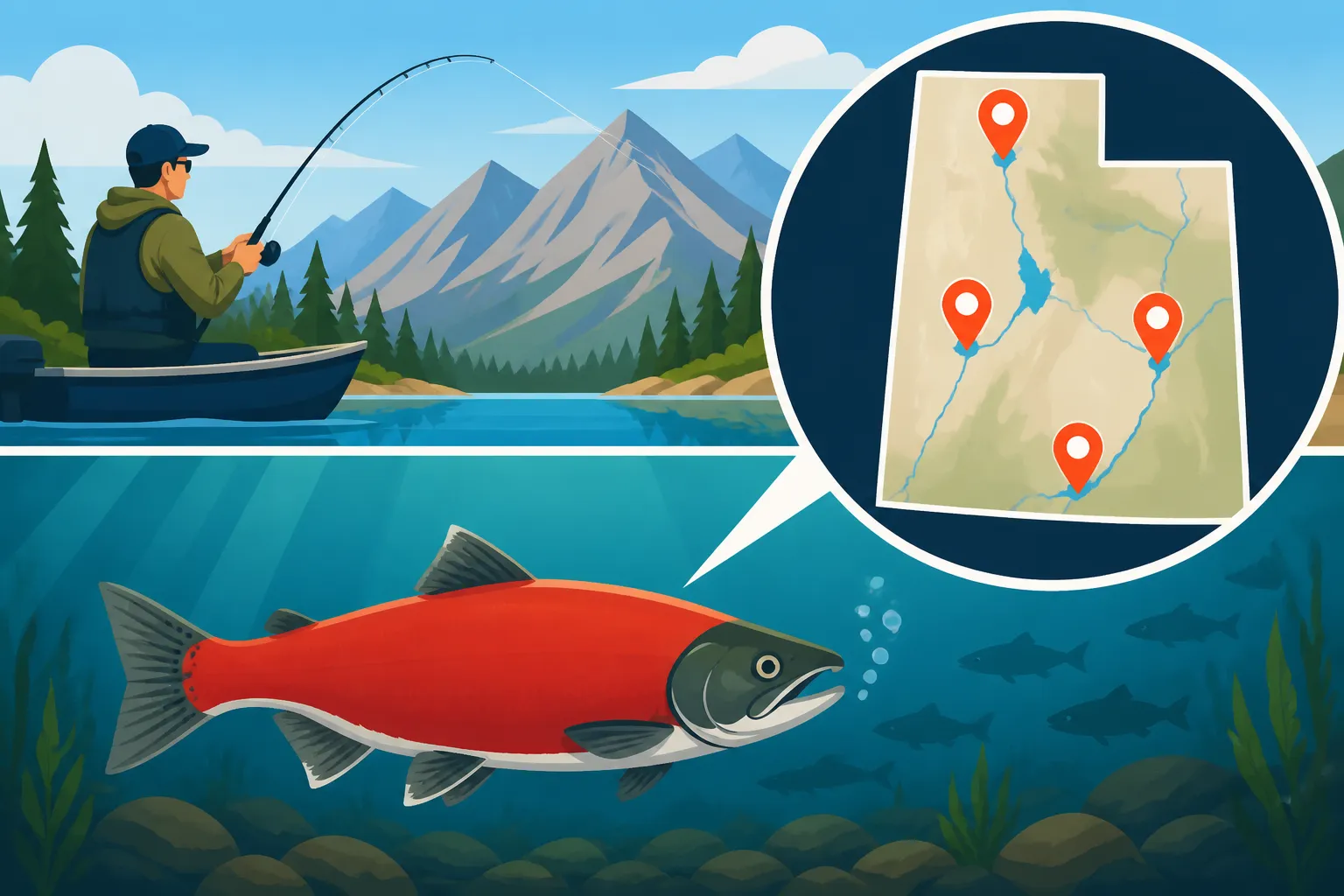
There's nothing quite like the thrill of chasing Kokanee salmon in Utah. These feisty, landlocked sockeye are a true prize, but finding them can sometimes feel like solving a cryptic puzzle. They're not always in plain sight, and understanding their preferred hangouts is the secret weapon every angler needs. This guide is going to peel back the layers on where these elusive fish live in Utah, giving you the inside scoop on their favorite reservoirs, the specific conditions they crave, and how their locations shift with the seasons, so you can spend less time guessing and more time reeling in those vibrant, silver beauties.
Understanding Kokanee Salmon in Utah
Before we dive into specific locations, let's get a handle on what makes Kokanee tick. They're not just any fish; they're unique in their biology and their habitat demands, which is why understanding them is key to figuring out where they'll be hiding.
A Brief Overview of Kokanee Biology
Kokanee salmon are fascinating creatures. Essentially, they are the landlocked version of sockeye salmon, meaning they complete their entire life cycle in freshwater lakes and reservoirs without ever migrating to the ocean. This little detail has huge implications for where they choose to live and how they behave.
Their biology dictates a very specific set of environmental needs. Kokanee absolutely thrive in cold, deep, and incredibly clear water. Think about it: they are cold-water fish, and they need that chill to feel comfortable and metabolize properly. They're also planktivores, which means their diet consists almost entirely of zooplankton – tiny, microscopic crustaceans that drift in the water column. So, wherever you find abundant zooplankton and the right water conditions, you're likely to find Kokanee. This preference for cold, deep, clear water also plays a major role in their behavior, often keeping them suspended in the middle of the water column rather than near the bottom or shallow shorelines, making them a unique challenge for anglers.
Why Habitat Matters for Kokanee Anglers
For us anglers, understanding the specific habitat needs of Kokanee isn't just academic; it's absolutely crucial for success. If you're trying to catch them in warm, shallow, or murky waters, you're going to be disappointed. Knowing their preferred depths, the water temperatures they like, and the areas where their food congregates allows us to narrow down our search significantly. It’s like knowing the address of your best fishing buddy – you don't just wander around the whole town hoping to bump into them!
This understanding directly informs our fishing techniques and the timing of our trips. For instance, knowing Kokanee favor specific thermal layers means we'll be breaking out the downriggers to get our lures to the right depth. We'll be paying attention to water clarity and oxygen levels, which can change where they hold within a given reservoir. And, of course, their famous spawning runs in the fall mean they move from deep open water to specific shoreline or tributary areas. Without this habitat knowledge, you're essentially fishing blind, which, while sometimes a fun adventure, isn't usually the recipe for a cooler full of bright red Kokanee.
Prime Kokanee Habitats: Utah's Top Reservoirs
Utah is blessed with several fantastic reservoirs that offer ideal conditions for Kokanee salmon. These waters have the size, depth, and forage base to support healthy, thriving populations, making them go-to destinations for anglers specifically targeting these beautiful fish.
Strawberry Reservoir: A Kokanee Powerhouse
Strawberry Reservoir, nestled in the Uinta National Forest, is arguably Utah's most famous Kokanee fishery, and for good reason. This massive body of water offers everything Kokanee need: vast expanses of deep, cold water, and an incredibly rich zooplankton population. It's truly a powerhouse when it comes to producing impressive numbers of Kokanee year after year, thanks to consistent stocking and excellent habitat. Anglers come from all over for a shot at these fish. You can learn more about finding your way around this gem in our Strawberry Reservoir Fishing Guide.
Within Strawberry's expansive waters, certain areas tend to concentrate Kokanee more than others. The main channel, particularly the deeper sections near Soldier Creek and Strawberry Bay, are classic trolling grounds. These areas often have the ideal depth and water temperature profile, especially during the warmer months, to hold large schools of Kokanee suspended in the water column. As the seasons change, and especially leading up to their fall spawning run, these fish will begin to stage closer to the shallower gravel beds and tributary inlets, offering different angling opportunities. During the ice fishing season, areas like Soldier Creek and Chicken Creek bight often become hot spots as fish congregate under the ice.
Flaming Gorge Reservoir: Giants in the Deep
Flaming Gorge, straddling the Utah-Wyoming border, presents a very different, but equally compelling, Kokanee fishery. While Strawberry is known for numbers, Flaming Gorge is often lauded for the sheer size of its Kokanee. This reservoir is significantly deeper and colder than Strawberry, creating a truly immense habitat for fish that prefer the deep chill. The vastness of Flaming Gorge means finding Kokanee can be a bit more of a treasure hunt, but the reward of a larger, stronger fish is often worth the effort. It's a truly iconic fishery, and you can explore it further with our Flaming Gorge Fishing Guide.
The sheer depth and volume of water in Flaming Gorge mean that Kokanee can be found spread out, but certain areas do stand out. The arms of the reservoir, particularly the Green River arm and Blacks Fork arm, are known hotspots. During the summer, Kokanee will often be found suspended at depths between 40 to 80 feet, following the ideal temperature and food layers. Trolling with downriggers becomes absolutely essential here to get your gear into their strike zone. Early spring and late fall might see them a bit shallower, but generally, expect to fish deep. It's a good idea to scout for temperature breaks and concentrate your efforts around these zones, as fish will actively seek out their preferred thermal layers.
Jordanelle Reservoir: Accessible Yet Productive
Jordanelle Reservoir offers a fantastic Kokanee fishing experience that's a bit closer to the Wasatch Front's population centers, making it an incredibly popular and accessible option for many anglers. While not as massive as Strawberry or Flaming Gorge, Jordanelle still boasts ample deep, cold water and a healthy population of Kokanee, thanks to regular stocking efforts. It's a great spot for both seasoned Kokanee anglers and those looking to get into the game without a huge drive. Its convenient location often means you can squeeze in a morning or evening trip, maximizing your time on the water. For more details on access, check out Jordanelle Reservoir Fishing Access.
The Kokanee in Jordanelle tend to congregate in the deeper, central basin of the reservoir. Key areas include the main lake body, particularly where the Provo River arm meets the main reservoir. These deep pockets provide the cold-water refuge that Kokanee crave, especially during the warmer months. Anglers often have success trolling across the deepest sections, paying close attention to their electronics to mark schools of fish. During the pre-spawn staging in the fall, you might find them closer to the river inlets or along steeper shorelines, though they typically don't run far up the river itself in Jordanelle due to specific conditions.
Other Notable Utah Waters for Kokanee
While the big three often get the spotlight, Utah has other reservoirs that offer excellent opportunities for Kokanee fishing. These waters might be smaller or have more specialized conditions, but they can still deliver fantastic action for those in the know.
Wanship/Rockport Reservoir: A Growing Fishery
Rockport Reservoir, often referred to as Wanship by locals due to its proximity to the town, is a fantastic, often overlooked, Kokanee fishery. Over the past few years, its Kokanee population has really taken off, making it a viable and exciting option for anglers. It's a smaller reservoir compared to Strawberry or Flaming Gorge, but don't let its size fool you; it can produce some impressive catches. The consistent stocking and good habitat conditions here contribute to a robust fishery, offering a great alternative to the more crowded destinations. Find out more about how to get there in Rockport Reservoir Fishing Access.
The Kokanee in Rockport tend to hold in the deeper, central sections of the reservoir. Areas near the dam and along the deeper channel that runs through the middle are prime trolling grounds. Because it's a bit smaller, it can sometimes be easier to locate schools of fish with your electronics. Look for them suspended in the colder water layers, often 20-50 feet down, depending on the time of year and overall water temperatures. Early mornings and evenings often yield the best results, especially during the summer months when the sun can push them deeper. In the fall, they will stage near the shoreline gravel beds for their spawning run, offering exciting opportunities for shore anglers or those in smaller craft.
Scofield Reservoir: High-Altitude Opportunities
Scofield Reservoir offers a unique, high-altitude Kokanee fishing experience. Situated in the mountains of Carbon County, Scofield benefits from naturally colder water temperatures due to its elevation, which creates excellent conditions for Kokanee. It's a beautiful setting, and the fish here are known for being particularly vibrant and strong. While perhaps not as famous for Kokanee as Strawberry, Scofield holds its own, especially for those who enjoy fishing in a picturesque, mountain environment. For a deeper dive into fishing at this location, consider our Scofield Reservoir Fishing Access guide.
The Kokanee in Scofield are typically found in the deeper, main basin areas. The reservoir's overall depth allows for a good thermocline to develop, providing the cool, oxygenated water Kokanee need. Focus your efforts on trolling across the larger, open water sections, paying attention to depth contours and any schooling baitfish on your fish finder. Depths can vary significantly with the season, but expect them to be suspended in the mid-water column. Ice fishing for Kokanee is also popular here, with anglers targeting them in the deeper sections through the ice. The high elevation means ice tends to form earlier and last longer, extending the winter fishing season.
Fish Lake: Scenic and Successful
Fish Lake, often called the "Gem of Utah," is another stunning high-altitude fishery that boasts a healthy Kokanee population alongside its famous trophy trout. The lake's pristine, deep, and clear waters provide an ideal environment for these salmon. Fishing at Fish Lake is not just about the catch; it's about the entire experience, surrounded by aspens and panoramic views. It's a truly special place to chase Kokanee, and if you're interested in the larger fish, our Fish Lake Trophy Trout Fishing guide might also interest you.
Kokanee at Fish Lake typically inhabit the deeper parts of the main lake basin. The extensive deep-water habitat ensures they have ample space and cold temperatures, even during the peak of summer. Anglers usually have the most success trolling small dodgers and hoochies or wedding rings behind downriggers to reach the Kokanee's preferred depths. Look for them over structures and along deep contours. Similar to Scofield, Fish Lake offers productive ice fishing for Kokanee during the winter months, with fish often schooling up in predictable areas beneath the ice. The clear water here also means that light penetration and lure color can be particularly important.
Factors Influencing Kokanee Distribution Within Lakes
It's not enough to just know which lakes have Kokanee; to consistently find them, you need to understand why they are where they are within those lakes. Several environmental factors play a critical role in how Kokanee distribute themselves throughout the water column and across the reservoir.
Water Temperature and Oxygen Levels
Kokanee are incredibly sensitive to water temperature. They are cold-water fish, ideally preferring water temperatures in the 50-60°F range. During the warmer months, this means they'll seek out the thermocline – the layer in a lake where the water temperature changes rapidly with depth. Above the thermocline, the water is too warm (epilimnion), and below it, while cold, the oxygen levels can become too low (hypolimnion) in some reservoirs due to decomposition. This narrow band, often referred to as the "Kokanee zone," is where they'll be suspended, feeding and living comfortably. Missing this depth by even a few feet can mean the difference between an empty stringer and a limit.
However, oxygen levels are just as critical. Even if the water is cold enough, if there isn't sufficient dissolved oxygen, Kokanee won't be able to survive. In some deeper reservoirs, particularly during late summer, the deepest, coldest water can become anoxic (lacking oxygen). When this happens, Kokanee are forced shallower, even if it means tolerating slightly warmer temperatures. This means anglers need to constantly monitor water temperatures and consider the reservoir's oxygen profile, often with the help of a fish finder that can show water temperature at different depths, to pinpoint the most habitable zone for these sensitive fish.
Forage Base and Zooplankton Concentration
As mentioned earlier, Kokanee are primarily planktivores, meaning their diet revolves almost entirely around zooplankton. Therefore, a major factor in their distribution is the availability and concentration of their food source. Kokanee will actively follow these dense clouds of zooplankton wherever they drift within the water column. Zooplankton themselves are influenced by light, currents, and water chemistry, so understanding their movements can give you a significant edge.
This pursuit of food often means Kokanee are suspended in open water, rather than hugging structures like many other fish species. Wind-driven currents or inflows from rivers can sometimes concentrate zooplankton in certain areas, creating feeding hotspots for Kokanee. For example, a prevailing wind might push zooplankton towards a particular side of a reservoir, and the Kokanee will follow. Many experienced Kokanee anglers use high-frequency sonar to not only mark fish but also identify these "clouds" of baitfish or plankton, knowing that where the food is, the Kokanee will likely be too.
Spawning Habitat Requirements
One of the most dramatic shifts in Kokanee distribution occurs during their spawning season. Unlike their ocean-going sockeye cousins, landlocked Kokanee will make their spawning runs up tributary rivers or streams, or along specific gravelly shorelines within the reservoir itself. This migration typically happens in the late summer and fall, usually from August through October in Utah, depending on the specific water body. During this period, their silvery bodies turn a vibrant red, and the males develop a distinct humped back and hooked jaw – it's quite a transformation! You can delve deeper into this incredible journey with our Kokanee Salmon Life Cycle in Utah article.
When preparing to spawn, Kokanee will move out of their deep-water open-lake habitats and congregate near the mouths of their natal streams or along shallow, clean gravel banks. These areas provide the necessary substrate for them to deposit their eggs. This is a highly anticipated time for many anglers, as the fish are concentrated and often more aggressive, albeit focused on reproduction rather than feeding. However, anglers should always be mindful of regulations regarding fishing for spawning salmon and practice ethical angling, especially concerning fish that are actively on their redds (spawning beds).
Seasonal Movements and Angling Strategies
Kokanee don't stay in one place year-round. Their movements are highly seasonal, driven primarily by changes in water temperature and their biological imperative to spawn. Understanding these patterns is key to adjusting your angling strategies throughout the year.
Spring and Early Summer: Deeper Dwellers
As spring gives way to early summer, the ice has melted (if applicable), and reservoir waters are beginning to warm. During this period, Kokanee are often more dispersed and can be a bit trickier to locate. They're typically found in deeper water, still seeking those cooler temperatures before a strong thermocline has fully developed. They might be anywhere from 20 to 60 feet down, sometimes deeper, depending on the lake and specific conditions. This is a time when they are actively feeding and putting on weight after the lean winter months.
For anglers, this usually means trolling becomes the primary method. Getting your lures down to the right depth is crucial. Downriggers, lead core line, or divers are your best friends during this period. Small, bright lures like dodgers and hoochies, or wedding rings tipped with corn or mealworms, are often highly effective. Speed is important too; a slow, consistent troll helps keep your lure in the strike zone. It's a time for patience and covering a lot of water until you find the schools.
Late Summer and Fall: Pre-Spawn Aggregation
Late summer and early fall are arguably the most anticipated times for Kokanee anglers. As water temperatures continue to climb through August and into September, Kokanee often seek refuge in the deepest, coolest parts of the reservoir. However, as the spawning instinct kicks in, they begin to move and aggregate. They'll start staging in specific areas, often near spawning tributaries or gravelly shorelines, preparing for their final, incredible journey. This pre-spawn period is when they are often at their largest and most vibrant. You can often pinpoint the best time for this in our Best Month to Catch Kokanee in Utah guide.
This aggregation makes them more concentrated and often more aggressive, creating some fantastic fishing opportunities. Trolling remains effective, but you might find success closer to shorelines or at shallower depths than in mid-summer. As they get closer to spawning, they will turn that distinct red color and stop feeding as actively. Instead, they often strike out of aggression or instinct. This is when snagging regulations become very important to observe, and understanding ethical angling practices is paramount. Many anglers still find success with traditional trolling methods during this stage, targeting the fish as they cruise the staging areas before their final push to the spawning grounds.
Winter: Ice Fishing Opportunities
When the bitter cold of winter grips Utah, many Kokanee reservoirs freeze over, opening up an entirely new way to target these salmon: ice fishing. While not every reservoir is a prime ice fishing spot for Kokanee, several, like Strawberry and Scofield, offer excellent hard-water opportunities. Kokanee remain active under the ice, often schooling in predictable patterns as they seek out stable temperatures and food sources. It's a serene, yet exciting, way to experience Kokanee fishing. For those brave enough to venture out on the ice, our How to Ice Fish for Kokanee in Utah guide offers plenty of tips.
Under the ice, Kokanee typically hold in the deeper, open-water sections of the reservoir. They'll often suspend in the middle of the water column, much like during open water season, but sometimes they can be found closer to the bottom, especially if there's structure or a consistent food source there. Jigging with small, flashy jigs (like tungsten jigs) or spoons, often tipped with a kernel of corn or a mealworm, is the preferred method. Anglers use fish finders specifically designed for ice fishing to locate schools and determine their depth. Patience, careful jigging motions, and paying close attention to your electronics are key to success when ice fishing for Kokanee.
Conservation and Future of Utah Kokanee
The incredible Kokanee fisheries we enjoy in Utah don't happen by accident. They are the result of dedicated conservation efforts and thoughtful management strategies, combined with anglers' help in protecting these resources.
Stocking Programs and Management Efforts
The Utah Division of Wildlife Resources (DWR) plays an absolutely vital role in maintaining and enhancing Utah's Kokanee salmon populations. Since Kokanee are largely a "put-grow-take" fishery in many of our reservoirs (meaning they don't naturally reproduce in sufficient numbers to sustain themselves), regular stocking programs are essential. Millions of Kokanee fry and fingerlings are raised in hatcheries and then released into key reservoirs each year, ensuring a continuous supply of fish for anglers.
Beyond stocking, the DWR actively monitors Kokanee populations, studies their growth rates, and assesses the health of their habitats. This data-driven approach helps them make informed decisions about stocking numbers, harvest limits, and specific regulations designed to protect the species and provide sustainable fishing opportunities. For instance, regulations might vary between reservoirs based on the specific health of that Kokanee population. These management efforts are crucial, acknowledging that while Kokanee are not native to Utah, they have become a cherished part of the state's angling heritage, providing countless hours of recreation and contributing to the ecosystem.
Threats and Challenges to Kokanee Fisheries
Despite robust stocking and management, Utah's Kokanee fisheries face a number of threats and challenges. One of the most significant concerns is climate change, which can lead to warmer water temperatures. As cold-water fish, Kokanee are highly sensitive to these changes. Increased water temperatures can reduce the amount of suitable habitat, stress the fish, and impact their growth and survival rates. This is a broad concern for many cold-water species, and Kokanee are certainly not immune.
Invasive species also pose a considerable threat. The introduction of new species, whether intentionally or accidentally, can disrupt the delicate food web that Kokanee rely on. For example, some invasive fish might compete with Kokanee for zooplankton, or worse, prey on their young. Changing water levels, often due to drought or water diversion for human use, can also severely impact Kokanee by reducing habitat volume, concentrating predators, or making spawning areas inaccessible. We’ve seen firsthand how these challenges can impact fisheries, as highlighted in discussions around Why Flaming Gorge Kokanee Populations Are Declining. Responsible boating and angling practices, including always cleaning, draining, and drying boats to prevent the spread of aquatic invasive species, are more critical than ever to protect these valuable resources.
| Reservoir | Primary Kokanee Season | Average Depth (feet) | Key Habitat Characteristics | Common Angling Methods |
|---|---|---|---|---|
| Strawberry Reservoir | Spring, Summer, Fall | 100-200 | Deep, cold water, abundant zooplankton | Trolling with downriggers, ice fishing |
| Flaming Gorge | Summer, Fall | 200-500+ | Very deep, very cold, massive open water | Deep trolling with downriggers |
| Jordanelle Reservoir | Spring, Summer, Fall | 100-150 | Accessible, deep main basin, good stocking | Trolling, some ice fishing |
| Rockport Reservoir | Spring, Summer, Fall | 50-80 | Moderate depth, growing fishery, good access | Trolling, shore fishing (fall) |
| Scofield Reservoir | Summer, Fall, Winter | 50-70 | High elevation, cold water, popular ice fishery | Trolling, ice fishing |
| Fish Lake | Summer, Fall, Winter | 100-120 | High elevation, clear water, scenic | Trolling, ice fishing |
Fishing for Kokanee salmon in Utah is a truly rewarding pursuit, but it's one that demands a bit of homework and a lot of patience. These beautiful fish have specific preferences when it comes to their home, primarily seeking out the cold, deep, and clear waters of our larger reservoirs. Whether you're carefully trolling the depths of Strawberry and Flaming Gorge with your Best Lures for a Utah Tackle Box from Amazon, or jigging through the ice at Scofield, understanding where they live – and why they live there – is your greatest asset. Keep those water temperatures in mind, watch for their seasonal movements, and you'll be well on your way to enjoying the vibrant fight and delicious rewards that Utah's Kokanee have to offer.
Disclaimer
This article is for general informational purposes only and does not constitute professional advice. Laws, prices and regulations vary by location and change over time. Consult a qualified professional for guidance on your specific situation.