Utah Fish Species You Must Keep
You're out on the water, rod in hand, enjoying that peaceful Utah scenery. Suddenly, you get a bite, reel it in, and… wait. What do you do with this fish? Is it a trophy to release, a tasty dinner, or something you have to keep? Many anglers, especially those new to Utah's diverse waters, find themselves scratching their heads over the state's unique fishing regulations, particularly when it comes to species you're required to keep. It can feel counterintuitive, even a little bit confusing, especially if you're used to catch-and-release ethics. But trust me, there's a vital reason behind these rules. This guide is here to untangle that confusion, explaining exactly which fish species in Utah you must keep, why these rules are in place, and how to comply with them.
The Critical Distinction: Mandatory vs. Encouraged Harvest
This is where things can get tricky for anglers, and it's super important to grasp the difference between various types of regulations. Knowing whether a fish is a "must-keep" or simply a "can-keep-many" can save you from a citation and, more importantly, help you contribute positively to Utah's aquatic ecosystems. The intention behind these rules isn't just to dictate what you do with your catch; it's a strategic management tool by the Utah Division of Wildlife Resources (DWR) to maintain biodiversity and healthy fisheries.
Understanding the "Must-Keep" Mandate
When the Utah DWR states you must keep a fish, it's not a suggestion or a recommendation; it's a legal requirement. Releasing such a fish back into the water is considered a violation, and there can be penalties for it. These regulations are typically reserved for species deemed highly invasive, extremely detrimental to the ecosystem, or a direct and immediate threat to native or desirable sportfish populations. The goal isn't just to manage angler harvest; it's to actively remove these fish from the system, effectively using anglers as a vital part of the conservation effort. It’s a conservation tool, plain and simple, even if it feels a bit harsh at first glance. It means that once the fish is on your line and landed, its fate is sealed – it cannot go back alive.
Many anglers who are passionate about catch-and-release might find this concept hard to reconcile with their personal ethics. You’ve worked hard to land that fish, and your instinct might be to gently release it to fight another day, perhaps even feeling a pang of guilt at the thought of keeping it if you don't intend to eat it. However, in these specific scenarios, releasing the fish is actively detrimental to the very waters and fisheries we all cherish. It means releasing a predator or competitor that could undo years of conservation efforts, impacting the very species you might be trying to protect. So, while it feels like you're taking a life, you're actually contributing to the health and balance of the broader aquatic environment. It's a tough but necessary part of being a responsible angler in certain Utah waters, and understanding Why Utah Requires Anglers to Kill Certain Invasive Fish is key to embracing this role.
The DWR invests significant resources into managing Utah's diverse fisheries, from stocking programs to habitat restoration. When an invasive species takes hold, it can undermine all of that hard work. Mandatory harvest rules are a frontline defense. It's a clear directive, and anglers are expected to know and follow these specific rules for the waters they are fishing. Ignoring these mandates, even with good intentions, still constitutes a violation and can lead to fines or other penalties. Always consult the current Utah Fishing Regulations Explained before you head out, as rules can change.
The Nuance of "Unlimited" or "Highly Liberal" Limits
On the other other hand, you'll encounter regulations for some species that have "no bag limit" or "very liberal" limits (meaning you can keep a high number of them, sometimes dozens). This is different from a "mandatory harvest." With these species, the DWR is encouraging you to keep as many as you want (up to the stated limit, if any), because their populations are either overabundant, or they also pose a threat, though perhaps less severe or localized than a "must-keep" species. You can release them if you choose, but the DWR would prefer you keep them to help manage their numbers. It’s a softer touch on population control, relying on angler participation rather than strict mandate, rather than a forced intervention.
Think of it this way: if a species has an unlimited limit, it’s often because they reproduce prolifically, outcompete other fish for food, or simply aren't a high-value game fish that needs protection through restrictive limits. Anglers are given the freedom to fill their coolers, which in turn helps thin out these populations naturally. This method works well for species that aren't a direct and immediate ecological catastrophe but whose unchecked numbers can still degrade the fishery over time. It offers anglers a chance to bring home a lot of fish for the frying pan while subtly aiding in the state's management goals. It’s a win-win, allowing for generous harvests while benefiting the ecosystem, and often targets Invasive Fish Species in Utah that don't fall into the "kill on sight" category.
For example, many community ponds and smaller reservoirs might have generous limits on panfish like Bluegill or Yellow Perch. While these fish provide excellent angling opportunities, especially for kids, their populations can explode quickly, leading to stunted fish that never grow to a desirable size. By allowing or encouraging anglers to keep a good number of these fish, the DWR helps thin the ranks, allowing the remaining fish to grow larger and healthier. So, while you're not required to keep every single one, taking a bucketful home for a fish fry is actively beneficial to the overall health of that particular fishery. These are the kinds of details you'll find in the Utah Daily Bag and Possession Limits.
The Unquestionable Must-Keep: Northern Pike
When we talk about "must-keep" species in Utah, one fish stands head and shoulders above the rest due to its notorious reputation and the severe threat it poses to some of Utah's most important fisheries: the Northern Pike. This fish is not just a nuisance; it's an ecological wrecking ball in certain waters, and the DWR has taken a firm stance on its management. Understanding this particular regulation is paramount for anyone fishing in affected areas.
Understanding the Threat: Why Northern Pike are a Problem
Northern Pike are not native to Utah, and their introduction into key waters like Utah Lake has created a significant ecological imbalance. These fish are apex predators, meaning they sit at the top of the food chain in their environment. They possess an insatiable appetite and grow quickly, preying on anything from small forage fish to larger sportfish and even waterfowl. Their long, torpedo-shaped bodies, razor-sharp teeth, and lightning-fast ambush tactics make them incredibly efficient hunters. They reproduce rapidly, leading to explosive population growth that can quickly overwhelm a fishery.
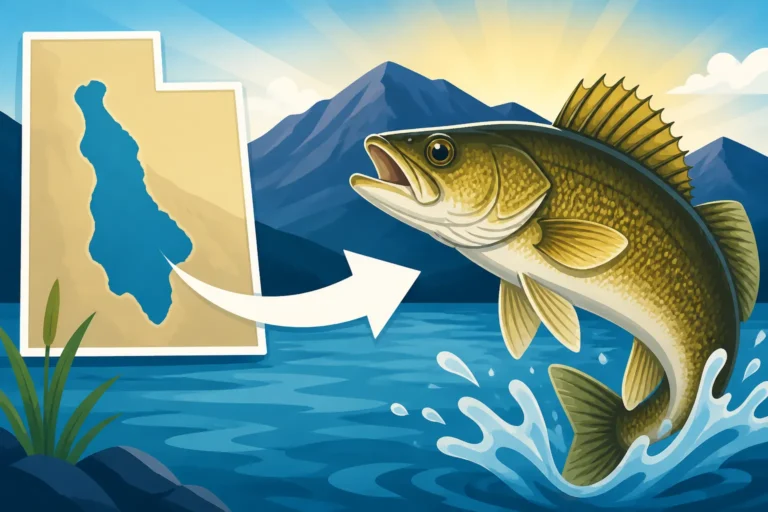
The primary concern with Northern Pike in Utah Lake is their devastating impact on the lake's ecosystem, particularly concerning the endangered June Sucker. This native fish is a critically imperiled species, and Northern Pike prey heavily on them, hindering recovery efforts. Furthermore, pike compete with and consume other popular game fish that anglers target, such as Walleye and White Bass. Imagine the DWR spending years and significant taxpayer dollars to manage and improve a fishery, only for an unchecked invasive species to undo all that work. That's the reality with Northern Pike. Their presence can degrade the quality of fishing for everyone, turning productive waters into pike-dominated ecosystems where other species struggle to survive. This is precisely Why Does Utah Lake Require You to Kill Every Northern Pike?.
The "Kill On Site" Mandate
Given the severity of the threat posed by Northern Pike, particularly in Utah Lake and connected waterways like the Jordan River, the DWR has implemented a strict "mandatory harvest" regulation. This means that if you catch a Northern Pike in these designated waters, you must kill it immediately. It is illegal to return it to the water alive, and it is illegal to transport live Northern Pike. This isn't about promoting catch-and-release; it's about active eradication and population control to protect the broader ecosystem. Anglers are literally on the front lines of conservation when they target and remove these fish.
This mandate extends beyond simply not releasing them. It means the fish must be dispatched quickly and humanely once landed. Anglers shouldn't try to "relocate" the fish to another waterbody or keep it alive in a livewell. The goal is permanent removal. This clear directive helps ensure that every pike caught contributes to reducing their overall numbers and mitigating their destructive impact. While the act of killing a fish might feel uncomfortable for some, especially those new to this type of regulation, it's a critical duty for anyone fishing in these sensitive areas. The DWR has made it abundantly clear: Fish Species You Must Keep and Not Release in Utah includes Northern Pike from these specific locations.
Identification and What to Do Upon Catch
Proper identification is crucial. Northern Pike have a distinctive appearance: a long, slender body with a large, duck-bill shaped snout and sharp teeth. Their coloration is typically dark green to olive, with light, bean-shaped spots or markings along their sides. They have a single dorsal fin positioned far back on their body, close to the tail. They can sometimes be confused with other fish, but their unique head shape and body pattern usually give them away. If you're unsure, it's always better to err on the side of caution and consult a reliable fish identification guide or a DWR representative. Apps available for smartphones, often found on Amazon, can be a handy tool for quick ID on the water, but always double-check with official resources.
Once you’ve positively identified a Northern Pike from a mandatory harvest water, the next step is immediate and humane dispatch. There are several methods for this, including a sharp blow to the head with a priest (a small, heavy club designed for this purpose), or quickly cutting the gill arches to bleed the fish out. The key is to be swift and decisive to minimize suffering. After dispatching, the fish should be kept or disposed of properly. Do not simply toss the dead fish back into the water, as this can still pose issues. If you intend to keep the fish for consumption, place it on ice in a cooler. If you don't plan to eat it, dispose of it in a trash receptacle, away from the water. Remember, this isn't just a suggestion; it's a crucial part of the fight against Northern Pike as an Invasive Species in Utah, and understanding How Northern Pike Got Into Utah Lake underscores the importance of every angler's role.
Understanding Unlimited or Very Liberal Harvest Opportunities
While Northern Pike represent the clearest example of a "mandatory harvest" species in Utah, there are other fish where the DWR encourages significant harvest through very generous or even unlimited bag limits. These species, while not always an existential threat to native fish in the same way pike are, can still have detrimental impacts if their populations go unchecked. Anglers play a vital role in managing these populations by taking advantage of these liberal limits, thus helping to maintain ecological balance and healthy fish sizes.
Common Carp: A Nuisance but a Culinary Opportunity
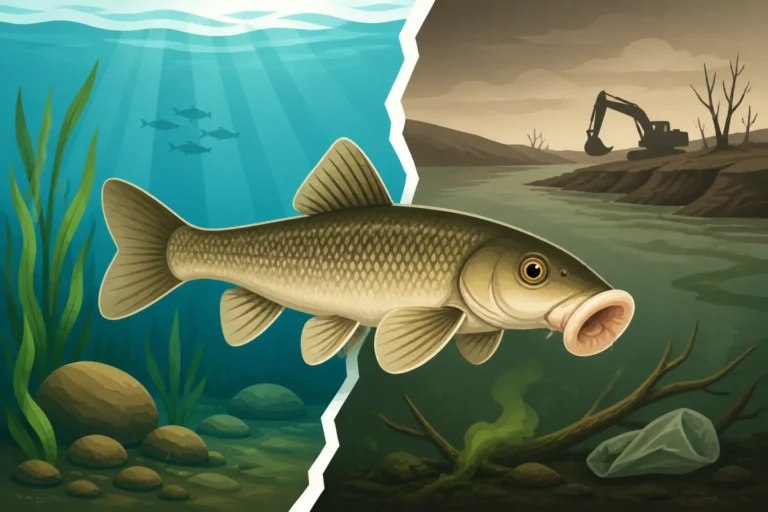
Common Carp are found in nearly all of Utah's warmwater lakes and rivers, and they are definitely not native. They are often considered a nuisance species due to their feeding habits. Carp are bottom-feeders, and as they root around for food in the substrate, they stir up sediment. This makes the water murky, reducing light penetration, which in turn harms aquatic vegetation that provides critical habitat and food for other fish. This constant disturbance of the bottom can also release nutrients that fuel algae blooms, further degrading water quality and impacting species like bass, bluegill, and even trout in certain mixed fisheries. They also compete directly with native and sportfish for food resources, particularly invertebrates.
Because of these negative impacts, the DWR generally places no bag limit on Common Carp in most Utah waters. This effectively means you can keep every single carp you catch, and doing so is strongly encouraged. While you're not legally required to kill them on sight like Northern Pike, keeping them helps reduce their numbers and lessens their impact on the environment. Many anglers choose to release carp, especially fly anglers who enjoy the challenge of targeting them, but understanding their ecological role often changes perspectives. For those willing to prepare them, carp can be a surprisingly good table fare, especially smoked or deep-fried. So, harvesting carp provides both an ecological benefit and a potential meal! Read more about why they're viewed this way in Are Common Carp Considered a Nuisance Fish in Utah?.
There are a lot of ways to catch carp, from simple bait setups with corn or dough balls, to more sophisticated fly-fishing techniques. Many anglers, particularly those looking for a strong fight, enjoy targeting these powerful fish. Equipping yourself with a sturdy rod and reel, perhaps even a basic combo from Amazon, can make the experience more enjoyable when you're pulling in several of these hefty fish. The key is to be prepared to either release them responsibly if you absolutely must, or, preferably, to dispatch and keep them. If you're planning on a big carp harvest, make sure you have a large cooler to keep your catch fresh on the way home, as they can grow quite substantial in size and weight.
Yellow Perch: Managing for Quality
Yellow Perch are another non-native species common in many Utah reservoirs, including Scofield, Jordanelle, and Deer Creek. While not as ecologically destructive as Northern Pike, their prolific reproductive rates can lead to overpopulation. When perch numbers explode, they often outcompete other sportfish for food, and the sheer density of their population can result in stunted growth for the perch themselves. This means you end up with a lake full of small, scrawny perch that aren't particularly desirable for anglers looking for a meal or a good fight.
To combat this, the DWR often implements very liberal or even unlimited bag limits on Yellow Perch in waters where they are overpopulated. For instance, you might find regulations allowing anglers to keep 50 perch per day, or sometimes even more, depending on the specific waterbody and its current ecological assessment. The intent here is to encourage anglers to remove a significant number of these fish, thereby thinning the population. This allows the remaining perch to have more food resources, leading to better growth rates and ultimately, a healthier population of larger, more desirable fish for everyone. It's a classic example of how angler harvest can be a beneficial management tool, directly impacting the size and quality of the fish you'll catch in the future.
Anglers often target Yellow Perch through the ice during winter, where they can catch hundreds in a single outing. It's a fantastic way to spend a cold day, especially with kids, as the action can be fast and furious. When the DWR has lifted or significantly increased the bag limit on perch, it's an open invitation to fill your buckets. These fish are excellent eating, with firm, white, flaky meat, making them a popular choice for fish fries. Remember to check the specific regulations for the water you're fishing, as Utah Fishing Season Dates and Limits and bag limits for perch can vary. Utilizing a good fish cleaning station after a successful day can make quick work of processing a large catch.
Beyond the Hook: Proper Handling and Disposal
Catching a fish is only half the battle. Knowing how to handle your catch, especially when it falls under mandatory harvest or highly encouraged categories, is crucial. This isn't just about following rules; it's about being a responsible, ethical angler and ensuring that your actions contribute positively to the environment. Proper handling includes humane dispatch, appropriate storage, and responsible disposal or utilization of the fish.
Humane Dispatch and Storage
For any fish that you are required to keep, or choose to keep under liberal limits, humane dispatch is paramount. The goal is to end the fish's life as quickly and painlessly as possible. The most common and effective method is a swift, sharp blow to the head, precisely above the eyes, often using a "fish priest" or similar blunt object. This brain trauma immediately stuns and kills the fish. Another method involves quickly cutting the gill arches, which causes rapid bleeding and brain death due to lack of oxygen. Whichever method you choose, ensure it's done decisively. Prolonged suffering is not ethical.
Once dispatched, especially for species you intend to eat, proper storage is critical to maintaining meat quality. Fish should be placed immediately on ice, preferably in a cooler. This rapid cooling slows down spoilage and preserves the flavor and texture of the meat. A good quality cooler, readily available on Amazon, is an essential piece of gear for any angler planning to keep their catch. Layering fish with ice, rather than just placing them on top, ensures maximum cooling. If you’re out for a full day, refreshing the ice can make a big difference, especially in Utah’s summer heat. Failing to properly chill your catch can lead to mushy, off-tasting fish, which defeats the purpose of harvesting them in the first place.
Responsible Disposal or Utilization
After a successful fishing trip, you have a couple of options for the fish you've kept. The ideal scenario, of course, is to utilize your catch. Filleting the fish and preparing it for a meal is a wonderful way to enjoy the fruits of your labor. Many anglers find immense satisfaction in cooking what they've caught. Remember to check local regulations on cleaning fish at the water, as some areas may have rules about leaving carcasses or entrails. Many popular fishing spots have designated fish cleaning stations, which makes the process much easier and cleaner.
If you've harvested a fish you're not planning to eat, especially a mandatory harvest species like Northern Pike, proper disposal is still necessary. Do not just throw the dead fish back into the water or leave it on the shore. This can attract scavengers, create unpleasant odors, and even spread disease. Instead, bag the fish and dispose of it in a designated trash receptacle. If no trash cans are available, you'll need to pack it out and dispose of it at home. The "pack it in, pack it out" principle applies here, ensuring that you leave the environment cleaner than you found it. Responsible disposal is just as important as responsible harvesting in the overall picture of conservation.
The Bigger Picture: Why These Rules Exist
It’s easy to get caught up in the details of licenses, limits, and specific regulations, but it’s crucial to step back and understand the overarching philosophy behind them. Utah's fisheries are incredibly diverse and valuable, supporting a wide array of native species, providing crucial habitat, and offering countless recreational opportunities for anglers. The rules governing what you must keep, what you can keep, and what you must release are all designed with a single goal in mind: the long-term health and sustainability of these precious aquatic resources.
Protecting Native Fish and Ecosystems
Utah is home to several unique native fish species, some of which are found nowhere else in the world. The Bonneville Cutthroat Trout, for example, is Utah's state fish and a species that conservationists work tirelessly to protect and restore. Similarly, the endangered June Sucker in Utah Lake is the focus of intense recovery efforts. These native populations are often highly susceptible to threats from non-native, invasive species. Invasive fish can outcompete natives for food, prey directly on them, introduce diseases, or degrade their habitat. This ecological pressure can quickly push vulnerable populations toward extinction.
Regulations like the mandatory harvest of Northern Pike are direct responses to these critical threats. By removing these invasive predators, the DWR is actively protecting native fish like the June Sucker and other sportfish from being wiped out. It’s an urgent measure to prevent irreversible damage to the ecosystem. Without such aggressive management, Utah's unique aquatic biodiversity would be severely diminished, and the fishing experiences we cherish today could be lost forever. Understanding the delicate balance of these ecosystems and the severe impact of Invasive Fish Species in Utah helps to contextualize why these rules are so strict and necessary. Sometimes, conservation requires tough decisions, and angler participation is key to success. You can also explore Fish Species Protected in Utah to understand the full scope of conservation efforts.
Maintaining Balanced and Healthy Fisheries
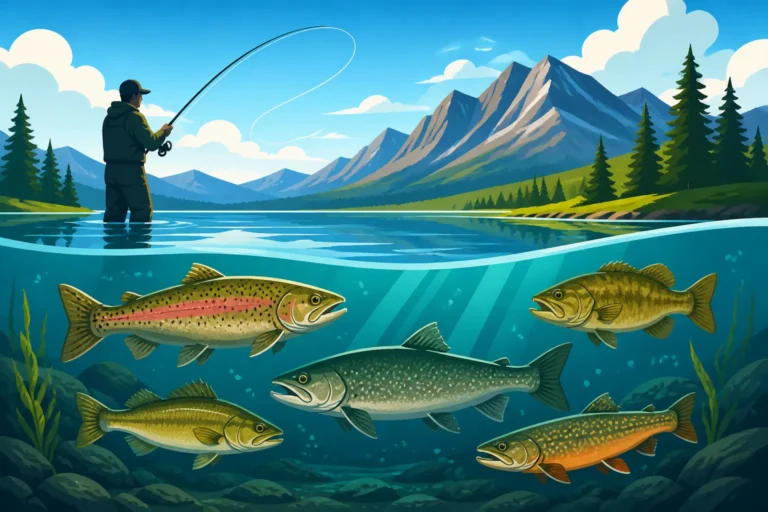
Beyond protecting native species, these regulations also aim to maintain balanced and healthy fisheries for popular sportfish. Even non-native species that provide excellent angling opportunities, like Walleye, Smallmouth Bass, or various trout species, require careful management to ensure their populations thrive. For instance, in some waters, Yellow Perch can become so overpopulated that they stunt, never reaching a desirable size. By encouraging anglers to harvest a lot of these smaller fish, the DWR helps to thin the population, allowing the remaining fish to grow larger and healthier. This benefits both the fish and the anglers, leading to better quality catches.
Similarly, specific bag and length limits for species like Walleye or Bass (as detailed in Utah Walleye Harvest Rules and Utah Bass Fishing Regulations) are put in place to ensure that enough fish survive to spawn and maintain a robust population. It’s a delicate dance between providing angling opportunities and safeguarding future generations of fish. The DWR constantly monitors fish populations and adjusts regulations as needed, using science-based management to ensure sustainable fishing. So, whether you're mandated to keep a pike, encouraged to fill a bucket with perch, or required to release a certain size of trout, remember that every rule serves a purpose in creating and maintaining the fantastic fishing opportunities we have here in Utah. Your compliance is a direct contribution to this ongoing effort, ensuring that Utah's waters remain vibrant and productive for years to come.
Here's a quick reference table summarizing key species and their harvest regulations in Utah:
| Species | Primary Waters | Regulation Type | Key Reason | Angler Action Required/Encouraged |
|---|---|---|---|---|
| Northern Pike | Utah Lake, Jordan River | MANDATORY HARVEST (Illegal to release) | Highly invasive, voracious predator, severe threat to native species (e.g., June Sucker) and sportfish. | MUST kill immediately upon catch. Cannot be released alive. |
| Common Carp | Most Utah Lakes & Rivers | Unlimited/No Bag Limit | Nuisance species, degrades habitat, competes with native fish. | Strongly encouraged to keep. Releasing is permitted, but harvest aids ecosystem health. |
| Yellow Perch | Scofield Reservoir, Jordanelle, etc. | Unlimited/No Bag Limit (in certain waters) | Can overpopulate, leading to stunted growth and competition. | Strongly encouraged to keep to improve fish size and population balance. |
Disclaimer
This article is for general informational purposes only and does not constitute professional advice. Laws, prices and regulations vary by location and change over time. Consult a qualified professional for guidance on your specific situation.