Fish Species in Fish Lake
One of the most common frustrations for anglers heading to a new body of water, or even a familiar one, is truly understanding what swims beneath the surface and how to best target those elusive fish. When you set your sights on a majestic destination like Fish Lake, often called "The Gem of Utah," it's crucial to know not just that there are fish, but which species call its deep, clear waters home and what makes each one special. This comprehensive guide will take a deep dive into the fascinating array of fish species thriving in Fish Lake, helping you plan your next unforgettable angling adventure with confidence.
The Iconic Trout of Fish Lake
Fish Lake is renowned for its incredible trout fishing, attracting anglers from all over for a chance at a trophy catch. But it's not just one kind of trout; this lake is a melting pot of some of Utah's most sought-after species, each with its own characteristics and angling appeal. Understanding these differences is key to a successful outing. If you're looking for a broader overview of the state's trout, you might find Utah Trout Species Guide helpful.
Mackinaw Lake Trout The Apex Predator
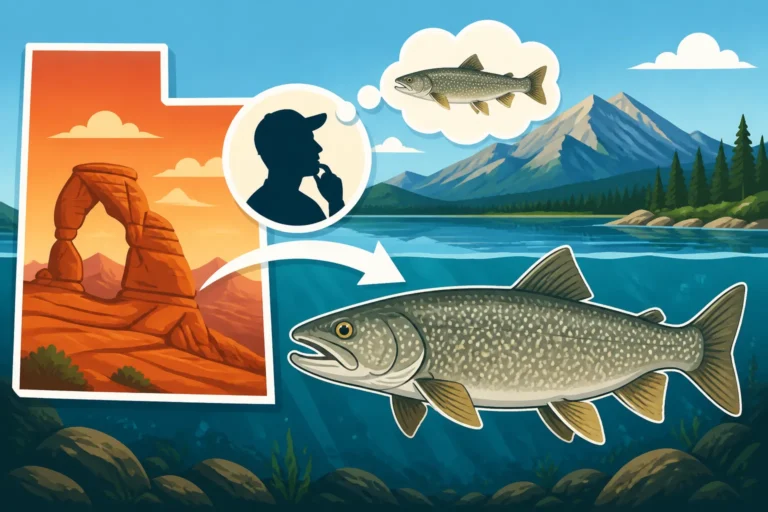
When people talk about trophy fishing at Fish Lake, more often than not, they're dreaming of a massive Mackinaw, also known as Lake Trout. These formidable fish are the apex predators of Fish Lake, lurking in its deepest, coldest reaches. They're not just big; they're powerful, offering a truly challenging fight that tests an angler's skill and patience. Many dedicated anglers spend years trying to land a truly monumental Mackinaw, and Fish Lake is certainly one of the prime locations to do so.
These giants can grow to impressive sizes, often exceeding 20 pounds, with the potential for much larger specimens. Their robust bodies and strong tails make them incredible fighters, especially in the cold water that invigorates them. Targeting Mackinaw usually involves specialized techniques like deep trolling with large spoons or bait, or vertical jigging with heavy jigs and swimbaits, often requiring a good fish finder to locate their preferred depths, which can be considerable. It's truly an exciting moment when you feel that solid thud on your line, signaling a Mackinaw has taken the bait, knowing the battle ahead will be epic. For more in-depth knowledge, check out Utah Lake Trout Mackinaw Guide.
Rainbow Trout The Stocking Staple
Rainbow trout are probably the most recognized and widely distributed trout species in Utah, and Fish Lake is no exception. These vibrant, acrobatic fish are a staple of recreational fishing, especially popular with families and those looking for consistent action. The Utah Division of Wildlife Resources (DWR) regularly stocks rainbow trout into Fish Lake, ensuring a healthy population that provides ample opportunities for anglers of all skill levels.
You'll often find rainbow trout cruising in the shallower areas during cooler parts of the day or year, moving deeper as the sun climbs high in the summer. They readily strike a variety of baits, from PowerBait and worms to small spinners and flies, making them quite accessible to catch. Their spirited fights, characterized by aerial jumps and strong runs, make them a joy to reel in. While they might not reach the gargantuan sizes of their Mackinaw cousins, catching a stringer of healthy, feisty rainbows for dinner is a quintessential Fish Lake experience that many treasure.
Splake A Unique Hybrid Catch
If you're looking for something a bit different, Fish Lake also offers the intriguing splake. This unique fish is a hybrid, a cross between a male brook trout and a female lake trout. The result is a fast-growing, hard-fighting fish that inherits desirable traits from both parents. Splake have a distinctive appearance, often displaying a blend of brook trout's worm-like markings (vermiculations) and the deeper, more torpedo-shaped body of a lake trout.
Splake are specifically stocked by the DWR in certain waters, including Fish Lake, to provide a different angling experience and to help manage fish populations. They tend to grow faster than brook trout and are often more aggressive feeders, making them a thrilling catch. Anglers targeting splake often use similar tactics to those for rainbow trout or smaller lake trout, employing spoons, jigs, or bait fished at various depths. Catching a splake is always a pleasant surprise and a testament to the diverse fishery Fish Lake offers. If you want to know more about these interesting hybrids, we have a whole guide on Splake in Utah Reservoirs.
Other Prized Catches in Fish Lake
While trout, especially Mackinaw, are the superstars, Fish Lake's aquatic cast is broader than just those three. Digging a little deeper reveals other species that offer fantastic angling opportunities, whether you're seeking a challenge or simply looking to fill a cooler with tasty panfish.
Brown Trout Wily and Rewarding
Brown trout are famous for their cunning and elusive nature, making them a highly rewarding catch for dedicated anglers. In Fish Lake, these fish are often found near rocky structures, submerged timber, or along drop-offs, where they can ambush their prey. Unlike the more readily caught rainbows, browns tend to be warier and more challenging to tempt, requiring a more subtle approach and often specialized lures or flies.
Their camouflage allows them to blend perfectly with their surroundings, and their aggressive, predatory instincts make them formidable foes on the end of a line. While Fish Lake might not be as celebrated for its brown trout as some of Utah's rivers, the browns caught here can still reach respectable sizes and offer a powerful, determined fight. Landing a beautiful, spotted brown trout from Fish Lake feels like a real accomplishment, especially if you've put in the time to learn their habits.
Tiger Trout Striking and Aggressive
Another visually stunning and aggressive hybrid in Fish Lake is the tiger trout, a cross between a brown trout and a brook trout. These fish are easily identified by their mesmerizing, maze-like patterns across their bodies, resembling a tiger's stripes, hence the name. Tiger trout are known for their voracious appetites and powerful strikes, making them incredibly fun to catch. They're often stocked in waters where the DWR wants to control populations of unwanted forage fish, as tigers are sterile and won't reproduce.
In Fish Lake, tiger trout add another exciting dimension to the fishery. They readily chase down lures and flies, and their fighting spirit is legendary. Anglers often find success targeting them with aggressive presentations, such as rapid retrieves of spoons or jerkbaits, or by fly fishing with streamer patterns that mimic baitfish. If you’re lucky enough to hook into a tiger trout, prepare for a battle; they don't give up easily and their striking beauty makes for fantastic photos. For more details on these remarkable fish, check out Tiger Trout in Utah.
Yellow Perch Panfish Fun for All Ages
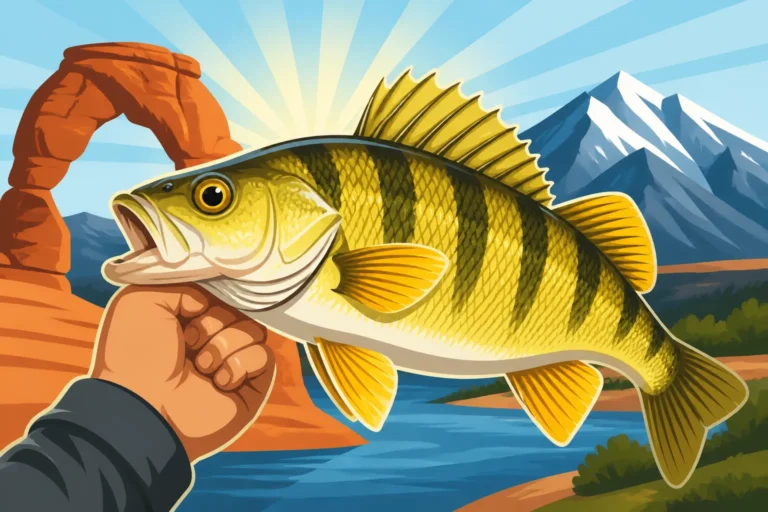
Beyond the various trout species, Fish Lake also boasts a thriving population of yellow perch. These panfish are an absolute delight, especially for family fishing trips or when you want consistent action. Yellow perch are schooling fish, meaning where you catch one, you're likely to catch many more. Their vibrant yellow bodies with distinct vertical stripes make them easily identifiable, and their firm, flaky white meat makes them excellent table fare.
Perch are generally easy to catch, responding well to small jigs tipped with bait like mealworms, wax worms, or even small pieces of cut bait. They're particularly popular during the ice fishing season, where anglers can set up shelters and enjoy steady bites all day long. For kids, catching perch one after another can be an incredibly exciting and confidence-building experience. They might not be the biggest fish in the lake, but the sheer fun and culinary rewards of yellow perch make them a beloved species at Fish Lake. You can learn more about these tasty panfish in our guide Yellow Perch in Utah Waters.
Understanding Fish Lake's Unique Ecosystem
Fish Lake isn't just a big puddle; it's a complex, dynamic ecosystem that supports this rich variety of fish. Understanding the factors at play beneath the surface can dramatically improve your fishing success and appreciation for this incredible natural resource.
Factors Influencing Fish Populations
Several crucial environmental factors dictate where and how fish thrive in Fish Lake. Depth and water temperature are perhaps the most significant. Fish Lake is famously deep and cold, especially in its central basin, which is ideal for the cold-water loving Mackinaw and splake. As you move closer to shore or into shallower coves, water temperatures can fluctuate more, supporting species like rainbow trout and yellow perch. The lake's structure, including drop-offs, rocky points, and submerged timber, provides essential cover and ambush points for predatory fish like brown trout.
The availability of food, or the "forage base," is another critical element. Smaller fish, aquatic insects, and crustaceans all form the diet for the larger game fish. A healthy forage base means healthy, fast-growing fish. For instance, Mackinaw rely on other fish as they grow larger. Understanding these dynamics helps you "think like a fish" and predict where they might be feeding, resting, or spawning. For instance, knowing how water temperature affects trout behavior is vital; colder water usually means more active trout.
Conservation Efforts and Management
Maintaining a healthy and productive fishery like Fish Lake requires ongoing effort and careful management by the Utah Division of Wildlife Resources (DWR). These efforts include regular fish stocking programs for species like rainbow trout and splake, ensuring a continuous supply of fish for anglers. The DWR also conducts surveys to monitor fish populations, assesses habitat health, and sets fishing regulations designed to protect vulnerable species and ensure sustainable fishing for generations to come.
These regulations, which include things like daily bag limits, size restrictions, and sometimes even seasonal closures for certain species or areas, are vital for balancing angling pressure with fish conservation. They're designed to prevent overfishing and to allow fish populations to reproduce and grow. It's really important for every angler to familiarize themselves with current regulations before hitting the water. For a full rundown, be sure to consult Utah Fishing Regulations Explained or even Utah Fishing License Guide to ensure you're compliant. By following these guidelines, we all play a part in preserving Fish Lake's amazing fishery.
Tips for Targeting Fish Lake Species
Now that you know what's swimming in Fish Lake, let's talk about how to actually get them on the hook! Different fish require different strategies, and a little preparation can go a long way.
Gear and Techniques for Different Species
Matching your gear and technique to your target species is paramount for success at Fish Lake. For those enormous Mackinaw, you'll want heavy-duty spinning or baitcasting gear, capable of handling deep-water trolling or jigging. Think about long, sturdy rods (7-9 feet) with powerful reels spooled with at least 15-20 pound test braided line, often with a fluorocarbon leader. Large spoons, tube jigs, or cut bait are common offerings. When it comes to finding the right equipment, many anglers start their search online. Reputable retailers like Amazon offer a vast selection of specialized fishing tackle, from high-strength lines to specific deep-diving lures that are perfect for targeting those big lake trout.
For rainbow trout and splake, a medium-light spinning rod (6-7 feet) with 4-8 pound test monofilament or fluorocarbon line is usually perfect. PowerBait, worms, corn, small spinners (like Mepps or Rooster Tails), or even small spoons are effective. Fly fishing can also be incredibly productive for these species, especially with nymph or streamer patterns. When you're ready to upgrade your general angling setup, a quick browse on Amazon can reveal a wide range of versatile rod and reel combos, perfect for various trout species.
Yellow perch are much less demanding. A light action rod with 2-4 pound test line, small jigs, tiny spoons, or a simple bobber and worm setup will do the trick. The key is often finding the school! If you're looking for a good starting point for your tackle box, our Utah Fishing Gear Guide has plenty of recommendations.
Best Times and Locations
Fish Lake offers year-round fishing, but the "best" time often depends on what you're hoping to catch.
Spring (Ice-off to Early Summer): As the ice recedes, fish become more active and are often found in shallower waters. This is an excellent time for rainbow trout near inlets and shorelines. Mackinaw can also be found shallower before the heat drives them deep.
Summer: The warmest months see rainbows and perch in deeper, cooler water or active during dawn and dusk. Mackinaw and splake retreat to the thermocline, requiring deep trolling or jigging techniques. Shoreline fishing is still possible, especially in the early mornings or late evenings when the sun isn't as intense.
Fall: As water temperatures cool, many species become highly active again. Rainbows and brown trout move back into shallower areas, feeding aggressively before winter. Mackinaw can still be found deep but might make forays into mid-depths. This is often considered one of the best times for trophy trout at Fish Lake. For a broader perspective on the best fishing times in Utah, consider reading Best Time of Year to Fish in Utah.
Winter (Ice Fishing): Fish Lake is a renowned ice fishing destination. Yellow perch become incredibly active under the ice, offering consistent action. Ice anglers also target rainbow trout, splake, and even Mackinaw through the ice, often using specialized jigs and tip-ups. Remember to always check ice conditions and safety before venturing out. If you're planning an ice fishing trip, our Utah Ice Fishing Guide provides essential safety tips and techniques.
Specific locations within Fish Lake also tend to favor certain species. The deeper, central basin is prime Mackinaw territory. Bays and points with structure are great for brown trout and larger rainbows. Shallow coves and bays are excellent for yellow perch and smaller rainbows. Don't be afraid to move around and explore different areas until you find where the fish are holding. Many anglers use a fish finder to scout depths and structure effectively; learning How to Read a Fish Finder for Utah Reservoirs can significantly boost your success.
Where to Acquire Your Gear
When it comes to getting set up for your Fish Lake adventure, you have a few excellent options. Local tackle shops are fantastic resources, as their staff often have up-to-the-minute knowledge about what's biting and what specific lures are working. However, for sheer variety and convenience, online retailers are hard to beat. Amazon, for example, offers an incredible array of fishing gear, from basic rod and reel combos to highly specialized equipment for deep-water trolling or ice fishing. You can find everything from different weights of fishing line to specific patterns of flies, and even fishing apparel like waders and rain gear, often with the convenience of direct delivery to your door. Looking for a new fishing net or a fillet knife after a successful trip? Amazon is a great place to start your search. This accessibility ensures that whether you're a seasoned angler needing a niche item or a beginner gathering your first set of tackle, you can find what you need without hassle.
Disclaimer
This article is for general informational purposes only and does not constitute professional advice. Laws, prices and regulations vary by location and change over time. Consult a qualified professional for guidance on your specific situation.