Where to Catch Bonneville Cutthroat Trout in Utah
It's no secret that Utah anglers dream of catching a native cutthroat, and among them, the Bonneville Cutthroat Trout holds a special place in our hearts. Trying to pinpoint exactly where these beautiful, resilient fish reside and how to target them can feel like searching for a needle in a vast, stunning haystack, especially with so many diverse waters across our state. This guide is here to untangle that mystery, giving you the real scoop on where to find Bonneville Cutthroat Trout in Utah, what makes them unique, and how to approach catching them responsibly.
The Enduring Legacy of the Bonneville Cutthroat Trout
Before we dive into specific locations, it's really helpful to understand what makes the Bonneville Cutthroat Trout so unique and why they're such a cherished part of Utah's fishing heritage. They're not just any trout; they're a symbol of resilience and a testament to dedicated conservation efforts. Many anglers find a deep satisfaction in connecting with a species that has such a profound history in our landscape.
A Glimpse into Their Unique History
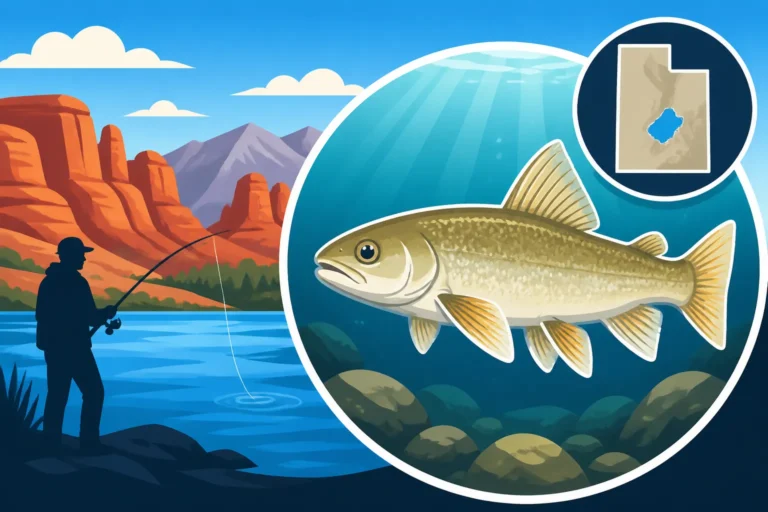
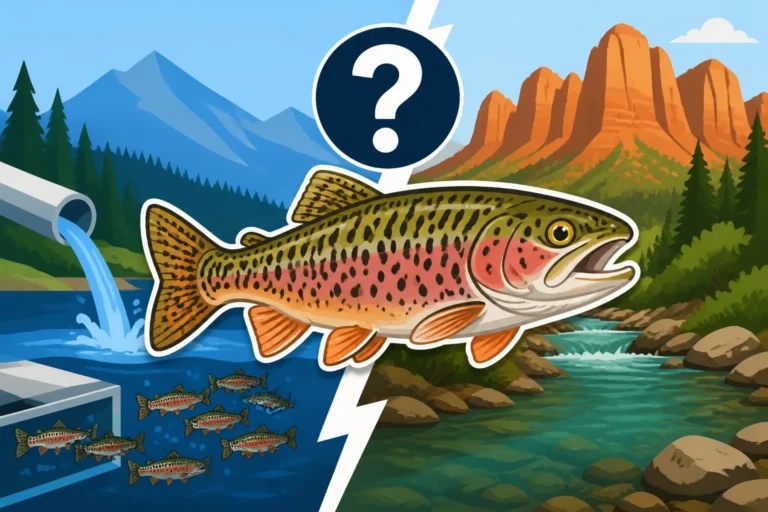
The Bonneville Cutthroat Trout, or Oncorhynchus clarkii utah, is Utah's official state fish and a true native. Imagine a time when these fish dominated the vast, ancient Lake Bonneville and its tributaries, thriving in a system that once covered much of what is now western Utah. Is the Bonneville Cutthroat Trout Native to Utah? Yes, they are! Their history is deeply intertwined with the geological story of our region. They adapted to dramatic environmental changes over millennia, from vast glacial lakes to smaller, isolated river systems. However, with European settlement, habitat degradation, and the introduction of non-native fish species, their populations suffered greatly, disappearing from much of their original range. This decline sparked significant conservation efforts by the Utah Division of Wildlife Resources (UDWR) and other partners to restore their numbers and reintroduce them to suitable habitats. It's a comeback story, and as anglers, we get to be a small part of that narrative.
Identifying the Bonneville Cutthroat
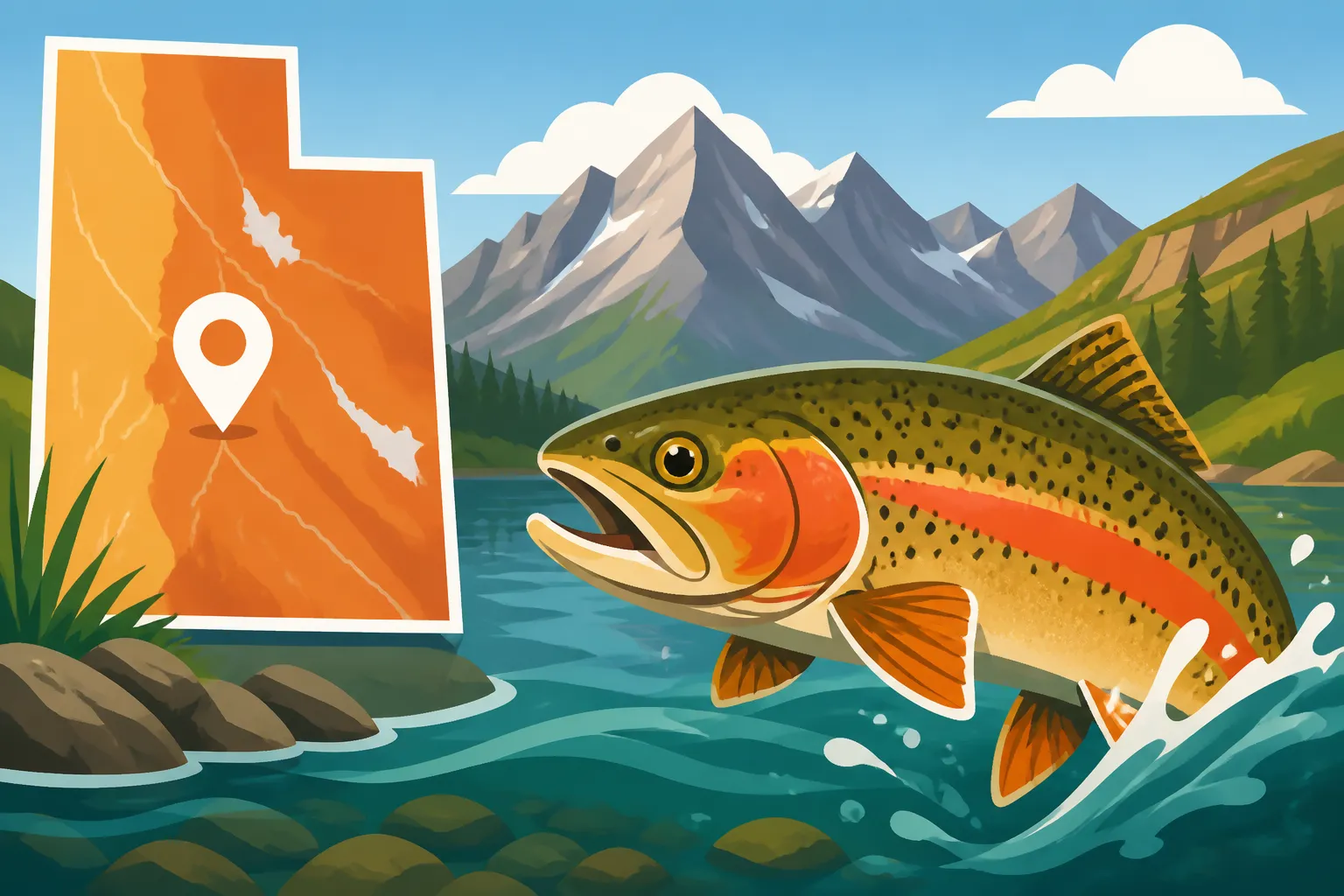
Spotting a Bonneville Cutthroat can be a bit tricky, especially if you're not familiar with the subtle differences between trout species. They share some characteristics with other cutthroats, but there are key identifiers. Typically, they have a yellowish-brown or greenish-yellow body color with black spots that are more concentrated towards the tail. The most distinctive feature, of course, is that iconic red or orange "cut" mark under their jawline, though this can vary in intensity. Unlike some other trout, their spots tend to be rounder and more evenly distributed, not just along the lateral line. They generally have larger scales than Rainbow Trout. When you pull one of these beauties out of the water, you're not just admiring a fish; you're looking at a living piece of Utah's natural history. It's an honor, really, and knowing how to properly identify them helps ensure we treat them with the respect they deserve, especially in waters where their populations are still recovering.
Key Utah Waters for Bonneville Cutthroat Trout
So, where can you actually find these historic fish today? Thanks to extensive restoration programs, the Bonneville Cutthroat is making a strong comeback in several areas, both in their traditional range and in new, protected habitats. It's not always easy, but the challenge makes the reward even sweeter.
Bear Lake and Its Tributaries
Perhaps the most famous stronghold for Bonneville Cutthroat Trout is Bear Lake, often dubbed the "Caribbean of the Rockies" for its stunning turquoise waters. While the main body of Bear Lake primarily holds Bear Lake Cutthroat (a distinct, but related subspecies), many of the tributaries that feed into it are crucial spawning grounds and habitat for true Bonneville Cutthroat. Rivers like the Swan Creek, Big Creek, and St. Charles Creek, which flow into Bear Lake, are vital. These smaller streams are often where you'll find naturally reproducing populations. Access can sometimes be tricky, involving hiking or navigating private land, so always be sure to check regulations and respect property rights. Bear Lake Cutthroat Trout Facts can give you a deeper dive into the unique ecosystem here. Fishing these tributaries, especially during the spring and fall spawning runs, offers a unique opportunity to encounter these native fish in their ancestral waters.
High-Altitude Uinta Lakes
Another significant area for Bonneville Cutthroat Trout is in the high-altitude lakes and streams of the Uinta Mountains. These remote, pristine environments provide ideal conditions for cutthroat to thrive, often without the competition from non-native species that plagues lower elevation waters. Access to many of these lakes requires a commitment – often a significant hike into the backcountry – but the solitude and breathtaking scenery, combined with the chance to catch a wild Bonneville, are well worth the effort. Think of places like the Red Castle Lakes area or various other high-mountain basins. Uinta Mountains High Lakes Fishing offers more specific insights into these incredible, secluded fisheries. These waters are often cold, clear, and hold smaller, but incredibly vibrant, fish. They’re a true wilderness experience, demanding respect for the fragile ecosystem.
Other Restoration Waters
Beyond the prominent locations like Bear Lake's tributaries and the Uintas, the UDWR has been tirelessly working to reintroduce Bonneville Cutthroat into numerous other streams and reservoirs across Utah where they historically lived. These efforts involve removing non-native fish, improving habitat, and stocking genetically pure Bonneville Cutthroat. Examples include portions of the upper Weber River drainage, various streams in central Utah, and certain community ponds that are managed specifically for native trout. These "restoration waters" might not be as widely known, but they offer exciting opportunities to connect with these fish. Always check the current Utah Fishing Guidebook for specific regulations, as these areas often have special rules, such as catch-and-release only or specific lure restrictions, designed to protect the recovering populations. It's a testament to the ongoing commitment to bring back this iconic species to its rightful place in Utah's waters.
Strategies for Catching Bonneville Cutthroat Trout
Alright, you know where to find them – now how do you entice these beautiful native fish to bite? Bonneville Cutthroat, especially in their native or restored habitats, can be a bit more cautious than their stocked rainbow cousins. Success often comes down to a combination of appropriate gear, refined techniques, and a keen understanding of the seasons.
Gear Recommendations for Success
When targeting Bonneville Cutthroat, finesse often trumps brute force. You'll want a lighter setup that allows for delicate presentations, especially in clear mountain streams or lakes.
| Gear Category | Recommendation | Why It Works for Bonneville Cutthroat |
|---|---|---|
| Rod | Ultra-light to light spinning rod (5-6 feet) | Allows for accurate, gentle casts with small lures/bait. |
| Or 3-5 weight fly rod (7.5-9 feet) | Ideal for delicate dry fly or nymph presentations. | |
| Reel | Small spinning reel (1000-2000 size) | Balances with light rods, smooth drag for fighting spirited fish. |
| Or matching fly reel | Essential for proper fly line management. | |
| Line | 2-4 lb monofilament or fluorocarbon (spinning) | Low visibility, high sensitivity for subtle bites. |
| Or floating fly line with 4-6x leader/tippet | Critical for natural fly drift. | |
| Lures | Small spinners (1/16-1/8 oz), tiny spoons, small jigs | Mimic natural prey, create subtle flash and vibration. |
| Flies | Dry flies (Adams, Parachute Adams, Caddis patterns) | For surface feeders; can be very effective in high-country lakes. |
| Nymphs (Pheasant Tail, Hare's Ear, Prince Nymph) | Mimic aquatic insects, effective subsurface. | |
| Small streamers (Woolly Bugger) | Imitate baitfish or larger insects. |
For anglers using spinning gear, small inline spinners like a classic Mepps or Panther Martin, or tiny Kastmaster spoons, can be incredibly effective. Make sure your hooks are sharp – you can find good quality hooks and all sorts of lures on Amazon, making it easy to stock up before a trip to a remote location. For fly anglers, matching the hatch is always key, but general attractor patterns often work well in backcountry lakes where fish aren't as pressured. Don't forget a good pair of polarized sunglasses; they're vital for spotting fish in clear waters.
Effective Techniques and Lures
Bonneville Cutthroat are often opportunistic feeders, but they can be finicky, especially in clear water or under heavy fishing pressure.
- For streams and rivers: Focus on presenting your lure or fly naturally. Upstream casts that drift back down are often best, allowing your offering to float with the current without drag. Look for holding water: eddies, undercut banks, plunge pools, and behind large rocks. These fish will often position themselves in seams where current brings food to them. Small nymphs drifted under an indicator are dynamite, as are dry flies during active insect hatches. If using spinners, cast them upstream and retrieve just fast enough to get the blade spinning as it drifts down.
- For lakes and reservoirs: Trolling small flies or lures, or casting from shore, can be effective. In high mountain lakes, sight fishing can be incredibly exciting. Look for cruising fish, especially near drop-offs, rocky points, or weed beds. Often, a well-placed dry fly or a slowly retrieved small streamer can draw a strike. For deeper fish, a small jig or a bait imitation fished slowly near the bottom can work wonders. Remember, presentation is key – Bonneville Cutthroat are often looking for an easy meal that looks natural. If you're backpacking into remote lakes, keeping your tackle light and versatile is crucial. You can find lightweight gear, like compact tackle boxes or multi-piece rods, on Amazon that are perfect for these types of trips.
Seasonal Approach to Bonneville Fishing
Like all trout, Bonneville Cutthroat behavior changes with the seasons, impacting where and how you might find them.
- Spring: As ice melts and water temperatures begin to rise, Bonneville Cutthroat become more active. This is often an excellent time for stream fishing, especially in tributaries as fish may be migrating. Look for pre-spawn feeding activity. In lakes, they might be shallower, making them accessible from shore.
- Summer: High country lakes are prime in summer once snowmelt subsides and trails are clear. Fish will be active, with strong insect hatches providing opportunities for dry fly fishing. Lower elevation streams might become too warm, causing fish to seek refuge in deeper, cooler pockets or become lethargic. Early mornings and late evenings are often the best times.
- Fall: This is another fantastic time, especially as water temperatures cool. Fish become more aggressive, feeding heavily before winter. Spawning runs can occur in certain tributaries, offering unique opportunities (but check regulations carefully, as these areas are often closed or have special rules during spawn to protect the fish). The vibrant fall colors just add to the experience.
- Winter: Ice fishing for Bonneville Cutthroat is possible on some lakes, particularly in the lower elevations that support them. Techniques like jigging small spoons or soft plastics can be productive. However, many high-altitude lakes will be frozen over and inaccessible. Always prioritize safety when considering How Thick Does Utah Ice Need to Be Before You Can Fish On It?.
Conservation and Ethical Angling for Bonneville Cutthroat
Catching a Bonneville Cutthroat Trout is a privilege, and with that comes a responsibility to protect this precious native species. Their populations are still recovering, and our actions as anglers can have a significant impact.
Understanding Special Regulations
Because Bonneville Cutthroat Trout are a conservation priority, many waters where they reside have very specific and often more restrictive regulations than general trout fisheries. This might include:
- Catch-and-release only: Some waters are designated strictly for catch-and-release to protect and rebuild populations. This means zero harvest, and careful handling is paramount.
- Lure restrictions: Certain areas might restrict tackle to artificial flies and lures only, or even single barbless hooks, to minimize harm to fish.
- Seasonal closures: Spawning tributaries or critical habitats may have seasonal closures to protect fish during vulnerable periods.
- Bag and possession limits: Even in waters where harvest is allowed, limits are often very low (e.g., one or two fish) and may have size restrictions.
It is absolutely crucial to Utah Fishing Regulations Explained and always check the current Utah Fishing Guidebook before heading out. Ignorance of the rules is not an excuse, and violations can carry stiff penalties and, more importantly, harm the very populations we cherish. These rules are in place for a reason: to ensure future generations can also enjoy the thrill of catching a native Bonneville Cutthroat.
Practicing Catch and Release Effectively
For many Bonneville Cutthroat fisheries, especially in restoration areas, catch and release is not just encouraged, it's often mandated. Practicing proper catch and release techniques is vital to ensure the fish you release survive and thrive.
- Minimize fight time: Bring the fish in as quickly as possible without overstressing it.
- Use barbless hooks: These make hook removal much easier and reduce injury. You can pinch down the barb on any hook with pliers.
- Keep the fish in the water: Whenever possible, unhook the fish while it's still submerged. This protects its delicate slime coat and gills. If you must lift it, do so briefly and support its body horizontally.
- Wet your hands: Always wet your hands before touching a fish. Dry hands can remove the protective slime coat, leaving the fish vulnerable to disease.
- Use appropriate tools: A pair of hemostats or long-nosed pliers are invaluable for quickly and safely removing hooks, especially those deeply set. Many anglers find these indispensable tools for stream fishing, and you can easily find durable options on Amazon.
- Avoid squeezing: Never squeeze the fish, especially around its belly or gills.
- Revive if necessary: If the fish seems lethargic, hold it gently upright in the water, facing into a gentle current, until it regains its strength and can swim away on its own.
Taking the extra few seconds to properly handle a released fish makes a huge difference in its survival. For a more detailed guide, check out How to Release a Fish Without Hurting It in Utah. By following these principles, you become a responsible steward of this incredible native species.
Disclaimer
This article is for general informational purposes only and does not constitute professional advice. Laws, prices and regulations vary by location and change over time. Consult a qualified professional for guidance on your specific situation.