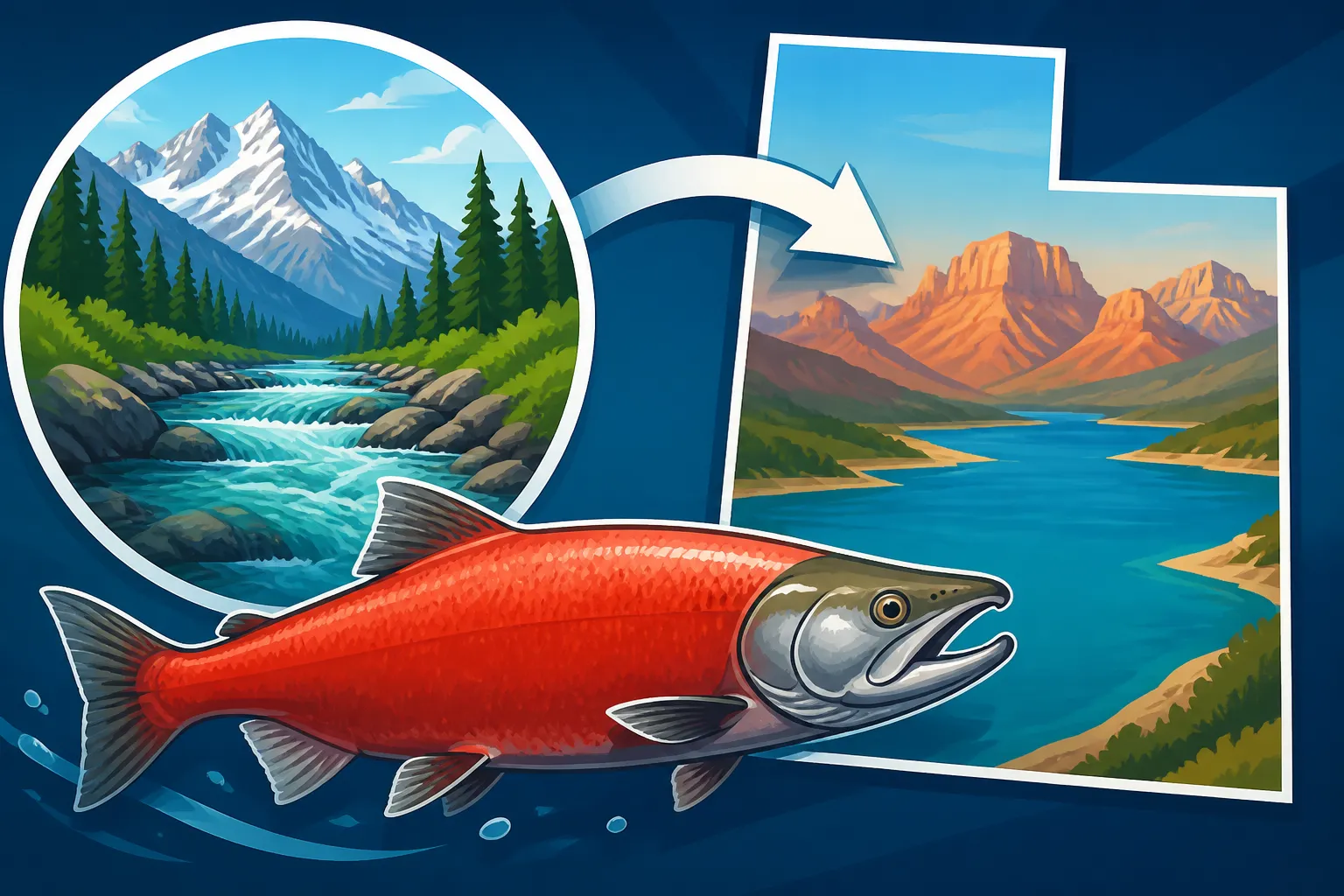
Where Utah’s Kokanee Salmon Originally Came From
It's a common sight these days to see vibrant red kokanee salmon flashing in the clear, cold waters of Utah's most popular reservoirs. Anglers flock from all over, eagerly anticipating the annual kokanee run, armed with specialized gear and high hopes. But if you've ever stopped to think about it, you might wonder: how did these unique landlocked salmon end up in the middle of a desert state like Utah? It’s a great question, and one that often sparks curiosity, considering salmon are typically associated with oceans and mighty coastal rivers. This guide will dive deep into the fascinating journey of kokanee salmon to Utah's waters, explaining their origins and how they came to be such a beloved part of our fishing landscape.
The Kokanee Enigma: Why Are They Here?
When you first encounter a kokanee salmon, with its distinct silver sheen in open water and then its brilliant red transformation during the spawn, it's natural to assume they're just another native fish species that has always called Utah home. However, that's not quite the case. Their presence here is a testament to careful fishery management and a bit of intentional introduction, all to enhance recreational fishing opportunities in a state that, let's be honest, doesn't immediately scream "salmon country."
Not Native, But Welcome Additions
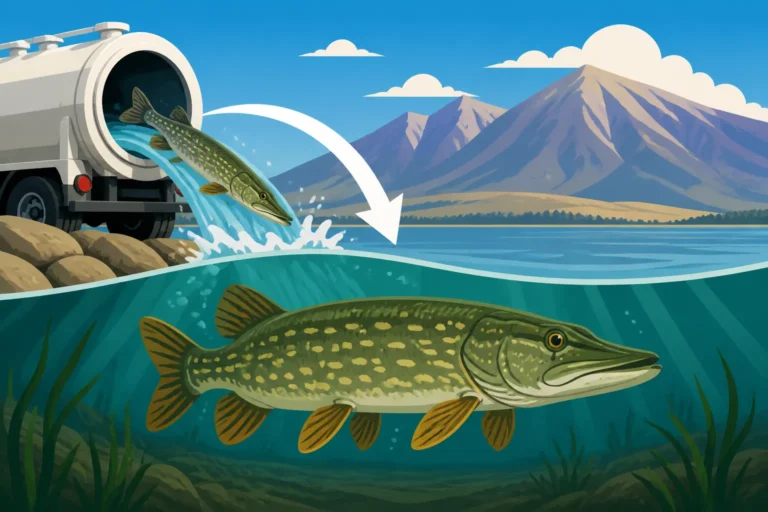
Let's get this out of the way upfront: kokanee salmon are not native to Utah. They never swam up our rivers from the Pacific Ocean, nor did they naturally evolve in our landlocked basins. They are an introduced species, meaning they were intentionally brought here by humans and stocked into our waters. This might sound a little strange to some, conjuring images of unwanted invasive species, but kokanee are different. Their introduction was a deliberate and managed effort by wildlife agencies, primarily for sport fishing and to provide a forage base for other game fish.
The idea behind introducing fish species like the kokanee is often to fill an ecological niche that isn't being fully utilized, or to diversify the angling experience. Our reservoirs, particularly the deep, cold ones, share some characteristics with the lakes where kokanee thrive naturally, making them suitable candidates for introduction. The Utah Division of Wildlife Resources (DWR) has a long history of carefully managing and enhancing fish populations, and the kokanee salmon program is a prime example of such efforts. For anglers who love the thrill of catching these hard-fighting fish, their non-native status is a minor detail compared to the excitement they bring. It can be a little confusing when you're trying to figure out what's what in Utah's waters, but once you understand the history, it all clicks into place. You can learn more about how the DWR manages all our fish populations in our Utah Fishing Regulations Explained guide.
The Pacific Northwest Connection
So, if they're not from here, where did Utah's kokanee salmon originally come from? To answer that, we need to look northwest, specifically to the Pacific Northwest region of the United States and Canada. Kokanee salmon are actually the landlocked form of sockeye salmon (Oncorhynchus nerka).
Imagine a sockeye salmon, born in a freshwater stream, migrating to the ocean to mature, and then returning to that same stream to spawn and die. Now, imagine a population of those sockeye salmon that, over generations, lost their migratory urge to go to the ocean. They adapted to complete their entire life cycle within a freshwater lake system, never seeing saltwater. That's essentially what a kokanee salmon is. They are genetically identical to sockeye but have evolved this unique landlocked lifecycle.
Historically, these landlocked sockeye populations were found naturally in many large, cold, deep lakes in Idaho, Washington, Oregon, Alaska, and British Columbia. It was from these ancestral populations that the first kokanee were introduced into Utah's waters. The precise timing and source of the very first kokanee eggs or fry brought to Utah is a bit muddled by early stocking records, but the general consensus points to transfers from neighboring states like Colorado or directly from the Pacific Northwest, where robust kokanee fisheries were already established in the early to mid-20th century. This lineage means that the kokanee you catch in Flaming Gorge or Strawberry Reservoir carry the same ancient genes as their ocean-going sockeye cousins, just with a different life path.
How Kokanee Thrived in Utah's Reservoirs
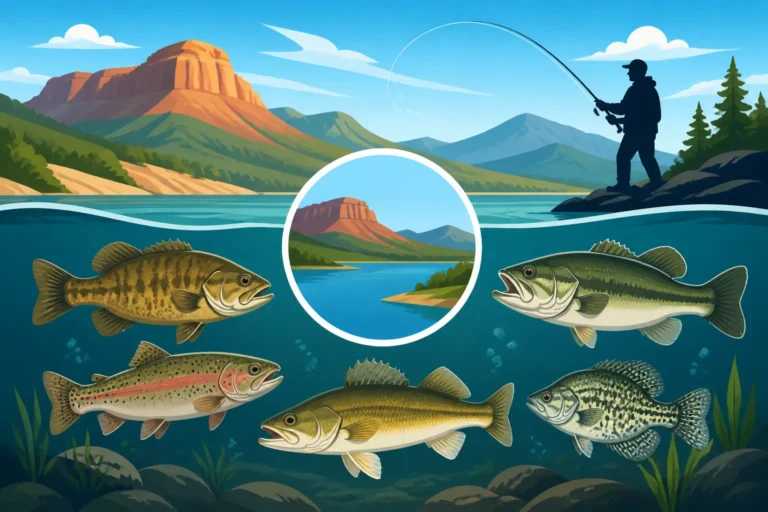
Introducing a new species to a water body isn't always successful. There are countless factors that can lead to failure, from unsuitable water conditions to a lack of food or intense competition from existing species. However, kokanee salmon found a real home in several of Utah's large reservoirs, proving just how well-suited some of our waters were for them.
Finding a Niche in Deep, Cold Waters
The key to kokanee success in Utah lies in understanding what these fish need to thrive. They prefer deep, cold water with abundant dissolved oxygen, especially during the warmer summer months when many other fish species are seeking shallower, warmer zones. They are also planktivores, meaning their primary diet consists of zooplankton – tiny, almost microscopic organisms that drift in the water column.
Many of Utah's larger, deeper reservoirs perfectly fit this bill. Reservoirs like Flaming Gorge, Strawberry, and Jordanelle, with their substantial depths and cold, clear water, provided ideal thermal refuges and ample zooplankton. This meant the kokanee could avoid direct competition with many of Utah's native and other introduced trout species, which often feed on insects or smaller fish. They found their own niche, silently grazing on plankton in the depths.
Consider Flaming Gorge, for example. Its vast expanse and considerable depth offer vast stretches of cold water, perfect for kokanee. Early stocking efforts there found tremendous success, leading to one of the most iconic kokanee fisheries in the West. Anglers dedicated to targeting these deep-water fish often invest in specialized gear like downriggers and fish finders to locate and present lures at the precise depths where kokanee congregate. Finding the right downrigger setup or the most effective kokanee spoons can be a journey of trial and error, and many anglers turn to online retailers like Amazon to explore the wide range of options available. Our Utah Trolling Techniques for Lake Trout article also has some helpful tips that can be applied to kokanee.
Natural Reproduction and Management Challenges
One of the signs of a truly successful introduction is when a species can begin to reproduce naturally, rather than relying solely on continuous stocking. In several of Utah's kokanee fisheries, natural reproduction plays a significant role in sustaining populations. Kokanee spawn in the fall, typically from late September through November, often in gravelly stream inlets or along shallow, rocky shorelines of the reservoirs. The females deposit their eggs in nests (redds) dug in the gravel, which are then fertilized by males. After spawning, both males and females die, completing their life cycle. This natural process adds a crucial layer of resilience to the kokanee populations.
However, relying solely on natural reproduction can be risky. Fluctuations in water levels, changes in water quality, or even high predation rates on fry can impact natural spawning success. This is why the DWR continues to actively manage kokanee populations through a combination of stocking, harvest limits, and habitat protection. For instance, reservoir drawdown during the spawning season can expose redds, leading to high mortality. To counteract this and maintain robust fisheries, supplemental stocking often continues, ensuring a steady supply of fish for anglers. Understanding this delicate balance is crucial for appreciating the efforts that go into managing these fisheries. You can dive deeper into this topic in our Kokanee Salmon Life Cycle in Utah and Why Flaming Gorge Kokanee Populations Are Declining posts.
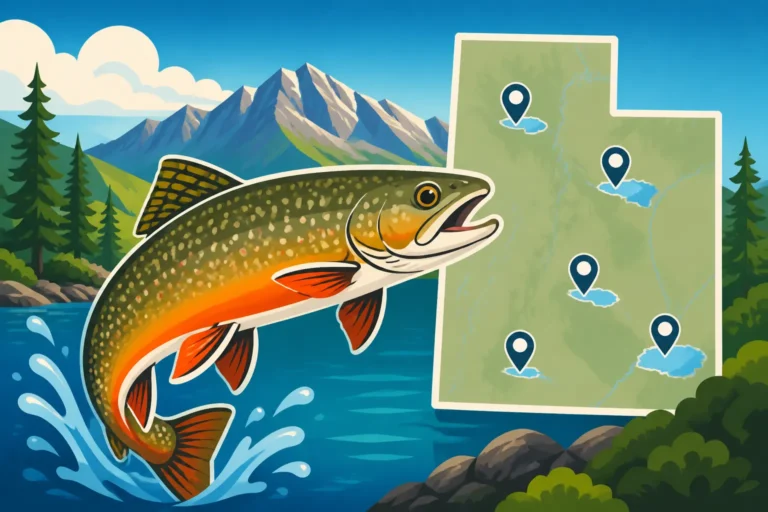
Here's a quick look at some key Utah reservoirs and their kokanee status:
| Reservoir | Initial Kokanee Stocking Period | Current Status | Primary Management Strategy | Notes |
|---|---|---|---|---|
| Flaming Gorge | Early 1960s | Self-sustaining/Stocked | Harvest Mgmt, Supplemental Stocking | Premier kokanee fishery, large fish potential. |
| Strawberry Reservoir | 1970s (reintroduced) | Heavily Stocked | Intensive Stocking | Very popular, strong annual returns. |
| Jordanelle Reservoir | Early 1990s | Self-sustaining/Stocked | Harvest Mgmt, Supplemental Stocking | Good numbers, convenient access. |
| Rockport Reservoir | Mid-1980s | Heavily Stocked | Intensive Stocking | Smaller reservoir, good for family fishing. |
| Porcupine Reservoir | 1960s | Limited Stocking | Put-Grow-Take / Stocking | Unique small mountain reservoir fishery. |
Note: Stocking periods and management strategies are subject to ongoing DWR review and adjustment based on fishery conditions.
Impact and Future of Kokanee Salmon in Utah
The introduction of kokanee salmon has undeniably left a significant mark on Utah's angling scene. They've become a staple for many, offering a unique and exciting fishing experience that complements our already diverse trout fisheries.
Angler Favorites and Economic Boost
It's hard to deny the popularity of kokanee salmon among Utah anglers. Their vibrant colors, feisty fight, and delicious table fare make them a highly sought-after species. The annual kokanee run, particularly at Strawberry and Flaming Gorge, draws thousands of anglers, creating a vibrant fishing culture around these reservoirs. Think about the excitement leading up to the fall spawn, with boat ramps bustling and social media feeds filled with pictures of crimson-colored fish. It's a true spectacle.
This popularity translates directly into economic benefits for surrounding communities. Tackle shops see increased sales of specialized kokanee gear, guides offer charters, and local businesses, from gas stations to restaurants, benefit from the influx of anglers. It’s not just about the fish; it’s about the entire experience they create. Many anglers spend hours researching the best lures, the ideal trolling speeds, and even the most effective colors for kokanee, often leading them to browse extensive selections on platforms like Amazon to find just the right tackle for their next trip. A reliable pair of polarized sunglasses, for instance, which can be easily ordered from Amazon, is essential for spotting subtle rod tip movements or even schools of fish in clear water.
Conservation and Ecosystem Role
While kokanee salmon are an introduced species, their impact on Utah's ecosystems has generally been viewed as beneficial or at least benign, largely due to their specific dietary needs. Because they primarily feed on zooplankton, they don't directly compete with many of our other game fish that rely on insect larvae, baitfish, or crayfish. In some cases, they can even serve as a valuable forage fish for larger predators like lake trout, contributing to a more balanced food web in our larger reservoirs.
However, managing any introduced species requires ongoing vigilance. The DWR continuously monitors kokanee populations, their health, and their interactions with other species to ensure that they continue to be a positive addition to our fisheries. This includes careful consideration of stocking numbers, locations, and the overall health of the aquatic ecosystem. It's a delicate balance, and agencies rely on anglers to follow regulations, understand limits, and practice responsible fishing, especially concerning Utah Aquatic Invasive Species Rules for Anglers to prevent the spread of true invasive threats. For dedicated anglers who want to make sure they're doing their part, having the right tools for careful catch and release, from long-nosed pliers to proper measuring devices, can make a huge difference, and these items are readily available on Amazon. The health of our waters and the sustainability of these fisheries for future generations are paramount.
Disclaimer
This article is for general informational purposes only and does not constitute professional advice. Laws, prices and regulations vary by location and change over time. Consult a qualified professional for guidance on your specific situation.