Smallmouth Bass Size at Flaming Gorge
One of the most thrilling experiences for any angler in Utah is battling a feisty smallmouth bass, especially in a world-class fishery like Flaming Gorge. While every catch is a victory, there's a special kind of excitement that comes with hooking into a truly impressive specimen. This guide dives deep into what you can realistically expect regarding smallmouth bass sizes at Flaming Gorge, helping you understand how these hard-fighting fish grow and how you can increase your chances of landing a true trophy.
Understanding Smallmouth Bass Growth at Flaming Gorge
Flaming Gorge Reservoir is renowned for its diverse fishery, and its smallmouth bass population is no exception. These energetic fish thrive in the reservoir's rocky, nutrient-rich environment, offering anglers fantastic opportunities. However, like any wild population, their size can vary greatly depending on a number of interconnected factors. It's not just about luck; it's about understanding their world.
Factors Influencing Smallmouth Size in Flaming Gorge
The size a smallmouth bass reaches in Flaming Gorge is a complex puzzle, influenced by everything from the water itself to the availability of food. One of the most critical elements is the reservoir's robust forage base. Flaming Gorge boasts an abundance of crayfish, which are like prime rib for smallmouth, packed with protein that fuels rapid growth. Beyond crayfish, a variety of baitfish, including chub and minnows, also contribute to the diet, ensuring a consistent food supply throughout the year. The sheer volume of this natural food means smallmouth don't often go hungry.
Water temperature also plays a massive role. Smallmouth bass are warm-water species, but they thrive in specific temperature ranges. Flaming Gorge offers a unique thermal stratification, providing both warm, shallow water for feeding in spring and fall, and deeper, cooler sanctuaries during the heat of summer. This allows them to maintain active metabolism and growth for extended periods. When water temperatures are consistently favorable, and food is plentiful, smallmouth can pack on the pounds efficiently. Conversely, extended periods of extreme cold or heat can slow their growth and activity. Fishing pressure, while not directly impacting individual fish growth, can influence the average size of fish caught, as heavily fished areas might see more smaller, more aggressive fish removed from the population.
Typical Size Ranges for Smallmouth Bass
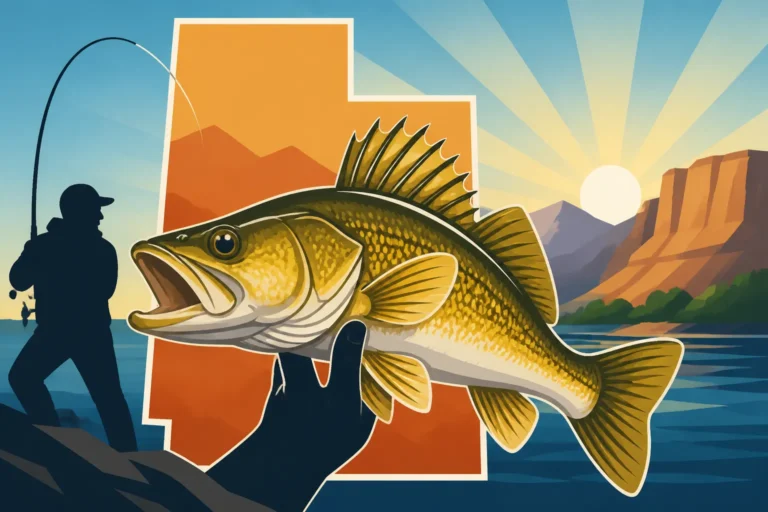
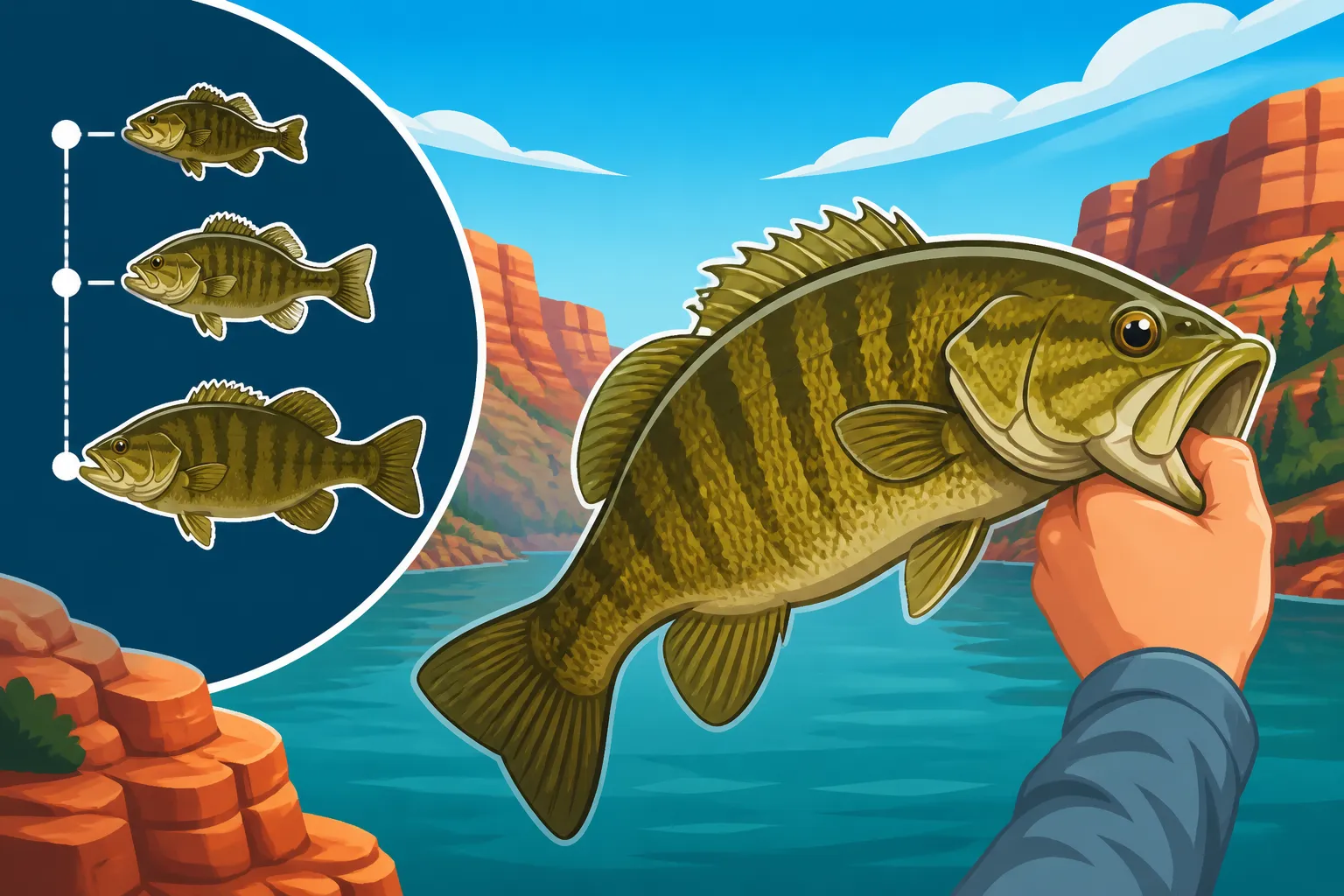
When you talk about smallmouth bass at Flaming Gorge, most anglers are picturing fish in the 1 to 3-pound range, and that's a very realistic expectation for a "good" day. These fish are energetic, put up a fantastic fight, and are plentiful throughout the reservoir. A 15 to 18-inch smallmouth is a common and respectable catch, providing plenty of excitement. However, the reservoir consistently produces fish well beyond this average.
The real excitement comes with the "trophy potential." Flaming Gorge regularly yields smallmouth bass in the 4 to 6-pound class, which are considered true giants for the species. Landing a 20-inch smallmouth is a memorable achievement and a testament to the reservoir's ability to grow big fish. While less common, fish pushing into the 7 and 8-pound range have been caught, truly testing an angler's skill and tackle. It's these giants that keep anglers coming back, knowing that every cast could connect with a new personal best. The sheer power of a 5-pound smallmouth in the Gorge's clear waters is something every bass angler dreams of experiencing. If you're curious about identifying these fish, check out our guide on Smallmouth Bass Identification in Utah.
| Size Category | Typical Weight Range | Typical Length Range | Fight Characteristics | Commonality at Flaming Gorge |
|---|---|---|---|---|
| Average Angler | 1 – 3 lbs | 12 – 18 inches | Energetic jumps, strong runs, consistent action | Very Common |
| Good Catch | 3 – 4.5 lbs | 18 – 20 inches | Powerful pulls, acrobatic, harder to land | Common |
| Trophy Potential | 4.5 – 6 lbs+ | 20 – 23+ inches | Extremely strong, deep dives, head shakes, often takes skill to land | Occasional |
How to Target Larger Smallmouth Bass at Flaming Gorge
Catching smallmouth bass at Flaming Gorge is one thing, but consistently targeting the larger specimens requires a bit more finesse, knowledge, and sometimes, a little luck. Big bass didn't get big by being careless; they're often more wary and hold in specific areas where they feel safe and food is readily available.
Key Habitats for Bigger Smallmouth
If you're hunting for those bigger smallmouth, you need to think like one. These aren't just random fish cruising the shoreline; they have preferred hangouts. Look for areas with a concentration of rocky points, especially those that extend into deeper water. These points act as highways for baitfish and crayfish, providing ambush points for larger bass. Ledges and steep drop-offs are also prime real estate. A big smallmouth loves to sit just off a ledge, waiting for unsuspecting prey to swim by. They use these depth changes as both hunting grounds and protective cover.
Submerged timber and rock piles, particularly in deeper water (15-30 feet), can hold significant numbers of larger bass, especially during the warmer months when they seek cooler temperatures and dense cover. During the spring, when smallmouth are preparing to spawn, they will move into shallower, protected coves with gravel or rocky bottoms. This is a fantastic time to find bigger fish, but remember to treat them with care, as they are crucial for future generations. As summer progresses, they'll often retreat to the cooler, deeper main lake points and humps. For specific hot spots, check out our guide on Flaming Gorge Smallmouth Bass Coves.
Effective Techniques and Lures for Trophy Smallmouth
When it comes to lures and techniques, variety is key, but some presentations just seem to trigger those bigger bites. Soft plastics, especially tube jigs in natural crayfish patterns, are incredibly effective. A 3.5 to 4-inch tube rigged on a 1/8 to 1/4 oz jig head, slowly dragged or hopped along the bottom, can be deadly around rocky areas. Another excellent choice is a Ned Rig, which is subtle but highly effective for fooling wary bass. You can find a fantastic selection of these on Amazon, often with various color kits to match local forage.
Crankbaits and jerkbaits also shine, particularly when fished around points and ledges. Choose models that dive to the depth where the bass are holding, usually 10-20 feet. A stop-and-go retrieve, mimicking a struggling baitfish, can often provoke an aggressive strike from a larger smallmouth. Topwater baits like poppers and walk-the-dog lures can be exhilarating during low-light conditions, especially in spring and fall, for drawing explosive strikes from bigger fish that are feeding aggressively near the surface. Finally, jigs with skirts, tipped with a creature bait trailer, are classic big-bass baits. Flipping these into submerged timber or dropping them along deep rock walls can coax out the largest residents. For more specific recommendations, our article on Best Lures for Utah Smallmouth Bass offers excellent insights. Remember, presentation is often more important than the lure itself; a slow, deliberate retrieve is often more effective for bigger, less aggressive fish. If you're fishing in colder water, a slower retrieve is absolutely crucial, as detailed in What Retrieve Speed Works Best for Smallmouth Bass in Cold Water?.
Smallmouth Bass Regulations and Conservation at Flaming Gorge
Fishing for smallmouth bass at Flaming Gorge isn't just about catching fish; it's also about being a responsible steward of this incredible resource. Understanding and adhering to the regulations is paramount to ensuring healthy populations for years to come.
Current Regulations Affecting Size and Limits
Like all fisheries in Utah, Flaming Gorge has specific regulations for smallmouth bass that can change season to season, or even year to year. It's absolutely critical to consult the most current Utah Fishing Guidebook issued by the Utah Division of Wildlife Resources (UDWR) before each trip. Generally, these regulations include daily bag limits and possession limits, which dictate how many fish you can keep in a single day or have in your possession. Sometimes, there are also length limits, such as minimum or maximum sizes, or even slot limits, where you can keep fish below or above a certain size, but not within a specific "slot." These regulations are put in place to manage the fish population, protect spawning fish, and ensure a sustainable fishery.
For smallmouth bass, especially the larger ones, many anglers at Flaming Gorge practice catch and release. Releasing those big, healthy bass, particularly the females, is a fantastic way to contribute to the future of the fishery. These larger fish are often the most productive spawners, contributing significantly to the genetic pool and overall health of the population. Always handle fish gently, minimize their time out of water, and use proper release techniques to give them the best chance of survival. For a broader overview of regulations, you might find our article on Utah Bass Fishing Regulations very helpful, but always double-check the latest official guidebook.
Importance of Healthy Smallmouth Populations
Healthy smallmouth bass populations are vital for several reasons, both ecologically and for the angling community. Ecologically, smallmouth bass are an important part of the food web in Flaming Gorge, acting as predators that help control populations of baitfish and crayfish. They contribute to the natural balance of the aquatic ecosystem. Without a robust smallmouth population, the balance could shift, potentially impacting other species or overall reservoir health.
From a sport fishing perspective, smallmouth bass are a cornerstone species at Flaming Gorge. Their aggressive strikes and powerful fights draw anglers from all over, contributing significantly to local economies through tourism, tackle sales (perhaps from your favorite online retailer like Amazon!), and guiding services. When anglers practice responsible fishing, such as adhering to limits and practicing catch and release for larger fish, they directly support the long-term viability of this fantastic fishery. It’s a collective effort to maintain the quality of fishing experiences at Flaming Gorge. While often popular, it's worth noting that in some areas, smallmouth can be considered invasive. For more on this, check out Are Smallmouth Bass Considered Invasive in Utah?.
Record-Breaking Potential and Angler Stories
Every cast into Flaming Gorge carries the potential for a memorable catch, and for some, the dream of a state record or a personal best fuels every fishing trip. The reservoir has a proven track record of producing exceptional smallmouth bass, keeping that dream alive for countless anglers.
The Quest for a State Record Smallmouth
Utah’s state record smallmouth bass is an impressive fish, a testament to the growth potential of this species in prime waters. While beating a state record is a rare feat, it’s not impossible at a place like Flaming Gorge. The fish that achieve this status are typically older, have found consistent access to abundant food, and have eluded anglers for many years. They are often found in deeper, less pressured areas, or around very specific, often subtle, structure that provides both cover and feeding opportunities.
The pursuit of such a fish isn't just about the catch; it's about the dedication, the detailed planning, and the countless hours spent on the water. Imagine the thrill of hooking into a fish that feels unlike anything you've ever battled, seeing its massive form emerge from the clear depths of Flaming Gorge. That's the stuff of angling legends! If you're serious about chasing a record, researching the current state record and the conditions under which it was caught can provide valuable clues. Our guide to The Utah State Record Smallmouth Bass provides more details on this elusive quest. The reality is, even if you don't break a record, the pursuit itself creates incredible memories and pushes your skills as an angler.
Sharing Your Flaming Gorge Smallmouth Success
Landing a big smallmouth at Flaming Gorge is an achievement worth celebrating and sharing, but doing so responsibly ensures the fish's well-being. If you plan to take photos, have your camera ready beforehand, minimize the fish's time out of the water, and support its body weight properly to avoid injury. A quick photo, a moment to appreciate the beauty and power of the fish, and then a gentle release back into its environment is the best practice.
Many anglers love to share their catches on social media or with friends, celebrating the moment. It's a fantastic way to connect with the broader angling community and inspire others. You can even find great waterproof cameras and fish handling tools on Amazon that make the process safer and easier for both you and the fish. But beyond the photos, remember the experience itself: the crisp morning air, the stunning scenery of Flaming Gorge, the sudden jolt of a strike, and the incredible fight. These are the moments that make fishing so special, whether your catch is a new record or a simply a beautiful, healthy smallmouth.
Disclaimer
This article is for general informational purposes only and does not constitute professional advice. Laws, prices and regulations vary by location and change over time. Consult a qualified professional for guidance on your specific situation.