Are Quagga Mussels Harmful to Fish Populations?
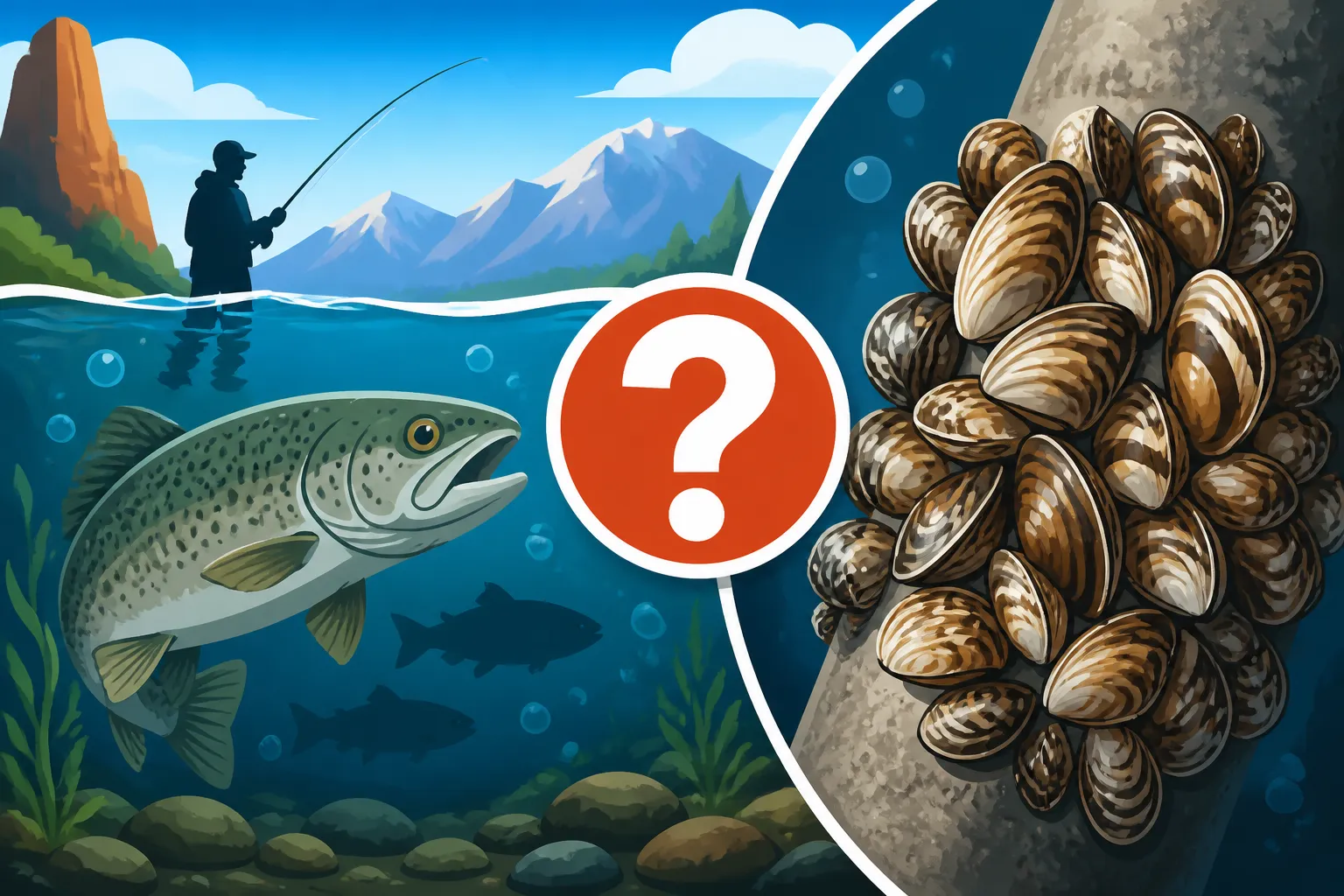
Oh, the dread of hearing "quagga mussels." It’s a phrase that sends a shiver down the spine of any angler who cares deeply about Utah’s incredible fisheries. You've heard the warnings, seen the signs, and maybe even been through the inspection lines. But beyond the immediate inconvenience, you might be wondering: are these little invaders truly that big of a deal for our beloved fish populations? The answer, unfortunately, is a resounding yes, and understanding how they cause harm is key to protecting our waters. This guide will dive deep into the real, tangible threats quagga mussels pose to the aquatic life we cherish in Utah.
The Alarming Truth About Quagga Mussels in Utah Waters
It’s easy to dismiss a tiny mollusk as harmless, but don’t let their size fool you. Quagga mussels represent one of the most significant biological threats to freshwater ecosystems, and their presence, particularly in Lake Powell, has Utah anglers and conservationists on high alert. The potential for these invasive species to spread throughout the state is a nightmare scenario, and for good reason.
What Exactly Are Quagga Mussels?
So, what exactly are we dealing with? Quagga mussels (and their close cousins, zebra mussels) are small, freshwater bivalves, meaning they have two shells. They typically only grow to about an inch or so, but what they lack in individual size, they make up for in sheer numbers and an insatiable appetite. They attach to hard surfaces using strong byssal threads, forming dense colonies that can literally blanket lakebeds, pipes, and even other living organisms. Originally from the Black Sea and Caspian Sea regions of Eurasia, they arrived in North America in the late 1980s, likely via ballast water from transoceanic ships.
Their prolific reproductive cycle is a huge part of the problem. A single female quagga mussel can release tens of thousands of microscopic larvae (called veligers) into the water column multiple times a year. These veligers drift freely, making them incredibly difficult to detect and control in their early stages. They are also incredibly resilient and can survive in a wider range of water temperatures and depths than many native species, giving them an alarming competitive edge once established.
How Quagga Mussels Invade an Ecosystem
The invasion process of quagga mussels is a textbook example of how a non-native species can wreak havoc. It often starts innocently enough, with a few mussels hitching a ride on a boat, fishing gear, or even a paddleboard from an infested waterway. Once introduced to a new body of water, their veligers begin to establish new populations. The mussels then rapidly colonize any available hard surface – rocks, docks, submerged vegetation, native clam shells, and even the shells of other mussels. This rapid colonization is what makes them so devastating.
For us in Utah, the most significant point of concern has been How Quagga Mussels Got Into Lake Powell. Lake Powell is a massive, complex reservoir, and once these mussels gained a foothold there, the challenge of eradication became monumental, if not impossible. From Lake Powell, the risk of spread to other precious waters like the Great Salt Lake, Utah Lake, and our many reservoirs and rivers becomes a constant, terrifying possibility. Every time a boat leaves an infested water body without proper cleaning, draining, and drying, it acts as a potential vector, carrying these microscopic invaders to a new, vulnerable ecosystem.
Direct Impact of Quagga Mussels on Fish Populations
When quagga mussels move in, it’s not just a subtle shift; it’s a full-blown ecological earthquake. They directly target the very foundations of the aquatic food web, starving out native species and altering habitats in ways that can be irreversible. It's a cruel twist of nature that something so small can cause such widespread devastation.
Disrupting the Food Web from the Bottom Up
Think of a lake's ecosystem as a carefully balanced pyramid, with microscopic plants and animals (plankton) at the base, followed by insects, small fish, and finally, the larger predatory fish we love to catch. Quagga mussels are filter feeders, and they are incredibly efficient at it. They consume vast quantities of phytoplankton, which are the microscopic plants that form the base of the food web for many native fish and invertebrates. Imagine a giant vacuum cleaner sucking up all the nutrients from your garden – that’s what quagga mussels do to a lake's plankton.
When phytoplankton populations crash, it has a cascading effect. Zooplankton, which feed on phytoplankton, dwindle. Small baitfish that rely on zooplankton for food then suffer, and in turn, the larger sport fish like trout, bass, and walleye that feed on those baitfish also face a severe food shortage. We're talking about direct starvation of fish because their food source has been decimated by an uninvited guest. This disruption impacts every Utah fish species in the ecosystem, from the smallest minnow to the largest trophy lake trout.
Competition for Resources and Habitat
Beyond simply stealing food, quagga mussels are also fierce competitors for habitat. They can attach to nearly any firm surface, including the shells of native mussels and crayfish, smothering them and preventing them from feeding or moving. This physical encrustation can be fatal to native species, pushing them towards decline or even local extinction.
Consider a spawning bed, which is a vital area for fish reproduction. Quagga mussels can carpet these essential habitats, making them unsuitable for native fish to lay their eggs. The sticky byssal threads and sharp shells of the mussels can also injure fish, particularly bottom feeders, and interfere with their ability to forage for food on the lakebed. Furthermore, their waste products can accumulate, altering sediment composition and introducing pollutants that further degrade the habitat. This makes it incredibly difficult for native fish to thrive, find shelter, or successfully reproduce, impacting overall fish health and population numbers.
Indirect Harm to Utah's Fisheries
The harm doesn't stop at direct competition and food web disruption. Quagga mussels cast a long shadow, creating a host of other problems that degrade water quality, strain management efforts, and ultimately hurt the entire fishing experience in Utah.
Water Quality Degradation and Its Consequences
Quagga mussels dramatically alter water chemistry and clarity. While clearer water might sound appealing, it's actually a sign of trouble. The mussels filter out so much plankton and suspended particles that the water becomes unnaturally clear. This deeper light penetration encourages the growth of aquatic plants (macrophytes) in areas where they typically wouldn't flourish, leading to dense weed beds that can choke out open water and make fishing difficult. These dense weed beds can also alter oxygen levels, especially as they decompose, creating areas of anoxia (lack of oxygen) that are deadly to fish.
Their filtering activity also changes nutrient cycling. By selectively filtering out certain types of plankton and depositing their waste as pseudofeces, they can shift the balance of nutrients in the water. This can sometimes lead to an increase in harmful algal blooms, which produce toxins that are dangerous to fish, wildlife, and even humans. The mussels also accumulate pollutants in their tissues, and when they die, these toxins are released back into the environment, further compounding the problem for Fish Species to Avoid Eating Due to Consumption Advisories in Utah. It's a complex chain reaction that ultimately makes the water less hospitable for our cherished fish.
Economic Strain on Fishing Management and Local Communities
The presence of quagga mussels isn't just an ecological problem; it's an economic burden. State agencies like the Utah Division of Wildlife Resources (UDWR) must divert significant resources – funding, personnel, and equipment – to monitor, prevent the spread of, and manage these invaders. This includes establishing Utah AIS inspection stations at boat ramps, implementing rigorous Utah Quagga Mussel Decontamination Rules, and public education campaigns. These costs are substantial and directly impact the resources available for other vital fisheries management programs, such as fish stocking, habitat improvement, and native species conservation.
Local communities that rely on fishing tourism also suffer. Increased regulations, decontamination requirements, and the perceived threat to fishing quality can deter anglers and boaters, impacting local businesses like tackle shops, marinas, hotels, and restaurants. Imagine planning a trip to one of Utah's prime fishing destinations, only to be hit with mandatory inspections and long waiting times. While these measures are absolutely necessary, they do present an obstacle. For anglers who have invested in Best Boats for Utah Reservoir Fishing, the ongoing maintenance and decontamination requirements become an added cost and chore, discouraging participation. It's a trickle-down effect that hits everyone from the state budget to the small business owner in a lakeside town.
What Anglers Can Do to Protect Utah's Fish
The situation might sound bleak, but we, as anglers, are on the front lines of defense. Our actions, or inactions, can literally determine the fate of Utah's pristine waters. The good news is, there are clear, actionable steps we can all take to be part of the solution, not the problem.
The "Clean, Drain, Dry" Protocol
This isn't just a suggestion; it's a critical mantra for every boater and angler in Utah: Clean, Drain, Dry.
- Clean: Inspect your boat, trailer, and all fishing gear for any visible mussels, plants, or debris every single time you leave a body of water. Mussels can attach to propellers, hulls, anchor lines, and even your fishing waders. Use a stiff brush or power washer to remove anything you find. For smaller items like nets, buckets, and even your fishing line on your reel, a good rinse with hot, soapy water (if appropriate for the gear) can make a difference. You can find specialized brushes and cleaning tools on Amazon to make this process more efficient.
- Drain: Pull all plugs and drain all water from your boat, including the bilge, live wells, and ballast tanks. Make sure to drain water from your engine, too. This isn't just about large amounts of water; even a small puddle can harbor microscopic veligers. Remember that some water bodies, like Lake Powell, have specific Utah Dry Time Rules After Leaving Lake Powell because of the severe quagga mussel infestation.
- Dry: This is perhaps the most crucial step. Allow your boat and all gear to completely dry for at least the recommended period before launching into another water body. Heat and desiccation are lethal to quagga mussels and their larvae. If you're going from an infested water to an uninfested one, this drying period might be extensive. It’s always best to check the current Utah Aquatic Invasive Species Rules for Anglers for specific guidelines, as they can change. Investing in some quick-drying towels or even a portable leaf blower (also available on Amazon) can help speed up the process for smaller equipment.
This protocol applies to everything that touches the water – kayaks, paddleboards, canoes, fishing waders, nets, anchors, and even your dog's vest if they've been swimming. If you're unsure, it's always safer to assume your gear needs cleaning, draining, and drying. Do Kayaks and Paddleboards Need AIS Inspections in Utah? Yes, absolutely, depending on where you launched and where you plan to go next!
Reporting and Community Involvement
Beyond our individual actions, being a vigilant member of the angling community is vital. If you ever spot what you suspect might be quagga mussels – perhaps attached to a rock, a piece of driftwood, or even another boat – report it immediately to the Utah Division of Wildlife Resources. Early detection is critical for any chance of containing a new infestation. You'll find contact information on the UDWR website.
Participate in local clean-up efforts or volunteer at AIS inspection stations if the opportunity arises. Share your knowledge with fellow anglers, especially those new to the sport. Many beginners might not be aware of the severity of the threat or the importance of proper decontamination. Point them to resources like the Utah Fishing Gear Guide and remind them about the "Clean, Drain, Dry" principles. Our collective effort is the only way we stand a chance against these invasive species. The health of our Utah Blue Ribbon Fisheries Rules and the diverse aquatic life they support depends on every single one of us doing our part.
Disclaimer
This article is for general informational purposes only and does not constitute professional advice. Laws, prices and regulations vary by location and change over time. Consult a qualified professional for guidance on your specific situation.