Utah Ice Fishing Regulations
There's nothing quite like the crisp silence and the thrill of pulling a fish through a hole in the ice, but let's be honest, navigating all the specific rules for ice fishing in Utah can feel like trying to find a needle in a haystack. It's easy to get overwhelmed by licenses, shanty regulations, and catch limits, especially when you're just trying to enjoy a peaceful day on the hard water. This comprehensive guide is here to untangle all those essential Utah ice fishing regulations, ensuring you have a safe, legal, and truly enjoyable experience out on the frozen lakes and reservoirs.
General License and Equipment Requirements
Before you even think about drilling that first hole, it’s crucial to understand the foundational rules that apply to all types of fishing in Utah, including when the water turns to ice. Knowing these basics will prevent any unnecessary headaches or, worse, penalties down the line.
Do You Need a Separate License for Ice Fishing?
One of the most common questions new ice anglers have is whether ice fishing requires a special permit or a different license from open-water fishing. The good news is, in Utah, your standard fishing license covers you for ice fishing as well! You don't need to purchase a separate "ice fishing license." If you have a current Utah fishing license, you're good to go.
This means whether you bought a yearly license back in March or picked up a short-term option, as long as it's valid, you're covered. Utah offers various license types, including annual, multi-year, and even short-term licenses (like a Utah 3-Day Fishing License Cost or Utah 7-Day Fishing License Cost) that can be perfect if you're just planning a quick trip to the ice. Remember, everyone 12 years of age and older needs a fishing license in Utah. So, if you're bringing the kids, make sure they're covered too, or know the rules for Utah Youth Fishing License Rules and exceptions like Do Kids Under 12 Need a Fishing License in Utah?. Always have your license accessible, whether it's a physical copy or a digital one on your phone, as wildlife officers can and will check.
Essential Gear and Safety Considerations
Beyond the license, safety on the ice is paramount. Utah's winters can be unpredictable, and ice conditions can change rapidly. While the state doesn't mandate every single piece of safety gear, being prepared isn't just smart; it can be life-saving.
Always start with checking ice thickness. A good rule of thumb is at least 4 inches for individual foot travel, 5-7 inches for snowmobiles or ATVs, and 8-12 inches for cars or small trucks. Never assume the ice is safe just because others are out there; always check it yourself with a spud bar or an ice auger as you move. Many experienced anglers invest in ice cleats, which can be found readily on platforms like Amazon, to prevent slips and falls on slick surfaces. A pair of ice picks, worn around your neck, are also highly recommended to help you pull yourself out if you do break through.
In terms of fishing gear, a reliable ice auger is crucial, whether it's a hand auger, a propane-powered model, or an electric auger. Many anglers find a good selection of specialized ice fishing gear, from portable heaters to sturdy shelters, on platforms like Amazon, making it easy to get ready for the season. Don't forget proper layering with warm, waterproof clothing, as Utah's high-altitude ice fishing can get brutally cold. Having a basic first-aid kit, a communication device, and knowing how to respond to an emergency are also critical components of a responsible ice fishing trip. You might want to brush up on How Thick Does Utah Ice Need to Be Before You Can Fish On It? before heading out.
Ice Shanty Rules and Placement
Ice shanties, or ice fishing shelters, are a beloved part of the ice fishing experience, offering protection from the elements and a cozy spot to wait for a bite. However, Utah has specific regulations governing their use and placement to ensure public safety and environmental responsibility.
Temporary vs. Permanent Ice Shelters
In Utah, most anglers use what are considered "temporary" ice shelters. These are typically portable, collapsible shanties that can be easily set up and taken down. The key regulation here revolves around when and how long these shelters can remain on the ice. Generally, any shelter left on the ice overnight or unattended must be clearly marked with the owner's name and address or DWR customer ID number. This ensures accountability and helps authorities contact owners if conditions change rapidly, such as a sudden thaw.
The real sticky point comes with the removal dates. For most Utah waters, ice fishing shelters must be removed from the ice by a specified date, usually around mid-March, or when ice conditions deteriorate, whichever comes first. This regulation is critical to prevent shanties from becoming hazards or litter once the ice breaks up. For instance, certain waters like Strawberry Reservoir have specific seasonal closures that could impact when you can even access the ice, so always check the latest DWR proclamation. Leaving a shanty on the ice past the removal date can result in fines and the cost of removal being billed to the owner. This is an important consideration, and you can learn more about it in How Long Can an Ice Shanty Stay on Utah Ice?.
Placement and Distance from Other Anglers
While Utah regulations don't typically specify a minimum distance you must maintain between your ice shanty and another angler's, common courtesy and safety are always paramount. Crowding other anglers not only invades their personal space but can also interfere with their fishing lines and techniques. A general rule of thumb among respectful anglers is to provide ample space, especially if others are actively fishing or have spread out multiple lines.
Consider wind conditions and visibility when setting up. A large group of shanties can become a navigational hazard for snowmobiles or other vehicles on the ice, especially in low light or stormy weather. Always be aware of your surroundings and avoid blocking access points, trails, or areas where emergency services might need to operate. Being a good neighbor on the ice makes the experience better for everyone, and it's something every ice angler should practice.
Bait, Tackle, and Line Regulations
The methods you use to catch fish through the ice are also subject to regulations. These rules are in place to manage fish populations, ensure fair chase, and prevent overharvesting. It’s important to know what’s allowed and what’s not to avoid any legal trouble.
Number of Rods and Lines Permitted
For most ice fishing in Utah, anglers are permitted to use two fishing poles or hand lines. This means you can have two separate lines in the water at any given time. This rule is consistent across many waters and applies whether you're actively holding the rod or using a tip-up device that signals a bite. It's a fairly straightforward rule, but it's one that officers frequently check, especially on popular ice fishing destinations.
It’s easy to get caught up in the excitement and set out more lines than allowed, especially if you're using various techniques or targeting different species. However, exceeding the two-line limit can result in a citation. Always double-check the current Utah Fishing Guidebook, as there can be very specific, localized exceptions to this rule on certain waters, though it's rare for ice fishing. For a deeper dive into this, check out How Many Ice Fishing Rods Can You Use at Once in Utah?.
Live Bait and Artificial Lure Rules
When it comes to bait and lures, Utah has fairly specific guidelines designed to protect its aquatic ecosystems from invasive species and disease. For ice fishing, common natural baits like worms, mealworms, and corn are generally allowed and very effective for species like trout and perch. However, the use of live minnows as bait is much more restricted. Live minnows, particularly those not native to Utah, can carry diseases or become invasive themselves if they escape into the water body.
Therefore, if you plan to use live minnows, they must typically be of a species authorized by the DWR and purchased from a licensed Utah bait dealer. It is illegal to transport live fish from one water body to another, even if you caught them legally. This rule is incredibly important for preventing the spread of aquatic invasive species. Many popular artificial lures and jigs are perfectly legal and effective for ice fishing. Tungsten jigs, small spoons, and soft plastics are staples in an ice angler's tackle box. You can often find a wide variety of these lures on Amazon, ensuring you have plenty of options for different fish and conditions. Always review the "Prohibited and Restricted Species" section in the current Utah Fishing Guidebook to be absolutely sure about your bait choices.
Here's a quick summary table of common regulations:
| Regulation Category | General Utah Ice Fishing Rule | Notes & Exceptions |
|---|---|---|
| Fishing License | Required for ages 12+ | Standard fishing license covers ice fishing. |
| Number of Lines | 2 rods or hand lines per angler | Check DWR guide for rare water-specific exceptions. |
| Ice Shanty ID | Required if left unattended/overnight | Name & DWR ID/Address visible. |
| Ice Shanty Removal | By specified date (approx. March 15) or ice breakup | Fines for non-compliance; owners liable for removal. |
| Live Bait | Worms, mealworms, authorized minnows | No unauthorized live bait; no transport between waters. |
| Ice Thickness | 4" for foot, 5-7" for ATV, 8-12" for vehicles | Always check yourself! |
Catch Limits and Species-Specific Rules
Just like open water fishing, ice fishing is subject to daily bag and possession limits, as well as species-specific regulations. These rules are designed to ensure sustainable fish populations for everyone to enjoy for years to come. Ignoring them can have serious consequences.
General Bag and Possession Limits
Daily bag limits dictate how many fish of a particular species you can keep in a single day, while possession limits refer to the total number of fish you can have in your possession, typically representing multiple days' catch (though in Utah, possession limit is usually the same as the daily bag limit unless otherwise specified for specific species). These limits apply equally to ice fishing as they do to any other form of angling in Utah. For example, if the limit for trout is 4, you can only keep 4 trout during your ice fishing trip.
It's absolutely critical to consult the most current Utah Fishing Guidebook, published annually by the Utah Division of Wildlife Resources (DWR), before heading out to any specific water. These limits can vary significantly from one reservoir to another, even for the same species. What's allowed at Strawberry Reservoir Fishing Guide might be different from Fish Lake Trophy Trout Fishing or Scofield Reservoir Fishing Access. Always check the specific water body you plan to visit, as special regulations, such as slot limits (where fish within a certain size range must be released) or reduced bag limits, are common. For a more general overview, you can refer to Utah Daily Bag and Possession Limits.
Invasive Species and Mandatory Harvest Rules
One of the most important aspects of Utah's fishing regulations, particularly relevant to ice fishing, involves invasive species and mandatory harvest rules. The DWR works tirelessly to protect native fish populations and control the spread of destructive non-native species. For certain invasive fish, Utah has implemented mandatory harvest rules, meaning if you catch one, you must keep it and not release it back into the water. This is a critical effort to reduce their populations and mitigate their impact on the ecosystem.
The most prominent example of this for ice anglers is the Northern Pike, particularly in waters like Utah Lake. If you catch a Northern Pike, you are legally required to kill it immediately. Releasing it alive back into the water is a violation and can carry significant penalties. Understanding Why Utah Lake Requires You to Kill Every Northern Pike? provides crucial context for this rule. Other invasive species like common carp, although not always subject to mandatory harvest, are often encouraged to be removed. Always be vigilant about identifying your catch and adhering to these vital regulations to help protect Utah's precious fisheries. Never transport live fish from one water body to another, even dead invasive ones, unless specifically allowed for disposal purposes.
Water-Specific Ice Fishing Regulations
While general rules apply statewide, many of Utah's most popular ice fishing destinations have their own unique set of regulations that anglers absolutely must be aware of. These site-specific rules are often put in place to protect particular fisheries or manage unique ecological conditions.
Popular Ice Fishing Destinations and Their Unique Rules
Utah is blessed with a plethora of fantastic ice fishing opportunities, from the massive Flaming Gorge to the productive Strawberry Reservoir. However, each of these waters can come with its own set of nuanced rules that go beyond the statewide general regulations.
For instance, Strawberry Reservoir Fishing Guide is famous for its trophy cutthroat and kokanee salmon, but it also has strict seasonal closures for certain areas to protect spawning fish, including during some ice fishing periods. Understanding Strawberry Reservoir Seasonal Closure Dates is crucial to avoid fishing in prohibited areas. Similarly, Flaming Gorge Fishing Guide is renowned for its monster lake trout, but anglers need to be aware of depth limits or specific trolling restrictions that might apply even under the ice, although ice fishing is mostly vertical. Bear Lake Fishing Guide is unique for its Bonneville cisco run in January, which has special snagging rules for harvest. Other waters like Pineview Reservoir Fishing Spots might have specific regulations for tiger muskie, requiring a large minimum length before harvest. Always, and we mean always, check the Utah Fishing Guidebook for the specific water body you intend to fish. A few minutes of research can save you a lot of trouble.
Aquatic Invasive Species AIS Requirements for Boaters
While ice fishing usually means leaving the large boats at home, the broader context of Aquatic Invasive Species (AIS) rules still plays a role, especially for those who might use smaller watercraft (like kayaks or float tubes) in early or late ice seasons, or for those whose ice fishing gear might transition to open water fishing later in the year. Utah is incredibly serious about preventing the spread of AIS, such as quagga and zebra mussels, which can devastate ecosystems and infrastructure.
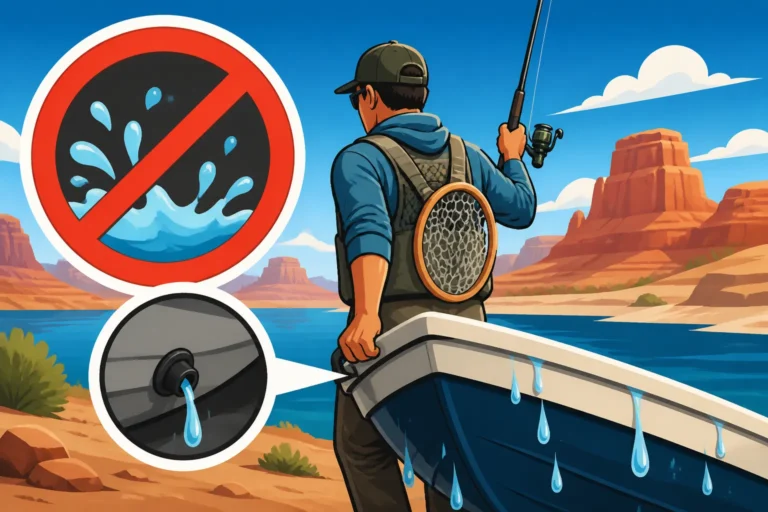
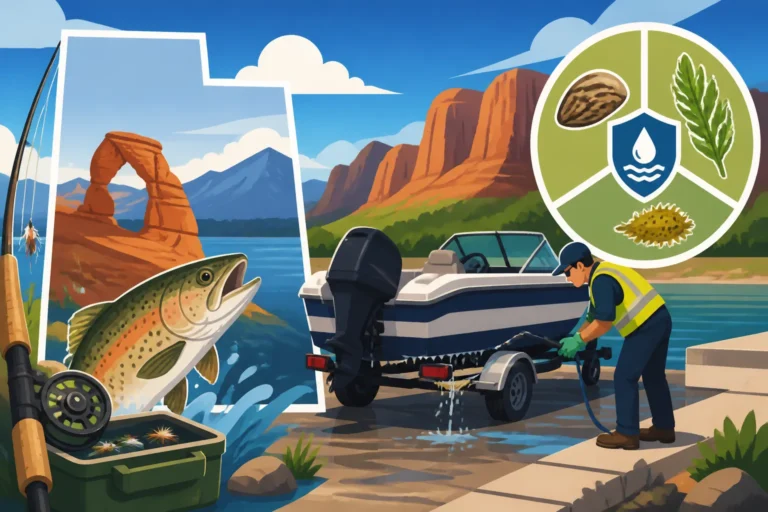
Even if you're not launching a boat directly onto the ice, any gear that comes into contact with the water – your auger, buckets, tip-ups, or even the treads of your ATV or snowmobile – could potentially harbor microscopic larvae. Therefore, the "Clean, Drain, Dry" principle from Utah Aquatic Invasive Species Rules for Anglers is something to keep in mind for all your equipment. Ensure all your gear is thoroughly cleaned of any mud or plant matter, drained of all water, and completely dried before moving it from one water body to another. This diligent practice helps protect Utah's waters and ensures that our beloved fishing spots remain healthy for future generations.
Enforcement, Penalties, and Responsible Angling
Understanding the regulations is one thing, but knowing the potential consequences of not following them and embracing responsible angling practices is equally important. The DWR takes its role as stewards of Utah's wildlife seriously, and compliance is expected from all anglers.
What Happens If You Break the Rules?
Let's be blunt: getting caught breaking fishing regulations in Utah can lead to a lot more than just a stern talking-to. The Utah Division of Wildlife Resources (DWR) has dedicated officers who patrol all fishing waters, including popular ice fishing locations, and they are authorized to enforce all state and federal wildlife laws. Penalties for violations can range from significant fines to the confiscation of fishing equipment, loss of fishing privileges (license suspension), and even jail time for severe offenses.
For example, fishing without a valid license, possessing over the legal limit of fish, or keeping a fish that should have been released can result in substantial monetary fines. Transporting live, unauthorized bait or invasive species can lead to even more severe penalties due to the ecological threat it poses. Ignorance of the law is generally not considered an excuse, which is why taking the time to understand resources like this guide and the official DWR Fishing Guidebook is so crucial. Don't let a momentary lapse in judgment or a lack of knowledge ruin your day on the ice and put a dent in your wallet. A good overview of the consequences can be found in Utah Fishing License Penalties for Violations.
Tips for Ethical and Safe Ice Fishing
Beyond just following the letter of the law, being an ethical and safe ice angler is about respecting the resource, the environment, and your fellow outdoor enthusiasts. Always prioritize safety, starting with verifying ice conditions. Never venture onto ice that looks questionable or after a significant warm spell. Share ice thickness information with others, and if in doubt, stay off.
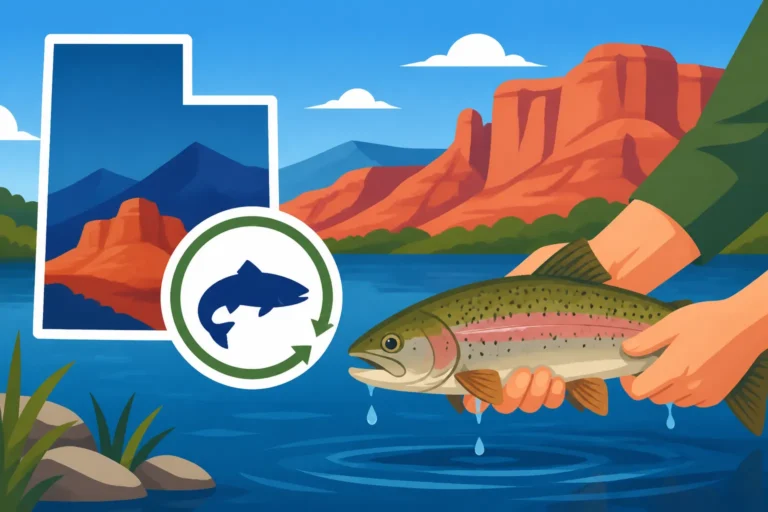
When it comes to the fish themselves, practice proper catch-and-release techniques if you're not keeping your limit. Handle fish gently, minimize their time out of water, and use appropriate tools like long-nose pliers or hook removers to minimize harm, especially for cold-stressed fish. For more details on this, check out How to Release a Fish Without Hurting It in Utah. Always pack out everything you pack in, and then some. Leave no trace of your presence – that means no trash, no discarded fishing line, and no human waste. Dispose of bait properly and never dump unused baitfish into the water. By adhering to these ethical guidelines, we all contribute to a positive and sustainable ice fishing culture in Utah, ensuring that the magic of pulling a fish through the ice remains for generations to come.
Disclaimer
Please remember that fishing regulations, including those for ice fishing, can change. While this guide provides a comprehensive overview based on current information, it is your responsibility to consult the most recent official Utah Fishing Guidebook published by the Utah Division of Wildlife Resources (DWR) before any fishing trip. This guide is for informational purposes only and should not be considered a substitute for the official regulations.