Best Bobber Style for Bait Fishing in Utah
Figuring out the best bobber for your bait fishing adventures in Utah can feel a bit like trying to navigate a new trail without a map. With so many options out there, it's easy to feel overwhelmed, wondering if you're using the right tool to land those elusive fish. This guide is all about simplifying that choice, helping you understand the different bobber styles and exactly when and where each one shines brightest in our beautiful Utah waters.
Understanding the Basic Bobber Types for Utah Anglers
When you walk into any tackle shop, or even browse online, you’ll quickly notice that not all bobbers are created equal. They come in all shapes, sizes, and attachment styles, each designed to do a specific job. For bait fishing here in Utah, we generally boil it down to two main categories: fixed bobbers and slip bobbers. Understanding the fundamental differences between these two is key to improving your bait presentation and, ultimately, your catch rate.
Fixed Bobbers: Simplicity and Control for Shallow Waters
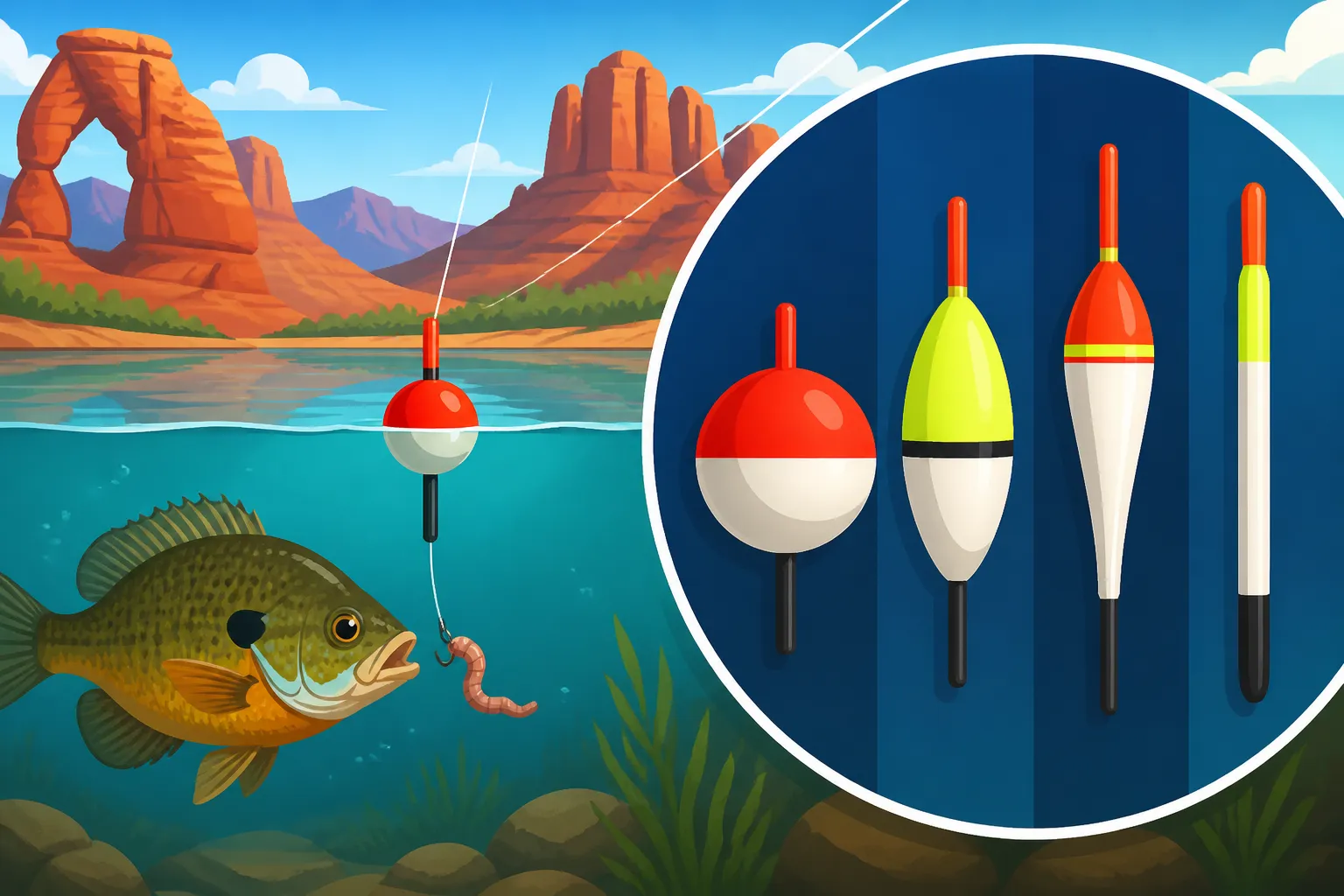
Ah, the classic red and white bobber! This is what most of us grew up with, and for good reason—it’s simple, effective, and incredibly easy to use, making it a fantastic choice for beginners and experienced anglers alike in the right conditions. A fixed bobber, as the name suggests, attaches to your fishing line at a set point. This means your bait will always suspend at the same depth below the surface, no matter what.
The beauty of a fixed bobber lies in its straightforward nature. You pinch it on, cast it out, and watch it float. When a fish bites, the bobber dips, twitches, or gets pulled completely under, giving you an immediate visual cue to set the hook. This direct feedback is incredibly rewarding, especially when teaching kids to fish. However, this fixed attachment also presents its primary limitation: depth. If you're fishing in water that's deeper than your rod is long, casting a fixed bobber becomes a real headache. You can't reel the bobber into your rod tip, which makes accurate casting difficult and can even lead to tangled lines. Think of it like trying to swing a jump rope that's tied to your ankle – it just doesn't work right. Despite this, for many situations in Utah, a fixed bobber is exactly what you need.
Slip Bobbers: Adaptability for Deeper Presentations
Now, let's talk about the slip bobber, a truly ingenious invention that unlocks a whole new world of bait fishing possibilities, particularly in Utah's deeper reservoirs and lakes. Unlike a fixed bobber, a slip bobber isn't clamped directly to your line. Instead, your fishing line runs through the bobber itself. The depth at which your bait suspends is then controlled by a small bobber stop, which can be a piece of thread, a small bead, or even a tiny rubber stopper, tied onto your line.
The magic happens when you cast. The bobber slides down your line to rest against your bait or sinker, creating a compact unit that's easy to cast long distances. Once it hits the water, the sinker pulls your bait down, and the bobber "slips" up the line until it hits that bobber stop you placed. This allows you to fish your bait at virtually any depth, from just below the surface to many feet down, without the casting limitations of a fixed bobber. Imagine being able to present a worm 20 feet deep in Deer Creek Reservoir with a simple cast from shore – that's the power of a slip bobber. While setting up a slip bobber rig takes a tiny bit more effort initially, the versatility it offers for targeting fish suspended at various depths is absolutely invaluable. You can find excellent options for slip bobbers and bobber stops at Bass Pro Shops or by checking out the wide array available on Amazon.
When to Choose a Fixed Bobber in Utah's Waters
Deciding which bobber to use often comes down to the depth of the water you're fishing and the behavior of the fish you're targeting. For many common Utah fishing scenarios, especially those focused on accessibility and simplicity, the fixed bobber is king.
Ideal for Shallow Ponds and Stream Fishing
If you're taking the family to one of Utah's many community fishing ponds, like those along the Wasatch Front, or casting a line into a smaller, shallower stream, a fixed bobber is usually your best bet. These waters are typically stocked with trout and often have panfish, which tend to cruise in shallower zones. You're rarely going to be fishing more than 6-8 feet deep, which is well within the comfortable range for a fixed bobber setup. The simplicity means less fuss and more fishing, which is always a win, especially with impatient little anglers in tow!
Imagine a sunny afternoon at a local pond. You've got your rod, a can of corn or some PowerBait, and a fixed bobber. You cast out near some weeds or a drop-off, and the bobber immediately gives you visual feedback on the subtle bites of bluegill or recently stocked rainbow trout. There's no complex rigging, just pure, unadulterated fishing fun. The immediate visual of the bobber dancing and then plunging under the surface is an exciting moment for anyone, truly bringing the bite to life. This is where the fixed bobber shines – quick setups, clear strike indication, and perfect for waters where your target depth isn't too far from the surface. For more on beginner setups, check out What Gear Does a First-Time Utah Angler Need?.
Targeting Stocked Trout and Panfish
Fixed bobbers are absolutely fantastic for targeting Utah's stocked rainbow trout, especially those found in community ponds and smaller reservoirs. These fish are often quite aggressive and feed actively in the upper water column. A fixed bobber keeps your bait, whether it's a worm, PowerBait, or corn, right in their strike zone. The same goes for various panfish species like bluegill and perch, which are commonly found in Utah's warmer, shallower waters. They love to hang around structure near the surface, and a fixed bobber makes it easy to present a small piece of bait right in front of them.
When you're dealing with these smaller, feistier fish, the sensitivity of a smaller fixed bobber can also be a real advantage. Even the slightest nibble will cause it to twitch, giving you ample warning before the fish fully commits. This is particularly helpful when fish are being finicky. If you're looking for Utah Trout Fishing Tips or a comprehensive Utah Panfish Guide, you'll find that these adaptable fixed bobber setups are a go-to for many anglers.
The Versatility of Slip Bobbers for Deeper Utah Fishing
When your fishing aspirations take you beyond the shallow margins and into the deeper, more mysterious parts of Utah's lakes and reservoirs, the slip bobber becomes an indispensable tool. Its ability to present bait at precise depths, far below the surface, opens up opportunities for targeting a wider range of species that don't always hang out in the shallows.
Reaching Suspended Fish in Reservoirs
Utah is home to incredible reservoirs like Strawberry, Flaming Gorge, and Lake Powell, which hold big trout, walleye, bass, and stripers that often suspend at specific depths. These fish aren't always on the bottom, nor are they always near the surface. They might be holding 10, 20, or even 30 feet down, following baitfish or seeking cooler water. Trying to reach them with a fixed bobber is practically impossible unless you're fishing directly below the boat. This is where the slip bobber truly shines.
With a slip bobber, you can easily adjust your bobber stop to set your bait at the exact depth where fish are biting. This precision allows you to systematically cover the water column. If you know walleye are holding at 15 feet in Utah Lake, you simply slide your bobber stop to that mark, cast out, and let your bait descend. The slip bobber then floats on the surface, indicating any bites, while your bait is perfectly presented far below. This technique is especially effective when scouting new water or when fish are scattered at various depths. It's the ultimate tool for vertical presentation without the need for complex electronics or boat maneuvers. For detailed guides on specific species, check out Utah Walleye Fishing Guide or Utah Smallmouth Bass Guide.
Managing Wind and Current More Effectively
Fishing in Utah often means contending with wind and, in river systems, current. Both can make presenting bait accurately a real challenge. A fixed bobber, with its line held rigidly, can sometimes be dragged unnaturally by strong currents or get pushed around by wind, making it hard to keep your bait in the desired zone. Slip bobbers, however, offer a bit more grace.
Because the line runs freely through the bobber, there's less direct drag on the float itself. While wind can still affect casting distance and drift, a heavier sinker below a slip bobber can help keep your bait more stable in a current, allowing it to tumble naturally downstream without being unduly pulled by the bobber on the surface. For casting in windy conditions, the compact nature of a slip bobber rig, where the bobber slides down to the weight for the cast, makes it much easier to achieve greater distances and accuracy. No more wildly flailing a long leader in a gusty breeze! If you're looking for information on how to rig one up, take a peek at How to Set Up a Slip Bobber Rig.
Specialty Bobbers and Their Niche Uses
Beyond the two main categories, the world of bobbers also includes some specialized designs that address particular fishing challenges or preferences. While not as universally applicable as fixed or slip bobbers, these can be incredibly effective in the right situations.
Casting Bobbers and Weighted Floats
Sometimes you have a very light bait, like a small worm, a single kernel of corn, or even a tiny jig, that you need to cast a long distance. The problem is, it doesn't have enough weight on its own to go anywhere. That's where casting bobbers or weighted floats come in. These are essentially bobbers that have built-in weight, allowing you to cast much further than you could with an unweighted bait. Some casting bobbers are also designed to be filled with water, allowing you to adjust their weight for different casting needs.
These are fantastic for situations where fish are spooky and holding far from shore, or when you simply need to cover a lot of water without adding a heavy sinker directly to your bait setup. They can often be used as either fixed or slip floats, depending on their design. Imagine you're trying to reach a school of cruising trout across a wide, clear flat at a place like Mantua Reservoir. A light bait with a weighted casting bobber might be the perfect solution to get your offering into the strike zone without spooking them. You can find these specialized floats at reputable fishing gear retailers, often alongside standard bobbers.
Waggler Floats for Sensitive River Fishing
While less common for the general angler in Utah, waggler floats are a staple in European coarse fishing and have specific applications here, particularly in slower-moving rivers or canals. A waggler float is typically longer and thinner than a traditional fixed bobber, with most of its buoyancy at the bottom. It attaches to your line at only one point (usually the bottom), allowing it to "wobble" or "waggler" with the subtle currents, presenting a more natural drift.
The design of a waggler float makes it incredibly sensitive to bites, often indicating even the most delicate tap before a full pull-down. This sensitivity, combined with its ability to lay flat on the water surface and only stand upright when the shotting (small weights on the line) pulls it down, means it can indicate a fish lifting the bait as well as pulling it down. If you're fishing for smaller trout or whitefish in a gentle section of a river like the Logan River or the lower Provo River, and you want the most natural presentation possible, a waggler might be worth experimenting with. However, they do require a bit more finesse in their setup and balance compared to a standard fixed or slip bobber.
Choosing the Right Bobber for Specific Utah Species and Waters
Now that we've explored the different styles, let's bring it back to our beautiful state of Utah. The best bobber isn't just about the type; it's about matching the bobber to the fish you're after and the water you're fishing.
Bobbers for Trout in Ponds and Rivers
For the everyday angler chasing trout in Utah's community ponds or smaller, easily accessible rivers, a fixed bobber is often the easiest and most effective choice. These environments typically have shallower depths where the trout are actively cruising. A simple setup with a small fixed bobber, a light split shot, and a baited hook (PowerBait, worms, or corn) is a classic and highly successful rig.
When you're fishing for trout in deeper parts of reservoirs, however, you might need to go with a slip bobber. Let's say you're at Strawberry Reservoir, and the trout are holding 15 feet down, away from the shore, but you don't have a boat. A slip bobber allows you to cast a good distance and present your bait at that precise depth. You'll want to use enough weight to quickly pull your line through the bobber to the desired depth. Consider exploring Best Tackle for Utah Trout for more specific gear recommendations.
Bobbers for Bass and Walleye in Large Reservoirs
When you're targeting species like smallmouth bass at Flaming Gorge or walleye at Utah Lake, these fish often relate to structure or specific depths in large, open water. Bass might be found around rocky points or submerged timber, while walleye are often suspended or near the bottom in deeper flats. In these situations, the versatility of a slip bobber is almost always preferred.
The ability to adjust your depth quickly and precisely is critical. If your fish finder shows a school of walleye at 20 feet, you can set your slip bobber rig to present a minnow or a worm directly in front of them. For smallmouth bass, especially when they're not actively feeding on the surface, a slip bobber can keep a crayfish imitation or a live minnow suspended just above their ambush points. The key here is adaptability – being able to change your fishing depth without constantly re-tying your entire setup.
Bobbers for Panfish and Other Warm-Water Species
For bluegill, perch, and other panfish found in many of Utah's warmer ponds and shallower sections of reservoirs, both fixed and slip bobbers can work well, depending on the depth. If they're in less than 8 feet of water, a small fixed bobber is perfectly adequate and easy to manage. It provides excellent bite indication for their typically gentle strikes.
If you're finding panfish in slightly deeper pockets, say 10-12 feet, or if they're suspended over deeper water, a slip bobber can give you that extra reach. The general rule is to use the smallest bobber that will adequately float your bait and sinker. A smaller bobber provides less resistance when a fish bites, leading to more hooked fish.
Here's a quick comparison to help you visualize:
| Feature | Fixed Bobber | Slip Bobber |
|---|---|---|
| Attachment | Clips onto line at a fixed point | Line runs through, controlled by bobber stop |
| Ideal Depth | Shallow (typically < 8-10 feet) | Any depth (especially deep waters) |
| Casting Ease | Excellent for short casts, difficult for long/deep | Excellent for long casts at any depth |
| Setup Complexity | Very simple, quick | Slightly more involved, but still easy |
| Bite Indication | Direct visual, good for light bites | Direct visual, good for light bites |
| Best For | Stocked trout, panfish in ponds/shallow rivers | Trout, walleye, bass, stripers in reservoirs |
| Key Advantage | Simplicity, immediate bite recognition | Versatility, depth control |
Remember, the right bobber is the one that allows you to present your bait naturally in the strike zone of the fish you're targeting. Don't be afraid to experiment! Sometimes, the fish have a preference you can only discover by trying both. And always keep your Utah Fishing Regulations Explained in mind, no matter what gear you're using!
Disclaimer
This article is for general informational purposes only and does not constitute professional advice. Laws, prices and regulations vary by location and change over time. Consult a qualified professional for guidance on your specific situation.