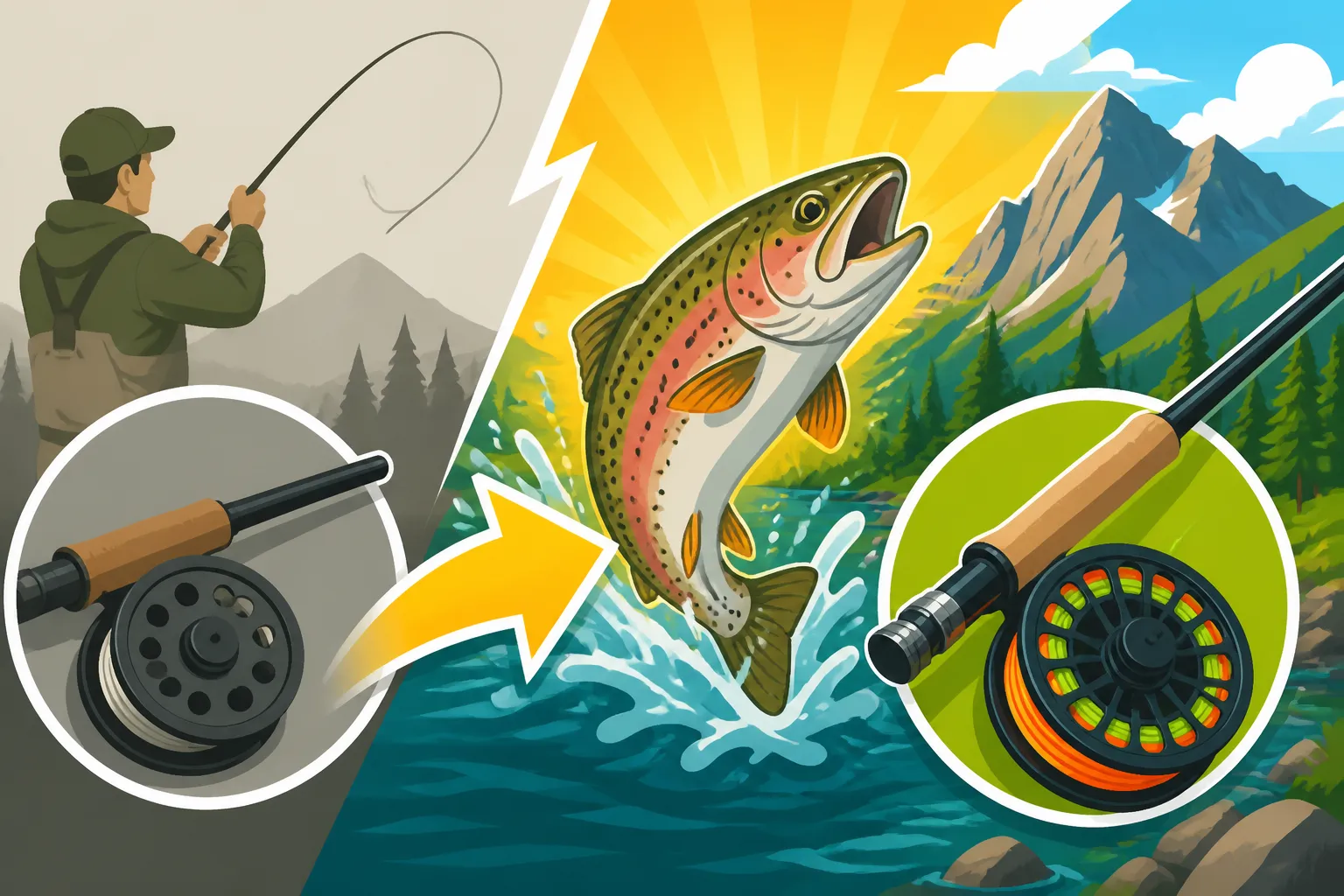
Gear Upgrade That Makes the Biggest Difference for Utah Trout Anglers
It’s a tale as old as time for many anglers: you started with a decent, perhaps even affordable, fishing setup. You've caught a few fish, enjoyed some sunny days on the water, and felt the tug of a trout on the end of your line. But lately, you might be feeling like you've hit a wall. Your casts aren't landing where you want them, you're missing subtle bites, or perhaps fighting bigger fish feels more like a wrestling match than a controlled dance. This guide is for you, because we're going to dive deep into the one gear upgrade that truly makes the biggest difference for Utah trout anglers, transforming your experience on the water from merely catching to truly fishing.
The Frustration of Stagnation: When Your Current Gear Just Isn't Cutting It
Let's be honest, we all start somewhere. For many, that's a pre-packaged rod and reel combo, often purchased for its convenience and friendly price tag. And for a while, it does the job. You can get a line in the water, and with a bit of luck, you'll reel in some of the plentiful stocked rainbow trout found in Utah's community ponds and reservoirs. But there comes a point where that basic gear, while functional, becomes a noticeable impediment to your growth as an angler. You're trying new techniques, visiting more challenging waters, or simply aiming to improve your catch rate and success with trickier, wilder trout, and your equipment just isn't keeping up.
Recognizing the Limits of Entry-Level Tackle
Think about that rod you started with. Chances are it's a bit heavy, maybe a little floppy, and lacks that crisp responsiveness you see experienced anglers demonstrate. Entry-level rods are typically constructed with heavier, less sensitive materials. This means the subtle vibrations of a fish mouthing your bait or a lure bumping along the bottom simply don't transmit as clearly to your hands. You're essentially fishing blindfolded for those delicate strikes. The reel, too, might feel a bit clunky, with inconsistent drag that either locks up when a fish makes a run or slips uncontrollably. These limitations don't just make fishing harder; they often lead to frustration, missed opportunities, and the feeling that you're just not "getting it." It's not you; it's often the gear holding you back from truly feeling what's happening beneath the surface.
When you're trying to fish the clear, cold waters of a place like the Provo River, or carefully present a small jig at Strawberry Reservoir Ice Fishing Spots, that lack of sensitivity is a huge disadvantage. You miss the slight "tick" that indicates a trout has inhaled your fly or lure, or you can't feel the delicate current shifts that tell you where the fish might be holding. This isn't about being an elite angler; it's about wanting to understand what's happening at the other end of your line. If you're constantly wondering if that little bump was a rock or a bite, or if your line is snagged versus a fish subtly pulling, your entry-level gear is likely the culprit.
Why Incremental Upgrades Often Fall Short
Many anglers, when faced with these limitations, try to upgrade piece by piece. Maybe they buy a slightly better reel but keep the old rod, or vice versa. While every little bit helps, these incremental changes often don't provide the holistic improvement needed. A smooth new reel on an unresponsive rod still won't give you the feel you're looking for. A super-sensitive rod paired with a sticky-drag reel can still result in broken lines and lost fish when a wild brown trout makes a sudden dash.
The problem with piecemeal upgrades is that the components aren't designed to work together in harmony. Imagine putting racing tires on a beat-up old sedan – it might improve some aspects, but you're still not going to win any races. Fishing gear is much the same. The rod and reel are a system, and their combined performance is what truly dictates your control, sensitivity, and overall effectiveness. If you've found yourself replacing one piece only to realize another is now the weakest link, you're not alone. It’s a common trap that leads to spending more money over time without achieving that breakthrough performance you crave.
The Game-Changer Revealed: Precision Rod and Reel Combos
So, what's the one upgrade that makes the biggest difference for Utah trout anglers? It's not a new tackle box, or a fancy net, or even a specific lure (though those certainly help!). The single most impactful upgrade you can make is investing in a balanced, high-quality rod and reel combination specifically chosen for the type of trout fishing you primarily do. This isn't just about buying "better" gear; it's about acquiring a system where the rod and reel are designed to complement each other, enhancing sensitivity, casting accuracy, and fish-fighting control to a degree that a mismatched or entry-level setup simply cannot.
This upgrade transforms the act of fishing from a guessing game into a conversation with the underwater world. Instead of simply reeling in fish, you'll start feeling them, understanding their movements, and predicting their next move. Whether you're targeting brook trout in high mountain lakes or larger browns in the rivers, a proper rod and reel combo provides a level of feedback and precision that is invaluable. It’s the difference between driving a clunky old pick-up and a sports car – both get you from A to B, but one offers a vastly superior experience and control.
Understanding the Synergy of a Balanced Setup
A balanced rod and reel setup means that when the reel is mounted on the rod, the whole unit feels comfortable and light in your hand, with the balance point typically falling just in front of the reel seat. This seemingly small detail has a huge impact. When your setup is balanced, it reduces fatigue during long days of casting and holding the rod, allowing you to concentrate better. More importantly, it dramatically improves your ability to feel subtle bites and maintain control. With less effort spent counteracting an unbalanced setup, your senses are freed up to detect the faintest taps and twitches.
The synergy also extends to how the rod loads and unloads energy during a cast. A quality rod and reel, when matched correctly, will allow you to cast further and more accurately with less effort. The rod's action (how much it bends) and power (how much force it takes to bend it) will work with the reel's smooth line lay and consistent drag to create a seamless fishing experience. This means less frustrating tangles, better presentation of your lure or bait, and a much higher chance of converting those subtle bites into hooked fish. It’s about creating a harmonious tool that feels like an extension of your arm, rather than a separate piece of equipment you’re wrestling with.
The Feel Factor: Sensitivity and Control
This is where the magic truly happens. A high-quality rod, typically made from advanced graphite composites, is incredibly sensitive. You'll feel everything: the subtle vibration of your lure, the texture of the bottom, and most importantly, the faintest "thump" or "tap" of a fish taking your offering. Imagine fishing a stream where the trout are wary, only gently mouthing a small dry fly or a tiny nymph. With an insensitive rod, those bites are often missed entirely. With a sensitive rod, even a slight change in line tension or a barely perceptible tremor in the rod tip becomes a clear signal.
Coupled with this, a better reel offers superior control. Its drag system will be smooth and consistent, allowing line to peel off at a steady rate when a fish runs, preventing sudden jerks that could snap your line. This is absolutely critical when you're fighting a strong fish on light line, like a feisty brown trout in a clear river or a large rainbow in a reservoir. You gain the confidence to lean into the fight, knowing your drag will protect your line while still applying enough pressure to tire the fish. This increased sensitivity and control not only helps you catch more fish but also makes the act of fishing itself far more engaging and enjoyable. You're no longer just retrieving; you're actively engaging with the environment and the fish.
Diving Deeper: What Makes a Quality Rod and Reel for Utah Trout?
Now that we understand why this upgrade is so significant, let's look at the specifics of what to seek out. It's not about the most expensive gear, but the right gear that offers optimal performance for trout angling. Utah has such diverse trout waters, from the big reservoirs like Flaming Gorge to the intimate streams of the Uintas, so understanding the nuances of rod and reel selection is key. Utah Trout Species Guide is a great resource to learn about the different fish you might encounter, which helps inform your gear choices.
Rod Action, Power, and Length: Tailoring to Trout Tactics
When upgrading your rod, pay close attention to three key characteristics:
- Action: This refers to where the rod bends.
- Fast Action: Bends mainly in the tip. Great for sensitivity, quick hook sets, and long casts. Ideal for single-hook lures, jigs, and worms.
- Moderate Action: Bends from the middle to the tip. A good all-around choice for a variety of baits and lures, offering a balance of sensitivity and forgiveness. Many general trout rods fall into this category.
- Slow Action: Bends throughout the entire blank. More forgiving for fighting fish on light line, and excellent for casting lighter lures or protecting fragile baits. Often preferred for smaller streams or specific fly fishing applications.
- Power (or Weight): This refers to the stiffness of the rod and how much force it takes to bend it. For most Utah trout fishing, you'll want a light or ultralight power rod. This allows you to effectively cast lighter lures and baits, and provides a much more engaging fight with average-sized trout. A medium-power rod, while good for bass, is often overkill for trout and reduces the "fun" factor.
- Length:
- Shorter Rods (5' to 6'): Great for tight, brushy streams where casting room is limited. They offer more leverage for fighting fish in close quarters.
- Medium Rods (6'6" to 7'): The most versatile length for general trout fishing in Utah, offering a good balance of casting distance and accuracy without being unwieldy.
- Longer Rods (7'6" to 9'+): Excellent for long casts on open reservoirs, covering more water, and managing line in river currents, especially for float fishing or delicate fly presentations.
For a general-purpose spinning rod for trout in Utah, a 6'6" to 7' fast or moderate-fast action rod with ultralight or light power is an excellent starting point. You can find many great options at stores like Bass Pro Shops or online through Amazon.
Reel Smoothness, Drag, and Line Management
Your reel is just as crucial. Here’s what to prioritize:
- Smoothness: This refers to how effortlessly the reel's gears turn and how smoothly the bail operates. A smooth reel means less friction, easier casting, and a more pleasant retrieve. This often comes down to the quality of the internal bearings and gearing. You want a reel with minimal wobble or grinding.
- Drag System: A consistent, adjustable drag is non-negotiable. It should engage smoothly with no jerking or sticking, allowing line to be pulled out at a steady rate under pressure. Look for reels with carbon fiber or sealed drag washers for the best performance and longevity, especially when fishing around sand or silt. A good drag system is your best friend when a trophy fish decides to make a run, preventing break-offs.
- Line Management: How well the reel spools line directly impacts your casting distance and prevents tangles. Look for reels with good oscillation systems that lay line evenly on the spool. This reduces line memory and ensures smooth, long casts. For trout fishing, a smaller spinning reel (typically 1000 to 2500 size) is usually appropriate, as it balances well with lighter rods and handles the lighter fishing lines ideal for trout. Check out Best Spinning Reels for Utah Trout Fishing for more specific recommendations.
Specific Considerations for Different Utah Waters
Utah's diverse fishing environments mean that a truly "universal" setup might still leave you wanting for specific situations.
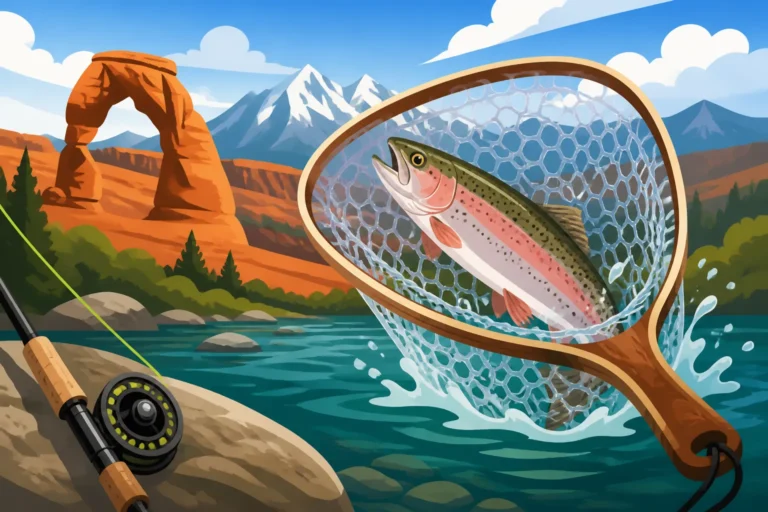
- Rivers and Streams (e.g., Provo River, Green River): For fly-fishing, a 4- or 5-weight, 9-foot fast-action fly rod with a matching reel is a fantastic all-around choice for places like the middle Provo River. If you prefer spin fishing, a 6'6" light-power, fast-action spinning rod with a 1000-size reel will give you excellent control for smaller spinners, jigs, and bait. Sensitivity is paramount here to feel subtle nymph takes in current. Best Fly Rods for the Provo River goes into more detail.
- Stillwaters and Reservoirs (e.g., Strawberry Reservoir, Jordanelle Reservoir): Here, longer casting is often an advantage. A 7-foot light or medium-light power spinning rod with a moderate-fast action, paired with a 2000 or 2500 size reel, provides the versatility needed for casting spoons, crankbaits, or slip bobber setups. This combo offers a good balance of casting distance and the backbone to handle larger trout, including kokanee salmon or splake. For trolling, you might even consider specialized Utah Trolling Techniques for Lake Trout setups.
- Ice Fishing (e.g., Scofield Reservoir, Rockport Reservoir): While the overall setup is shorter, the principle of a balanced rod and reel applies. A sensitive, graphite ice fishing rod (24-36 inches, light to ultralight action) paired with a small, smooth spinning reel with a good drag is a significant upgrade from generic plastic combos. The sensitivity allows you to feel the lightest bites through the ice, which are often the only indication of fish activity in cold water. Utah Ice Fishing Guide offers more specific advice.
| Feature | Entry-Level Combo (Typical) | Quality Rod & Reel Combo (Upgrade) | Impact on Fishing Experience |
|---|---|---|---|
| Rod Material | Fiberglass/Composite (Heavy) | High-Modulus Graphite (Light & Sensitive) | Feel subtle bites, detect bottom structure, reduced fatigue. |
| Rod Action | Moderate/Slow (Mushy, generic) | Fast/Moderate-Fast (Crisp, responsive) | Better hook sets, more accurate casting, precise lure control. |
| Rod Power | Medium (Overkill for trout) | Ultralight/Light (Appropriate) | More enjoyable fight, better feel for smaller fish, effective with light lures. |
| Reel Smoothness | Noticeable friction, some wobble | Silky smooth, precise tolerances | Effortless casting, smooth retrieves, less line twist. |
| Drag System | Jerky, inconsistent, prone to sticking | Smooth, consistent, fine-adjustable | Prevents line breaks on strong runs, better control during fights, protects lighter lines. |
| Line Management | Uneven line lay, prone to tangles | Even line lay, minimal line memory | Longer, more accurate casts; fewer backlashes/wind knots. |
| Balance | Often tip-heavy or uncomfortable | Perfectly balanced with reel | Reduces hand fatigue, enhances sensitivity, improves overall control. |
Making the Investment: Choosing and Acquiring Your Upgrade
So, you're convinced that a precision rod and reel combo is the way to go. Fantastic! Now comes the fun part: picking out your new gear. Remember, this isn't about breaking the bank, but about making a smart investment that will pay dividends in your fishing success and enjoyment for years to come. Many anglers will tell you that a well-chosen combo can last a very long time if cared for properly.
Assessing Your Budget and Prioritizing Features
When budgeting for this significant upgrade, think of it as an investment in your hobby. While entry-level combos might range from $50-$100, a quality trout rod and reel combo usually starts in the $150-$300 range, with higher-end options going up from there. The "sweet spot" for many anglers seeking a noticeable upgrade without professional-grade pricing often falls in that $200-$250 range for the combo.
Prioritize sensitivity in the rod and a smooth, reliable drag system in the reel. These are the two features that will give you the most immediate and tangible improvement in your fishing experience. If your budget is tighter, consider allocating more towards the rod, as its sensitivity is arguably the most critical component for feeling those subtle trout bites. You can often find excellent rods and reels that are a generation or two old on sale, offering fantastic value. Don't forget that a good quality fishing line, like fluorocarbon or braided line with a fluorocarbon leader, will further enhance the sensitivity of your new setup. Best Fishing Line for Utah Trout has more on that.
Where to Find Quality Gear and What to Look For
You have a few excellent avenues for finding your ideal rod and reel combo:
- Local Tackle Shops: This is often the best place to start. Knowledgeable staff can guide you based on local conditions and what species you're targeting. Crucially, you can physically hold and feel different rods and reels, testing their balance and smoothness. Don't be shy about asking questions and trying out various setups in your hands. They can often provide hyper-local advice for places like Best Fishing Spots Near Salt Lake City or your preferred river.
- Large Retailers (e.g., Bass Pro Shops): Stores like Bass Pro Shops offer a huge selection, allowing you to compare many brands and models side-by-side. They also often have designated fishing departments with staff who can offer advice. While it might feel less "local" than a small shop, the breadth of options is undeniable.
- Online Retailers (e.g., Amazon, specialty fishing sites): Online stores like Amazon offer competitive pricing and convenience, but you miss the chance to feel the gear in person. If buying online, make sure to read reviews extensively and understand return policies. It's often helpful to first try out a few rods and reels at a physical store to get a feel for what you like, then look for deals online.
When looking at a rod, give it a good flex test. Does it feel responsive? Is the tip sensitive? For the reel, turn the handle. Is it smooth? Does the bail snap open and close crisply? Can you adjust the drag easily and does it feel consistent? These small tactile tests can tell you a lot about the quality of the components.
Post-Purchase Care for Longevity
Once you've made your investment, taking care of your new rod and reel is essential to ensure it performs optimally for years. This means more than just tossing it in the back of your truck.
- Rinse After Use: Especially if fishing in alkaline waters or near Great Salt Lake, a quick rinse with fresh water (avoiding direct high-pressure spray into the reel's gears) will remove corrosive salts and dirt. Let it air dry thoroughly.
- Lubrication: Periodically lubricate your reel with specialized reel oil and grease. Refer to the manufacturer's instructions for specific points. This keeps the gears running smoothly and prevents corrosion.
- Rod Protection: Store your rod in a rod sleeve or case to protect it from nicks and scratches that can weaken the blank. Avoid leaning it against hard surfaces where it could fall or get stepped on.
- Line Maintenance: Regularly inspect your line for nicks or abrasions, especially the last few feet. Replace your line annually, or more frequently if you fish often. How Long Does a Utah Annual Fishing License Expire? is a good reminder to check your gear along with your license.
- Professional Servicing: Consider having your reel professionally serviced every couple of years, particularly if you fish heavily. A good technician can clean, lubricate, and replace worn parts, extending the life of your investment.
By upgrading to a thoughtfully chosen, balanced rod and reel combo and then caring for it properly, you're not just buying new gear; you're unlocking a whole new level of fishing enjoyment and success on Utah's incredible waters.
Disclaimer
This article is for general informational purposes only and does not constitute professional advice. Laws, prices and regulations vary by location and change over time. Consult a qualified professional for guidance on your specific situation.