How Much a Beginner Should Budget for Utah Fishing Gear
Thinking about getting into fishing in Utah can be exciting, but for many newcomers, the first thought is often, "How much is this going to cost me?" It’s a totally valid concern! You see all the fancy gear out there and it can feel overwhelming, like you need to take out a second mortgage just to cast a line. This guide is here to break down the real costs involved for a beginner getting started with Utah fishing, showing you where to invest and where you can absolutely save a few bucks.
The Essential Core Gear: Rod, Reel, Line
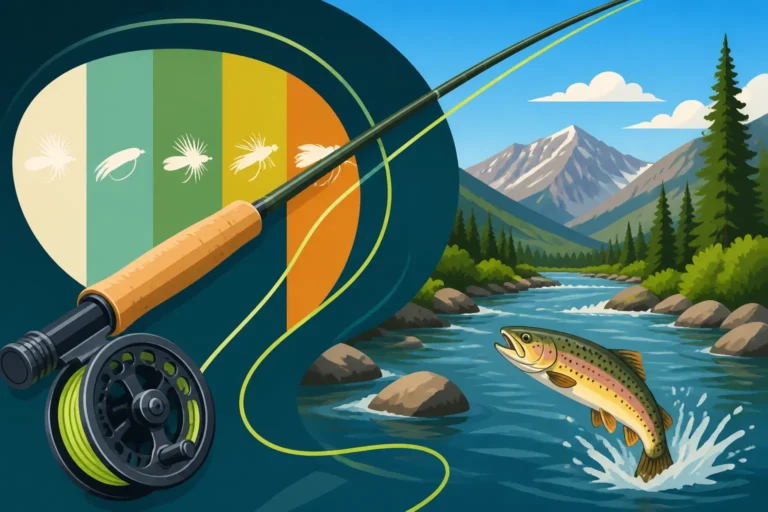
When you're starting out, the core of your fishing setup is surprisingly simple: a rod, a reel, and some line. These three components work together to let you cast, retrieve, and ultimately, bring in a fish. Don't feel pressured to buy the most expensive models right off the bat; a reliable entry-level setup is more than sufficient for learning the ropes and enjoying countless hours on the water. The key is to find equipment that’s versatile enough for the common species you'll encounter in Utah, like rainbow trout in community ponds or smallmouth bass in one of our many reservoirs.
The Rod: Your Fishing Foundation
Your fishing rod is essentially a flexible lever that helps you cast your lure or bait out into the water and then absorb the shock when a fish strikes. For a beginner in Utah, a medium-light to medium action spinning rod, typically between 6 to 7 feet long, is a fantastic starting point. This length and action offer a good balance of casting distance, sensitivity for feeling bites, and enough backbone to handle most panfish, trout, and even smaller bass you'll find across the state. Think of something that feels comfortable in your hands, not too heavy, and responsive enough to give you a good feel for what’s happening at the end of your line.
You'll find rods made from various materials, with graphite and fiberglass being common. Graphite rods tend to be lighter and more sensitive, which is great for feeling subtle bites. Fiberglass rods are generally more durable and forgiving, which can be a plus for someone still getting the hang of casting and handling. For a beginner, the difference in material might not be as critical as simply getting a rod that feels good to use and matches your budget. Many sporting goods stores and online retailers like Bass Pro Shops offer beginner-friendly combos that pair a decent rod with a matching reel, often at a significant discount compared to buying them separately.
The Reel: Your Line's Best Friend
Paired with your rod, the spinning reel is what holds your fishing line and allows you to cast and retrieve it smoothly. For a beginner, a spinning reel is generally the easiest to learn and use, as it's less prone to tangles (or "backlashes") than a baitcasting reel. Look for a reel in the 2000-3000 size range, which aligns well with the medium-light to medium rods we just discussed. A smooth drag system is incredibly important, as it lets line out when a fish pulls hard, preventing your line from snapping. You'll want a reel that feels robust, with minimal wobble, and a comfortable handle.
The number of bearings in a reel is often touted as a sign of quality, with more bearings generally meaning a smoother operation. While a reel with 6-8 bearings is nice, a beginner doesn't need to splurge on the highest bearing count. A reel with 3-5 good quality bearings will still perform admirably. When you're picking one out, give it a few cranks; it should feel smooth and the bail (the wire arm that holds the line) should snap open and close crisply. Don't forget that many manufacturers produce excellent Best Spinning Reels for Utah Trout Fishing options that are perfect for beginners without breaking the bank.
The Line: Your Connection to the Fish
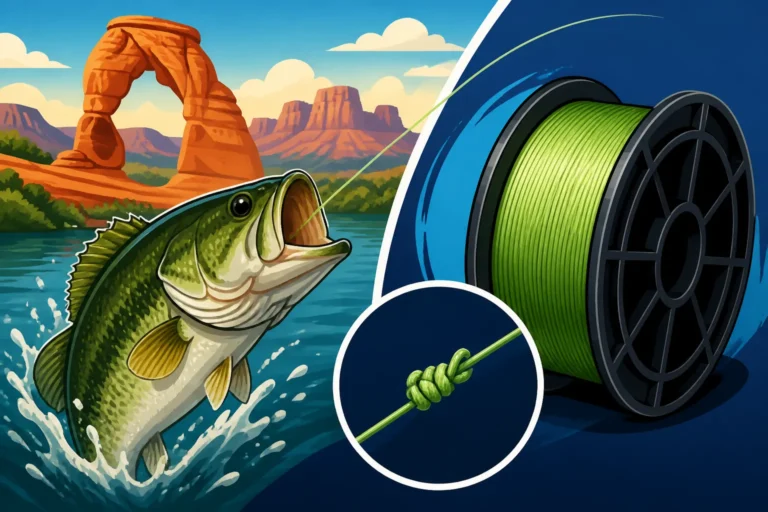
The fishing line is your direct link to the fish, and choosing the right one is crucial. For most beginner fishing in Utah, monofilament line is an excellent choice. It's affordable, easy to tie knots with, and has a bit of stretch, which acts as a shock absorber when a fish bites, helping to prevent hooks from tearing out or lines from snapping. A 4 to 8-pound test monofilament line is ideal for the rod and reel sizes recommended for beginners, allowing for good casting distance with lighter baits and lures, while still being strong enough for most common catches.
Fluorocarbon line is another option, known for being nearly invisible underwater and more abrasion-resistant, but it's typically more expensive and stiffer, which can make it harder to handle for beginners. Braided line is incredibly strong and sensitive but lacks stretch and can be quite visible, often requiring a fluorocarbon leader. For starting out, stick with monofilament. You can usually buy a large spool for a very reasonable cost, and it will last you through many re-spools of your reel. Learning How to Tie a Basic Fishing Knot for Trout Fishing effectively is more important than having the fanciest line when you're just starting.
Essential Terminal Tackle and Baits
Beyond the rod, reel, and line, you’ll need a few small but mighty items to actually present your bait or lure to the fish. This collection of hooks, sinkers, and bobbers, collectively known as "terminal tackle," is where you can often build up a solid starter kit without spending a fortune. Coupled with some effective baits or lures, you'll be ready for a successful outing.
Hooks, Sinkers, Bobbers: The Small but Mighty Essentials
Hooks come in many shapes and sizes. For general trout and panfish in Utah's community ponds or smaller reservoirs, a size 6 or 8 bait holder hook is a great all-around choice. These hooks have small barbs on the shank to help keep your bait on. Consider buying a small variety pack to cover your bases. Sinkers (or weights) help your bait sink to the desired depth. A small assortment of split-shot sinkers in various sizes (like 1/8 oz, 1/4 oz) will get you started for most stillwater fishing. These are easy to crimp onto your line and adjust. Bobbers (or floats) are fantastic for beginners, as they visually indicate when a fish is biting by dipping or moving. A few small, clip-on round bobbers or slip bobbers are perfect for seeing those subtle nibbles.
Don’t forget swivels! These small pieces of hardware help prevent your line from twisting, especially when using spinning lures or if your bait tends to rotate in the water. A small pack of barrel swivels or snap swivels (size 10-14) will be beneficial. You can find all of these items very affordably in multi-packs at any sporting goods store or even big box retailers. The key is variety without overspending.
Baits and Lures: What Fish Crave
This is where fishing gets fun and a little experimental! For beginners in Utah, especially those targeting stocked trout, PowerBait is almost a magic bullet. It comes in various colors and scents, and trout absolutely love it. A couple of jars of different colors (think fluorescent green, rainbow, or orange) will last you quite a while. Worms (live or artificial) are another universally effective bait for almost any fish species you'll encounter. A container of nightcrawlers from a bait shop or even digging some up in your backyard can be incredibly productive and cost-effective.
Beyond bait, a few simple lures can be very effective. Small inline spinners (like Panther Martins or Mepps, found at Bass Pro Shops or other outfitters) in sizes #0 or #1 are deadly for trout and small bass. A few small spoons (like a Kastmaster or Little Cleo) in silver or gold are also great for casting and retrieving. For bass, a simple plastic worm on a small jig head can work wonders. Remember, you don't need dozens of different lures. Start with a few proven basics and expand as you learn what works best in the waters you fish. Learning How to Fish With Bobber and Bait for Beginners is a solid first step.
Tackle Box: Keeping It All Organized
Once you start accumulating hooks, sinkers, swivels, and lures, you’ll quickly realize you need a way to keep it all organized. A basic tackle box is indispensable. You don't need a huge, multi-tiered behemoth that professional anglers use. A small, single-tray or two-tray tackle box with adjustable dividers will be perfect. These are typically very inexpensive and will keep your terminal tackle from becoming a tangled mess at the bottom of a backpack.
Many beginners overlook the importance of organization until they're fumbling for a hook while a fish is biting. A well-organized tackle box not only saves you frustration but also helps you quickly adapt to changing conditions. You can find some excellent and affordable options that are ideal for beginners, often available on platforms like Amazon or in the fishing section of local stores. Just make sure it's durable enough to handle being knocked around a bit. You'll appreciate the ease of finding exactly what you need when you're out on the water. For more tips, check out Best Tackle Box Organizer for a Trout Angler.
Comfort, Safety, and Other Must-Haves
While the rod, reel, and tackle get you fishing, there are other considerations that contribute significantly to your overall experience and, crucially, your safety. These aren't just "nice-to-haves" but often essential elements for a successful and enjoyable day on the water in Utah. Some of these come with an upfront cost, but they are investments in making your time fishing safer and more comfortable.
Licensing and Regulations: Non-Negotiable Costs
Before you even think about casting a line, the absolute first thing you need to budget for is your Utah fishing license. This isn't optional; it's a legal requirement for almost everyone over a certain age. The cost varies based on residency, age, and the duration of the license (annual, short-term). While we can't give specific figures, expect to pay a moderate amount for an annual resident license, with non-resident options typically being higher. There are often discounts for youth, seniors, and disabled veterans, so always check the official channels for current rates. This is the one mandatory expense you absolutely cannot skip.
Beyond the license, it’s critical to understand Utah’s fishing regulations. These include daily bag and possession limits, specific rules for certain waters (like catch-and-release only sections on the Provo River or mandatory harvest for northern pike in Utah Lake), and restrictions on bait or tackle. Ignorance of the law is not an excuse, and fines for violations can quickly outweigh any savings you tried to make on gear. Budget time to read the current proclamation or check the official wildlife website. Think of it as investing in staying out of trouble and being a responsible angler. For detailed information, you can always refer to the Utah Fishing License Guide and Utah Fishing Regulations Explained.
Apparel and Personal Comfort: Staying Happy on the Water
Fishing in Utah means experiencing all kinds of weather, sometimes within a single day. Investing in appropriate apparel will make your trips infinitely more enjoyable. A good hat and sunglasses are non-negotiable for sun protection. A decent rain jacket, even a lightweight, packable one, is a wise investment, especially for spring and fall outings when mountain weather can change in an instant. Layering is key: think moisture-wicking base layers, a fleece for warmth, and that rain jacket as an outer shell. You don’t need specialized "fishing clothes" to start, just comfortable, weather-appropriate attire.
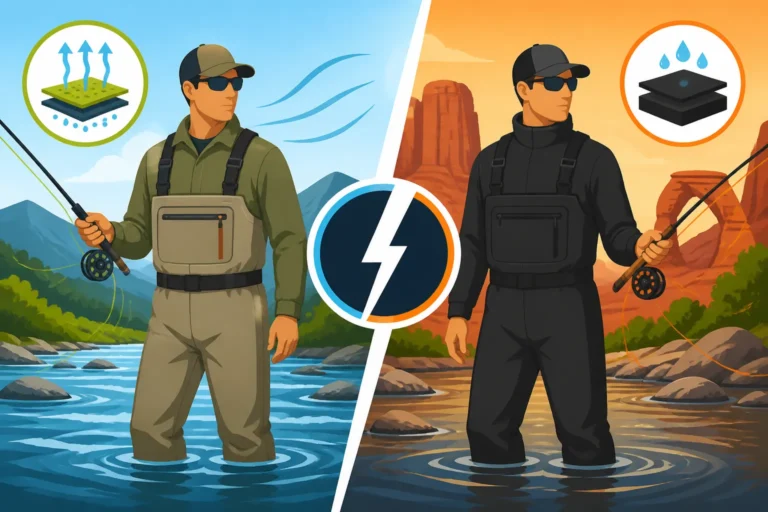
Don't overlook comfortable footwear. If you're fishing from shore, sturdy closed-toe shoes are essential. If you plan on wading rivers, then Best Waders for Cold Provo River Water and wading boots will be a more significant investment, but not something a pure beginner needs immediately. Beyond clothes, a small backpack to carry water, snacks, and any extra layers is very useful. A small cooler with ice packs to keep your catch fresh if you plan to harvest fish is also a good idea. Consider it an investment in your personal enjoyment and health out on the water.
The "Nice-to-Haves" for the Future
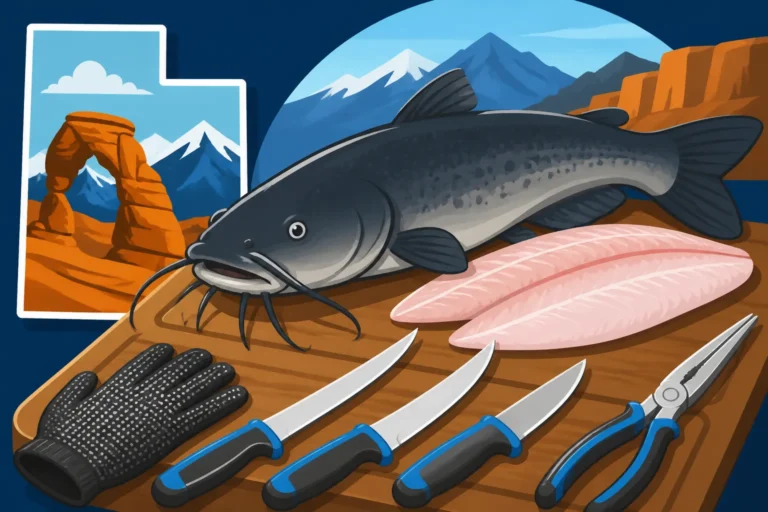
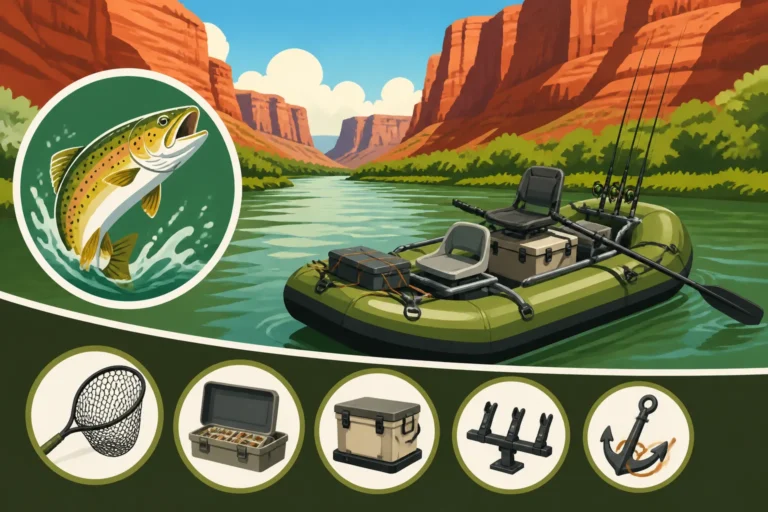
As you get more into fishing, there will be a whole world of "nice-to-have" items that you might consider. For a beginner, though, these aren't necessary for your first few trips. Things like a landing net (though useful, you can often land smaller fish by hand or by sliding them onto shore), a specialized fillet knife (any sharp kitchen knife works fine for cleaning smaller fish), a chair for shore fishing, or even a specialized fishing vest with lots of pockets, can wait.
The best approach is to start with the absolute essentials and slowly add gear as you identify specific needs or as gifts come your way. This gradual approach allows you to spread out the cost and truly understand what gear will enhance your specific fishing experiences. Don’t feel pressured to buy everything at once; fishing is a journey, and your gear collection will naturally grow with your passion. As you progress, you might look into topics like What Gear Does a First-Time Utah Angler Need? to see what other anglers recommend for expanding their kit.
Where to Find Your Gear and Save Some Money
Now that you have a better idea of what you need, let's talk about where to find it and how to be smart about your purchases. Building a basic fishing kit doesn't have to break the bank, and there are many avenues to explore for quality gear at various price points.
Local vs. Online: Shopping Strategies
When it comes to buying fishing gear, you have two main battlegrounds: your local sporting goods stores and the vast world of online retail. Both have their pros and cons. Shopping locally, at places like Bass Pro Shops or smaller independent tackle shops, allows you to physically handle the rod and reel, get a feel for the balance, and even ask experienced staff for advice tailored to local Utah waters. This hands-on experience can be invaluable for a beginner who isn't sure what feels "right." Plus, supporting local businesses is always a good thing for the community.
Online retailers like Amazon offer an incredible selection, often at competitive prices, and the convenience of having gear delivered directly to your door. You can compare reviews and specs from countless brands. However, you miss out on the tactile experience and immediate expert advice. For items like line, hooks, sinkers, and basic lures, online shopping can be a fantastic way to save a few dollars. For a rod and reel combo, especially your very first one, visiting a physical store might be worth the trip to ensure it feels comfortable and fits your needs. Many stores also have sales throughout the year, so keeping an eye out can lead to significant savings.
Budgeting for the Long Haul: It's an Investment
Think of your initial gear purchases not as expenses, but as investments in a lifelong hobby. A decent entry-level rod and reel, if cared for properly, can last for many years. Basic tackle is consumable, but buying in modest bulk (like a multi-pack of hooks or a larger spool of line) can be more cost-effective than buying tiny quantities repeatedly. The real long-term "cost" of fishing is the time and effort you put into learning, exploring, and enjoying nature, which is priceless.
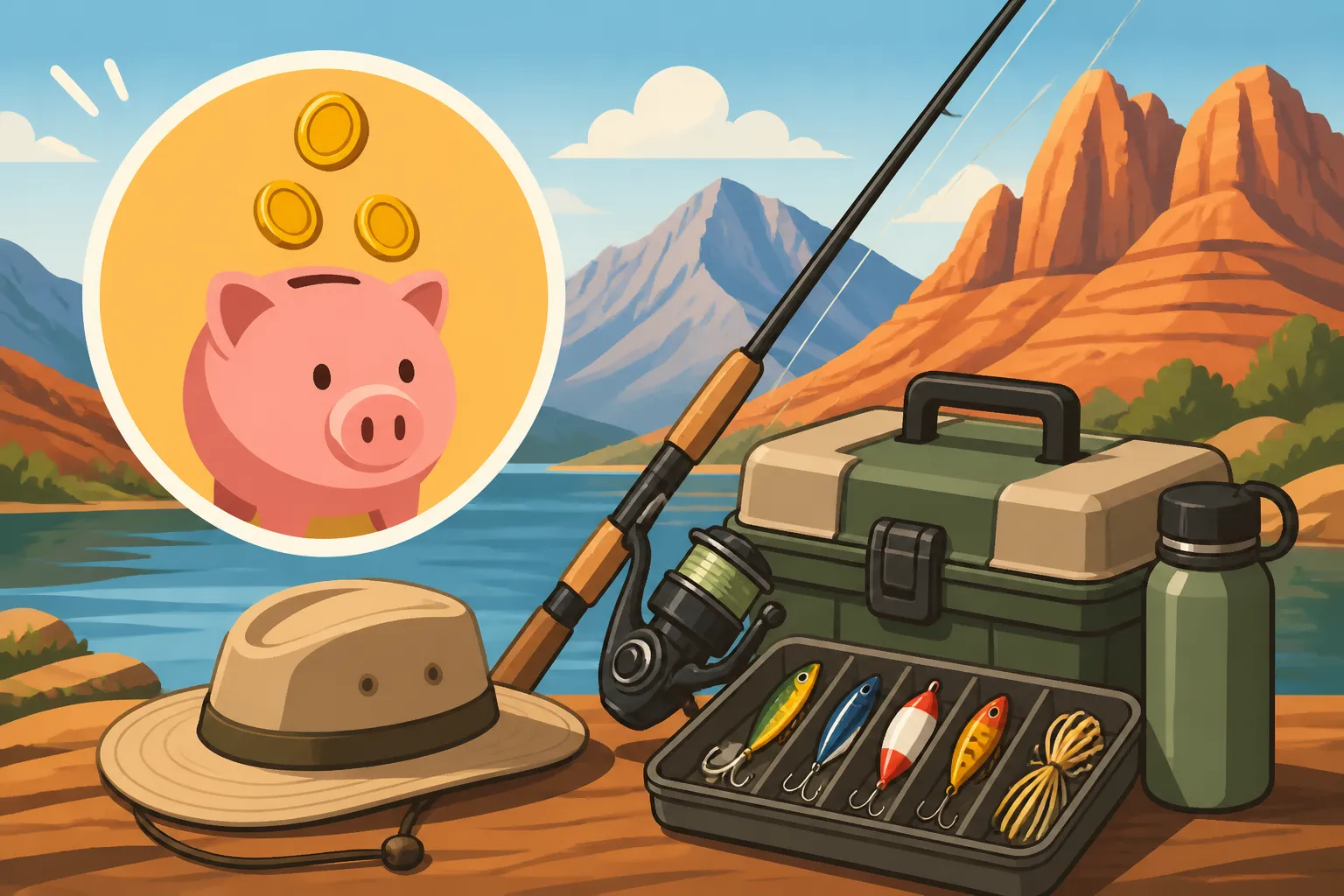
To illustrate a potential beginner's budget, here’s a breakdown of common items. Keep in mind these are conceptual categories, as actual prices fluctuate. The aim is to show you that a complete, effective starter kit is very achievable without needing to spend a small fortune right away.
| Gear Category | Estimated Cost Shape (Beginner) | Notes |
|---|---|---|
| Mandatory License | Moderate | Non-negotiable. Varies by residency and duration. Check official Utah DWR site for current figures. |
| Rod & Reel Combo | Low to Moderate | Your biggest initial gear investment. Look for medium-light spinning combos. Often more affordable than buying components separately. |
| Fishing Line | Low | Monofilament is cheapest and easiest for beginners. A large spool will last. |
| Hooks | Very Low | Small packs of bait holder hooks (size 6-8) or assorted packs. |
| Sinkers/Weights | Very Low | Assorted split-shot or bullet weights. |
| Bobbers | Very Low | Clip-on or slip bobbers. |
| Swivels | Very Low | Small pack of barrel or snap swivels. |
| Baits (PowerBait) | Low | A couple of jars in popular colors. |
| Lures (Spinners) | Low | 2-3 small inline spinners or spoons. |
| Tackle Box | Low | Basic single or two-tray box. |
| Sun Protection | Low | Hat, sunglasses. |
| Rain Gear | Low to Moderate | Lightweight, packable rain jacket. |
| Small Backpack | Low | For water, snacks, extra layers. Or use one you already own! |
| Cooler (Optional) | Low | For keeping catch fresh. Small personal cooler or reuse an existing one. |
By prioritizing these items, you can realistically get outfitted for your first Utah fishing adventures without feeling like you've emptied your wallet. Remember, the most expensive gear doesn't always guarantee the most fish or the most fun. It's about getting out there, learning, and enjoying the beautiful waters Utah has to offer. For more advice on starting, consider checking out Utah Fishing Techniques for Beginners and Utah Fishing Gear for Beginners.
Disclaimer
This article is for general informational purposes only and does not constitute professional advice. Laws, prices and regulations vary by location and change over time. Consult a qualified professional for guidance on your specific situation.