Utah Catch-and-Release-Only Waters List
Navigating the myriad of fishing regulations in Utah can sometimes feel like trying to untangle a particularly stubborn fishing knot, especially when you stumble upon waters designated as "catch-and-release-only." It's not always immediately clear which specific waters fall under this umbrella, what the exact rules entail, or even why these special regulations are in place. This guide is here to untangle that knot for you, providing a comprehensive list of Utah's catch-and-release-only waters and breaking down everything you need to know to fish them responsibly and effectively.
Understanding Catch-and-Release-Only Regulations in Utah
There's a common misconception that "catch-and-release" is just a suggestion, a nice thing to do if you feel like it. However, on designated waters in Utah, it's a strict regulation, a rule you must follow. These special rules are put in place for very important ecological reasons, and understanding the 'why' behind them can help you appreciate the privilege of fishing these unique locations.
Why Some Waters are Catch-and-Release
The primary reason certain waters are designated as catch-and-release-only is conservation. Utah's diverse aquatic ecosystems support a variety of fish species, some of which are native, threatened, or require specific management to thrive. For instance, protecting sensitive populations of native Bonneville Cutthroat Trout or fostering trophy fisheries for species like brown trout in specific river sections is paramount. These regulations are designed to reduce fishing pressure, allowing fish to grow larger, reproduce successfully, and maintain healthy population numbers. Without these restrictions, popular fishing spots could quickly become depleted, ruining the angling experience for everyone and potentially jeopardizing the ecological balance of the waterway.
Imagine a pristine mountain stream teeming with vibrant cutthroat trout. If every angler kept their limit, that population would quickly dwindle. Catch-and-release ensures that those fish can continue to challenge anglers for years to come, preserving the genetic diversity and natural beauty of Utah's aquatic heritage. It's a long-term investment in our state's fishing future.
What "Catch-and-Release-Only" Truly Means
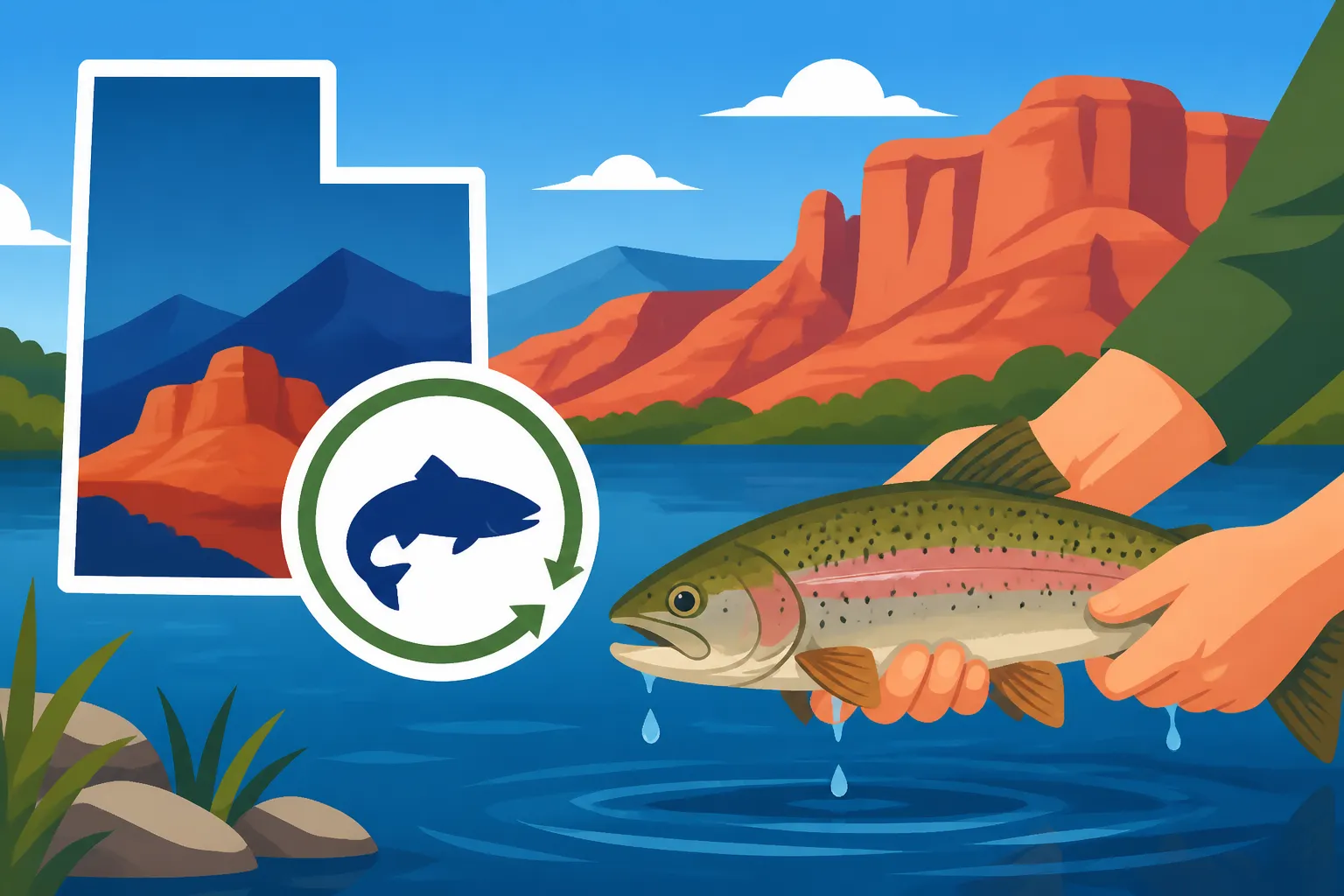
When a water body is labeled "catch-and-release-only," it means you are legally required to return all fish you catch back to the water immediately, with the least possible harm. This goes beyond simply not keeping fish; it dictates specific angling practices to ensure the fish's survival post-release. One of the most critical aspects is the use of barbless hooks. Barbless hooks minimize tissue damage, allowing for quicker and easier removal from the fish's mouth. Many anglers will simply crimp down the barb on their existing hooks with a pair of pliers, a simple and effective modification.
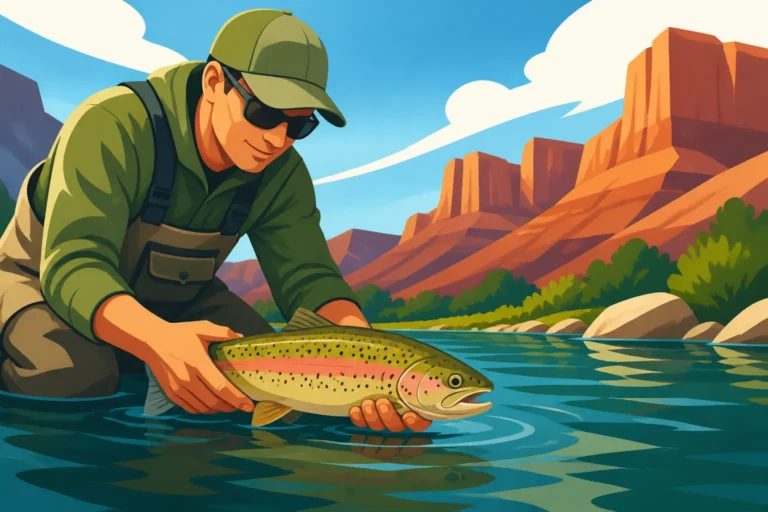
Furthermore, proper fish handling is absolutely essential. This means minimizing the time a fish is out of the water, wetting your hands before touching the fish to protect its delicate slime coat, and using tools like hemostats or long-nosed pliers for quick hook removal. Avoid squeezing the fish, especially around its belly or gills, and never drop it. The goal is to reduce stress and injury, giving the fish the best chance to recover and swim away healthy. It’s a commitment to ethical angling that truly makes a difference in the longevity of these special fisheries. You can learn more about these responsible practices in our guide on How to Release a Fish Without Hurting It in Utah.
Official List of Utah's Designated Catch-and-Release-Only Waters
Utah boasts a stunning variety of fishing environments, and its catch-and-release regulations reflect this diversity, often applying to specific sections of rivers or certain smaller lakes. It’s crucial to know these specific locations to ensure you're compliant with state law. Always double-check the latest Utah Fishing Regulations Explained before heading out, as rules can sometimes change.
Northern Utah Catch-and-Release Waters
Northern Utah offers some fantastic catch-and-release opportunities, primarily focusing on its renowned trout streams. These areas are often managed for wild trout populations or to create trophy fisheries.
- Green River Below Flaming Gorge Dam (A Sections, designated areas): This is perhaps Utah's most famous blue-ribbon trout fishery. While the Green River as a whole is not entirely catch-and-release, specific sections, particularly the A and B sections directly below the dam, often have highly restrictive regulations, including catch-and-release for certain species or size classes, and mandatory barbless hooks. This section is world-renowned for its incredible brown and rainbow trout populations. Anglers often spend days drifting these waters, perfecting their fly-fishing techniques, knowing that every fish they land is destined to fight again. The scenery here is just as spectacular as the fishing, making it a bucket-list destination for many. You'll find a wealth of information specific to this area in our Green River Below Flaming Gorge Dam guide.
- Logan River (Specific sections, often above the First Dam): The upper reaches of the Logan River, particularly those winding through Logan Canyon, are often managed with special regulations to protect wild trout. While not always 100% catch-and-release throughout its entire length, certain stretches will have these designations for species like brown and cutthroat trout. These pristine waters, fed by mountain snowmelt, offer challenging but rewarding angling in a stunning, natural setting.
- Weber River (Select portions): Similar to the Logan, parts of the Weber River, particularly those running through more remote canyons, may have specific catch-and-release rules for wild trout. These sections are typically targeted by fly anglers seeking an authentic river experience away from heavier pressure.
Central Utah Catch-and-Release Waters
Central Utah, being home to the bustling Wasatch Front, also provides accessible yet challenging catch-and-release fisheries, often focused on native cutthroat and robust brown trout.
- Provo River (Middle and Lower sections, especially blue-ribbon stretches): The Provo River is another iconic Utah trout stream, particularly famous for its incredible brown trout fishing. While some sections allow for harvest, the most productive and celebrated "blue-ribbon" sections, especially the Middle Provo below Jordanelle Dam and the Lower Provo near Provo Canyon, often operate under catch-and-release-only rules for many trout species, often with the added requirement of artificial flies and lures with barbless hooks. The proximity to urban areas makes these incredibly popular, and the regulations are vital to maintaining such a vibrant fishery so close to civilization. If you're planning a trip here, be sure to consult our comprehensive Provo River Fishing Guide.
- Strawberry River (Above Strawberry Reservoir): The Strawberry River, which feeds into the famous Strawberry Reservoir, has critical catch-and-release sections, particularly for native Bonneville Cutthroat Trout. These upstream areas are vital spawning grounds and nurseries, and strict regulations ensure the genetic integrity and survival of this iconic Utah species. Fishing here often involves hiking into more secluded spots, offering a true wilderness experience.
Southern Utah Catch-and-Release Waters
Southern Utah's warmer climate and unique topography mean different types of fisheries, but conservation is still a key driver for catch-and-release zones. While less common for widespread river sections, you might find specific stream segments or smaller, delicate high-elevation lakes with these rules.
- Select High-Elevation Lakes in the Tushar Mountains or Boulder Mountains: Some of the smaller, more remote alpine lakes in these southern mountain ranges, often stocked with unique trout strains or supporting delicate ecosystems, may have specific catch-and-release regulations. These are typically accessible via hiking trails, offering solitude and stunning views along with the fishing. Always check the individual lake regulations if you're venturing into these pristine, high-country environments.
Important Considerations for All C&R Waters
It cannot be stressed enough: always check the most current Utah Fishing Guidebook. Regulations are dynamic and can be updated annually by the Utah Division of Wildlife Resources (DWR) based on population surveys, environmental changes, or management goals. What was catch-and-release last year might have different rules this year, or a new section of river might have been added to the list. You can usually find the most up-to-date guide on the DWR website or pick up a physical copy wherever you purchase your How to Buy a Utah Fishing License.
Furthermore, it's rare, but sometimes even on a primarily catch-and-release water, there might be a caveat for invasive species. For example, if northern pike were to infiltrate a C&R trout stream, there might be a specific regulation to "kill all northern pike" caught, regardless of the C&R rule for trout. While uncommon in designated C&R trout waters, it's an example of why reading the regulations cover-to-cover is paramount.
Essential Gear and Practices for Catch-and-Release Angling
Fishing catch-and-release-only waters isn't just about adhering to a rule; it's about embracing a philosophy of conservation and responsible angling. This philosophy extends to the gear you choose and the techniques you employ, all aimed at ensuring the fish you release has the best possible chance of survival.
Recommended Gear for Responsible Release
Having the right tools can make all the difference in minimizing stress and injury to the fish. Think of it as equipping yourself to be a gentle surgeon for the fish.
- Barbless Hooks (Mandatory on Many C&R Waters): As mentioned, barbless hooks are non-negotiable on many catch-and-release waters and are a best practice even where not legally required. They come out cleanly and quickly, drastically reducing trauma to the fish's mouth. If your favorite lure or fly comes with barbed hooks, a simple pair of pliers can crimp the barb flat in seconds. This small adjustment makes a huge impact. You can find pre-made barbless hooks or tools to modify your own readily available at any tackle shop or even on Amazon.
- Forceps or Hemostats: These are invaluable for easily and quickly removing hooks, especially small flies or jigs that might be lodged deeply. Look for models with long, thin jaws that can reach into the fish's mouth without causing undue stress or damage. Keeping a pair clipped to your vest or pack means they're always within reach when you need them most.
- Rubberized, Knotless Landing Net: A traditional knotted nylon net can strip a fish of its protective slime coat and damage its fins and scales. A rubberized, knotless net, however, cradles the fish gently, allowing you to secure it briefly in the water for unhooking and revival. Many anglers consider a good quality rubber net an essential piece of equipment for ethical catch-and-release. Look for brands like Frabill or Fishpond, often available through retailers like Amazon, that specialize in fish-friendly landing gear.
- Pliers/Nippers: Beyond crimping barbs, a good pair of fishing pliers is useful for cutting line, straightening bent hooks, and other minor adjustments, ensuring you can quickly get back to fishing efficiently.
Investing in these few key items shows respect for the fish and the fishery, and ultimately, enhances your own angling experience. For a broader look at essential fishing tools, check out our What Gear Does a First-Time Utah Angler Need? guide.
Best Practices for Maximizing Fish Survival
Even with the right gear, technique matters. The way you handle a fish after it's caught plays a huge role in its ability to recover.
- Minimize Handling Time: The less time a fish is out of the water, the better. Its gills need oxygen, and its body is supported by water. Aim to unhook and release a fish in under 30 seconds if possible.
- Keep Fish in Water as Much as Possible: Try to unhook the fish while it's still in the net and submerged in the water. If you need a quick photo, lift it just briefly, holding it horizontally with both hands, supporting its belly. Never hold a fish vertically by the jaw, as this can dislocate its spine, especially for larger trout.
- Wet Your Hands: Always wet your hands thoroughly before touching a fish. Dry hands can remove the fish's protective slime coat, making it vulnerable to disease and infection.
- Avoid Squeezing or Dropping Fish: Any rough handling can cause internal damage. Be gentle and deliberate with your movements.
- Proper Revival Techniques: If a fish seems lethargic after unhooking, gently hold it upright in the water, facing upstream into the current. This allows oxygenated water to flow over its gills. Move it back and forth slightly until it regains its strength and can swim away on its own. Watch for strong tail kicks as a sign of recovery.
By following these practices, you're not just complying with regulations; you're actively contributing to the health and vitality of Utah's most cherished fisheries, ensuring there are plenty of fish for future generations.
Navigating Regulations and Avoiding Penalties
Fishing in Utah is a privilege, and with that privilege comes the responsibility of understanding and adhering to the rules. Ignoring regulations, especially on catch-and-release waters, can lead to serious consequences, not to mention harming the very resources we love.
How to Stay Informed About Regulation Changes
The world of fishing regulations isn't static. The Utah DWR constantly monitors fish populations and environmental conditions, making adjustments to ensure sustainable fishing. Staying informed is your responsibility, and it's easier than you might think.
- Utah DWR Website and Guidebook: The official Utah Division of Wildlife Resources website is the ultimate source. They publish the annual Utah Fishing Guidebook, which you can download as a PDF or view online. This guidebook details all statewide and specific water regulations, including Utah Fishing Season Dates and Limits, bag limits, and special rules like catch-and-release. I make it a point to review this guidebook every spring, just to make sure I haven't missed any updates.
- Local DWR Offices: Don't hesitate to visit or call your local DWR office. The staff there are incredibly knowledgeable and can often provide insights into specific local conditions or recent regulation changes that might not be immediately obvious in the general guidebook.
- Fishing Forums and Local Tackle Shops: While not official sources, local fishing forums and conversations with staff at tackle shops (like Sportsman's Warehouse or Cabela's in Utah) can often alert you to upcoming changes or help clarify existing regulations. They're part of the local fishing community and often have their finger on the pulse of what's happening.
The key is proactive engagement. Don't just assume the rules are the same as last year. A quick check can save you a lot of hassle and potential fines.
Common Mistakes and What Happens If You Break the Rules
It's easy to make an honest mistake, especially with complex regulations, but ignorance is rarely an acceptable defense. The most common mistakes on catch-and-release waters include:
- Keeping a fish: This is the most direct violation. Whether you thought the rule applied to a different section, or simply forgot, keeping a fish from a C&R water is a direct infraction.
- Using barbed hooks: Many C&R waters specifically mandate barbless hooks. Using barbed hooks, even if you intend to release the fish, is a violation.
- Improper handling leading to fish mortality: While harder to prove and enforce, habitually mishandling fish to the point where they die after release is unethical and goes against the spirit of C&R.
The consequences for violating Utah's fishing regulations can range from significant fines to the suspension of your fishing license. For instance, getting caught fishing without a valid license, or keeping fish from a catch-and-release-only area, can result in penalties that quickly sour any fishing trip. Our guide on Utah Fishing License Penalties for Violations dives deeper into the specifics, but suffice it to say, it's not something you want to experience. Officers patrol these special waters specifically to ensure compliance, and they take these regulations seriously because they are vital to protecting the resource. It's simply not worth the risk to disregard the rules.
Key Utah Catch-and-Release-Only Waters and Special Regulations
To make things a little clearer, here's a table summarizing some of Utah's most prominent catch-and-release-only waters and their specific regulations. Remember, this is a snapshot, and detailed information should always be confirmed with the latest DWR guidebook.
| Water Body / Section | Location | Primary Species | Special Regulations | Common Fishing Style |
|---|---|---|---|---|
| Green River (Sections A & B) | Below Flaming Gorge Dam | Brown Trout, Rainbow Trout | Artificial flies/lures, barbless hooks, C&R for all trout | Fly fishing, Spin fishing |
| Middle Provo River (Blue Ribbon) | Between Jordanelle & Deer Creek Reservoir | Brown Trout, Rainbow Trout, Cutthroat Trout | Artificial flies/lures, barbless hooks, C&R for trout | Fly fishing |
| Lower Provo River (Blue Ribbon) | Below Deer Creek Reservoir | Brown Trout, Rainbow Trout, Cutthroat Trout | Artificial flies/lures, barbless hooks, C&R for trout | Fly fishing |
| Strawberry River (Above Strawberry Res.) | Uinta-Wasatch-Cache NF | Bonneville Cutthroat Trout | Artificial flies/lures, barbless hooks, C&R for cutthroat | Fly fishing, Ultralight spin |
| Logan River (Select Upper Sections) | Logan Canyon | Brown Trout, Cutthroat Trout | Artificial flies/lures, barbless hooks, C&R for trout | Fly fishing |
| Weber River (Select Upper Sections) | Weber Canyon | Brown Trout, Rainbow Trout | Artificial flies/lures, barbless hooks, C&R for trout | Fly fishing |
Please Note: This table is for general informational purposes. Always consult the most current Utah Fishing Guidebook for precise, up-to-date regulations before fishing any of these waters. Conditions and rules can and do change.
Disclaimer
The information provided in this guide is intended for general informational purposes only and is subject to change. Fishing regulations in Utah are complex and can vary significantly by water body, species, and season. It is the angler's sole responsibility to consult and comply with the most current official Utah Fishing Guidebook published by the Utah Division of Wildlife Resources (DWR) before engaging in any fishing activities. Failure to comply with current regulations may result in fines or penalties.