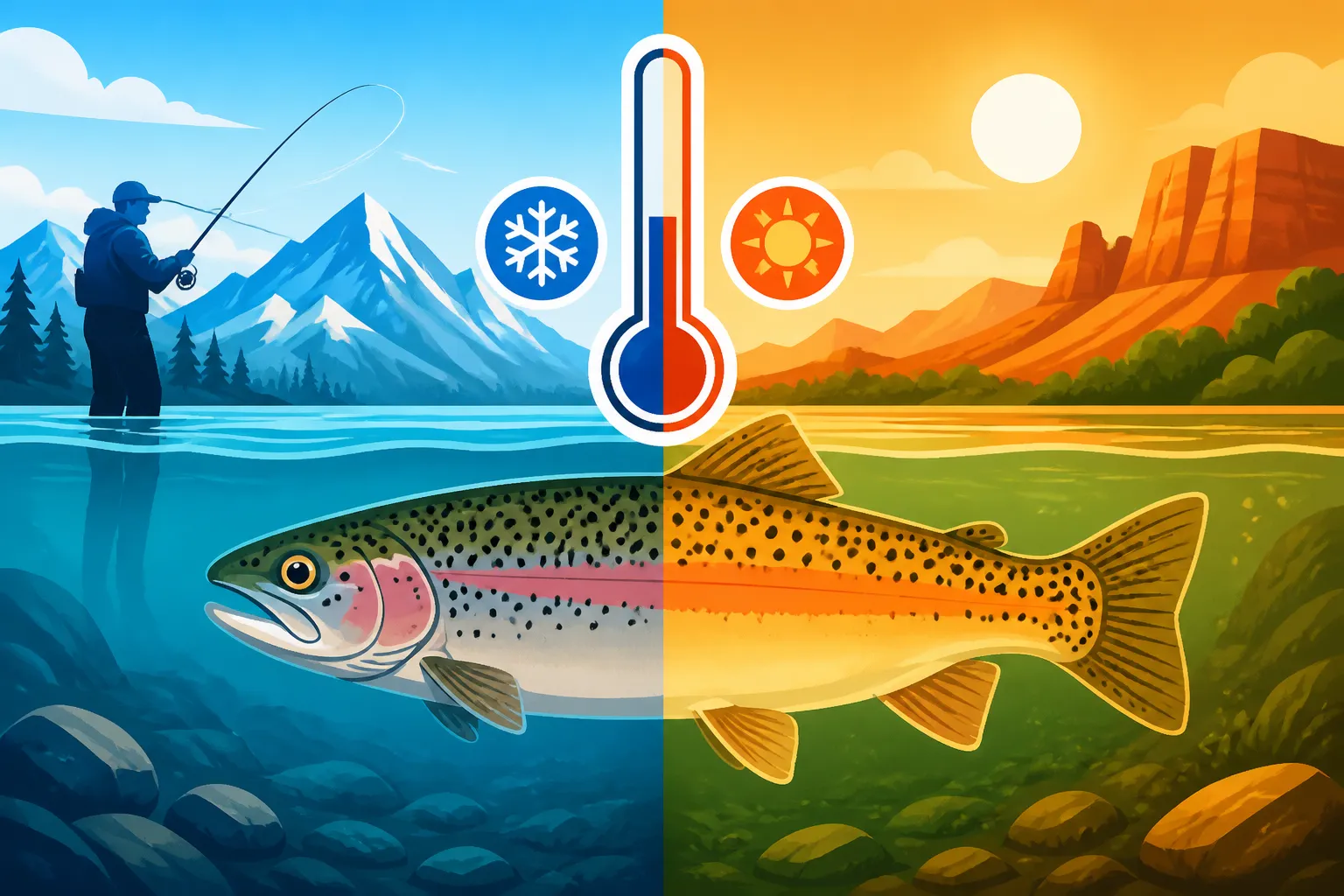
How Water Temperature Affects Utah Trout Fishing
We've all been there: you head out to your favorite Utah fishing spot, convinced it's going to be a banner day, only to cast for hours with barely a nibble. Sometimes, it feels like the fish have vanished into thin air. More often than not, the culprit isn't your bait, your technique, or even your luck, but something far more fundamental: the water temperature. This comprehensive guide will help you understand how this critical, often overlooked factor dictates trout behavior in Utah's diverse waters, and how you can adapt your approach for more consistent success.
Understanding Trout Physiology and Temperature Needs
Trout, like all fish, are cold-blooded creatures, meaning their body temperature mirrors that of their surrounding environment. This isn't just a biological tidbit; it's the fundamental truth that governs their metabolism, activity levels, and even their very survival. When the water is too cold, their systems slow down, making them sluggish and less inclined to feed. When it's too warm, their metabolism can go into overdrive, demanding more oxygen than the water can provide, leading to severe stress or even death. Understanding these delicate balances is key to unlocking consistent angling success.
Optimal Temperature Ranges for Common Utah Trout Species
Each trout species has its own thermal preferences, a "sweet spot" where they feel most comfortable, actively feed, and thrive. While there's some overlap, knowing these specific ranges can help you target the right species in the right conditions.
- Rainbow Trout: These hardy and widely stocked fish generally prefer water temperatures between 45°F and 65°F. They're quite adaptable and can tolerate warmer temperatures for short periods, especially if there's sufficient oxygen. You'll find them in almost every Utah reservoir and river, making them a staple for anglers.
- Brown Trout: Known for their elusive nature and often found in rivers, brown trout have a slightly higher tolerance for warmer water than rainbows, thriving in temperatures from 45°F to 70°F. This makes them more resilient in some of Utah's lower elevation rivers during warmer months, though they'll still seek cooler pockets when things heat up.
- Cutthroat Trout (including Bonneville Cutthroat): As Utah's native trout, cutthroats are often found in higher elevation, colder streams and lakes. Their preferred range is typically 40°F to 60°F. They are particularly sensitive to high temperatures, and sustained periods above 68°F can be lethal, which is why preserving their cold, clean habitats is so crucial.
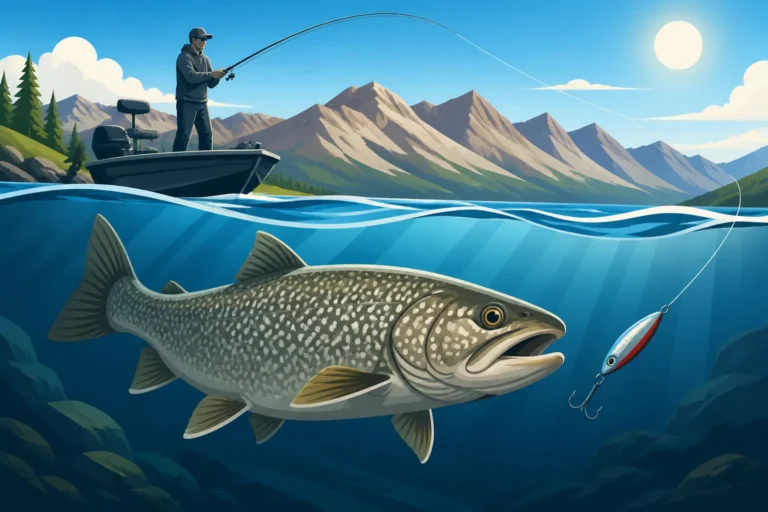
- Lake Trout (Mackinaw): These deep-water dwellers are built for cold. Their ideal temperature range is surprisingly narrow, from about 40°F to 55°F. In larger, deeper reservoirs like Flaming Gorge or Bear Lake, you'll find them holding at specific depths where these temperatures persist, often a stark contrast to surface temperatures.
- Tiger Trout and Splake: These hybrids (brown x brook trout and lake x brook trout, respectively) generally share thermal tolerances with their parent species, often performing well in similar ranges to browns or rainbows, typically 45°F to 65°F. They are stocked in various Utah waters for their unique fighting qualities and predatory nature.
Knowing these numbers isn't about rote memorization; it's about developing an instinct for where fish should be based on the conditions. If the surface water is baking at 75°F, you know your rainbows and cutthroats aren't going to be cruising the shallows happily.
| Trout Species | Optimal Temperature Range (°F) | Tolerant (can survive but stressed) (°F) | Critical Upper Limit (°F) | Preferred Habitat Type |
|---|---|---|---|---|
| Rainbow Trout | 45 – 65 | 65 – 70 | 70+ | Rivers, Streams, Reservoirs, High Mountain Lakes |
| Brown Trout | 45 – 70 | 70 – 75 | 75+ | Rivers, Streams, Reservoirs |
| Cutthroat Trout | 40 – 60 | 60 – 68 | 68+ | High Mountain Streams & Lakes, Cooler Rivers |
| Lake Trout (Mackinaw) | 40 – 55 | 55 – 60 | 60+ | Deep, Cold Reservoirs (e.g., Flaming Gorge, Bear Lake) |
| Tiger Trout / Splake | 45 – 65 | 65 – 70 | 70+ | Reservoirs, Lakes |
The Dangers of Thermal Stress on Trout
When water temperatures push past a trout's comfort zone, especially on the warmer side, they experience what's known as thermal stress. This isn't just an inconvenience for the fish; it's a serious physiological challenge that can have profound impacts on their health and your ability to successfully catch and release them.
Firstly, warmer water holds less dissolved oxygen. Think about a can of soda – it fizzes more when warm because the gas (carbon dioxide) escapes. The same principle applies to oxygen in water. As temperatures rise, the water's capacity to hold oxygen drops, while at the same time, the trout's metabolic rate increases, demanding more oxygen. This creates a dangerous double-whammy: less oxygen available, and a greater need for it. Trout become lethargic, struggle to breathe, and their immune systems weaken, making them vulnerable to disease.
Secondly, fighting a fish that's already under thermal stress can be a death sentence, even if you release it. The physical exertion of the fight, coupled with being exposed to air (which is often much warmer than the water) and handling, pushes them past their limits. You might see a fish swim away, but it could succumb to delayed mortality hours later. This is particularly important for those of us who prioritize conservation. When temperatures are extremely high, say above 70°F for trout-dominant waters, it's often best to avoid fishing altogether, or at least switch to species more tolerant of the heat. Educating yourself on Utah Catch-and-Release Waters rules and best practices is crucial for angler ethics.
Seasonal Water Temperature Changes and Trout Behavior
Utah's climate presents a fascinating array of water temperature dynamics throughout the year. From the icy grip of winter to the scorching heat of summer, each season dramatically alters the thermal profile of our lakes and rivers, and consequently, the behavior of trout. Understanding these shifts is like having a secret weapon in your fishing arsenal, allowing you to anticipate where fish will be and what they'll be willing to eat.
Spring Runoff and Cold Water Challenges
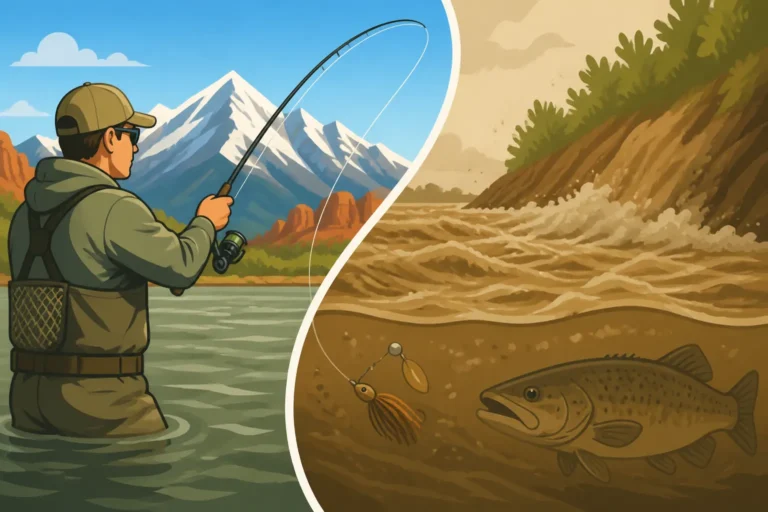
Ah, spring! The snow melts, the rivers swell, and every angler feels that itch to get out. However, spring in Utah brings with it the phenomenon of runoff. As the snowpack melts in the mountains, torrents of frigid water pour into streams and rivers, dramatically dropping water temperatures. This can be a challenging time for trout fishing.
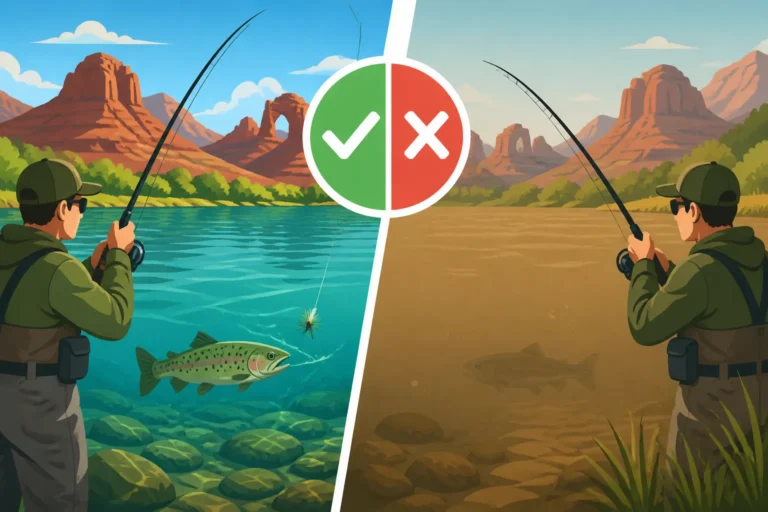
The influx of cold, often murky water slows down trout metabolism considerably. They become less active, hugging the bottom or seeking out slower, clearer eddies and backwaters where they can conserve energy and find some respite from the powerful current. Feeding windows can be short, and fish might be very particular about what they'll strike. On the flip side, runoff can also bring in a flush of nutrients and dislodge insects, providing new food sources once the water begins to clear and warm slightly. If you're wondering How Runoff Affects Utah River Fishing, know that it's a double-edged sword that requires patience and adaptation.
Summer Warmth and Deep Water Retreats
When the Utah sun truly beats down, especially from July through August, water temperatures in many lakes and reservoirs can become a real challenge for trout. Surface temperatures can soar well into the 70s or even 80s, forcing trout to seek refuge in cooler, deeper waters. This is where thermal stratification comes into play in larger bodies of water.
During summer, lakes and reservoirs often form distinct layers: a warm surface layer (epilimnion), a middle layer with a rapid temperature drop (thermocline), and a cold, deep layer (hypolimnion). Trout, especially lake trout and other cold-water species, will typically be found hugging the thermocline or in the hypolimnion, where temperatures remain within their optimal range. Finding these How to Find Cold-Water Pockets in a Utah Reservoir in Summer becomes paramount. This often means fishing deeper, using downriggers, lead core lines, or heavy jigs to get your offerings into the strike zone. Shore anglers might struggle unless they can find deep drop-offs close to shore or target cooler times of day.
Fall Turnover and Active Feeding
As summer wanes and cooler air temperatures arrive, particularly in September and October, a phenomenon called "fall turnover" can occur in deeper lakes and reservoirs. This is a fascinating period for anglers. As the surface water cools, it becomes denser and sinks, mixing with the deeper, warmer water. This process essentially "resets" the lake's thermal profile, bringing nutrients from the bottom to the surface and distributing oxygen more evenly.
For trout, fall turnover can be a boon. With more uniform and comfortable temperatures, and an abundance of newly available food sources, trout become incredibly active and often go on a feeding frenzy to bulk up for the upcoming winter. This is often considered one of the Best Time of Year to Fish in Utah for trophy trout, as they move more freely throughout the water column and aggressively pursue baitfish and insects. It's a fantastic time for both boat and shore anglers to find success.
Winter Ice Fishing and Sub-Surface Dynamics
When winter blankets Utah, many of our lakes and reservoirs freeze over, ushering in the ice fishing season. Beneath the ice, the water column once again stratifies, but in reverse from summer. The densest water (around 39°F or 4°C) settles near the bottom, while slightly warmer water (relative to the ice) might be found closer to the surface, just beneath the ice, in a phenomenon known as inverse stratification.
Trout under the ice are often lethargic compared to their fall counterparts, but they still need to feed. They conserve energy and typically hold to specific depths, often near the bottom or structure, where they can ambush prey. Active fish might cruise just below the ice, especially in shallower waters or during periods of low light. Understanding these subtle movements is crucial for successful How to Ice Fish for Trout in Utah. Anglers often use sensitive rods and subtle presentations, such as small jigs tipped with bait, to entice these cold-water feeders.
Reading the Water Temperature Accurately
You can't effectively adapt your fishing strategy to water temperature if you don't know what it is! Guessing is a recipe for frustration. Fortunately, there are simple and affordable tools available to give you precise readings, empowering you to make informed decisions on the water.
Essential Tools for Measuring Water Temperature
Gone are the days of just sticking your hand in the water. For serious anglers, a dedicated water thermometer is a must-have piece of gear.
- Handheld Water Thermometers: These are perhaps the simplest and most accessible tools. They typically consist of a thermometer encased in a protective housing, often weighted or attached to a lanyard for easy deployment. Many fishing-specific models from brands like Orvis or Simms are built to be durable and accurate. You can find a good selection on platforms like Amazon. They're great for quick spot checks at various depths or locations.
- Fish Finders with Temperature Sensors: Modern fish finders are incredibly versatile tools, and most come equipped with a built-in temperature sensor in the transducer. This provides real-time surface temperature readings, which is excellent for quickly assessing the general conditions of the water you're boating across. More advanced units might even display temperature gradients through the water column, giving you a better understanding of thermoclines. While they won't give you a precise reading at a specific depth without manual lowering of a probe, they offer invaluable insights when covering large areas.
- Temperature Probes on Downriggers: For deep-water trolling, especially for species like lake trout or kokanee salmon in places like Flaming Gorge, some downriggers can be outfitted with temperature and depth sensors. This allows you to monitor the water temperature at your lure's exact depth, which is an incredible advantage for targeting that "sweet spot" temperature range.
Having one or more of these tools lets you move beyond guesswork and into a data-driven approach, which can dramatically improve your success rate, especially when fishing for specific species or in varied conditions.
Best Practices for Temperature Taking
Just owning a thermometer isn't enough; knowing how to use it effectively is equally important. Consistent and thoughtful temperature taking will yield the most valuable information.
- Take Multiple Readings: Don't just take one reading at the surface and call it good. Water temperature can vary significantly even within a few feet of depth, or from one cove to another, or even from sunny side to shady side of a stream. If you're fishing a lake, check the temperature at different depths, especially if you suspect a thermocline. In rivers, check upstream and downstream, and in different current speeds.
- Check at Fishing Depth: The most important temperature reading is at the depth where you expect the fish to be holding. If you're targeting brown trout that you believe are hunkered down in a deep pool, get your thermometer down there. For lake trout, try to find the depth that matches their optimal range, then deploy your lures to that exact spot.
- Observe Trends: Pay attention to how water temperature changes throughout the day, especially during sunrise and sunset, and how it's affected by weather patterns. A sudden cold front can drop surface temps rapidly, while a string of hot days will gradually warm the entire water column. Keep a mental or actual log of these observations.
- Be Mindful of Your Impact: When dealing with very cold or very warm water, handle your thermometer and any other gear with care. Avoid prolonged disturbance of the water, especially in small streams where temperatures might be sensitive to external factors.
- Factor in the Environment: Consider other variables. Is there a cold-water tributary flowing in? Is one side of the reservoir shaded by cliffs? Is there an underwater spring? These factors can create microclimates that influence water temperature and, consequently, where trout will congregate. Understanding these nuances will help you find those elusive Best Hidden Gem Fishing Spots in Utah.
Adjusting Your Tactics Based on Temperature
Once you have a handle on the water temperature, the real magic begins: adjusting your tactics. This isn't just about picking a different lure; it's about altering your entire approach – from where you cast, to how you retrieve, and even the size and type of bait you use.
Cold Water Strategies (Spring/Winter)
When the water is cold, whether it's the frigid runoff of early spring or the icy depths of winter, trout behave differently. Their metabolism slows down, meaning they don't need to eat as often, and they're less willing to expend energy chasing down a meal. This calls for a more subtle and patient approach.
- Slow Down Your Retrieve: This is perhaps the most critical adjustment. A fast retrieve will likely be ignored. Instead, present your lures and baits with extreme slowness. Think gentle twitches, long pauses, and slow drifts. If you're using bait, allow it to soak for extended periods. For ice fishing, small jigging motions with a pause of several seconds between lifts is often key.
- Go Smaller and Natural: In cold water, trout often prefer smaller, more subdued presentations. Tiny jigs, small spoons, or natural baits like mealworms, wax worms, or PowerBait in subtle colors can be highly effective. The trout's diet might consist more of invertebrates than active baitfish.
- Fish Deeper and Near Structure: Trout will often seek out the warmest available water, which might be slightly deeper, or congregate near bottom structure, fallen logs, or rock piles where they can find cover and ambush prey without having to move much. In rivers, look for slow, deep pools or eddies that offer refuge from strong currents.
- Target Mid-Day: In winter and early spring, the warmest part of the day, usually from late morning to late afternoon, can be the most productive. The sun's rays, even through ice, can slightly warm the upper water column and stimulate some activity. This is also a good time to reconsider What Color PowerBait Works Best in Utah Reservoirs?, often leaning towards brighter colors for visibility or natural tones.
Warm Water Strategies (Summer)
Conversely, when Utah's waters heat up, trout are again stressed, but for different reasons. Their primary concern becomes finding oxygenated, cool water. Active feeding often takes a backseat to survival, and they will retreat to their thermal refuges.
- Fish Deeper and Earlier/Later: This is where that thermocline knowledge becomes invaluable. You'll need to get your offerings down to the cooler depths. Trolling with downriggers or lead core, deep jigging, or heavy bottom fishing rigs are essential. Alternatively, fish during the cooler parts of the day – very early morning, late evening, or even at night – when trout might venture into shallower waters for short feeding windows.
- Consider Species Tolerant of Warmth: If trout fishing is simply too tough due to extreme heat, consider targeting species that are more tolerant of warmer water, like smallmouth bass at Flaming Gorge or catfish at Utah Lake. This is where a general Utah Fishing Techniques for Beginners might suggest versatility in targeting different species.
- Prioritize Quick Releases: If you do hook a trout in warm water, fight it quickly and gently. Minimize its time out of the water, handle it with wet hands, and release it as quickly and carefully as possible. Consider barbless hooks to aid in this.
- Look for Inflow and Shade: In rivers, seek out areas where cooler water flows in, such as springs or tributary mouths. Shady spots, especially those cast by tall cliffs or overhanging vegetation, can also provide a few degrees of relief.
Moderate Temperature Strategies (Spring/Fall)
These are often the "golden periods" for trout fishing in Utah, when water temperatures are comfortably within the optimal range (roughly 45-65°F). Trout are active, aggressive, and willing to chase a meal.
- Versatile Presentations: During these times, trout are less picky. You can experiment with a wider range of lures, flies, and baits. Spinners, spoons, crankbaits, jigs, and a variety of fly patterns (like those suggested for What Flies Work Best on the Provo River in Spring? or What Flies Work Best on the Provo River in Fall?) will often produce.
- Cover Water: Trout will be more spread out and actively cruising for food. Don't be afraid to move around, whether you're shore fishing or in a boat, to find active pods of fish. Trolling can be particularly effective in reservoirs during these seasons.
- Vary Retrieval Speeds: While a consistent retrieve is often good, experiment with speeding up or slowing down. Sometimes a sudden pause or acceleration can trigger a strike from an inquisitive trout.
- Watch for Hatches: Especially in spring and fall, insect hatches can be prolific, particularly on river systems like the Provo River. If you see bugs on the water or fish rising, switch to a fly pattern that "matches the hatch."
Specific Utah Waters and Their Temperature Nuances
Utah boasts an incredible diversity of fishing waters, each with its own unique characteristics, including how water temperature behaves. Understanding these differences for specific locations can give you a significant edge.
High-Altitude Lakes and Cold Water Tolerance
Our stunning Uinta Mountains are dotted with hundreds of high-altitude lakes, many of which hold various species of trout, including cutthroat, brook, and tiger trout. These waters, often fed by snowmelt and sheltered from intense sun by elevation, generally remain quite cold year-round.
Even in the dog days of summer, surface temperatures in Uinta lakes rarely climb to levels that stress trout, though shallower coves can warm up briefly. Trout in these environments are inherently adapted to cold water, and their activity levels are often tied more to atmospheric pressure, light conditions, and insect activity than to temperature fluctuations (unless a sudden, severe cold snap occurs). Fishing these lakes often involves hiking in, and light tackle with small spoons, spinners, or dry flies can be incredibly effective when fish are active. Knowing When Do High Uinta Lakes Thaw Out for Fishing? can help you plan your adventure.
Large Reservoirs and Thermal Stratification
Massive impoundments like Flaming Gorge, Lake Powell, Bear Lake, and Strawberry Reservoir are prime examples of waters where thermal stratification is a huge factor, particularly during summer. These deep bodies of water develop those distinct warm, middle, and cold layers we discussed earlier.
For instance, at Flaming Gorge, which is renowned for its trophy lake trout, finding the thermocline and the cold, oxygenated water below it is paramount for targeting the big mackinaw. These fish will almost exclusively reside in water temperatures around 40-55°F. Anglers often use electronics to mark these thermal layers and deploy downriggers to get lures into the exact depth zone. Similarly, in Strawberry Reservoir, while it's shallower, summer heat will still push cutthroat and rainbow trout into deeper sections or areas with cooler springs. The Strawberry Reservoir Seasonal Closure Dates are actually related to fish spawning, but understanding its thermal profile during open season is just as important.
Tailwaters and Consistent Temperatures
Utah is blessed with several fantastic tailwater fisheries, rivers that flow out from the base of large dams, such as the Green River below Flaming Gorge Dam, or sections of the Provo River below Deer Creek Dam. These unique environments are often characterized by remarkably consistent water temperatures, as the water released from the bottom of the reservoir is typically much colder than the surface water, and its temperature fluctuates less throughout the day and year.
This consistent cold water makes tailwaters prime year-round trout fisheries. For example, the Green River is famous for its abundant brown and rainbow trout, thriving in the cold, clear water released from Flaming Gorge. Because temperatures are stable, trout in tailwaters often have very predictable feeding patterns, making them excellent places for fly fishing where matching the hatch or nymphing techniques are often highly effective. While the overall temperature might be cold, the consistency often means active fish, and understanding the specific bug life in these stable conditions becomes more important than just temperature alone.
The world of Utah fishing is incredibly dynamic, and water temperature is perhaps the single most influential factor shaping a trout's daily life. By carrying a thermometer, paying attention to the seasons, understanding fish physiology, and adjusting your tactics accordingly, you'll not only catch more fish but also become a more knowledgeable and respectful angler. Remember, the fish aren't always "not biting"; sometimes, they're just telling you something important about their environment. Listen closely, and you'll find greater success on the water.
Disclaimer
The information provided in this guide is for general informational purposes only and is not intended as legal or professional advice. Fishing regulations, conditions, and best practices can change. Always consult the latest Utah Division of Wildlife Resources (UDWR) regulations and local conditions before heading out on the water.