How to Fish a Utah Farm Pond
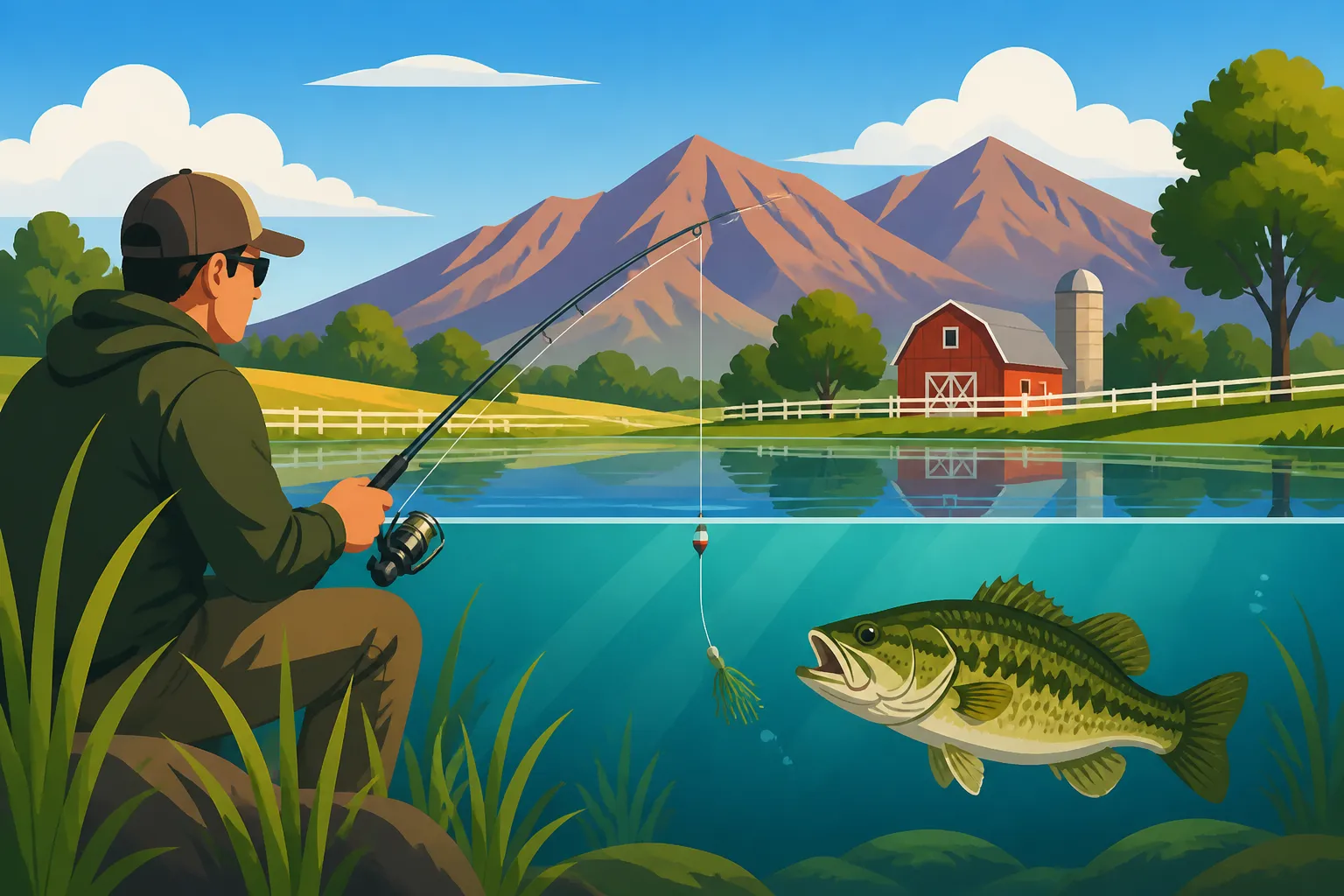
A friend finally gives you permission to fish the pond behind their hay barn in Cache Valley, or a rancher outside Delta waves you toward a stock pond full of bluegill. You show up with the same tackle you use at Strawberry Reservoir and spend two hours snagging moss and watching bass ignore you. Small farm ponds play by different rules than big reservoirs. This guide explains how to read, approach and fish a Utah farm pond so those private-water invitations turn into full stringers and good memories.
What Makes a Utah Farm Pond Different
Farm ponds in Utah are a world apart from the big public waters most anglers know. They are small, often shallow, fed by irrigation canals, springs or runoff, and shaped by the state’s high desert climate. Understanding those differences is the first step to fishing them well.
Irrigation, Springs and Changing Water Levels
Many Utah farm ponds exist because of water rights and irrigation systems. Some are holding ponds that store canal water before it goes onto fields. Others are fed by a spring, a seep or a small creek, and some are simply dug-out basins that catch spring runoff.
That origin matters. An irrigation pond can rise and fall several feet over a summer as water is diverted in and pulled out. Fish living in that pond adjust constantly. When levels drop, shallow cover disappears and fish crowd into deeper pockets. When fresh canal water comes in, it can be cooler and more oxygenated, and fish often move toward the inflow to take advantage.
Spring-fed ponds tend to be more stable. They stay cooler in summer and may stay partly open in winter near the spring. Those ponds can support trout in places where a runoff pond would get too warm.
Before fishing a new pond, ask the owner a few questions:
- Where does the water come from?
- Does the level change much during the summer?
- Has the pond ever frozen solid or had a fish kill?
- What species have been stocked, and when?
Their answers will tell you more about where fish live than any amount of guessing from the bank.
High Desert Climate and Short Seasons
Utah’s climate shapes farm pond fishing in ways that surprise anglers from wetter states. Winters are cold, and most ponds above the lowest valleys freeze over for weeks or months. Spring warms quickly once the ice goes out, and summer can push surface temperatures high enough to stress fish in shallow ponds, especially in southern and western Utah.
The result is a compressed fishing calendar. The best warmwater fishing on many farm ponds happens from late spring into early summer, and again in early fall. Midsummer can be tough in shallow ponds, with fish holding deep or feeding only at dawn and dusk.
Elevation matters too. A farm pond near St. George sits in a far warmer climate than one in Heber Valley or the Uinta Basin. The same species may spawn weeks apart depending on where the pond is.
Weeds, Algae and Clear Water
Utah farm ponds often run clear, and clear shallow water grows weeds. Many ponds develop thick beds of submerged vegetation and mats of filamentous algae, often called moss, by early summer. That vegetation is both a blessing and a curse. It gives small fish cover and holds insects, which feeds the whole food chain. It also makes many lures nearly impossible to fish.
Weedy ponds reward anglers who adapt with weedless presentations, topwater lures and fishing along the edges of vegetation. They punish anglers who throw treble-hooked crankbaits into the middle of a weed mat.
Fish You Are Likely to Find in a Utah Farm Pond
Most Utah farm ponds hold a mix of warmwater species, with trout in cooler water. Knowing what lives in the pond tells you what to bring.
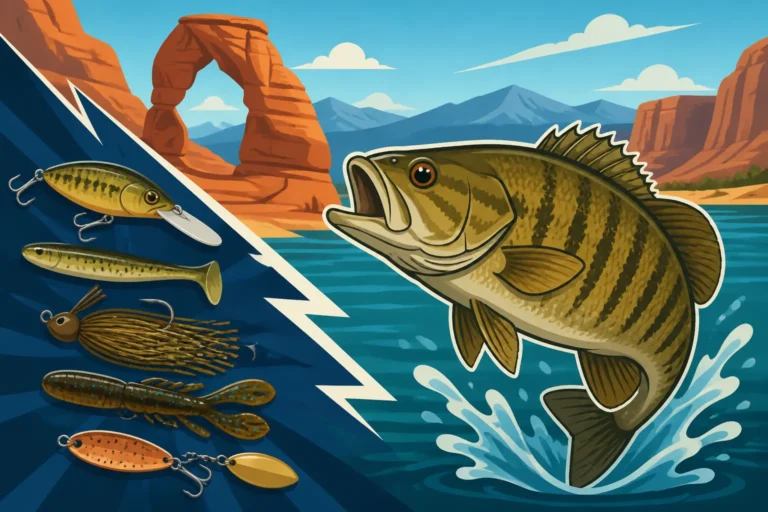
Largemouth Bass
Largemouth bass are the most common predator in Utah farm ponds that stay warm enough in summer. They relate to cover such as weeds, cattails, docks, sunken trees and old irrigation structures. In a small pond, a healthy bass population can produce fast action on fish of a pound or two, with the occasional bigger fish lurking in deep weeds.
Bass in small ponds can be wary in clear water, so stealth and natural presentations pay off. For background on how they live in Utah, read Largemouth Bass in Utah Waters.
Bluegill, Green Sunfish and Other Panfish
Bluegill are the backbone of many farm ponds. They are easy for kids to catch, fun on light tackle and excellent to eat. Green sunfish are also common, especially in ponds that were not stocked carefully, and they can overpopulate and stunt if bass numbers are low.
Telling them apart matters if you want to help the owner manage the pond. Bluegill have a smaller mouth and a dark spot at the rear of the dorsal fin, while green sunfish have a larger mouth and a thicker body. See Bluegill vs Green Sunfish Differences for more detail, and Bluegill and Sunfish in Utah Ponds for an overview of panfish in small waters.
Channel Catfish
Many ponds are stocked with channel catfish because they grow well, tolerate warm water and are popular to eat. Catfish feed heavily at night and during low light, and they respond well to bait on the bottom. The Utah Catfish Guide covers their habits in more depth.
Rainbow Trout
Cooler ponds, especially spring-fed ones or those at higher elevation, may hold rainbow trout. Trout need cold, oxygen-rich water, so they do best in ponds that do not overheat in summer. In warmer ponds, trout may be stocked as a seasonal fishery and caught out before summer heat.
Carp, Bullhead and Unwanted Guests
Common carp sometimes find their way into ponds through irrigation canals. Bullhead catfish are also common in some ponds. Carp can muddy water and uproot vegetation, while bullhead can overpopulate. Owners often welcome anglers who keep these fish instead of releasing them.
| Species | Preferred Water | Best Times | Typical Baits and Lures |
|---|---|---|---|
| Largemouth bass | Warm, weedy ponds | Late spring, early summer, early fall, dawn and dusk | Soft plastics, topwater frogs, spinnerbaits |
| Bluegill | Warm ponds with cover | Late spring through summer | Worms, small jigs, flies, crickets |
| Green sunfish | Warm ponds, rocky or weedy edges | Spring through fall | Worms, small jigs |
| Channel catfish | Warm ponds with soft bottoms | Evenings and nights in summer | Nightcrawlers, cut bait, prepared baits |
| Rainbow trout | Cool, spring-fed or higher ponds | Spring, fall and under ice | PowerBait, small spinners, flies |
| Common carp | Muddy or weedy ponds | Late spring and summer | Corn, dough baits |
Getting Permission and Following the Rules
Private ponds bring legal and ethical questions that do not come up at a public reservoir.
Asking for Access the Right Way
Many great farm ponds go unfished because nobody asks. When you do ask, treat it as the start of a relationship:
- Introduce yourself in person if possible, not just by text.
- Explain what you would like to fish for and whether you plan to keep fish.
- Ask about gates, livestock, irrigation schedules and where to park.
- Ask which areas are off-limits, such as near homes or equipment.
- Offer to share part of your catch or help with a chore.
- Follow up with a thank you after your trip.
Landowners talk to each other. A respectful angler who closes gates and leaves no trash often finds more doors opening.
Timing Your Visit Around the Farm Schedule
A working farm runs on its own clock. Haying, irrigation turns, calving and harvest all bring trucks, equipment and busy people near the pond. Showing up in the middle of second-crop hay with your truck blocking a field lane is a fast way to lose access. Ask the owner which days and times work best, and be flexible. Early mornings on weekdays are often fine on one farm and off limits on another because that is when water is being moved.
Pay attention to the irrigation schedule too. Some owners pull water from the pond on set days, and fishing during a heavy drawdown can be both poor and unsafe near the outlet. Others are happy to tell you when the canal water is coming in, which can be one of the best times to fish. Small courtesies like texting before you arrive and letting the owner know when you leave build the kind of trust that keeps a gate open for years.
Licenses and Private Water
Whether you need a Utah fishing license on a private pond depends on how the pond is set up and registered. Some private waters are treated differently from public waters, while others fall under standard license rules. Do not assume. Read Do You Need a License to Fish a Private Stocked Pond in Utah? before you go. When in doubt, carry a valid license. It costs little compared with a citation.
If you are bringing kids, Do Kids Under 12 Need a Fishing License in Utah? answers the most common family question.
Stocking and Moving Fish
Utah regulates stocking of private ponds. Owners need proper authorization and must buy fish from approved sources. Anglers should never move fish from one pond to another or release bait fish into a pond. Doing so can introduce disease, invasive species or unwanted fish that ruin a fishery. Even well-meaning anglers can do lasting damage by transferring a bucket of bluegill to a friend’s pond.
The same caution applies to bait. Live bait rules in Utah are specific, and they help prevent the spread of unwanted species. Review Utah Bait Fish Rules for Live Bait before using minnows anywhere.
Clean Gear and Invasive Species
If you fish big public waters as well as private ponds, clean, drain and dry boats, float tubes, waders and gear between trips. Invasive mussels and plants can travel in water trapped in gear. Bringing them into a private pond can be devastating, because the owner may not be able to fix the problem. Do Kayaks and Paddleboards Need AIS Inspections in Utah? covers inspection rules for small craft.
How to Read a Farm Pond Before You Cast
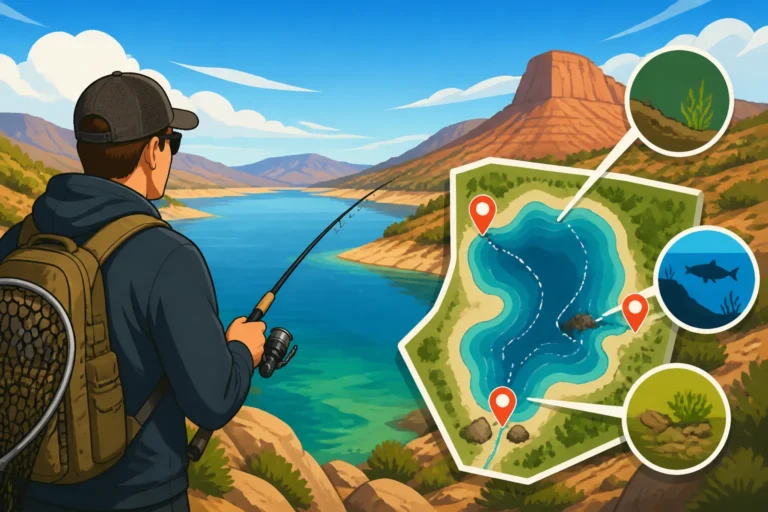
Small ponds can look simple, but fish use them in predictable ways. Spending ten minutes looking before you cast can save hours.
Find the Structure and Cover
Walk the bank slowly and look for:
- Inflows and outflows, such as canal gates, pipes and spillways. Moving water brings oxygen and food.
- The deepest area, often near the dam or the original dig site. Fish move there in summer heat and winter cold.
- Weed edges, where open water meets vegetation. Predators ambush prey along these lines.
- Points and corners, which concentrate fish moving along the bank.
- Wood and structure, such as sunken trees, fence posts, old pumps or docks.
- Shade, from trees, cattails or banks, especially on hot afternoons.
A polarized pair of sunglasses helps you see weed edges, drop-offs and cruising fish in clear Utah water. Many anglers buy an inexpensive pair on Amazon just for pond fishing, and they make a noticeable difference.
Watch the Wind, Sun and Water Temperature
Wind pushes warm surface water and food to one side of a pond. On spring days, the windblown bank often warms first and attracts baitfish and predators. On hot summer days, a breeze adds oxygen and can turn on a slow bite.
Sun angle matters in clear water. Bright midday sun drives bass into weeds, shade and deeper water. Low light at dawn and dusk pulls them shallow. Cloudy days can produce good action all day long.
Water temperature drives the seasonal pattern. A simple thermometer clipped to your bag can tell you a lot, especially in spring when a few degrees can mean the difference between fish holding deep and fish moving onto beds.
Spot Spawning Beds
In late spring, bluegill and bass build nests in shallow water. Bluegill beds often appear as clusters of round, light-colored depressions in the bottom, sometimes dozens close together. Bass beds are usually single, larger nests near cover.
Fish on beds are easy to catch, which is both an opportunity and a responsibility. In a small pond, heavy harvest of spawning bass can hurt the fishery. Many owners ask anglers to release bass, especially larger ones, while keeping bluegill to prevent overpopulation. Ask what the owner prefers.
Bank Fishing Versus a Float Tube
Most farm ponds are fished from the bank, and for good reason. Banks give you a view of the water, let you move quickly, and do not require any extra gear or permission. The downside is that weeds along the shoreline can make it hard to reach open water, and the best cover is often on the far side of a weed line you cannot cast past.
A float tube or small kayak solves that problem on larger ponds. From the water you can work weed edges parallel to the bank, reach the deep center of the pond, and cast back toward shore where bass hold under overhanging cover. Always ask the owner before launching anything, because some do not want craft on their pond, and clean and dry the tube before and after the trip. If the owner says yes, How to Fish From a Float Tube in Utah covers the basics of fins, safety and casting from a seated position.
In very small ponds of an acre or less, a float tube is usually unnecessary and can spook fish. Quiet bank fishing, with slow walking and long casts, tends to outproduce anything else.
Tackle and Techniques That Work on Utah Farm Ponds
You do not need a boat or expensive gear to fish a farm pond well. You need the right presentations for small, clear, often weedy water.
A Simple Tackle Setup
For most farm ponds, two rods cover nearly every situation:
- A light spinning rod with 4 to 6 pound line for bluegill, trout and small bass.
- A medium spinning or baitcasting rod with heavier line or braid for bass around weeds.
Add a small box with hooks, split shot, bobbers, a few soft plastics, small jigs, a spinner or two, and a topwater lure. Many anglers stock up on bobbers, hooks and soft plastics from Amazon before the season, since small terminal tackle is easy to order in bulk and you will lose some in weeds.
| Gear | Use | Notes |
|---|---|---|
| Light spinning rod and reel | Panfish, trout, finesse bass | 4 to 6 pound monofilament or fluorocarbon |
| Medium rod with braid | Bass in weeds | Braid cuts through vegetation |
| Slip or fixed bobbers | Panfish and trout with bait | Adjust depth to sit just above weeds |
| Soft plastic worms and craws | Bass | Rig weedless |
| Hollow-body frogs | Bass over weed mats | Best in summer |
| Small jigs and spinners | Panfish, trout, bass | Choose colors that match local forage |
| Nightcrawlers and worms | Everything | The most versatile bait |
| Prepared baits | Catfish and trout | Fish on the bottom or suspended |
Techniques for Bass
Bass in Utah farm ponds respond to a handful of reliable approaches:
Weedless soft plastics. A plastic worm or creature bait rigged weedless lets you crawl through vegetation without snagging. Cast to the edge of a weed bed or into openings and let it sink slowly. Many strikes come on the fall.
Topwater frogs. When weed mats cover much of the surface in summer, a hollow-body frog is often the best lure in the box. Cast across the mat, work it slowly, and pause in open pockets. Wait until you feel weight before setting the hook.
Spinnerbaits and swimbaits. Along weed edges and open water, a spinnerbait or small swimbait covers water quickly and triggers reaction strikes, especially on windy or cloudy days.
Finesse presentations. In clear, pressured ponds, smaller baits on lighter line often draw more bites. A small worm on a drop shot or a light jig can produce when bigger lures fail. Leave the bait on the bottom longer than feels natural, since pond bass often inspect a lure before taking it.
Techniques for Bluegill and Panfish
Panfish are perfect for light tackle and beginners.
- Tie a small hook to light line.
- Add a small split shot a few inches above the hook.
- Clip a bobber above that so the bait hangs just above the weeds.
- Bait with a piece of worm or a small cricket.
- Cast near weed edges, docks or beds and watch the bobber.
- Set the hook gently when the bobber dips or moves sideways.
Small jigs, flies and tiny spinners also work, especially when bluegill are aggressive. Fly anglers find farm ponds especially fun, since small poppers and nymphs produce steady action on summer evenings.
Techniques for Catfish
Catfish feed mostly by smell. Fish nightcrawlers, cut bait or prepared baits on the bottom with a sliding sinker rig near deeper water or soft-bottomed areas. Evenings and nights in summer are prime time. Bring a headlamp, set your rod in a holder, and keep the line slightly slack so catfish can take the bait without feeling resistance.
Techniques for Trout
In ponds with trout, a bobber and bait setup or PowerBait floated off the bottom works well, especially soon after stocking. Small spinners and flies also produce. For more ideas, read How to Fish PowerBait for Stocked Trout.
Fly Fishing a Farm Pond
Farm ponds are some of the most forgiving places in Utah to learn fly fishing. Casting room is usually generous on at least one bank, the fish are not as selective as wild river trout, and a missed cast rarely spooks the whole pond. A 4 or 5 weight rod with floating line handles almost everything.
On summer evenings, small foam poppers and spiders draw explosive strikes from bluegill and small bass along weed edges. Cast tight to cover, let the rings fade, then give a short twitch. During the day, a slow-sinking nymph or a small leech pattern stripped along the edge of the weeds catches panfish and trout. In ponds with bigger bass, a weedless deer hair frog or a streamer can tempt larger fish at dawn.
Keep your backcast in mind. Fences, cattails and power lines are common around farm ponds, and a hook caught in a fence wire wastes time and can damage the owner’s property.
Choosing Colors and Matching Forage
In clear farm pond water, natural colors usually work best. Green pumpkin, brown and watermelon soft plastics imitate crayfish and sunfish, which are the main food for bass in many ponds. White and silver lures mimic small baitfish where they exist. On cloudy days or in stained water after a storm or canal flush, darker colors like black and blue give a stronger silhouette.
Pay attention to what lives in the pond. If you see crayfish in the shallows, a craw-style plastic makes sense. If small bluegill are everywhere, a bluegill-colored swimbait or crankbait run along the weed edge imitates the most common meal. Matching the forage is one of the simplest ways to turn a slow day around.
Fishing a Utah Farm Pond Through the Seasons
The same pond fishes very differently from month to month. Matching your approach to the season is the key to consistent success.
Spring After Ice-Out
As ice melts, shallow water warms first, and fish move up to feed. Trout are active right after ice-out. Bass and panfish follow as temperatures rise. Fish slowly in early spring, because cold water keeps fish sluggish. Small baits and slow retrieves work best.
Late spring brings spawning. Bluegill and bass move onto beds, and fishing can be excellent. This is often the best time of the year for kids, because bluegill bite eagerly and are easy to find.
Summer Heat and Weeds
Summer brings warm water, thick weeds and sometimes low oxygen. Fish feed at dawn and dusk and hold deep or in heavy cover during the day. Topwater fishing at first light can be outstanding. Midday fishing is often slow except under shade or near inflows bringing cooler water.
Shallow ponds can suffer oxygen problems during very hot, still weather, especially with heavy algae. If you see fish gasping at the surface, it may be a sign of stress. Avoid catch-and-release fishing on those days and tell the owner.
Fall Feeding
As water cools in fall, fish feed heavily. Bass chase baitfish, bluegill school up, and catfish keep biting into early fall. Weeds begin to die back, opening more water for lures. Many anglers consider early fall the best time to fish a Utah farm pond.
Winter and Ice Fishing
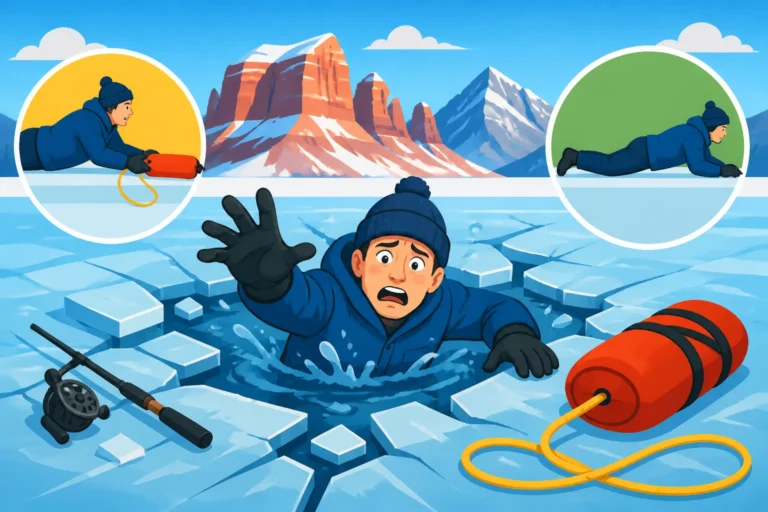
Many Utah farm ponds freeze over in winter. Ice fishing for bluegill, perch and trout can be good where the ice is safe and the owner allows it. Small jigs tipped with bait work well. Never venture onto pond ice without checking thickness, and remember that inflows, springs and aerators can create thin spots. Utah Ice Fishing Regulations covers rules that apply on the ice.
| Season | What Fish Are Doing | Best Approach |
|---|---|---|
| Early spring | Moving shallow as water warms | Slow presentations, small baits |
| Late spring | Spawning on beds | Bobber and bait for panfish, soft plastics for bass |
| Summer | Feeding at dawn and dusk, holding in cover | Topwater early, weedless lures, catfish at night |
| Fall | Feeding heavily before winter | Spinnerbaits, swimbaits, schooling panfish |
| Winter | Slow, under ice | Small jigs and bait through the ice where safe |
Real-World Farm Pond Scenarios Across Utah
Utah is a big, varied state, and farm ponds in different regions call for different game plans. These scenarios show how the principles above play out on the water.
A Spring-Fed Pond in Cache Valley in May
Imagine a half-acre pond below a dairy barn near Logan, fed by a cold spring at its upper end. The water is clear, weeds are just starting to grow, and the owner stocked rainbow trout and bluegill a few years ago. Bass were never added.
On a calm May evening, the trout cruise near the spring inflow where the water is coldest and richest in oxygen, while bluegill sit on the warmer, shallow flats at the lower end. A sensible plan is to start with a small spinner or a fly near the spring for trout, then switch to a bobber and a bit of worm on the flats as the sun drops. Without bass to thin them out, the bluegill may be small and plentiful, so keeping a limit of them helps the pond. The owner will probably be grateful.
An Irrigation Pond in Millard County in July
Now picture a larger holding pond near Delta, filled from a canal and drawn down every few days to water alfalfa. By July, the water is warm, the banks are exposed mud, and weed mats cover a third of the surface. Largemouth bass and channel catfish are the main targets.
Midday fishing here is tough. The better approach is to arrive at first light and throw a hollow-body frog across the mats while the air is still cool, then switch to a weedless soft plastic worked along the edge of the deepest water as the sun rises. When the canal gate opens and fresh water pours in, fish often move toward the inflow, and a spinnerbait cast into the current can trigger a flurry of strikes. After dark, nightcrawlers on the bottom near the deep end are a good bet for catfish. Watch the water level, because a drawdown can move fish from one end of the pond to the other in a single day.
A Warm Pond in Washington County in March
Southern Utah warms early. A small pond outside St. George might see bass moving shallow in March while ponds in northern Utah are still covered in ice. In this kind of water, bluegill and bass can spawn weeks earlier than anglers from the Wasatch Front expect.
A good plan here is to fish slowly along the sunny north bank, which warms first, with a small soft plastic or a jig. Polarized glasses help you spot fish moving onto shallow flats. By late spring, this pond may already be in its summer pattern, with fish feeding mostly early and late. Anglers who travel between regions do well to treat each pond as its own calendar rather than following the season they know at home.
A Pond in the Uinta Basin in October
A pond near Roosevelt in early fall offers a different picture. Nights are cold, weeds are dying back, and the bass are feeding heavily before winter. Open water appears where mats used to be, and spinnerbaits and swimbaits suddenly become practical. This is one of the best times to catch the largest bass in the pond, though releasing them helps keep the fishery strong for next year.
Troubleshooting a Tough Day on a Farm Pond
Even good ponds have slow days. Here is how to work through the most common problems.
Fish Will Not Bite in Clear Water
Clear water makes fish wary. If you can see fish but they ignore your bait, try these steps in order:
- Step back from the bank and make longer casts.
- Switch to lighter line or fluorocarbon leader.
- Downsize your lure or bait.
- Slow your retrieve and add longer pauses.
- Move to shade or deeper water where fish feel safer.
- Come back at dawn, dusk or on a cloudy day.
Shadows on the water, bright clothing and heavy footsteps on soft banks can all spook fish in a small pond. Moving quietly makes a bigger difference here than at a large reservoir.
Weeds Are Everywhere
When weeds choke a pond, change your approach rather than fighting them. Use weedless rigs with the hook point tucked into the plastic, topwater lures that ride over the vegetation, and braided line that slices through stems. Fish the edges and holes rather than the middle of the mat. A bobber set just above the weed tops keeps bait where fish can see it without burying it in moss.
Only Small Fish Are Biting
Catching dozens of tiny bluegill or green sunfish can be a sign of an unbalanced pond with too few predators. Try larger baits to filter out small fish, fish deeper water where bigger fish may hold, and focus on low-light periods when larger bass feed. Let the owner know what you are seeing, since it may help them decide whether to add bass or encourage more panfish harvest.
The Pond Looks Dead
Sometimes a pond seems empty. That can happen after a hard winter with thick ice and snow, when oxygen runs low and fish die under the ice, or after a hot spell in summer. If you see dead fish or catch nothing over several trips, tell the owner. They may want to consult the state about restocking or aeration.
Being a Good Guest and Helping the Pond
The best farm pond anglers are the ones who get invited back.
Harvest Decisions That Help the Pond
Small ponds can be easily overfished or poorly balanced. A healthy pond usually has enough bass to keep panfish numbers in check and enough panfish to feed the bass. If bass are overharvested, bluegill and green sunfish can overpopulate and stunt. If too many panfish are removed and bass are protected, bass can run out of food.
Ask the owner what they want. Common guidance is:
- Release most bass, especially larger ones.
- Keep a reasonable number of bluegill to prevent stunting.
- Keep catfish if the owner restocks them.
- Remove carp and bullhead if asked.
Handling Fish Carefully
Fish that will be released should be handled gently:
- Wet your hands before touching fish.
- Keep fish in the water as much as possible.
- Use pliers to remove hooks quickly.
- Support larger fish horizontally.
- Release fish gently, letting them swim off on their own.
Keep a pair of pliers and a small towel handy. Many anglers buy a fish gripper or long-nose pliers on Amazon for this purpose, and it makes unhooking faster and safer for the fish.
Cleaning and Cooking Your Catch
Farm pond bluegill and catfish make excellent table fare. Keep fish cool on ice from the moment you catch them, especially on warm Utah afternoons when the sun heats the bank quickly. Fillet bluegill with a thin, flexible knife, or scale and cook them whole. Channel catfish are best skinned and filleted. A simple coating of seasoned flour or cornmeal and a hot pan is all most families need.
If the owner allows you to clean fish on the property, ask where to dispose of the remains. Never leave carcasses on the bank, where they attract pests and create odors near homes and livestock.
Keeping a Pond Journal
Anglers who fish the same farm pond year after year often keep a simple journal. Note the date, weather, water level, water temperature, what worked and what did not. Over a few seasons, patterns emerge. You might find that bluegill move onto beds the same week every year, or that bass always bite best the morning after the irrigation gate opens. That record turns a small pond into a place you understand deeply, and it helps the owner too if you share what you learn about the fish.
Leaving It Better Than You Found It
Pack out all trash, including fishing line, which can tangle livestock and wildlife. Respect fences, crops and animals. Close every gate you open. If you notice a problem, such as a broken pipe, a fish kill or trespassers, let the owner know.
Staying Safe Around Farm Ponds
Farm ponds have hazards that public parks do not. Irrigation gates and pipes can create strong currents and suction, so stay away from intake structures. Steep, muddy banks can give way, especially on irrigation ponds that have just been drawn down. Livestock may share the pond, and bulls or protective cows should be given plenty of space. Canals feeding the pond can be deep and fast, and they are dangerous for children and dogs.
Let someone know where you are going, carry a phone, and keep an eye on kids at all times near the water. A life jacket is a smart choice for young children on any pond bank.
Bringing Kids Along
Farm ponds are some of the best places in Utah to introduce kids to fishing. They are quiet, safe and full of willing bluegill. Keep trips short, bring snacks, and focus on action rather than big fish. For more ideas, see How to Teach a Kid to Fish in Utah.
A good day on a farm pond is about more than fish. It is about trust between an angler and a landowner, a quiet evening by the water, and a pond that keeps producing year after year because everyone treated it with care.
Disclaimer
This article is for general informational purposes only and does not constitute professional advice. Laws, prices and regulations vary by location and change over time. Consult a qualified professional for guidance on your specific situation.